Mechanical watches live with a strange contradiction. They’re technically unnecessary, yet emotionally magnetic in a way few modern objects manage.
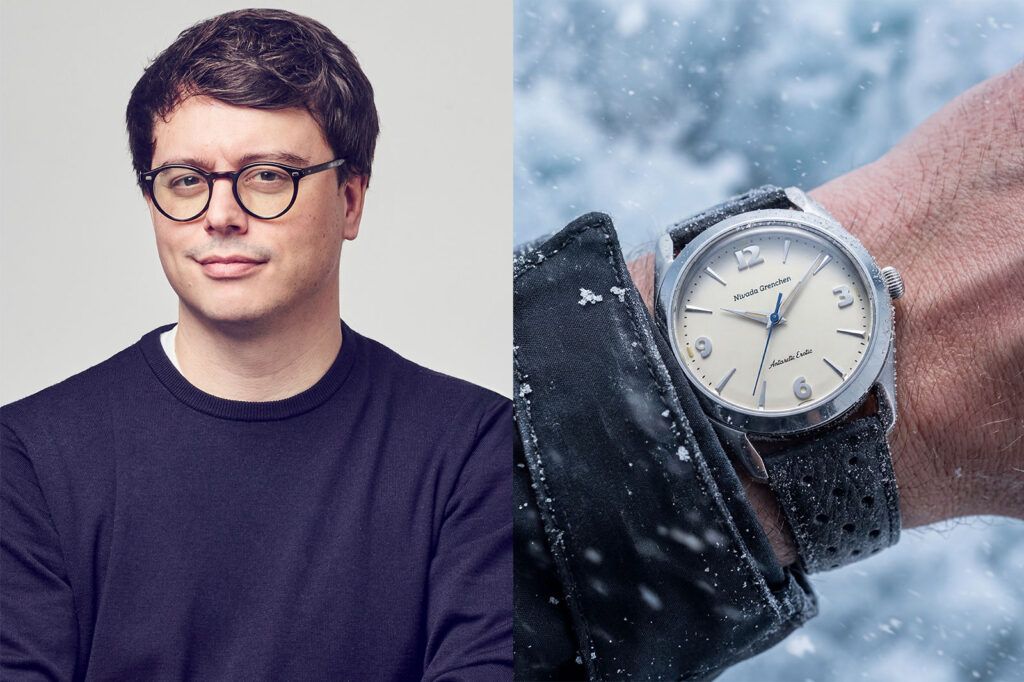
Guillaume Laidet understands that tension better than most. The 40-year-old French entrepreneur has helped bring Nivada Grenchen, Vulcain and Excelsior Park back into serious enthusiast conversation, while SpaceOne gives him room to push into far more contemporary watchmaking.
His success hasn’t come from treating heritage as decoration. It comes from knowing which details collectors care about, and which old ideas still have the energy to become relevant again.

At a glance
- Guillaume Laidet has become a key figure in modern watch revivals through Nivada Grenchen, Vulcain and Excelsior Park.
- His approach combines close attention to vintage proportions, collector feedback and accessible pricing, especially at Nivada Grenchen.
- Nivada Grenchen is preparing a completely new Eric Giroud-designed collection for April 2027.
How vintage watches became the starting point
Laidet’s route into watches began at home, through his father’s early interest in buying vintage pieces online.
“I started my passion thanks to my father,” Laidet says. “When eBay started selling plenty of watches he was buying vintage Omega, vintage Lip, this kind of thing, and it was the first time I touched a mechanical watch.”
What stayed with him was not the status of the names, but the small mechanical miracle of a watch working without electronics.

“It was crazy, working without a battery, you just wind it up and you can hear it when you put it to your ear,” he says.
After leaving school in 2009, Laidet joined Zenith in 2010, placing him inside Swiss watchmaking just as his own collecting instincts were beginning to sharpen.
A modest inherited chronograph became the object that pushed interest into obsession.

“I inherited, a bit by accident, an unbranded vintage chronograph. It looks like a vintage Breitling. 36mm, gold-plated and very cool,” he says. “While I was working for Zenith, I had it restored, and that’s where my addiction really started.”
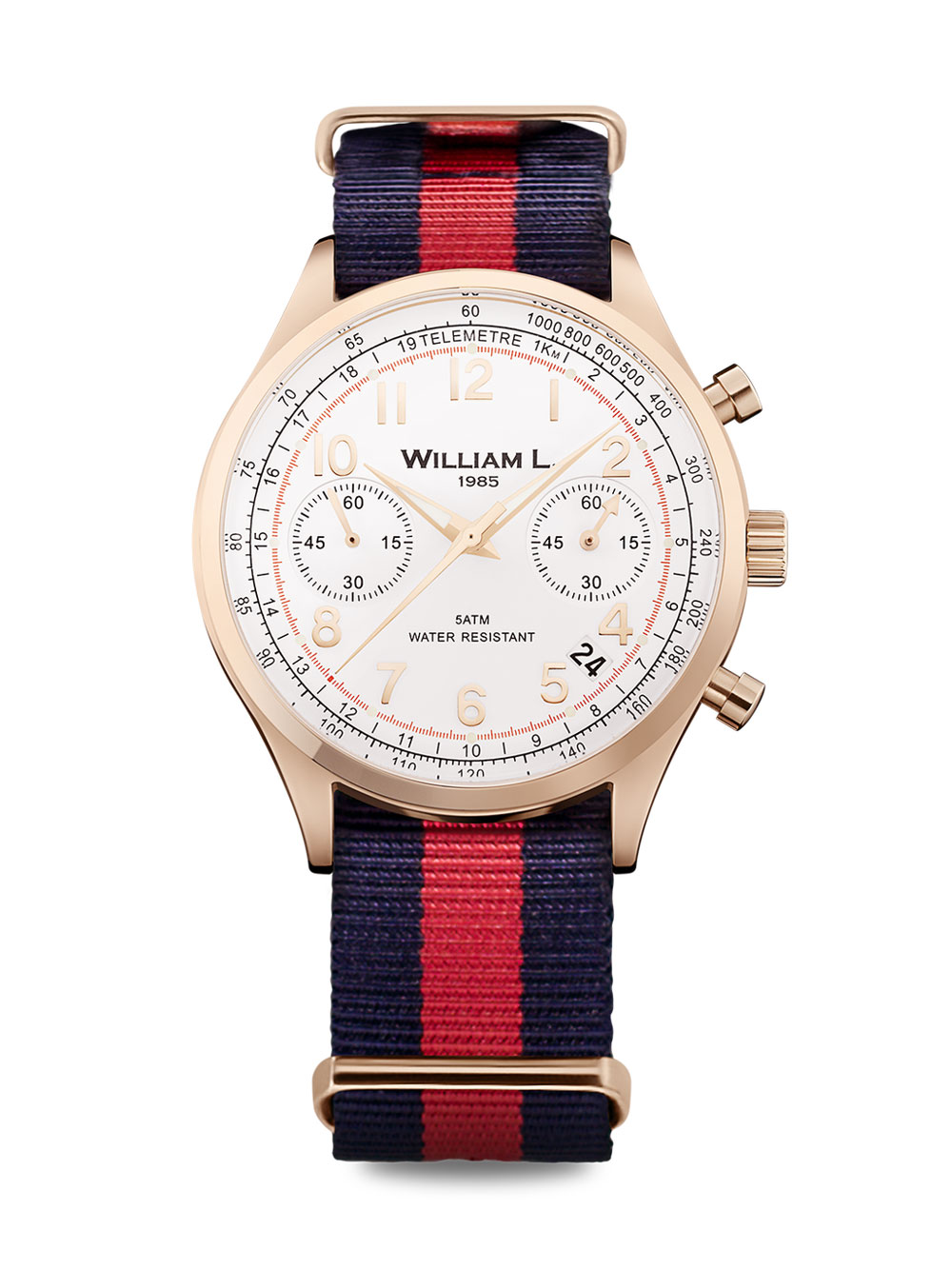
That watch would later help shape William L. 1985, Laidet’s first brand, which translated the look of a vintage chronograph into an affordable quartz format.
By the time he sold the company, William L. 1985 was producing around 50,000 watches a year and was distributed in 30 countries.

Nivada Grenchen and the value of listening closely
Nivada Grenchen gave Laidet a different kind of opportunity.
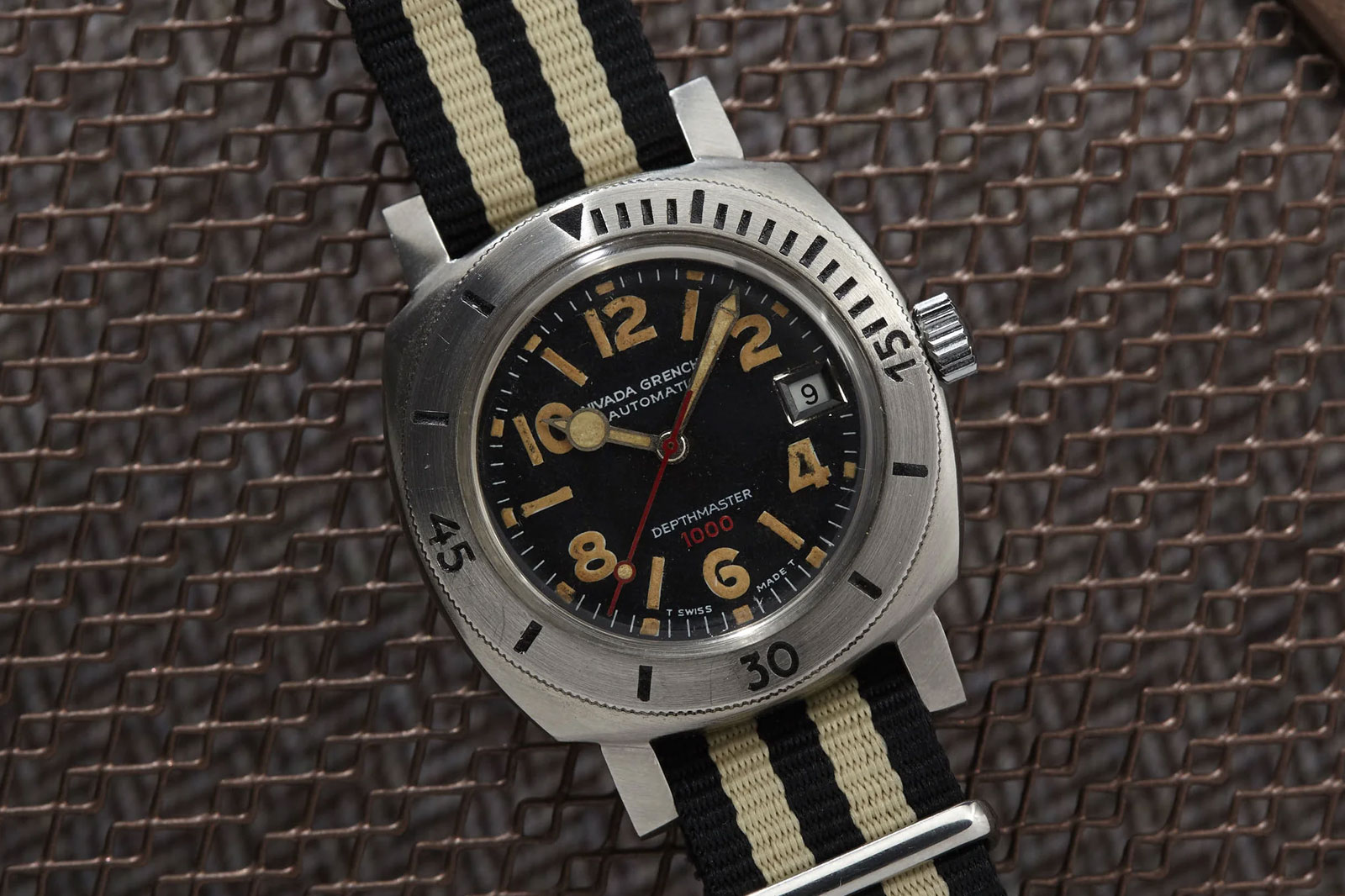
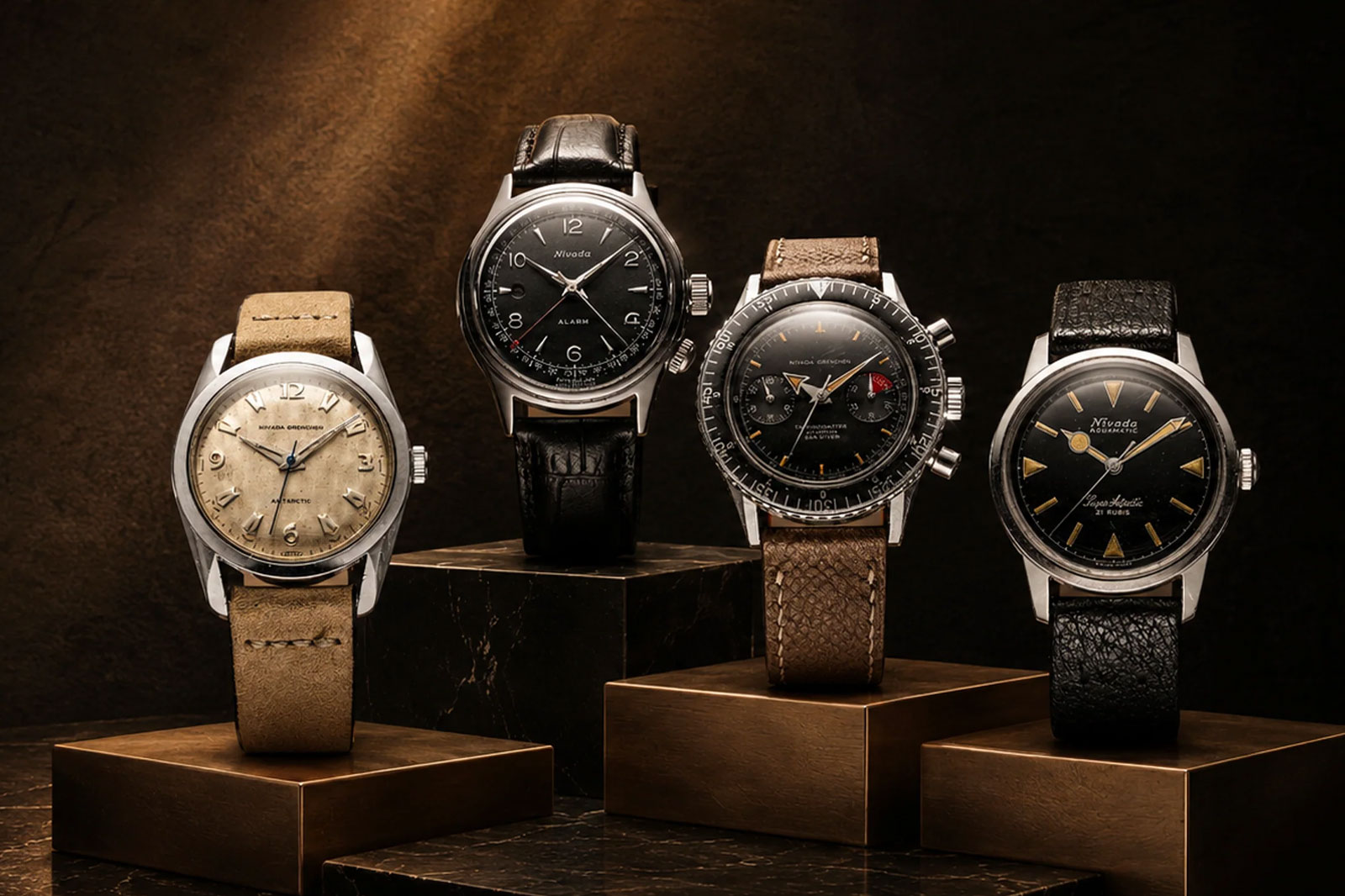
Unlike names brought back with little collector memory attached, Nivada Grenchen already had a living enthusiast base, with vintage owners active online and pre-owned examples regularly changing hands in the €1,000 to €2,000 range.
That existing demand made the brand attractive, but it also meant mistakes would be noticed immediately.
Laidet’s solution has been to treat collectors less as an audience and more as a working advisory circle.
“With Nivada, I try to keep as close as possible to the vintage pieces,” he says. “I keep the same sizes as much as possible, the same thickness, the same dial… even the smooth, no-click bezel.”
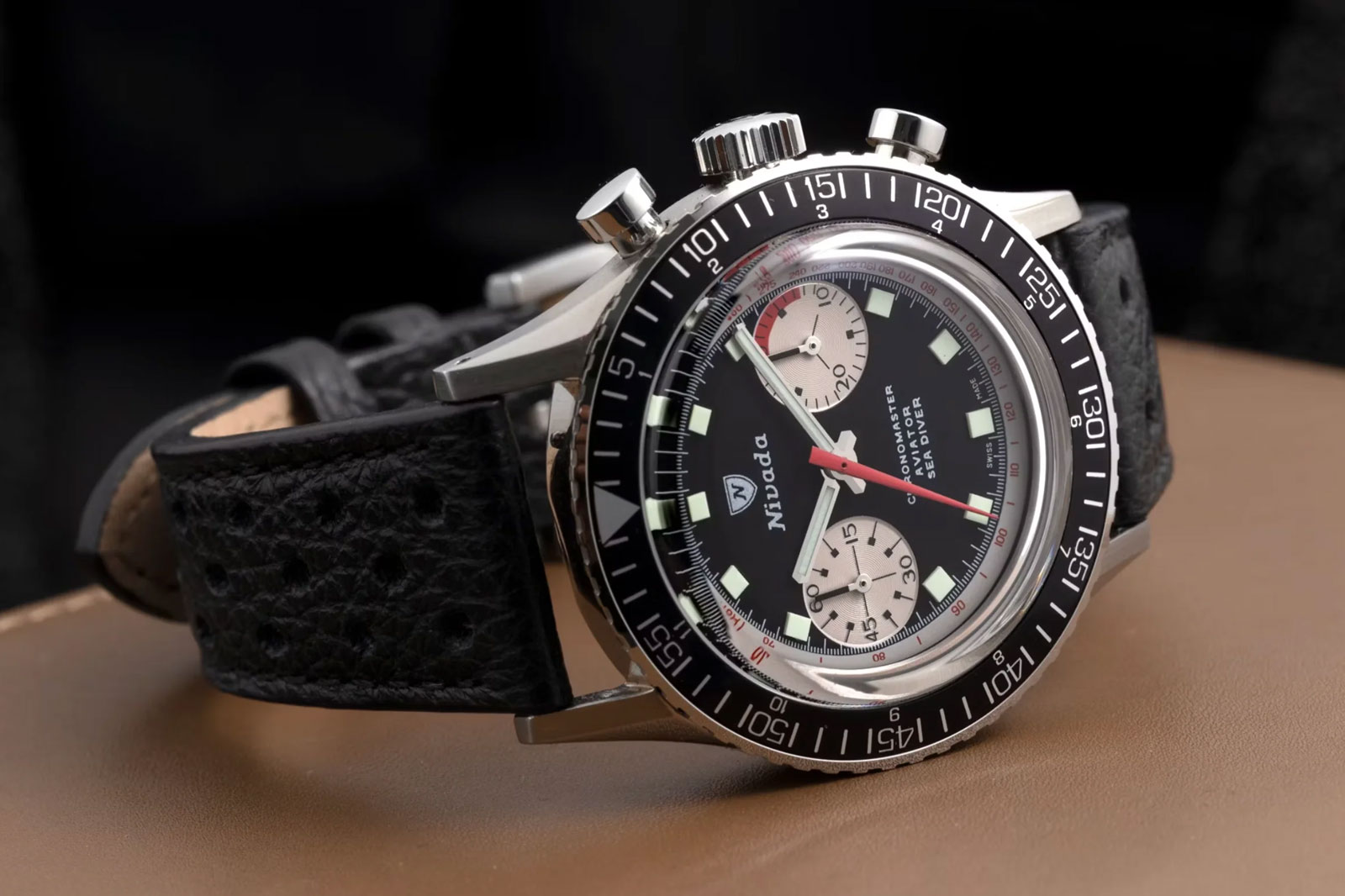
The Chronomaster shows how literal that philosophy can become.

When the team considered relaunching it as an automatic, feedback from collectors pushed strongly toward a manual-wind version closer to the old watch.
“Instantly they were like, ‘no, no, I want manual winding like the vintage one!’” Laidet says.
The result was a thinner manual-wind Chronomaster, with an automatic also offered. Around 90 percent of sales went to the manual version.
That small decision says a lot about why Nivada Grenchen has connected with enthusiasts. The watches don’t just borrow old names, they preserve the quirks that make those names meaningful.
The F77 shows how the archive can move
The F77 has become one of the clearest expressions of Nivada Grenchen’s revival strategy.
It channels the 1970s integrated-bracelet sports watch mood through an octagonal bezel, visible screws, brushed flat surfaces and a compact stance that suits the current appetite for smaller cases.
Nivada Grenchen offers it in a vintage-leaning 37mm size as well as a more contemporary 41mm version.
Dial choices range from coloured basketweave finishes to stone dials, including aventurine, lapis lazuli and meteorite.
With automatic pricing starting at £1,030, the F77 also illustrates Laidet’s broader commercial instinct. The appeal is enthusiast-led, but the barrier to entry remains deliberately lower than much of the Swiss sports-watch field.

Laidet’s own collecting still feeds into the brand in a very direct way.
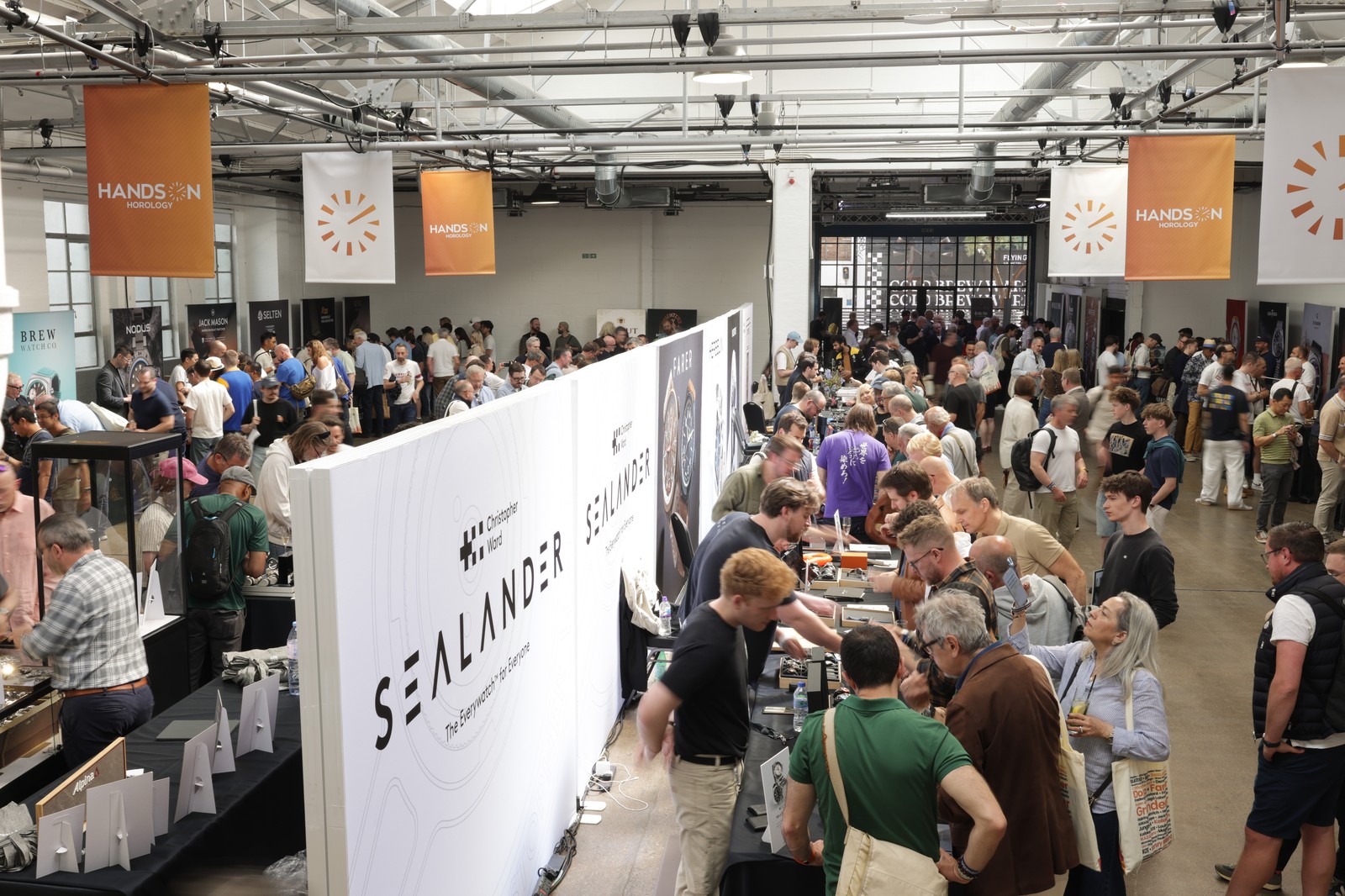
He continues to buy vintage Nivada Grenchen watches through platforms such as Chrono24 and eBay, with pieces photographed for the brand’s online museum.
A collector WhatsApp group also plays a part, with owners sharing discoveries from around the world.
“When I see something interesting, I’ll bid until I get it,” he says. “I discover new watches almost every week. In fact, that’s how I relaunched the F77.”
That enthusiasm doesn’t sound especially corporate, and that may be the point. Nivada Grenchen feels credible because its revival is still being shaped by the habits of a collector.
SpaceOne and what comes after nostalgia
Laidet’s career would be easy to frame purely through heritage, but SpaceOne complicates that picture in a useful way.
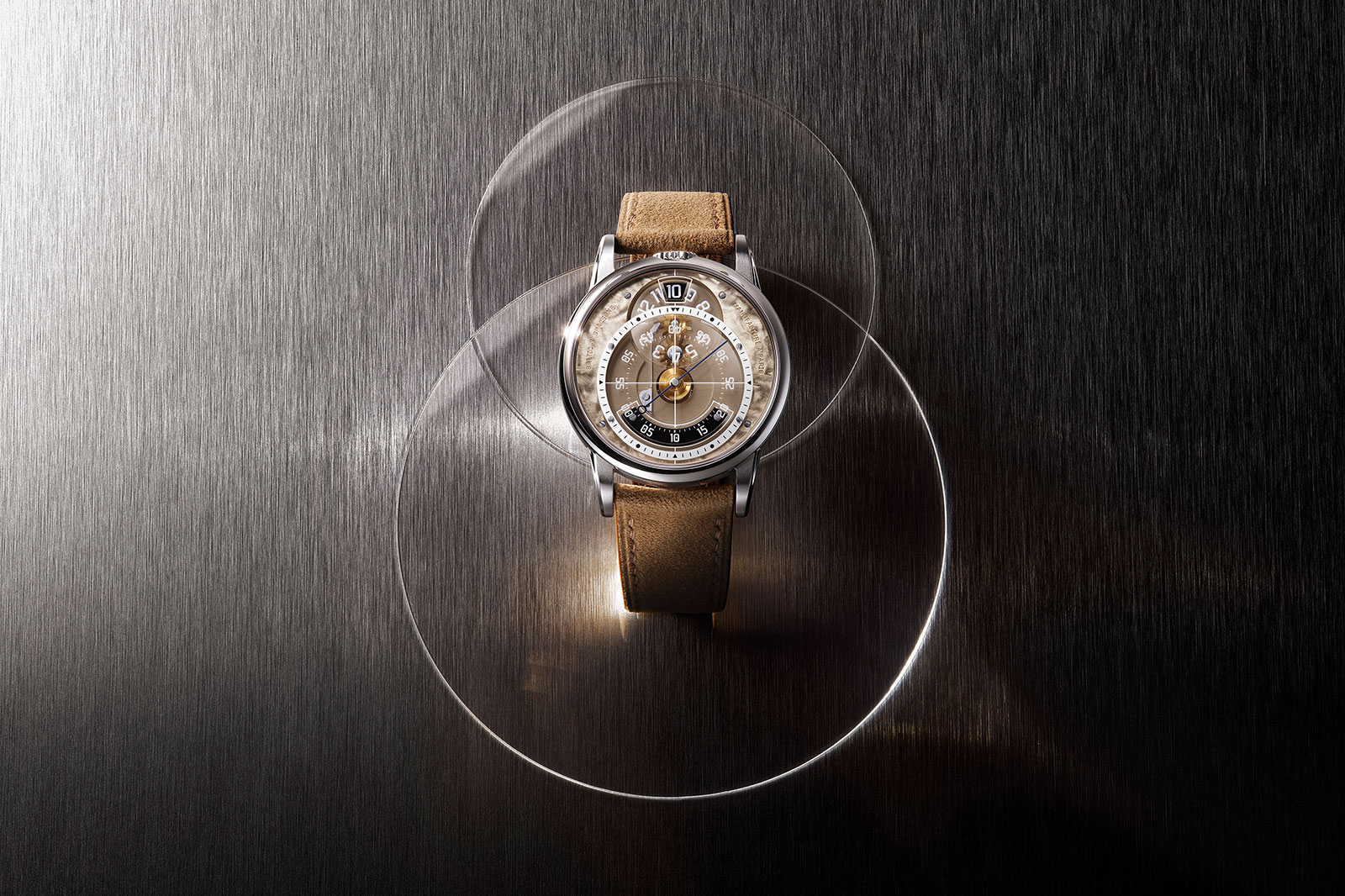
Where Nivada Grenchen looks backward with care, SpaceOne is positioned as a modern creative outlet, with the SpaceOne WorldTimer showing a more futuristic side to his watchmaking interests.
Even within Nivada Grenchen, the archive is starting to loosen its grip.
Laidet has seen prototypes for an open-dial aventurine F77 and a titanium open-dial meteorite version, both of which push the model beyond strict vintage reissue territory.
The bigger shift is scheduled for April 2027, when Nivada Grenchen is set to introduce a fully new collection designed by Eric Giroud.
“It will be a totally new design by Eric Giroud,” Laidet says. “A new name, a new design, a whole new collection!”
That matters because the strongest heritage brands eventually have to prove they can create, not only recover.
Laidet’s advantage is that he doesn’t appear to see those ideas as opposites. The same eye that protects an old bezel action or case diameter can also recognise when a brand needs a new silhouette.
For collectors, that makes his next chapter worth watching. Nivada Grenchen has shown how persuasive a revival can be when it respects the people who kept the memory alive, while SpaceOne suggests Laidet isn’t content to stay inside the past.