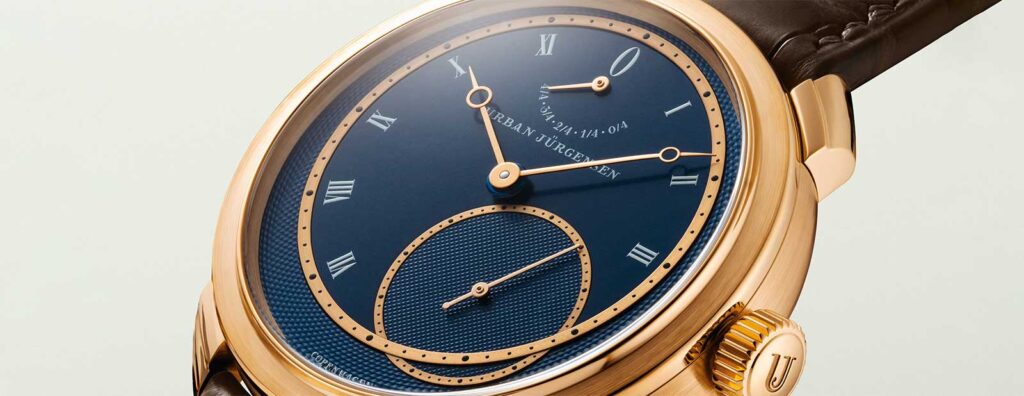
Urban Jürgensen didn’t return quietly.
After years out of the spotlight, the historic Danish name reappeared in June 2025 with three models, nine references, a new visual language and a Los Angeles launch that felt more like the opening chapter of a long plan than a nostalgic comeback.
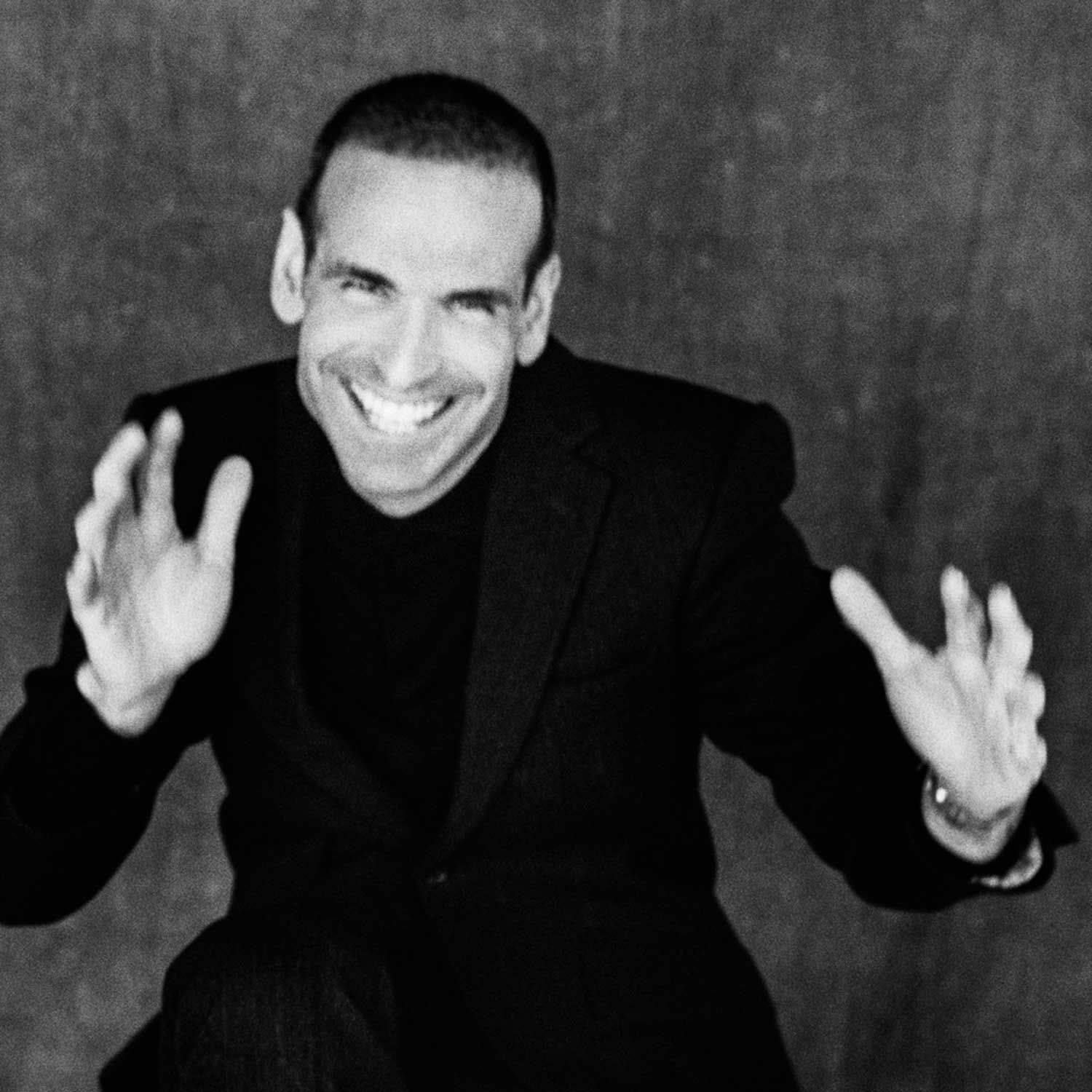
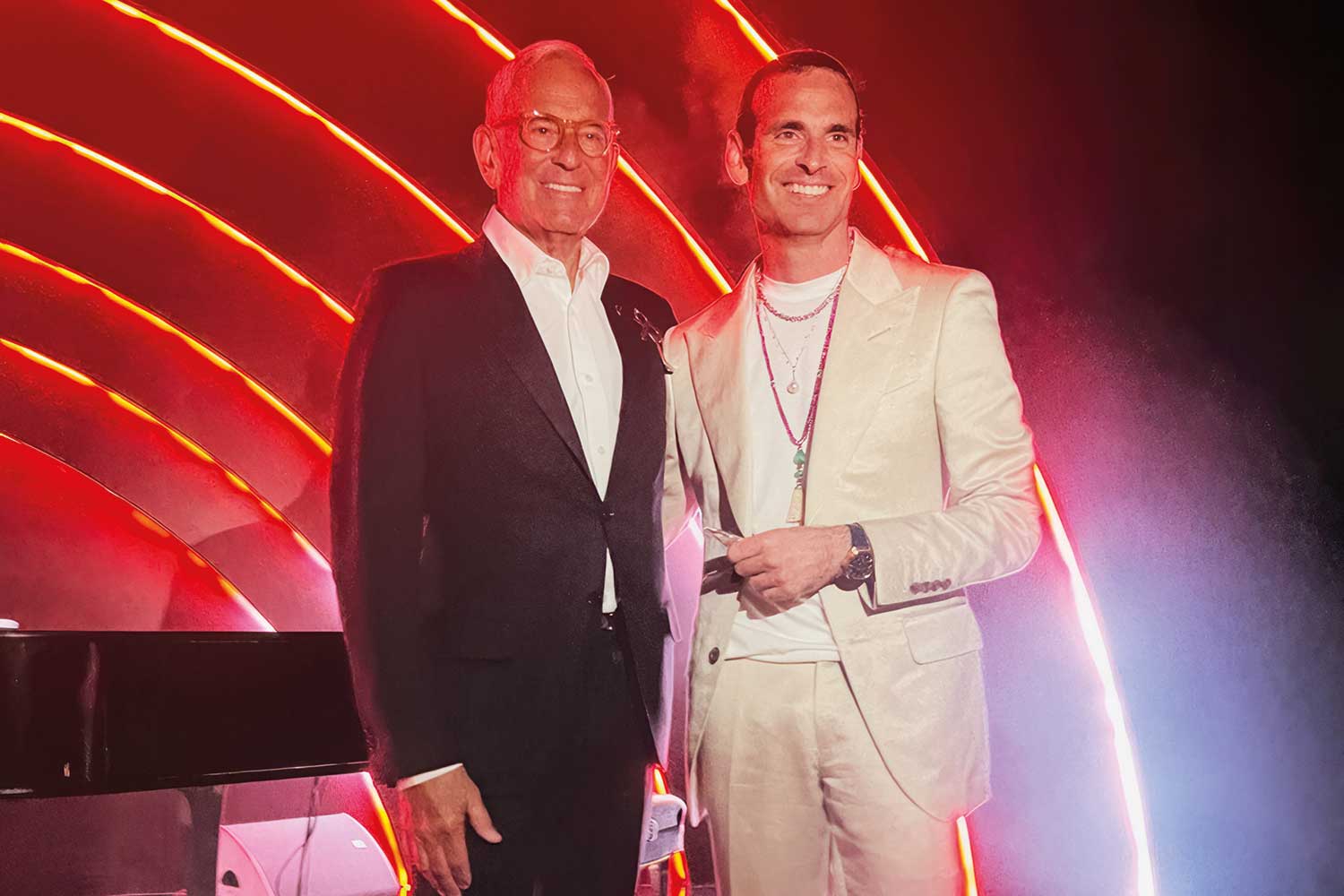
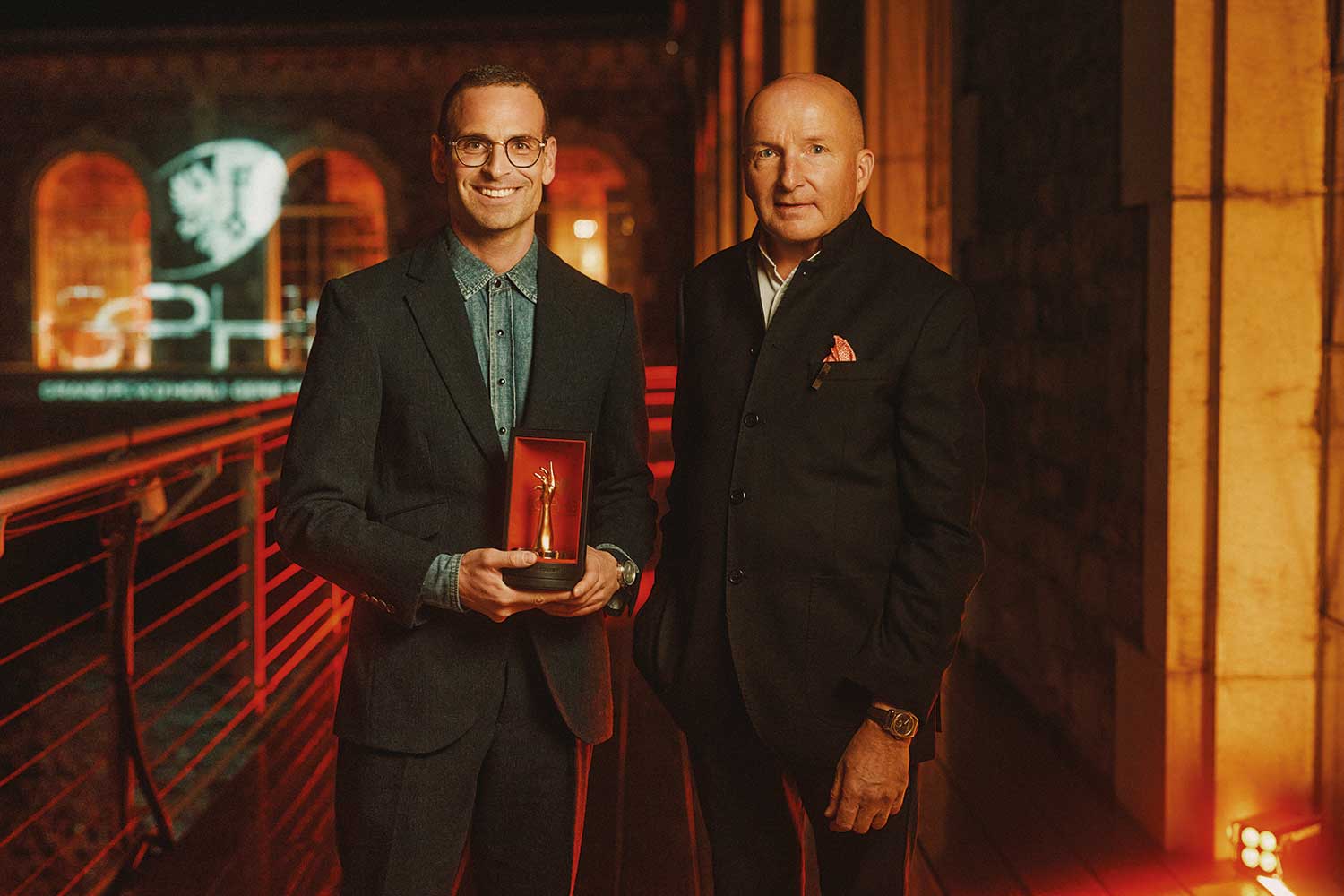
At the centre of that plan is Alex Rosenfield, who has spent years working with his father, Andrew Rosenfield, and Kari Voutilainen to decide what Urban Jürgensen should become next.
At a glance
- Urban Jürgensen returned in June 2025 with three new watch families, nine references and a fully refreshed identity.
- The relaunch brought together Kari Voutilainen, Andreas Strehler and a wider circle of specialist makers under a more structured brand vision.
- Alex Rosenfield’s role is less about watchmaking at the bench and more about shaping continuity, authorship and long-term direction.
A historic name with a modern custodian
Urban Jürgensen carries the weight of a story that began in Copenhagen in 1773, when Jørgen Jørgensen established the business later developed by his son, Urban.
The name would become one of Denmark’s most important contributions to precision watchmaking, before taking on another life in the 1970s under Peter Baumberger and Derek Pratt.
That Baumberger-Pratt period still matters deeply to collectors, not because it preserved a label, but because it produced watches with a level of handcraft, discretion and mechanical seriousness that helped define the independent era.
The Rosenfield family acquired Urban Jürgensen in 2021, entering a company with both cultural capital and a difficult question attached to it.
How do you move a revered name forward without turning it into a museum piece?
Alex Rosenfield’s answer has been to treat continuity as an active discipline rather than a design mood.
He isn’t presenting himself as a watchmaker, and that distinction is important.
Voutilainen brought the technical authority, while Rosenfield’s task has been to form a recognisable identity around many expert hands.
Why the relaunch began with three watches
Urban Jürgensen could have returned with a single commemorative piece and still drawn attention from collectors.
Instead, the brand came back with a proper collection, which immediately made the ambition clearer.
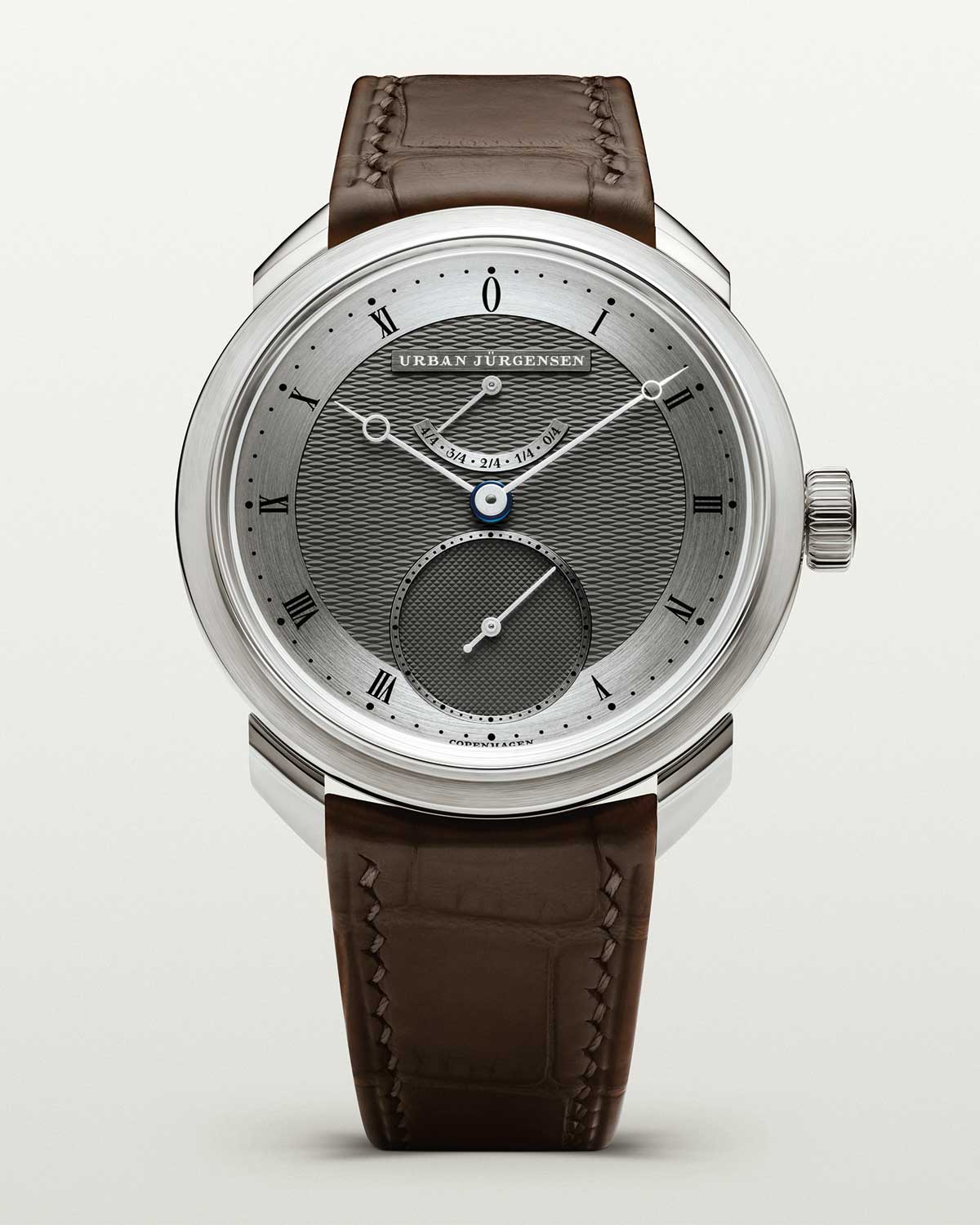
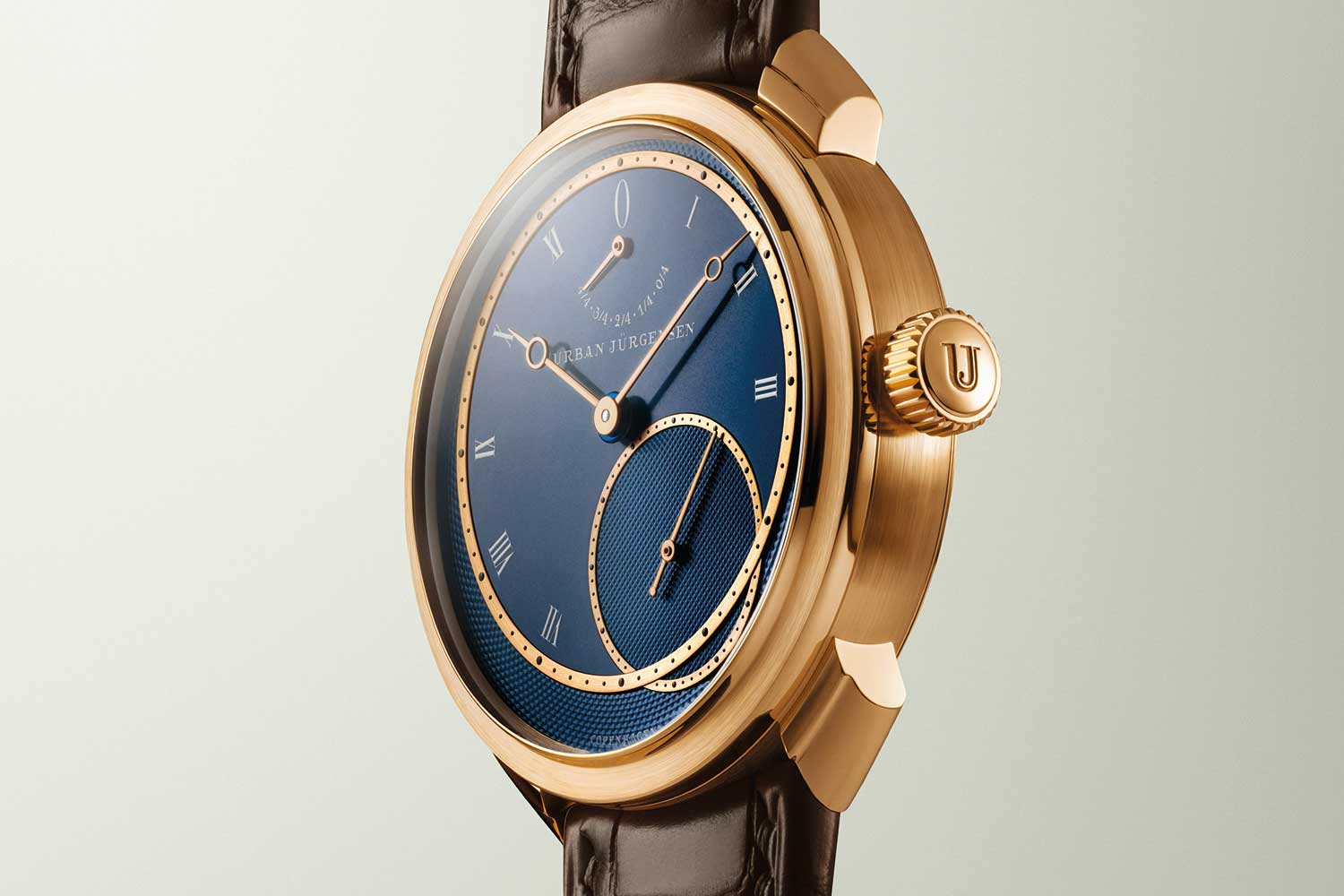
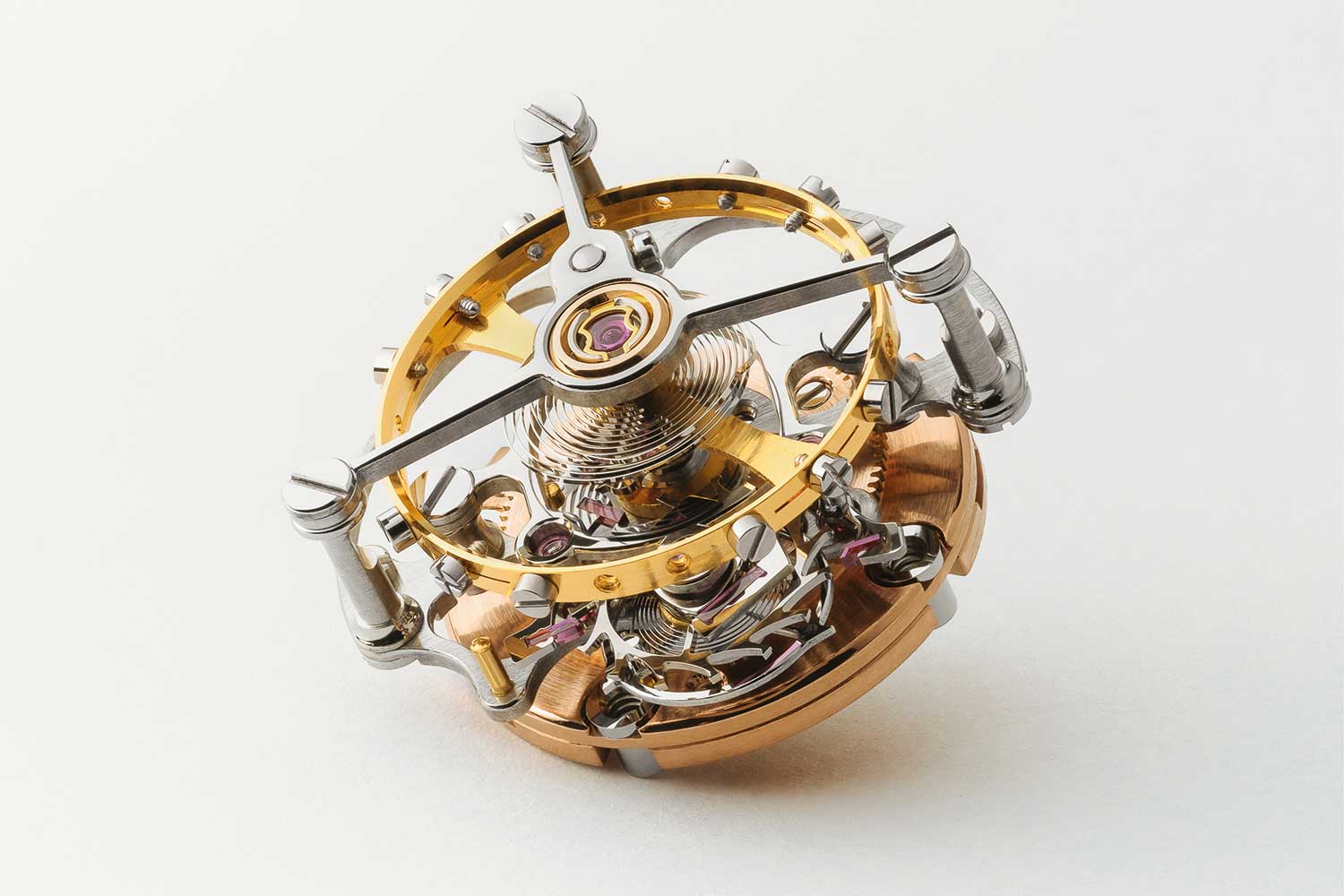
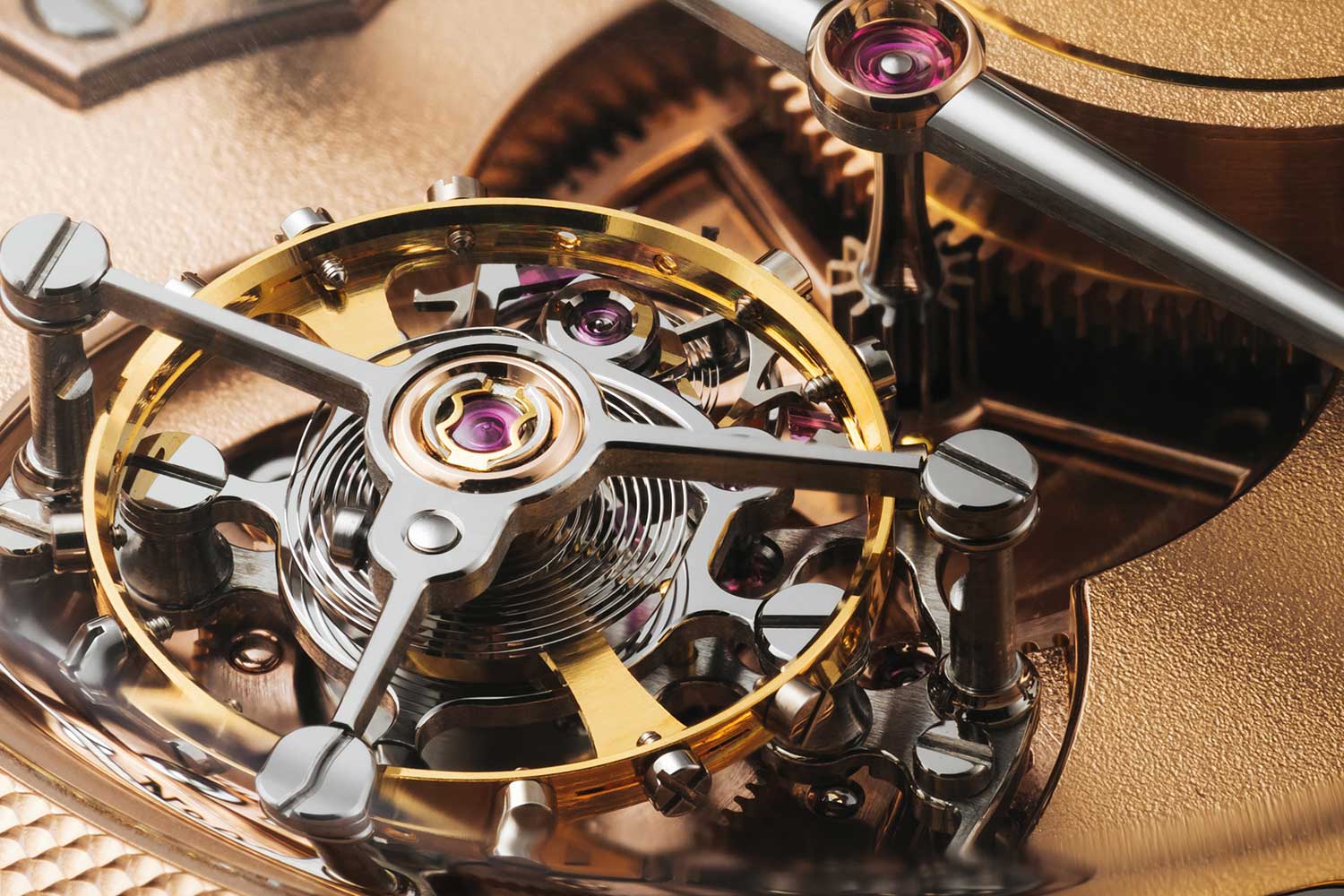
The UJ-1 translated Derek Pratt’s celebrated Oval pocket watch into wristwatch form, pairing a tourbillon with a remontoir d’égalité and deadbeat seconds.
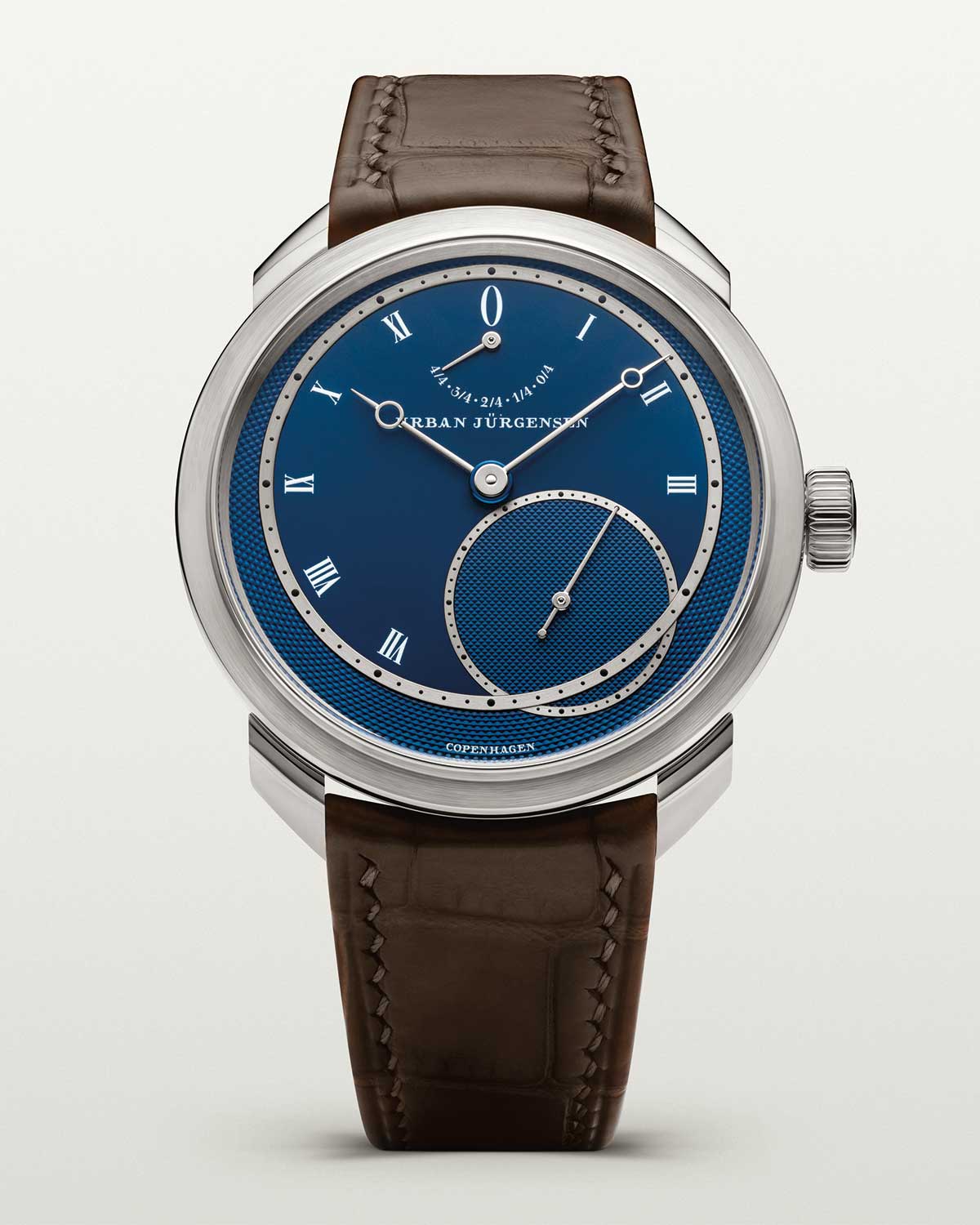
The UJ-2 took a more restrained route, using Kari Voutilainen’s interpretation of the double-wheel natural escapement in a time-only watch.
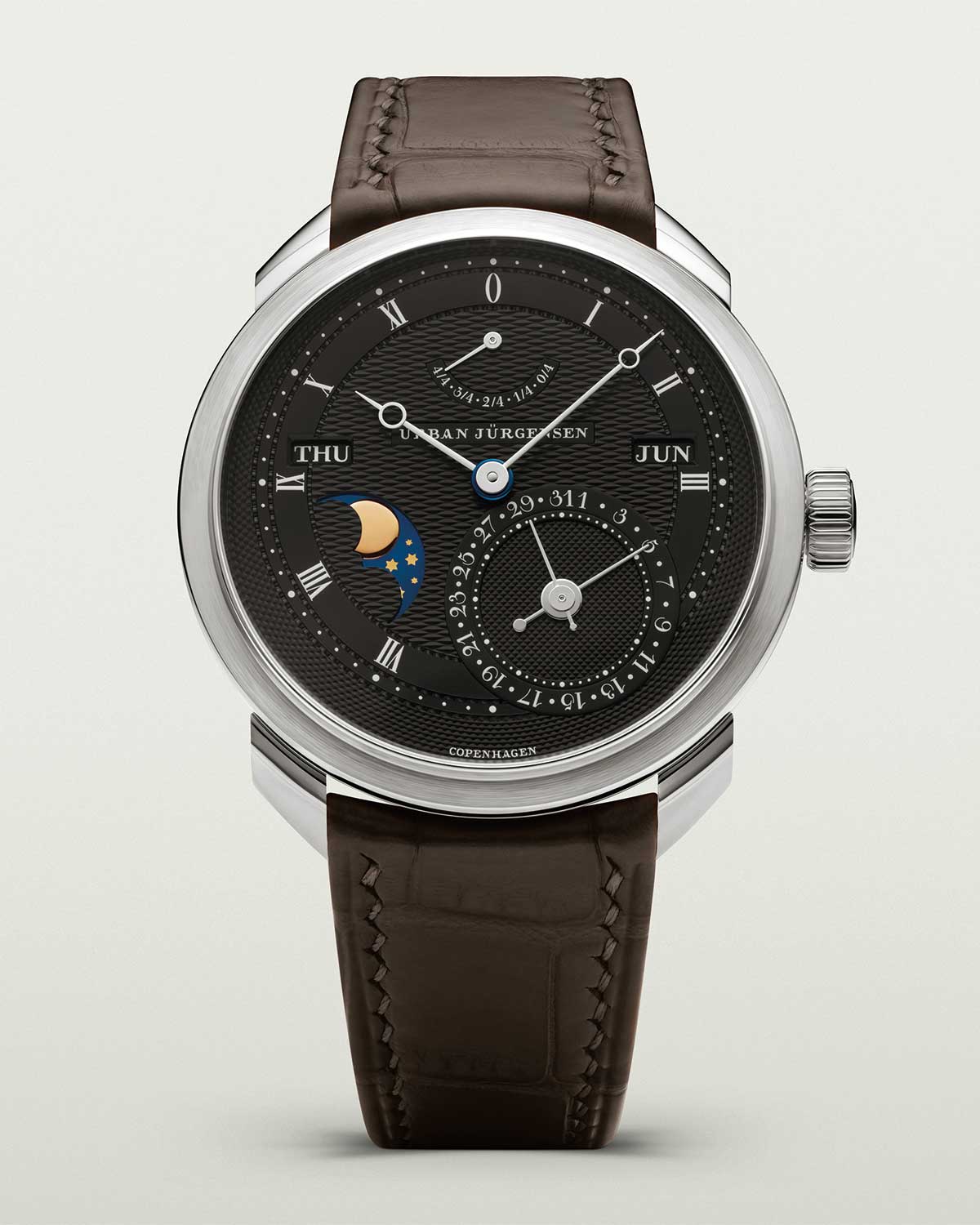
The UJ-3, developed with Andreas Strehler, brought in a perpetual calendar and instantaneous moonphase.
Together, the trio avoided the trap of making Urban Jürgensen feel like a single-idea revival.
One watch could have been read as an anniversary gesture, but three allowed the brand to show range, from historical homage to contemporary independent construction.
There’s a useful comparison with A. Lange & Söhne’s 1994 return, when the German manufacture used a multi-watch debut to explain its entire philosophy in one moment.
Urban Jürgensen’s 2025 re-entry followed a similar logic, using the breadth of the launch to show that the company was thinking in collections, not isolated statements.
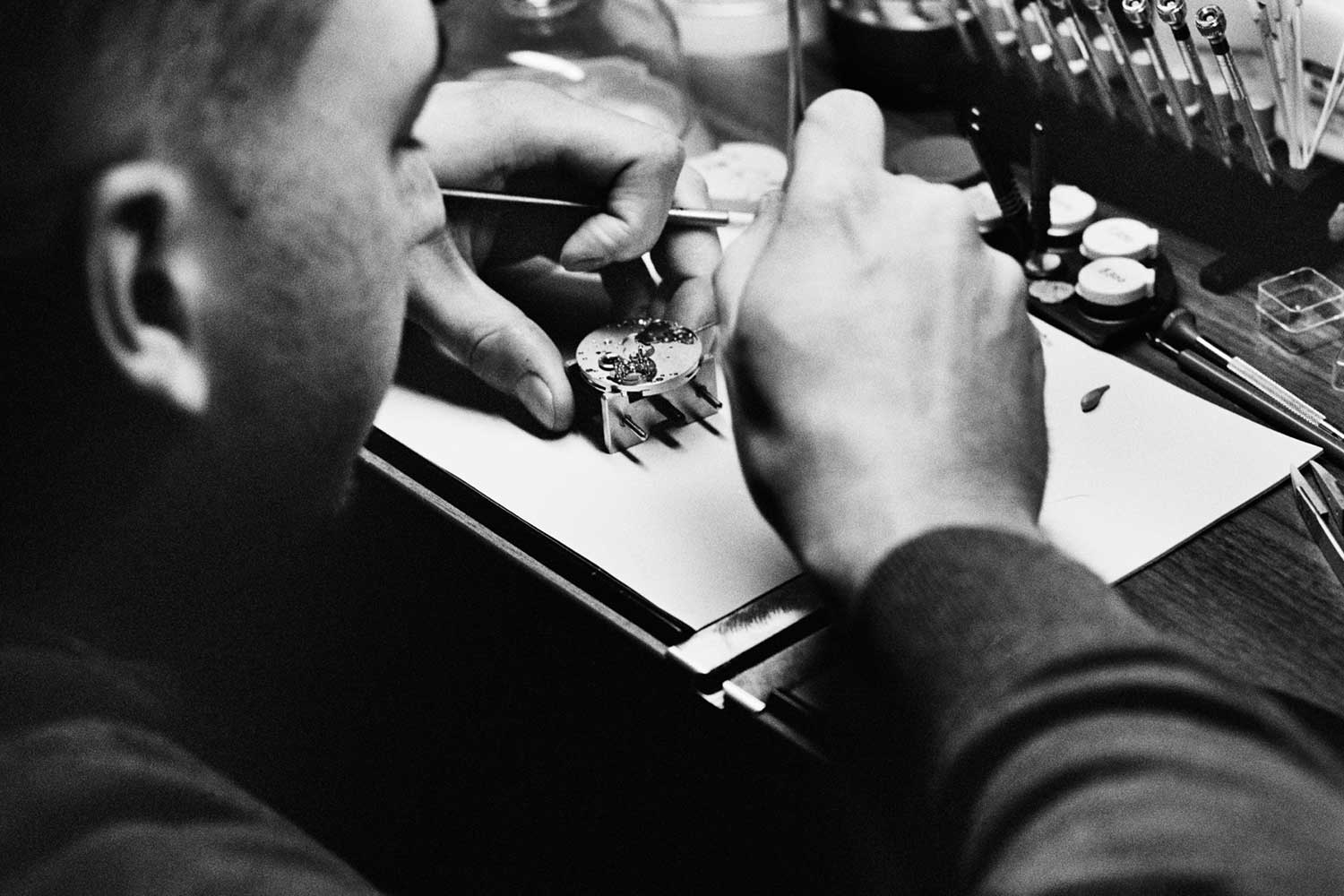
The maker’s hand remains visible
One of the more interesting tensions in the new Urban Jürgensen is its relationship with authorship.
The brand wants to work with exceptional constructors and watchmakers, while still ensuring that each piece belongs to a coherent house style.
That’s not easy.
Independent watchmaking often thrives on the direct connection between maker and object, while larger houses tend to absorb individual contributions into a broader institutional voice.
Rosenfield appears to be aiming for a middle path.
The watches should reveal the thinking of the people who made them, but they also need to carry the character of Urban Jürgensen beyond any one collaborator.
Voutilainen remains closely involved with the company and has shifted into a senior strategic advisory role.
Other makers were also brought into the project early, though their identities have not all been made public.
What matters for Rosenfield is that the creative and mechanical intelligence behind the watches isn’t hidden as the company grows.
For collectors, that approach has obvious appeal.
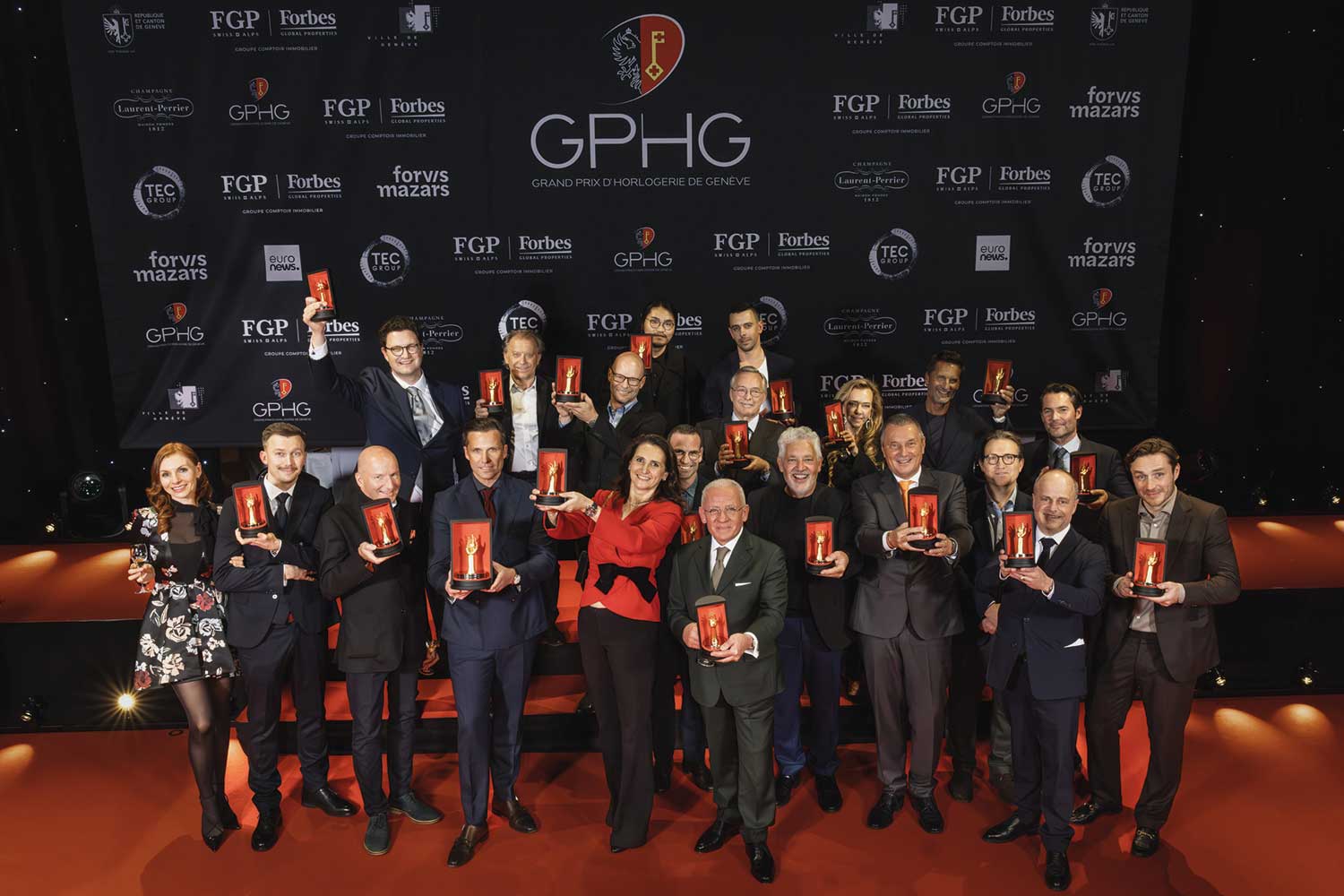
The emotional charge of independent watchmaking often comes from understanding whose judgement shaped the bridge, the escapement, the dial or the finishing philosophy.
Building a house rather than staging a comeback
The years before the 2025 launch were unusually quiet by modern standards.
The acquisition process began in 2020 and was completed in 2021, but there was no rush to announce a date before the watches were ready.
That patience helped preserve the impact of the debut.
When the watches arrived, they came with the broader world around them, including imagery, typography, films and a defined visual identity.
For a name like Urban Jürgensen, presentation is not decoration.
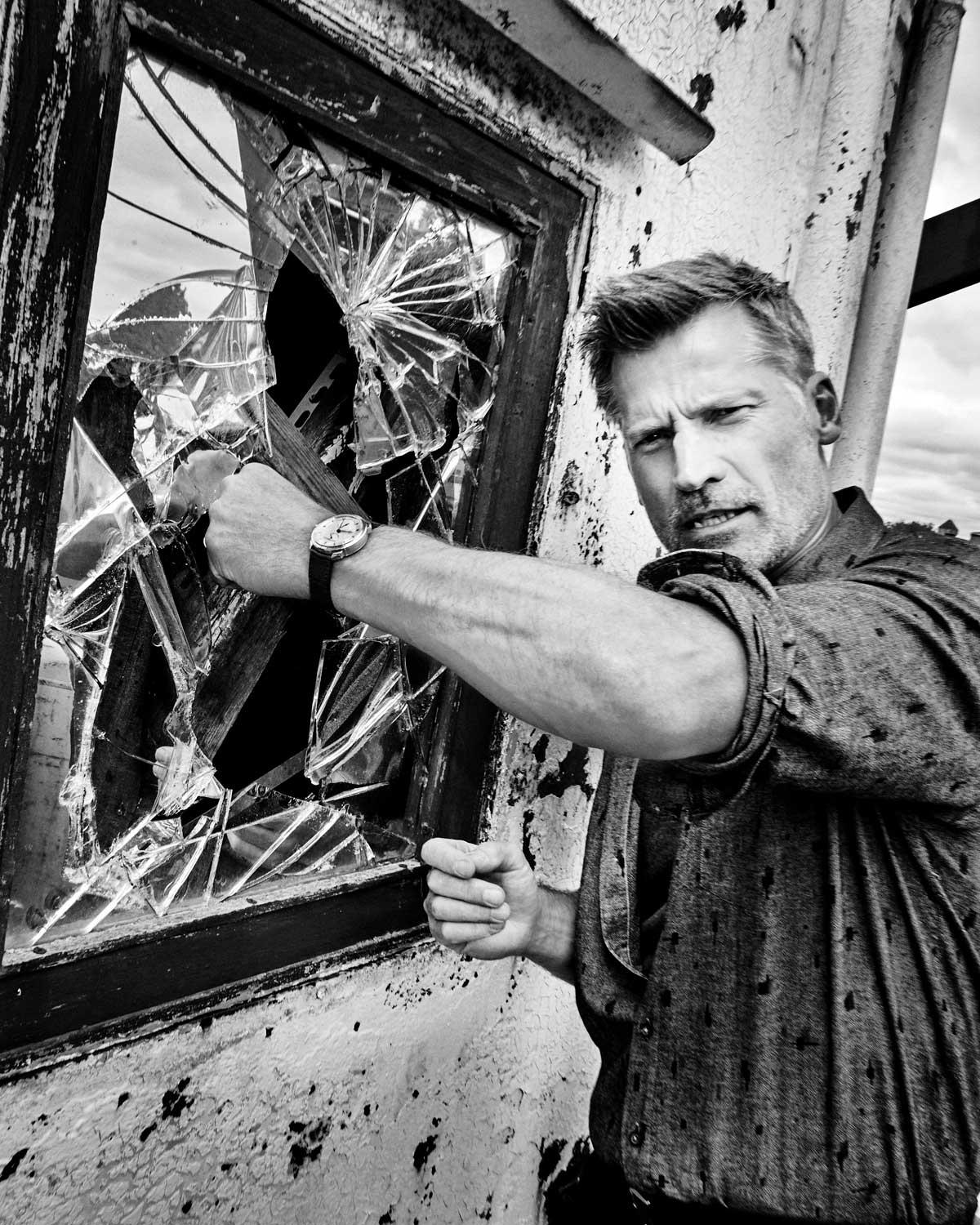
It helps clarify whether the company is simply reviving historical cues or building a contemporary watch house with its own editorial confidence.
The answer, so far, leans toward the latter.
Rosenfield’s Urban Jürgensen is not trying to erase its past, but it also isn’t relying on heritage alone to do the work.
The more compelling idea is a brand that treats its long history as permission to be selective, exacting and collaborative.
That may make Urban Jürgensen especially interesting to collectors who already understand the appeal of independent watchmaking but want something with a deeper institutional spine.
Its future will depend on execution, consistency and whether the next watches can expand the language without diluting it.
For now, Alex Rosenfield has positioned Urban Jürgensen as one of the more closely watched names in high-end watchmaking, not because it returned loudly, but because it returned with a framework built to last.