Seiko Watch Corporation has always been a more complex house than casual watch buyers tend to realise.
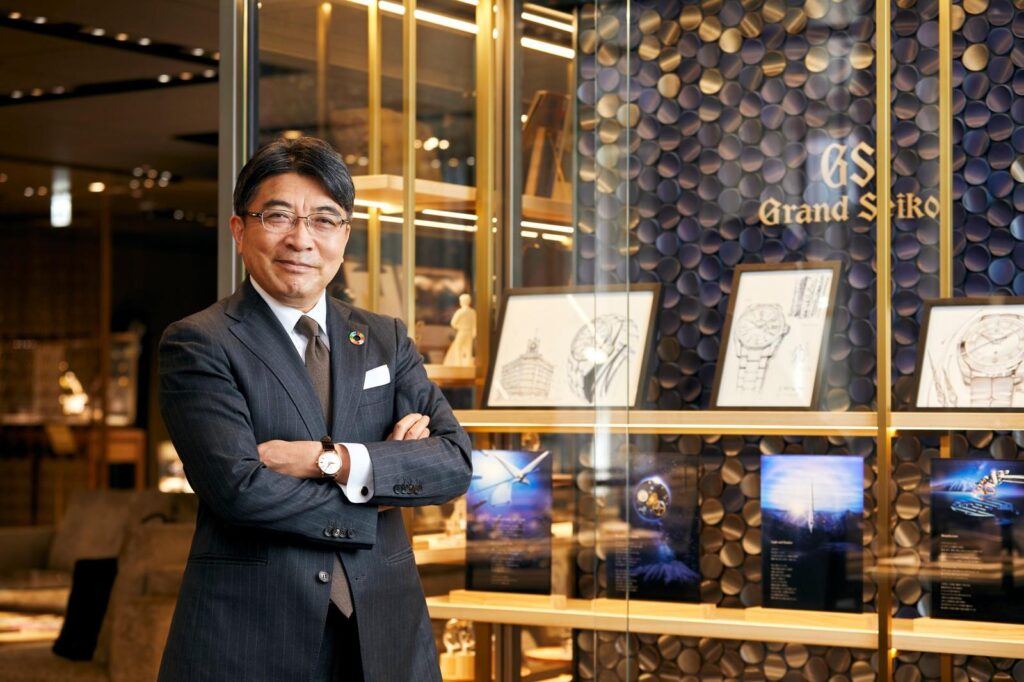
Under president Akio Naito, the group now has three distinct luxury and enthusiast-facing worlds to manage, each with its own identity, price logic and collector following.
At Watches & Wonders in Geneva, that balancing act felt especially clear, with Grand Seiko established as a serious global player and Credor making a rare international push.

At a glance
- Akio Naito is guiding Seiko Watch Corporation through a more clearly defined era for Seiko, Grand Seiko and Credor.
- Credor’s appearance at Watches & Wonders marks a careful step toward greater visibility outside Japan.
- Grand Seiko’s separation from Seiko in 2017 remains central to its growth as a global luxury watch brand.
Credor steps carefully onto a wider stage
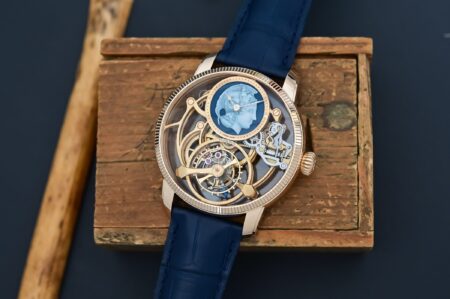
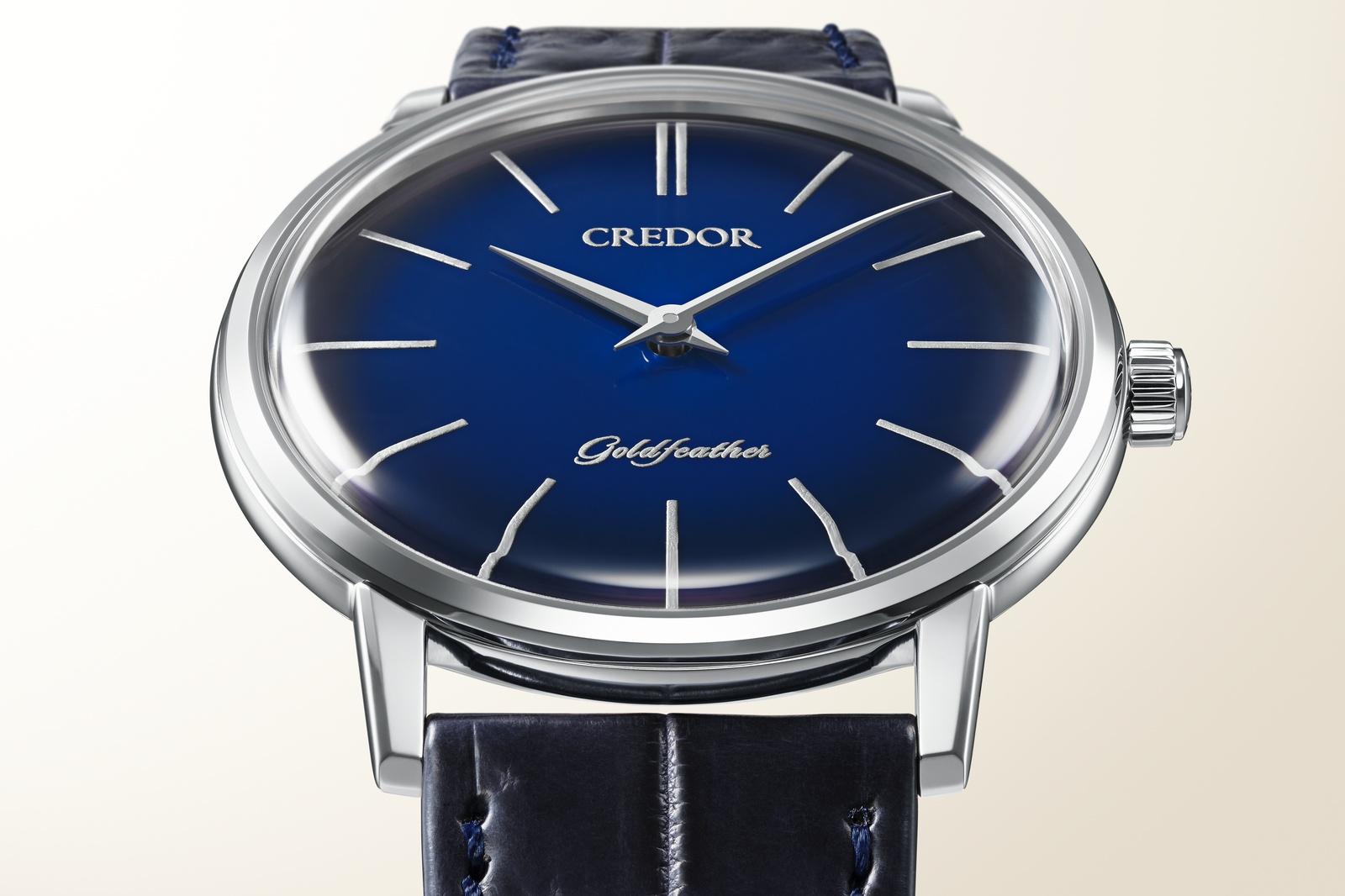
Credor is the name to watch inside the group right now, not because it’s suddenly becoming mass-market, but because it’s doing almost the opposite.
Born in Japan in 1974, Credor has spent more than half a century developing a language of refinement that sits apart from both Seiko and Grand Seiko.
Its presence at Watches & Wonders was significant because the brand has historically had limited visibility outside Japan.

Naito has described Credor as more intensely handcrafted than Grand Seiko, which makes any international expansion slow by necessity rather than strategy alone.
The challenge is production, not demand.
There are only 10 shopfronts outside Japan, including the group’s own boutiques, and the brand’s wider global rollout is expected to happen gradually.
That means Credor is unlikely to become the kind of watch someone casually discovers in a display case overseas and buys on impulse.
For collectors, that scarcity is part of the appeal, though it also means patience will be required.
How Grand Seiko became a global luxury name
Grand Seiko’s rise outside Japan wasn’t instant, even if it can sometimes look that way from the current market.
The name dates back to 1960, but for years international buyers largely associated Seiko with dependable, accessible watches rather than high-end watchmaking.
That created a problem when Grand Seiko began being positioned more assertively outside Japan.
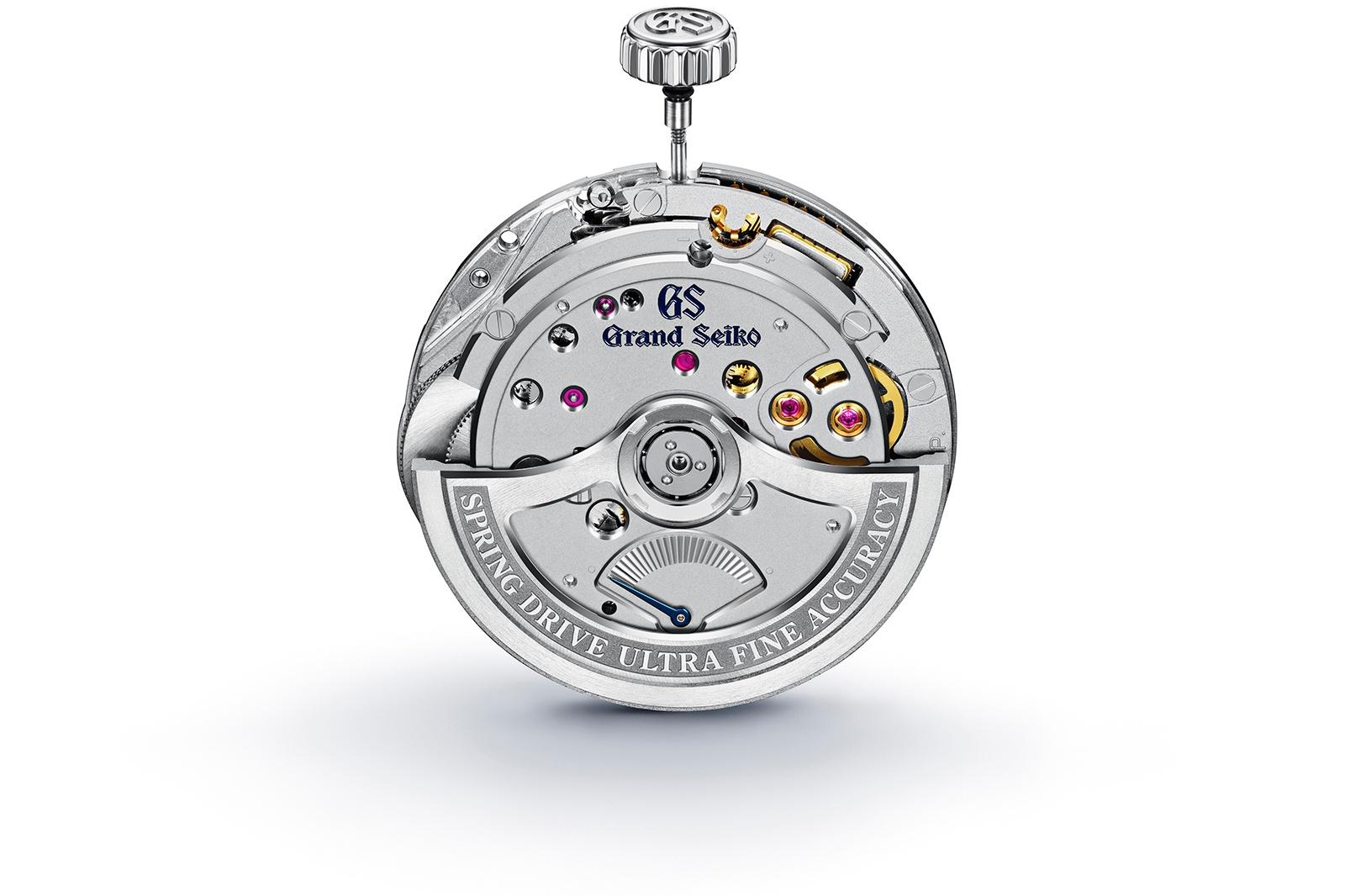
The product had the finishing, movement technology and seriousness to compete at a higher level, but the market needed time to separate it from the broader Seiko identity.

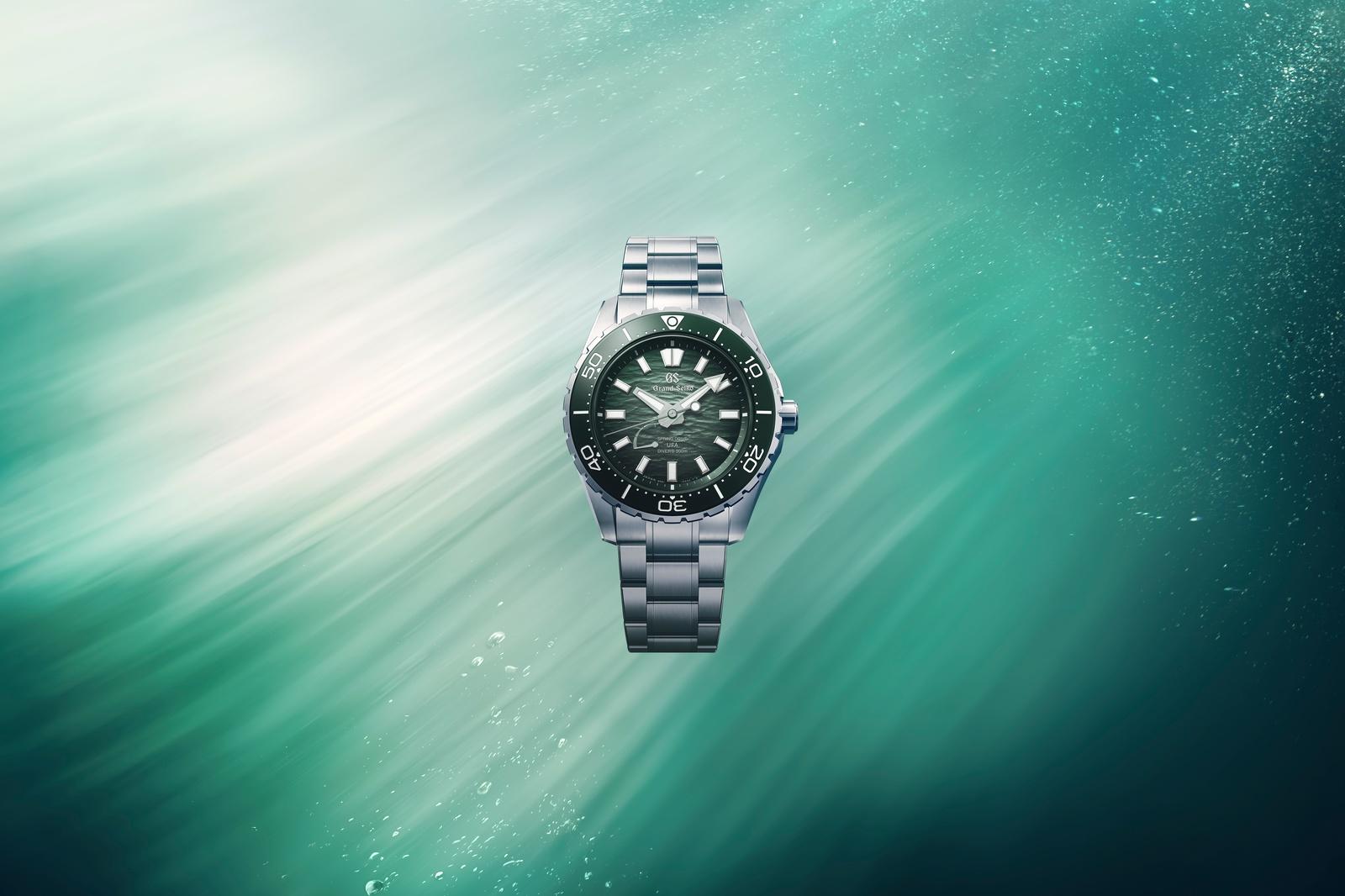
The decisive shift came in 2017, when Grand Seiko was formally separated from Seiko as a distinct brand.
The change was more than cosmetic, although moving the Grand Seiko logo to 12 o’clock was an important visual signal.
Distribution was separated, the positioning sharpened and the brand moved more directly into luxury watchmaking.
Naito has said Grand Seiko’s growth outside Japan in its first five years was around 10 to 12 percent, while the past decade has seen sales outside Japan grow 15-fold.
That trajectory explains why Credor’s timing feels deliberate.
Grand Seiko has now done enough of the hard work internationally for the group to introduce a more artisanal and less immediately universal expression of Japanese watchmaking.
Seiko’s modern ladder now has more rungs
The Seiko name still carries enormous weight among enthusiasts, particularly for its history of accessible mechanical and sports watches.
That same audience has also noticed prices moving upward in recent years.
Naito frames the shift as partly a reflection of broader cost pressures and partly a deliberate widening of the range.

As Grand Seiko moved higher and became more independent, Seiko was left with room to serve buyers who wanted quality mechanical watches without entering the territory occupied by the major luxury names.
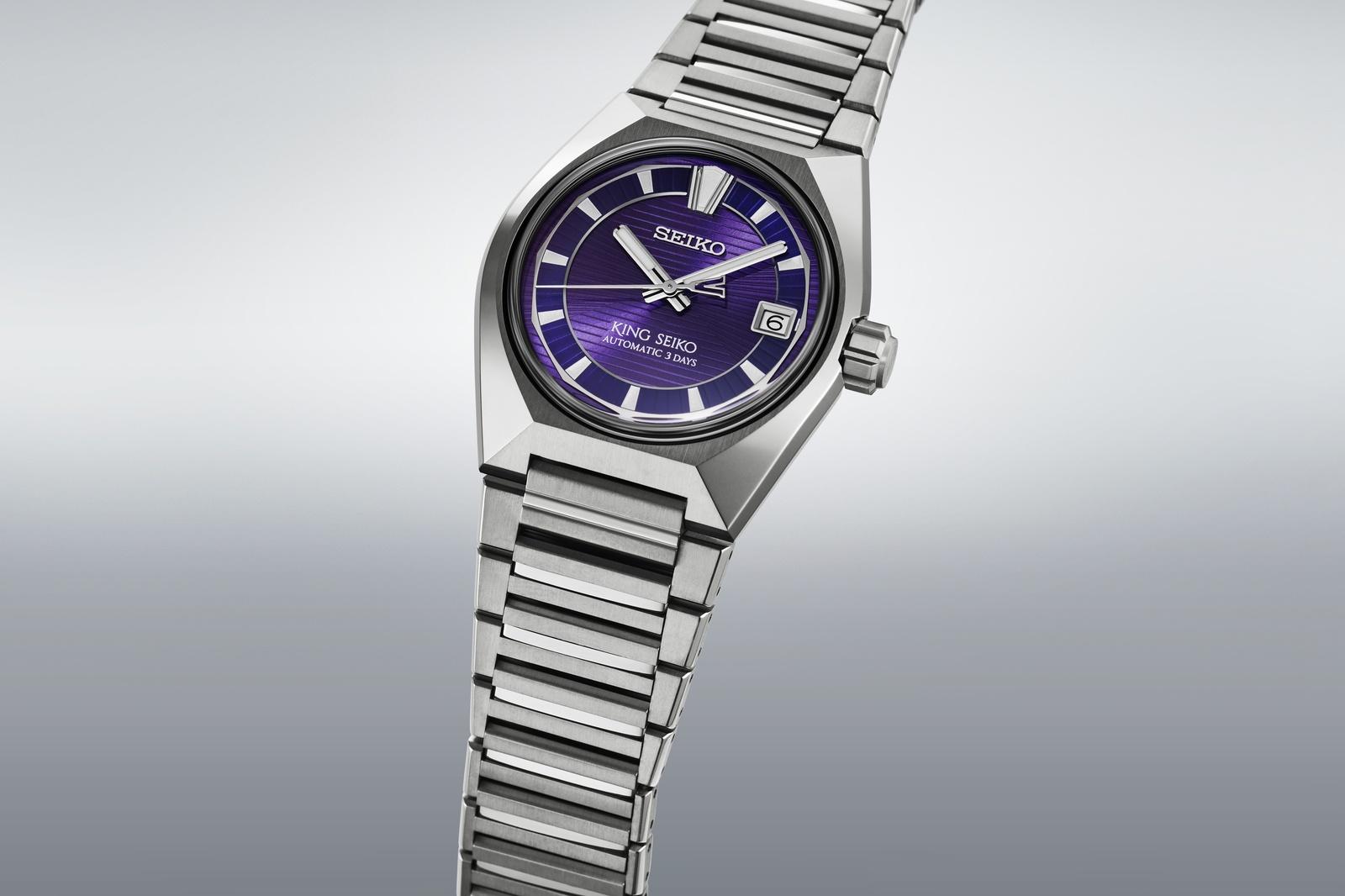
King Seiko has become an important part of that answer.
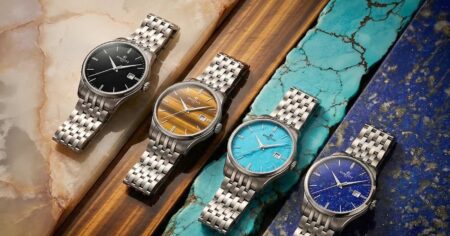
After a successful limited edition in 2021, the modern King Seiko line became a permanent collection in 2022, bringing a mid-century Japanese design language back into regular production.

It sits above much of Seiko’s traditional accessible offering, while remaining below Grand Seiko in both positioning and ambition.
Prospex, Presage and other Seiko ranges continue to fill out the rest of the catalogue, which gives the company a broader ladder than it had when the brand was most strongly associated with affordable tool watches.
King Seiko will remain within Seiko for now
King Seiko’s return has raised an obvious question among collectors.
If Grand Seiko could become independent, could King Seiko eventually do the same?
For now, the answer is no.
Naito has made clear there are no current plans to separate King Seiko from Seiko, even though the line has a strong identity and a meaningful place in the company’s history.
King Seiko was born one year after Grand Seiko, during a period when the group’s Suwa and Tokyo manufacturing arms had a productive internal rivalry.
That backstory gives the name real depth, but the modern strategy is more practical.
King Seiko strengthens Seiko’s upper-middle ground rather than becoming another standalone pillar.
Seen together, the structure now looks increasingly intentional.
Seiko remains the broad and historically accessible foundation, King Seiko gives the brand a sharper mechanical dress-watch proposition, Grand Seiko carries the global luxury identity and Credor represents the most artisanal expression of the group’s Japanese craft.
For collectors, Naito’s message is less about sudden reinvention than careful separation.
The most interesting thing happening inside Seiko Watch Corporation is that its brands are learning to speak more clearly, without losing the shared culture that made them matter in the first place.