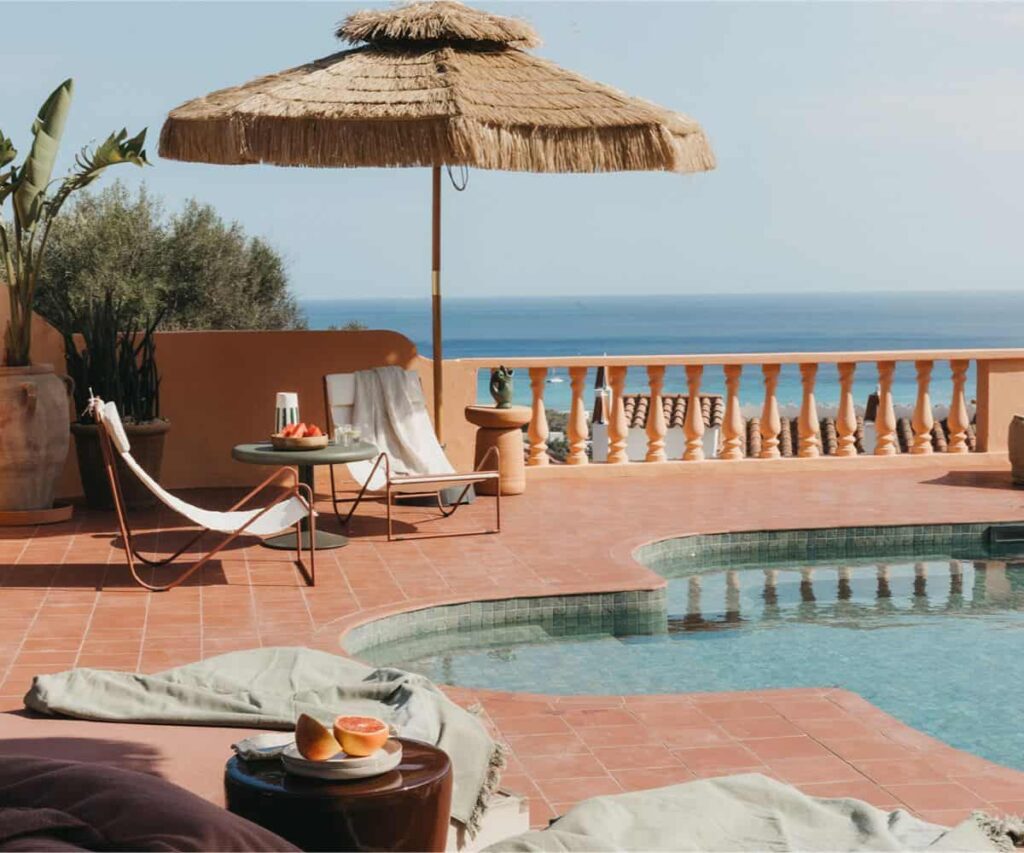
August has long been treated as the default month for a Mediterranean villa holiday, but it’s rarely the easiest or most rewarding one.
September keeps much of the warmth and sea-swimming appeal, while removing many of the irritations that come with peak summer.
For travellers with some flexibility, it can be the point in the season when a villa stay finally feels as relaxed as it looked in the photographs.
At a glance
- September often offers a calmer and more comfortable Mediterranean villa holiday than July or August.
- Travellers can expect thinner crowds, warm seas, easier restaurant bookings and more usable daytime temperatures.
- Villa rates can sit 20 to 30 percent below peak summer pricing, especially during the first three weeks of the month.
The Mediterranean relaxes after August
The most immediate change is the weather, and not in a marginal way.
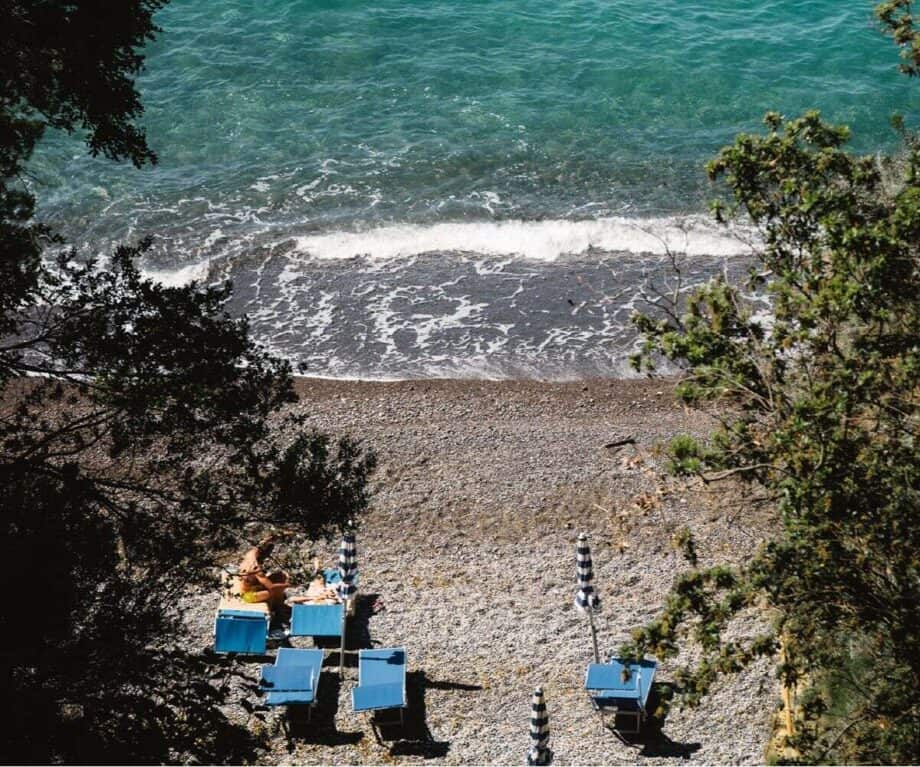
By mid-September, much of the Mediterranean remains warm enough for morning and evening swims, but the punishing heat that can make inland lunches and town walks feel like endurance events has usually softened.
That few-degree drop changes how a day unfolds.
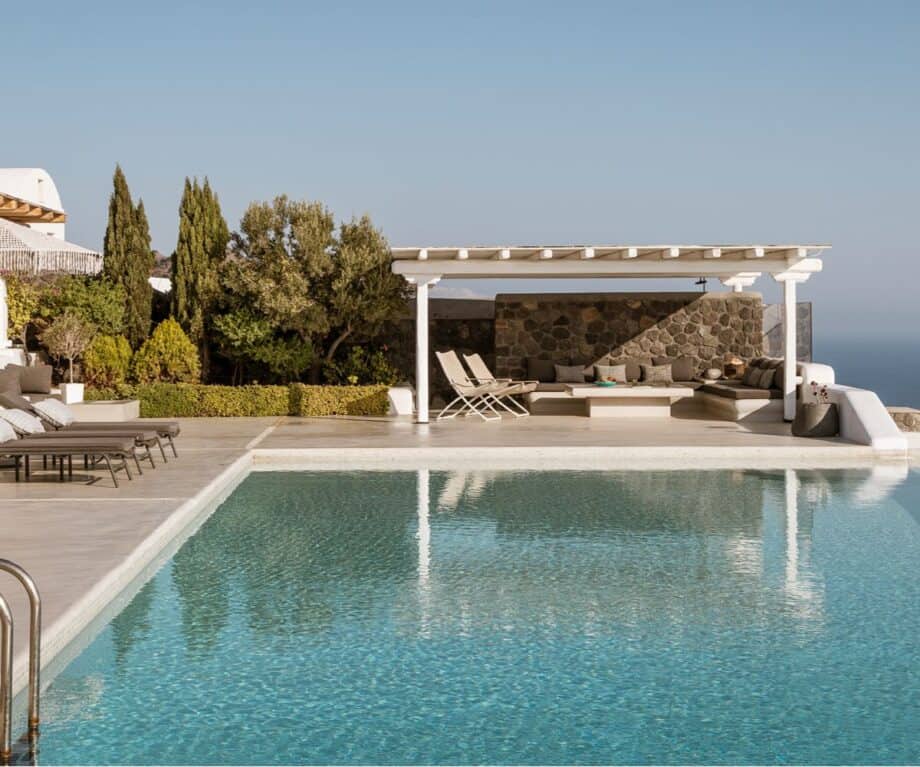
You can linger over lunch outside, walk through a village in the early afternoon, or take children to the beach without planning every movement around shade and cold drinks.
The crowd shift is just as important.
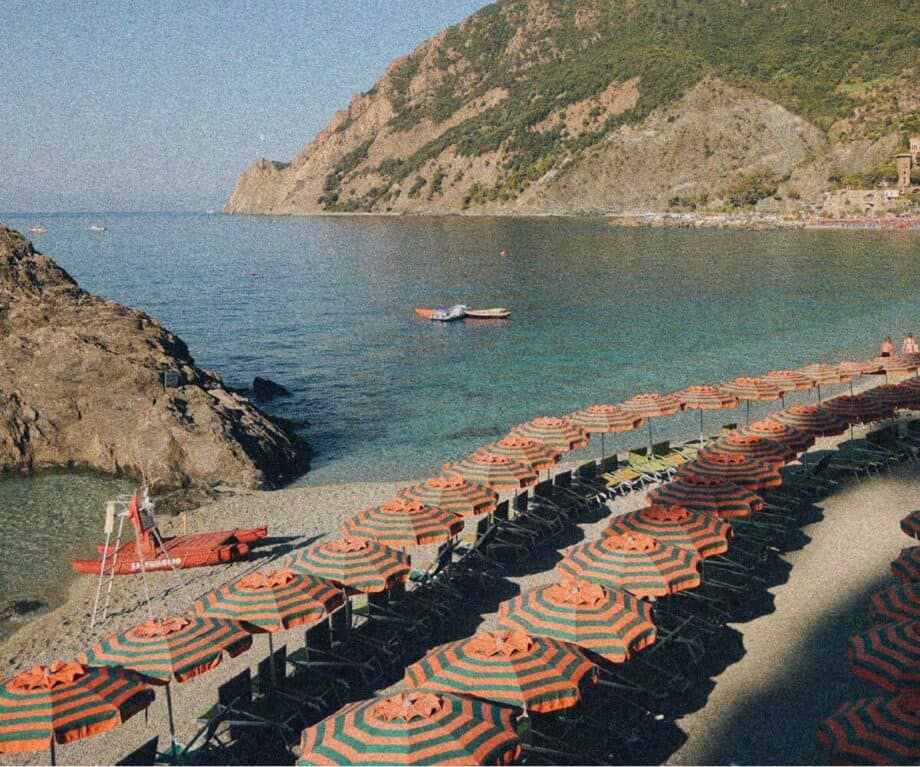
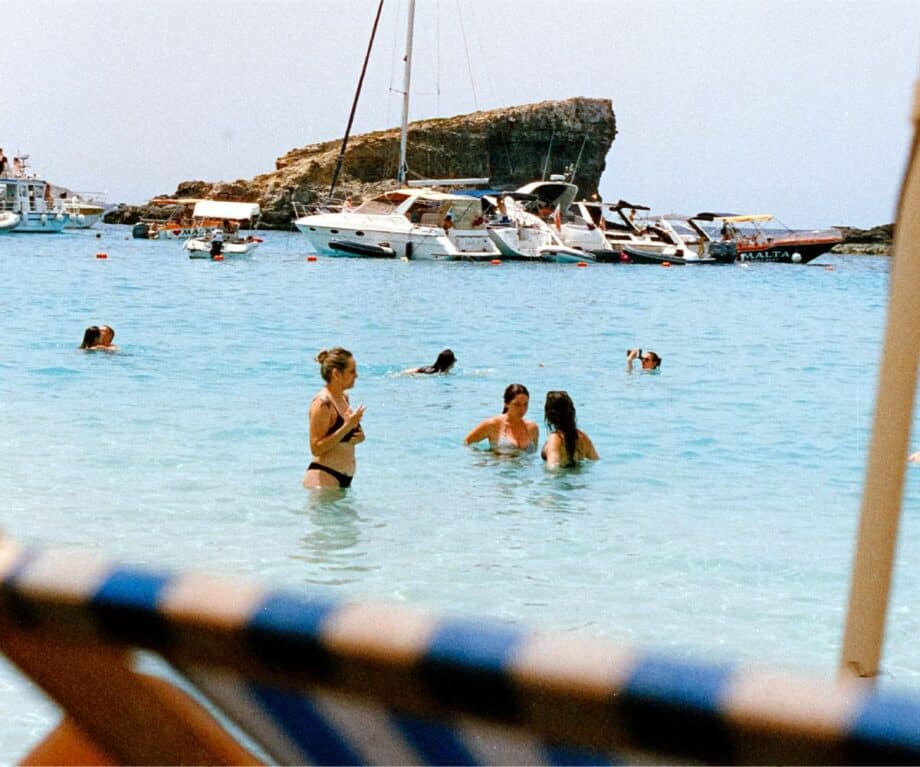
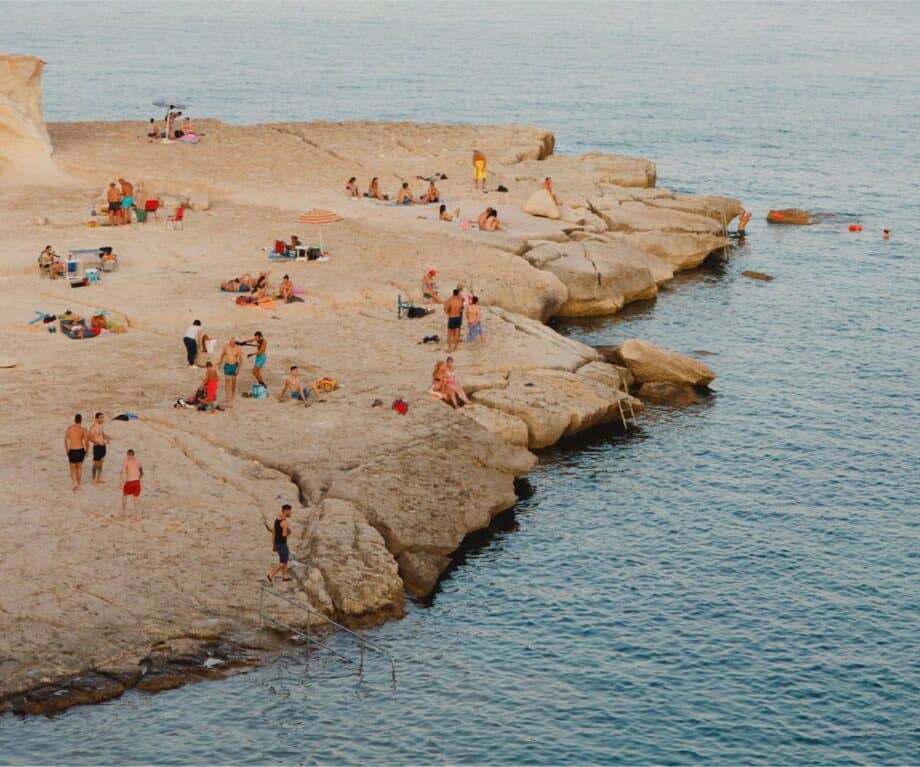
Restaurants that required weeks of planning in August may have space at short notice, popular beaches regain breathing room, and roads that crawled through peak season begin to move properly again.
This isn’t just convenience.
It changes the texture of the holiday, because so much of August’s strain comes from everyone trying to occupy the same beach, book the same table and reach the same old town at exactly the same time.
The pricing window savvy villa guests watch
September also brings one of the clearest value shifts in the luxury villa calendar.
In many Mediterranean destinations, weekly villa rates can fall by 20 to 30 percent compared with peak summer, and occasionally by more for the same property.
The pool, view, layout and staff may be unchanged.
What’s different is the calendar, and that distinction can be worth thousands on a larger villa.
The most useful window is often the first three weeks of September.
Weather and daylight still feel close to summer, while pricing and availability move away from the rigid peak-season model.
Owners and managers may also become more flexible once the main school-holiday block has passed.
Minimum stays can shorten, fixed arrival days may loosen, and properties that were fully booked months ahead can reappear with realistic options.
Where September villa holidays work best
The Greek islands make one of the strongest cases for September travel.
The sea holds its summer warmth, the light becomes softer, and islands such as Lefkada and Kefalonia can move from busy to serene with surprising speed.
Puglia is another strong candidate, particularly around the Salento peninsula.
The intensity of July and August eases, making long dinners outside and day trips through whitewashed towns far more pleasurable.
Tuscany and Umbria arguably come into their own in September.
The improved weather coincides with harvest season, bringing grape picking, early olive activity and food markets that feel rooted in daily regional life rather than peak-season performance.
The South of France can hold its appeal well into early autumn, especially inland around the Luberon.
Early autumn light is part of the draw there, giving villages, vineyards and stone houses a gentler quality than high summer’s harder glare.
Croatia needs a little more precision.
Dubrovnik and the busier sections of the Dalmatian coast remain lively well into September, but quieter islands may see restaurants, beach clubs and ferry services wind down earlier than expected.
The same caution applies to smaller Adriatic resorts with a short operating season.
Before falling for a secluded villa, it’s worth confirming ferry timetables, local restaurant openings and transfer options with the property manager.
How to plan a September villa stay properly
The property search itself doesn’t need to change dramatically, but the questions do.
Ask what remains open locally during your intended week, how easy restaurant bookings usually are, and whether the area feels lively, quiet or genuinely sleepy after the first weekend of September.
For families, the decision often comes down to school calendars.
Where term-time travel is possible, September can offer a calmer and better-value family villa holiday than the crowded August alternative.
It’s still important to check school policy before committing.
For younger children especially, the practical benefits can be significant, with less heat, fewer queues and more space to enjoy the pool, beaches and towns without the high-season crush.
Travellers should also resist assuming every Mediterranean destination follows the same rhythm.
A villa outside a lively town in Kefalonia or near a Tuscan market village may feel ideal in September, while a remote beach property on a smaller island could feel too quiet if seasonal services have already tapered off.
The best September villa bookings balance privacy with access.
A beautiful house is still the centrepiece, but the surrounding restaurants, shops, beaches and connections determine whether the trip feels effortless.
September rewards travellers who care less about saying they went in peak summer and more about how the holiday actually feels once they arrive.
For many Mediterranean villa stays, that trade is easy to justify.