Volkswagen Group has a problem most carmakers would rather have, but it’s still a serious one.
Its cars are selling, yet the company isn’t earning enough from them, and CEO Oliver Blume is now making the case for a much leaner business across one of the world’s biggest automotive portfolios.
That could mean fewer models, sharper priorities and a workforce reshaped around profitability rather than sheer scale.

At a glance
- Volkswagen Group is pushing for deeper cost cuts as popular models fail to generate sufficient returns.
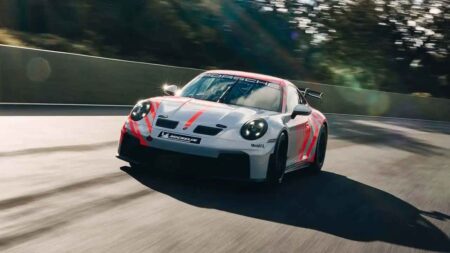
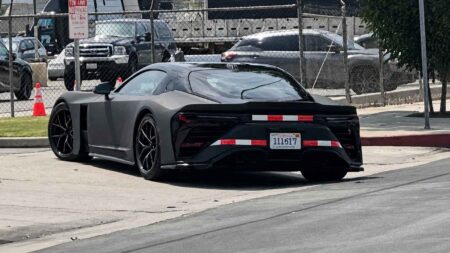
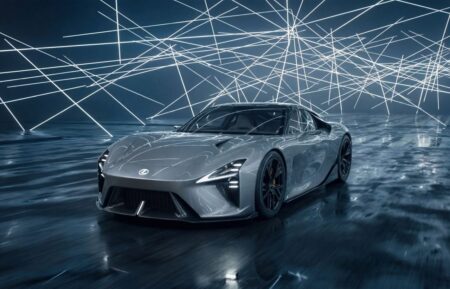
- The company may significantly reduce its model range across brands including Audi, Porsche, Lamborghini, Bentley and Skoda.
- Job cuts already announced at 50,000 roles could potentially go further, with much larger figures being discussed but not confirmed.
A profitability problem rather than a demand problem
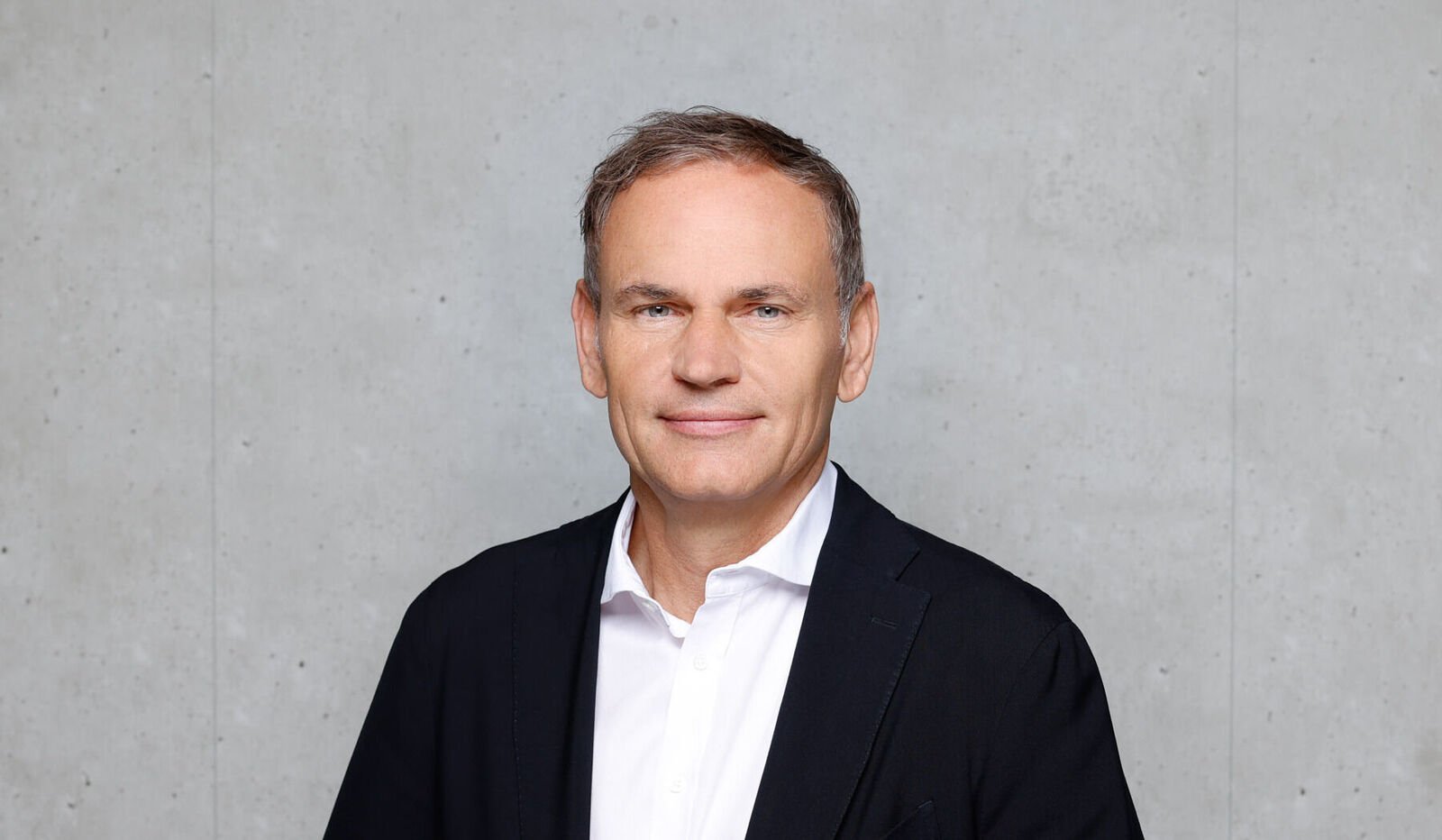
Blume’s message is unusually direct for a company of Volkswagen Group’s size.
“Our products are very popular—but we’re not making enough money on them,” he said, adding that the company needs to reduce costs “across all cost categories.”
That distinction matters because VW isn’t framing this as a simple sales slump.
The issue is the margin behind each car, and in a market moving through electrification, stricter regulation and high development costs, volume alone isn’t enough protection.
For a group that covers everything from Skoda family cars to Lamborghini supercars and Bentley grand tourers, the challenge is deciding which nameplates justify their engineering, manufacturing and marketing spend.
A smaller model range across a sprawling empire
Volkswagen Group is preparing to streamline a product portfolio that has grown enormously over decades.
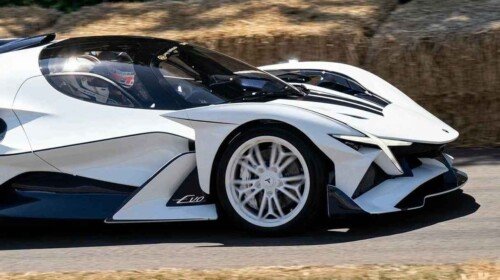
The cuts could reach as much as half of its models across the wider group, though the exact shape of that plan has not been publicly detailed.
Blume has framed the strategy around selling more of fewer models, rather than trying to maintain a broad catalogue for every market and niche.
“In the future, we want to increase sales per model,” he said. “To achieve this, we are consistently streamlining our product portfolio.”
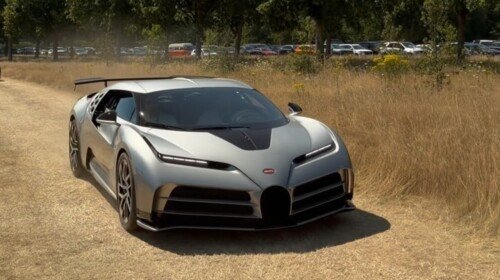
That approach could have very different consequences depending on the brand.
At Audi, it may mean a tighter spread of saloons, SUVs and electric models.
At Porsche, Lamborghini and Bentley, the calculation is more delicate, because exclusivity and product cadence are part of the business model.
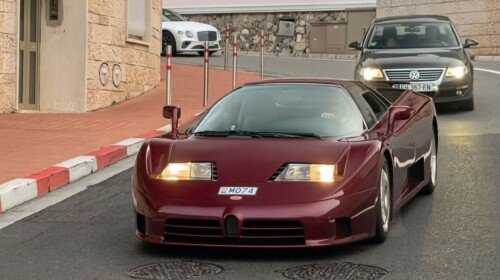
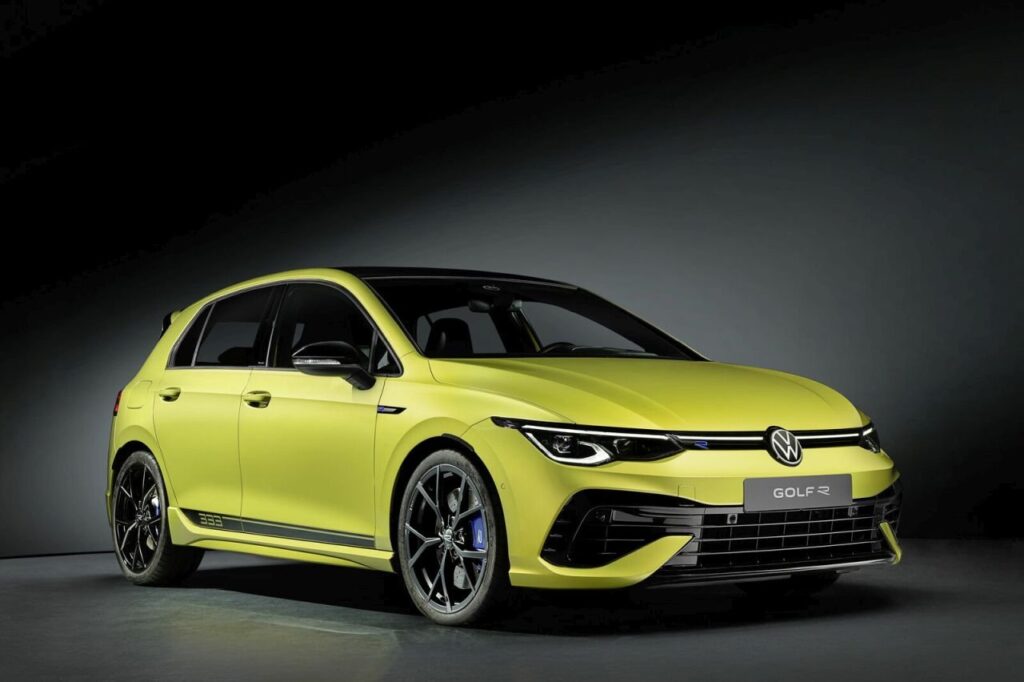
For Skoda and the broader VW brand, the pressure is likely to fall on complexity, overlap and the cost of supporting multiple body styles or closely related models.
Why the luxury and performance brands matter
The inclusion of Porsche, Lamborghini and Bentley in the broader discussion is especially notable because these brands typically carry stronger pricing power than mass-market divisions.
They also require heavy investment, particularly as high-performance cars move deeper into hybrid and electric architectures.

Lamborghini, for example, is already moving into a new era, with its next model expected to be a four-seat hybrid GT rather than a traditional manual sports car.
That says plenty about where the business is heading.
Even the emotional end of the car market now has to satisfy emissions rules, platform strategy and return-on-investment targets.
For enthusiasts, this could make future product planning more focused, but it may also mean fewer niche derivatives and fewer low-volume experiments.
The workforce question is getting larger
The human side of the restructuring could be the most difficult part of Volkswagen Group’s next chapter.
The company has already announced 50,000 job cuts, but much larger numbers have entered discussion, with figures as high as 120,000 being raised without confirmation.
That scale would mark a profound shift for a company deeply tied to German manufacturing, European supply chains and the identity of several major car brands.
Cost reductions of this size are rarely limited to one department or one country.
They tend to affect engineering, production, administration and the wider supplier network, especially when paired with a thinner model lineup.
Volkswagen Group is not short of desirable cars, recognisable badges or global reach.
The harder question is whether its vast structure can be made profitable enough for the next phase of the car industry, where every model will have to earn its place more convincingly than before.