Mykonos has a way of turning a wedding idea into something dangerously specific.
A couple sees a terrace, a sweep of Aegean blue, a certain evening light, and suddenly no other place will do.
That instinct is understandable, but the island is far less spontaneous than it looks once July and August arrive.
The difference between a beautiful Mykonos wedding and a stressful one usually comes down to decisions made long before the invitations go out.
At a glance
- Mykonos weddings require early planning because the island’s best private venues are often committed 12 to 18 months ahead.
- Guest travel, accommodation, transfers, catering and weather planning matter as much as the ceremony setting.
- High season brings extraordinary atmosphere, but limited availability and island logistics leave little room for improvisation.
The terrace you want may already be gone
The most desirable wedding venues in Mykonos are not simply pretty places with a view.
They need space for a ceremony, room for dinner, access for suppliers, power, service infrastructure and enough operational flexibility to handle a private event without turning the evening into a compromise.
Those venues are limited, and the best of them are often secured 12 to 18 months in advance.
That timeline becomes even more important for couples fixed on a summer weekend, a particular sunset-facing terrace or a guest list large enough to rule out smaller villas and restaurants.
A March enquiry for a September wedding isn’t always impossible, but it narrows the field quickly.
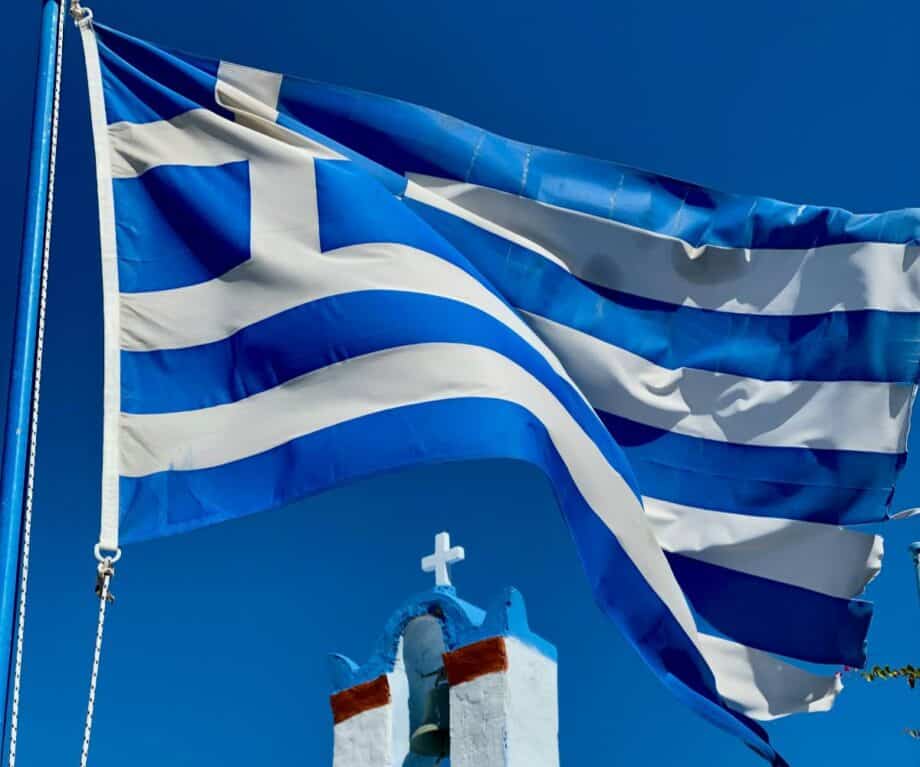
Couples who begin with a fixed venue, fixed date and fixed guest count often discover that one of those three things has to move.
Mykonos is a guest logistics project
It’s easy to underestimate the complexity of bringing 80 or 150 people onto an island at the height of the European summer.
Guests may arrive through Athens and continue by ferry or domestic flight, while others may fly directly into Mykonos, where summer demand and airport constraints can make timing more delicate than expected.
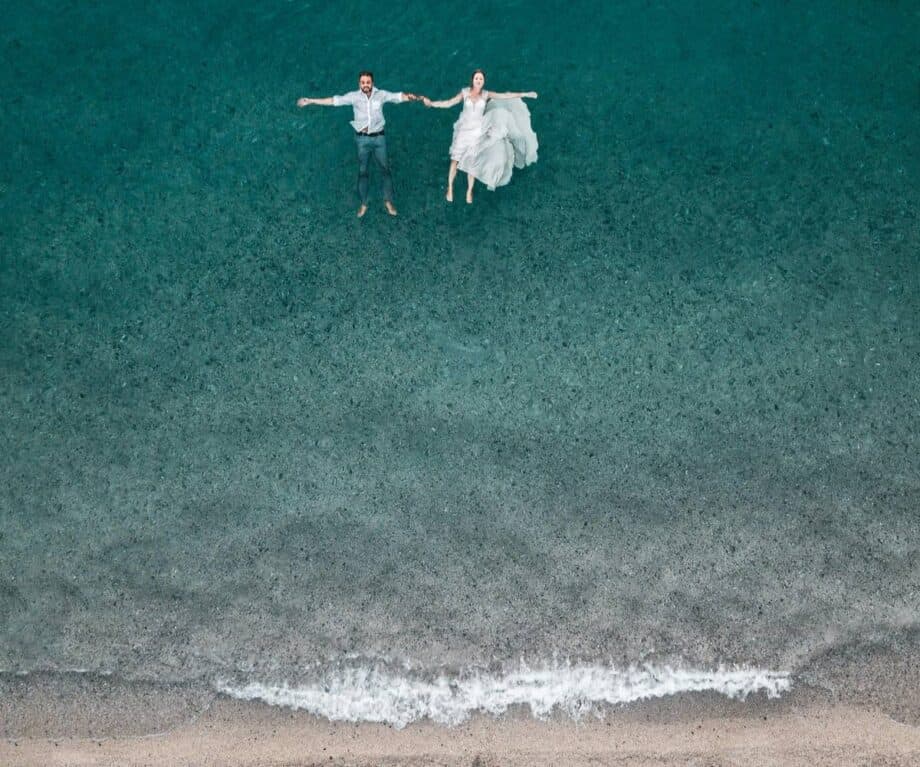
The wedding day is only one part of the movement plan.
Guests need somewhere to sleep, transport from airport or port, transfers to and from the venue, and enough clarity that they don’t spend the weekend improvising in a place where taxis, rooms and tables are already under pressure.
Accommodation should be planned alongside the venue rather than treated as something guests can solve later.
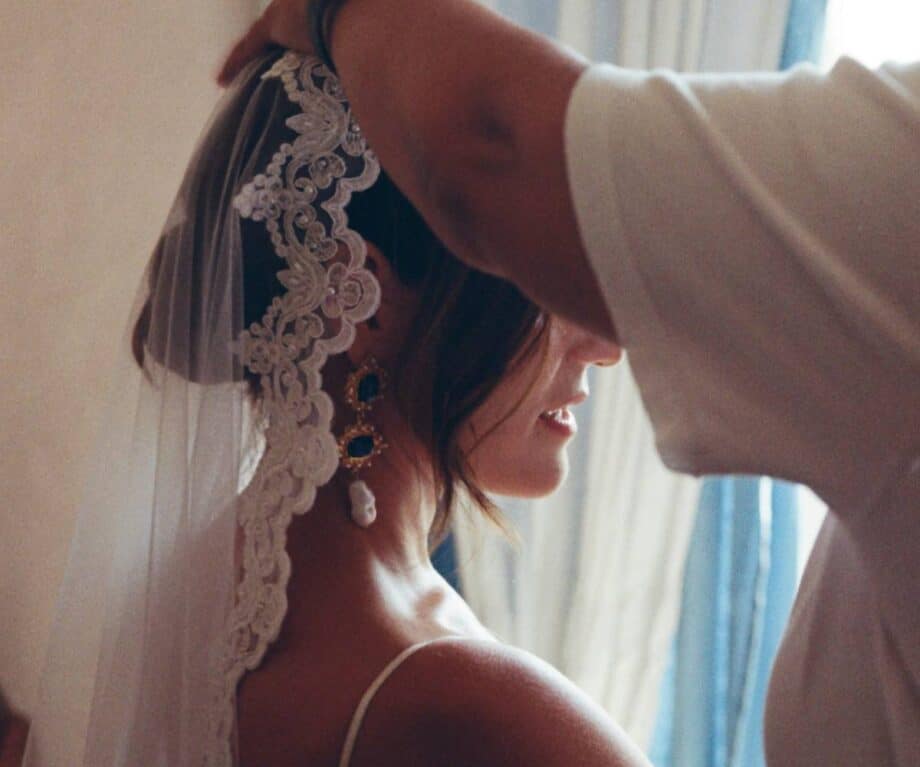
In high season, the hotel inventory that suits a luxury wedding party disappears quickly, and scattering guests across the island can create problems that only become visible on the day.
The Meltemi changes the schedule
The Cycladic wind is part of the island’s character, but it’s also part of the event plan.
The Meltemi can be strong in the afternoon during the summer months, which matters if the ceremony is planned on an exposed terrace with no windbreak.
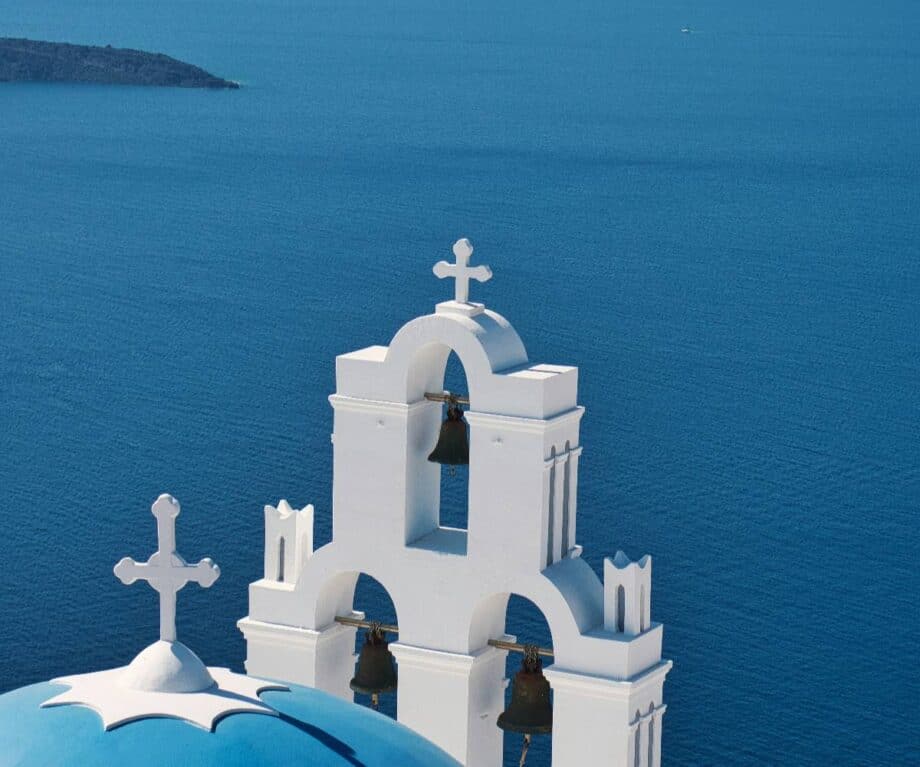
Evening often brings calmer, warmer conditions, making dinner and reception timings more forgiving.
This is why a Mykonos schedule should be designed for the island as it actually behaves, not for how it appears in photographs.
Weather planning is not about pessimism.
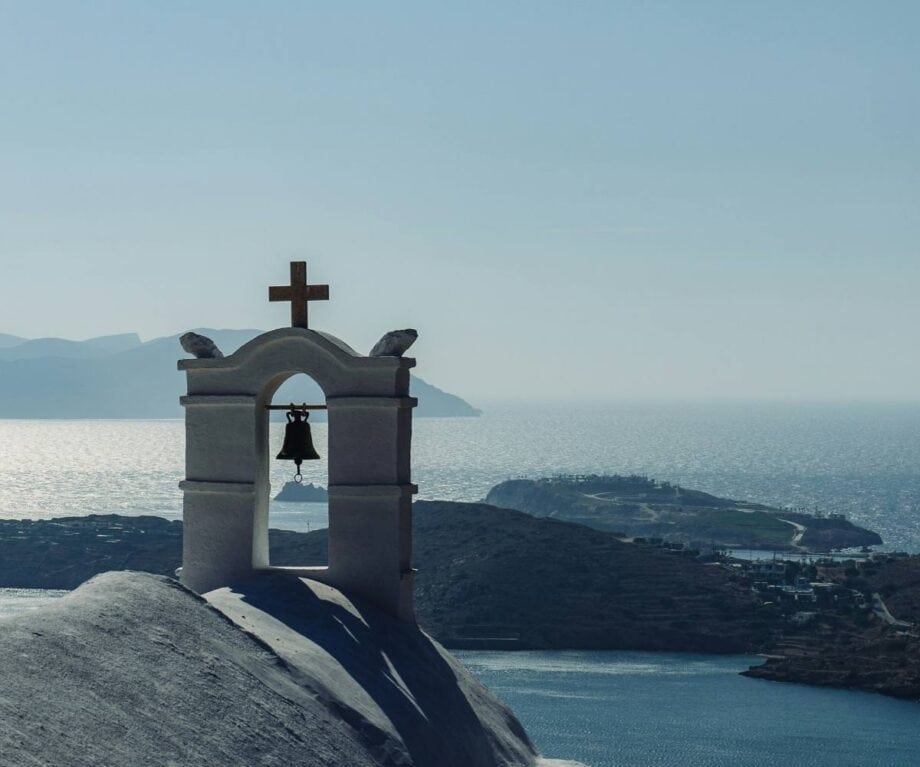
It’s about knowing whether the ceremony hour, the layout, the sound setup, the flowers and the table design can survive the conditions without constant adjustment.
Suppliers are part of the island puzzle
Mykonos has excellent event talent, but the island’s best weddings depend on relationships and coordination rather than last-minute sourcing.
A serious seated dinner for a large wedding is not the same as a good meal at a beach restaurant.

It requires a catering team that can handle structured service, timing, staffing, equipment and the pressure of an evening where everything has to land at once.
Flowers and many high-quality event elements often come from Athens, which adds another layer of transport planning in peak season.
None of this is unmanageable, but it has to be treated as part of the design from the beginning.
The couples who fare best are not necessarily the ones with the biggest budget.
They’re the ones who understand that Mykonos is a small island with global demand, and that the best version of the wedding is built by securing the right pieces early.
A Mykonos wedding can still feel effortless to the guests, which is exactly the point.
Behind that ease, though, is a timeline, a transport plan, a weather-aware schedule and a venue chosen not only for how it looks at sunset, but for how well it works when the whole night depends on it.