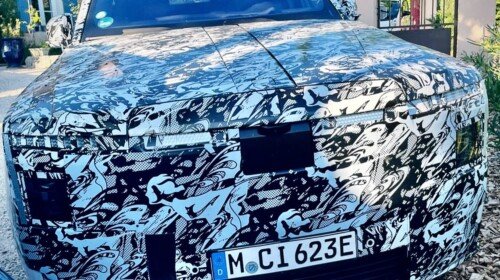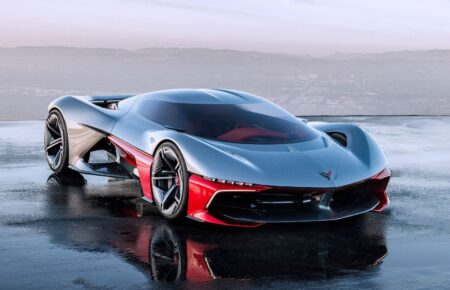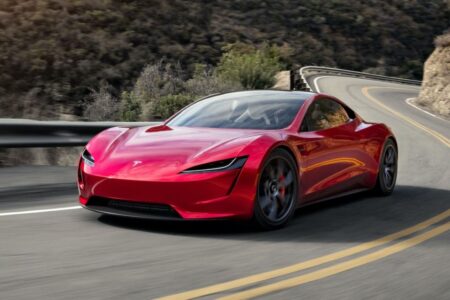
The next Tesla Roadster has spent years as one of the most talked-about unfinished chapters in the electric performance world.
Now, ahead of its expected October 1 reveal, a newly published patent offers a useful glimpse at the kind of aerodynamic thinking Tesla may be exploring for the car.
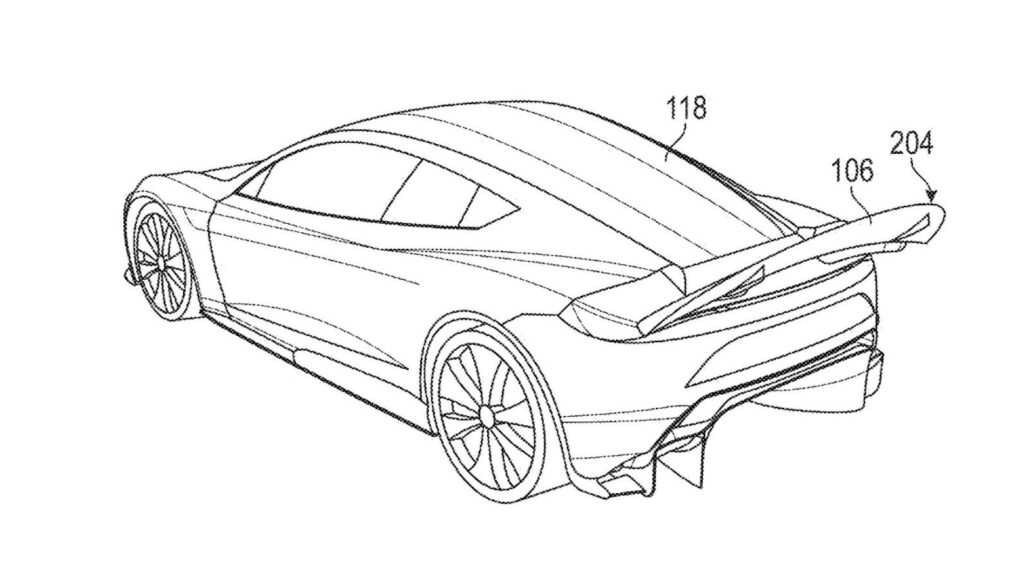
The patent describes an active rear wing that doesn’t just move for performance, but could also respond to safety systems if a collision is detected.
At a glance
- Tesla has patented an active aerodynamic rear wing that could be linked to the upcoming Roadster.
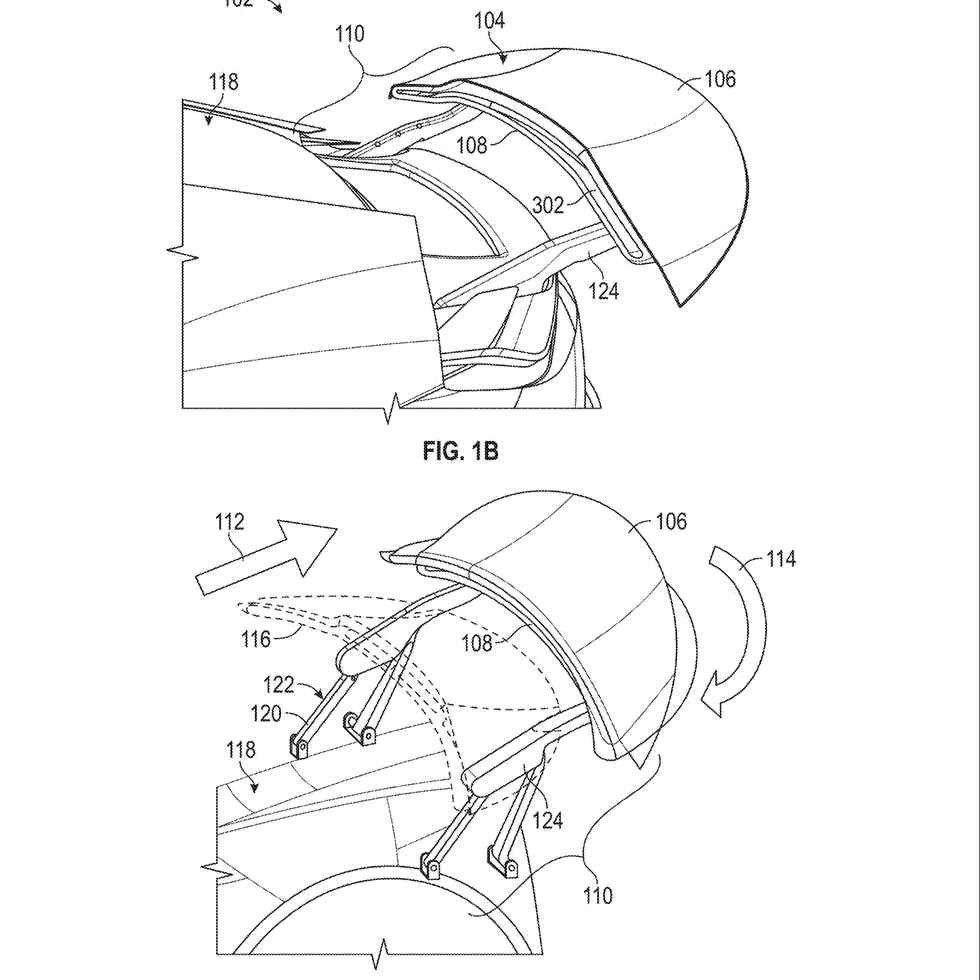
- The wing is designed to sit flush, extend for downforce, pivot to reduce drag and retract before an impending impact.
- The long-awaited electric sports car is expected to be revealed on October 1.
A Roadster aero idea with more than one job
Active aerodynamics are hardly new in the performance-car space, but Tesla’s patent is interesting because it frames the rear wing as a multi-function device rather than a simple deployable spoiler.
When it isn’t needed, the wing would sit flush with the surrounding bodywork, preserving the clean surface treatment expected of a modern EV.
When the car demands more grip, the wing could extend to generate additional rear downforce.
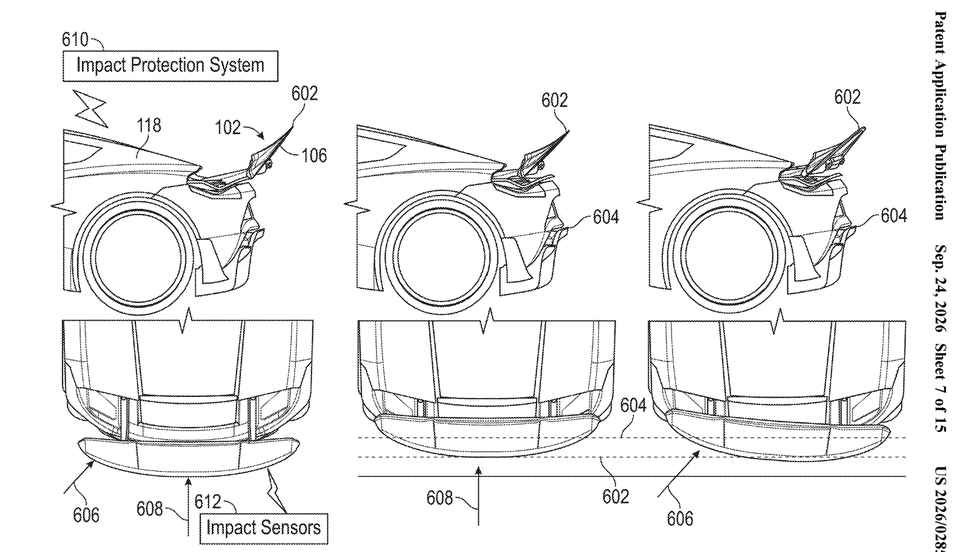
At higher speeds, it could also pivot to reduce aerodynamic drag, helping the car prioritise efficiency or straight-line performance depending on the driving situation.
Retracting before impact
The most unusual detail is the wing’s potential connection to the car’s driver-assistance systems.
The patent describes a setup in which the rear wing could retract if the vehicle detects an impending collision, potentially reducing the chance of damage to the mechanism.
That idea fits neatly with Tesla’s broader habit of tying hardware behaviour to sensor data and vehicle software.
Rather than acting as a standalone aerodynamic component, the wing could form part of a wider control system that reacts to speed, grip demands, drag targets and safety information.
What it could mean for the long-awaited Tesla Roadster
The Roadster has always been pitched as a statement car, so an active aero system with this level of integration would suit its positioning.
Electric performance cars face a different set of aerodynamic priorities from combustion supercars, particularly when balancing cooling needs, range, stability and high-speed efficiency.
A flush-fitting wing that appears only when needed would give Tesla room to maintain a low-drag shape while still adding downforce during more aggressive driving.
As with any patent, there’s no guarantee the system will appear unchanged on a production car.

Still, the timing makes it one of the more intriguing clues about the Roadster’s final form as Tesla prepares to show the car.
Details & Specifications
| Brand | Tesla |
|---|---|
| Model | Roadster |
| Vehicle type | Electric sports car |
| Confirmed feature in patent | Active aerodynamic rear wing |
| Aero functions | Flush stowage, downforce deployment and drag-reducing pivot movement |
| Safety-related function | Potential retraction when an impending collision is detected |
| Reveal timing | October 1 |
If Tesla brings this idea to the finished Roadster, it would add a genuinely clever layer to the car’s aerodynamic package, one that treats the rear wing as both a performance tool and a software-controlled component of the vehicle’s wider operating logic.