Luxury is increasingly being shaped by how a product or place makes people feel, not only by how it looks or what it costs.
That shift sits at the heart of an upcoming evening at The Sensory Lab, where Sensory Experiences will welcome long-standing client and collaborator David Leary for a conversation on new forms of luxury.
Taking place on Thursday 12 November, the event will look at how sensory design, digital craft and emerging technologies can create more adaptive experiences for brands, products and customers.
At a glance
- Sensory Experiences will host David Leary at The Sensory Lab for a conversation on the future of luxury experience design.
- The discussion will focus on digital craft, multi-sensory design and emotionally intelligent experiences that respond to mood, moment and state of mind.
- The event is set for Thursday 12 November at The Sensory Lab, with further details available through Sensory Experiences.
A sharper lens on future luxury
The evening is built around a timely question for luxury brands: how can experience become more personal, more responsive and more emotionally attuned?
Leary’s background gives the conversation a clear automotive and design-led anchor.
In his role as Head of Creative User Experience Design, he is described by the organisers as having taken Bentley’s first electric vehicle, the Torcal, from initial vision through to launch.
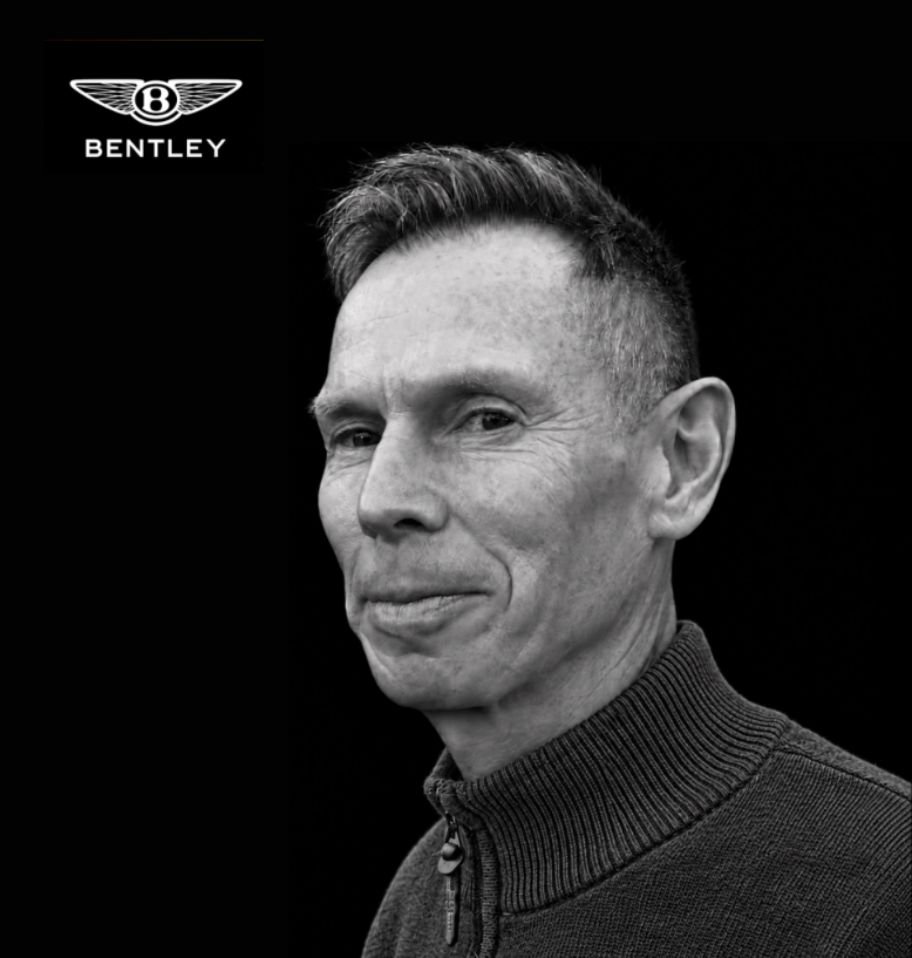
That experience places him at the intersection of product ambition, digital interface and human feeling, which is where much of modern luxury is now being contested.
The focus won’t simply be technology for its own sake.
The more interesting territory is how emerging tools can support experiences that elevate moods, moments and states of mind.
Inside The Sensory Lab
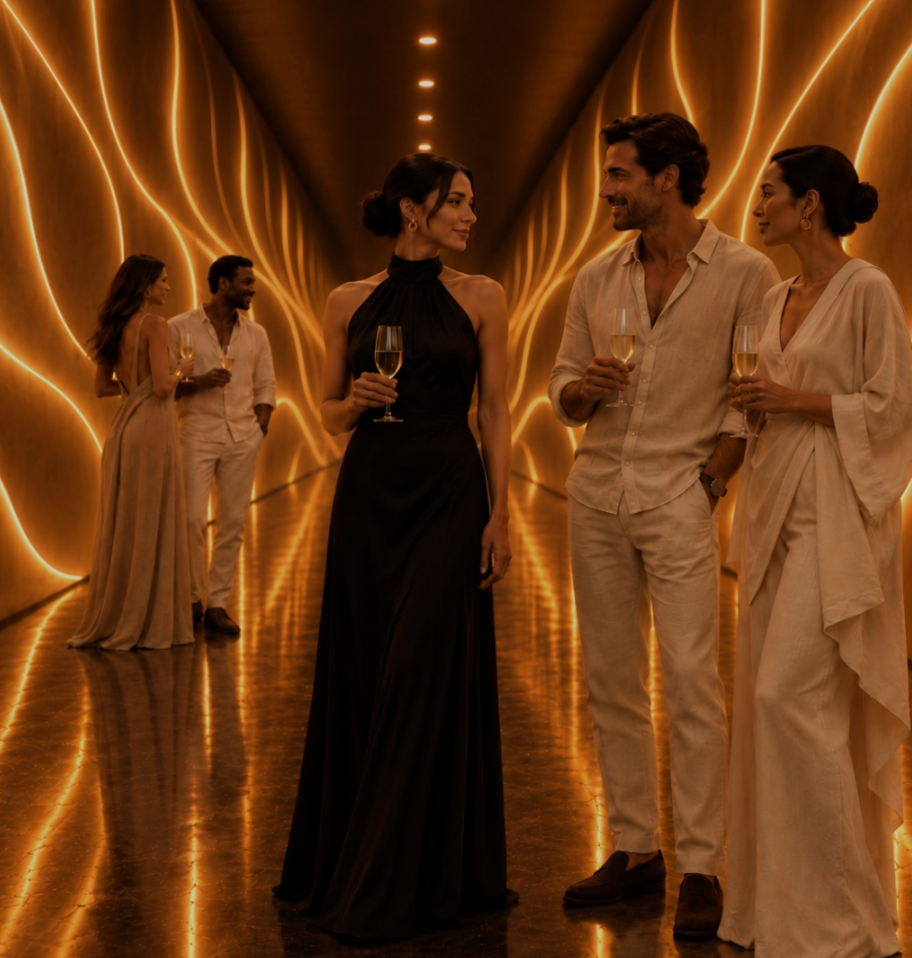
The venue matters here, because The Sensory Lab is not a conventional event space.
It belongs to Sensory Experiences, a company that has worked in the commercial application of multi-sensory design since 2007.
Its approach is described as neuroscience-led, bringing multiple senses into the design process to create deeper and more memorable experiences.
The company’s exclusive Lab and research CAPSULE provide dynamic, controllable sensory environments for bespoke studies and experiential research events.
That controlled setting gives the discussion a practical edge, especially for brands looking beyond visual identity and product specification as the main carriers of luxury value.
Multi-sensory design as brand strategy
For luxury houses, hospitality groups, automotive brands and product teams, sensory design is becoming a strategic discipline rather than a decorative layer.
Sensory Experiences positions its work across research, strategy and design, using multi-sensory thinking to enhance customer engagement and heighten emotional connection.
The commercial argument is straightforward.
In competitive markets, brands need experiences that are not only recognisable, but memorable in the body and mind.
Sound, scent, touch, light, temperature and spatial rhythm can all shape how a customer remembers a product or a place.
When those cues are considered with care, they can help differentiate brands in ways that feel less forced than conventional messaging.
Why this conversation feels current
The luxury sector is moving through a period of recalibration, with digital expectation, electrification, personalisation and wellbeing all changing what customers value.
Leary’s involvement brings a useful perspective from advanced user experience design, especially in a category where technology has to feel intuitive rather than intrusive.
The strongest luxury experiences are often the ones that remove friction without flattening character.
That balance between craft and intelligence is likely to be central to the evening’s discussion.
For designers, strategists and brand leaders, the appeal is less about trend-spotting and more about understanding how emotion can be deliberately designed into future experiences.
As luxury becomes more adaptive, sensory thinking may prove to be one of its most important creative languages.