Dreame’s brief and unlikely move into the supercar world has taken a sharp turn.
The Chinese company, best known for vacuum cleaners and home appliances, is winding down its Starry Sky automotive project after only about a year in the car business.
It was an unusually bold detour for a consumer-tech brand, not least because its headline concept promised numbers that would make even established hypercar makers pause.
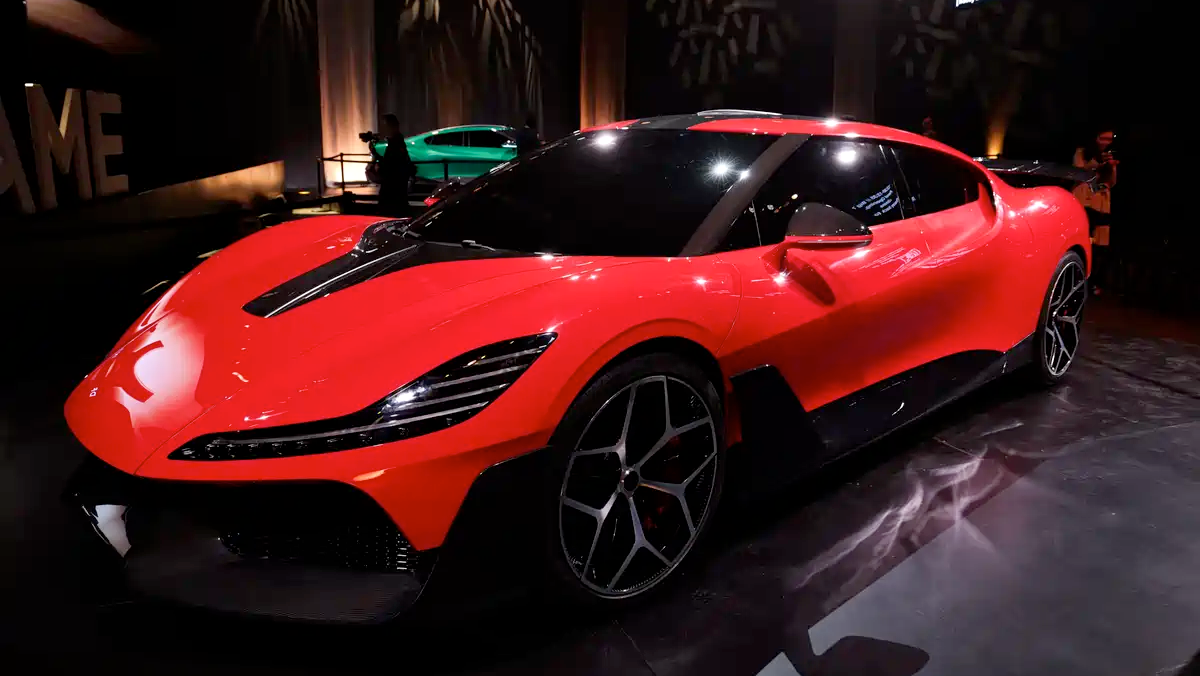
At a glance
- Dreame is winding down its Starry Sky car project after a short-lived push into electric supercars.
- The Nebula Next 01 Jet Edition was promoted with a claimed 0-62 mph time of 0.9 seconds and a sulfide-based solid-state battery.
- The company is now refocusing on its established appliance, robotics and electric mobility businesses.
The promise behind the Nebula Next 01 Jet Edition
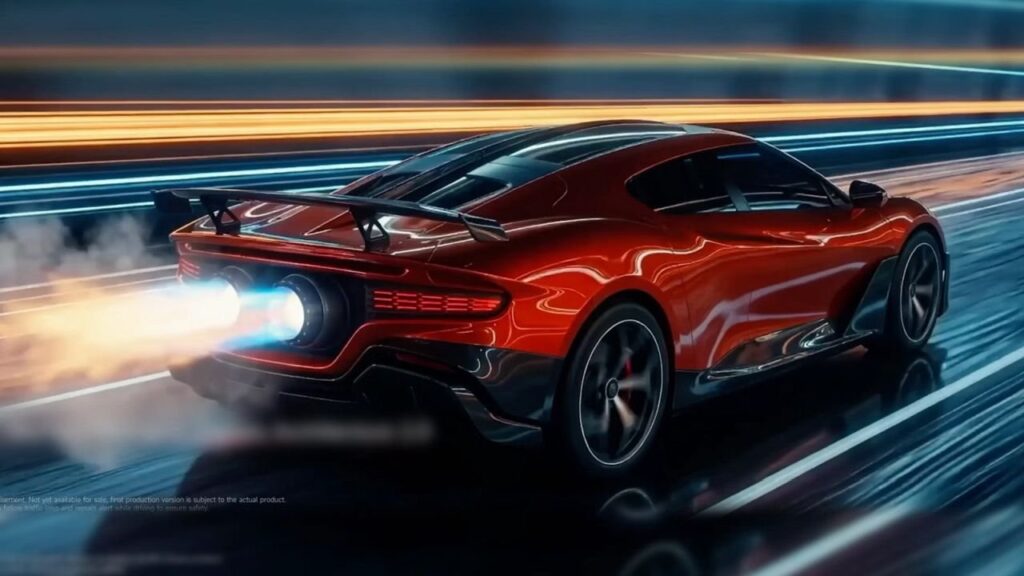
Dreame’s automotive idea centred on the Nebula Next 01 Jet Edition, a concept nicknamed the “Rocket Car”.
The claim that drew the most attention was a 0-62 mph time of just 0.9 seconds, a figure so extreme that it immediately placed the project in the realm of theoretical performance rather than conventional production-car engineering.
The battery claim was similarly ambitious.
Dreame promoted a sulfide-based solid-state battery with energy density above 450 Wh/kg, paired with a claimed CLTC driving range of more than 550 km, or 341 miles.
On paper, those figures suggested an electric performance car with extraordinary acceleration and serious range, though the gap between a showpiece claim and a road-ready vehicle is rarely small.
Marketing momentum met engineering reality
The project now appears to have collapsed before it could become a credible production programme.
Former employees have alleged that much of the effort was directed toward visibility and fundraising rather than the deeper engineering work needed to create a finished car.
One prototype shown at CES was said to have lacked a conventional chassis and to have been moved remotely, which would underline how early-stage the physical development still was.
That doesn’t make the ambition uninteresting.
It does, however, show how difficult it is for a non-automotive brand to cross from compelling concept theatre into the costly, regulated and unforgiving business of building cars.
Starry Sky winds down after rapid expansion
Dreame’s car division had grown quickly, at one point employing close to 1,000 people.
Layoffs began in May, and only a few dozen staff are now said to remain to handle supplier matters, company closures and the final administrative work around the Starry Sky project.
That is a dramatic retreat for a business unit that had positioned itself around some of the most aggressive performance claims in the electric-vehicle sector.
For China’s fast-moving EV scene, the episode is also a reminder that high acceleration figures and advanced battery language are not enough to establish a car company.
Details & Specifications
| Brand | Dreame |
|---|---|
| Project | Starry Sky automotive project |
| Concept model | Nebula Next 01 Jet Edition |
| Nickname | Rocket Car |
| Claimed acceleration | 0-62 mph in 0.9 seconds |
| Battery claim | Sulfide-based solid-state battery above 450 Wh/kg |
| Claimed range | More than 550 km CLTC, or 341 miles |
| Division size | Nearly 1,000 employees at its peak |
| Current status | Project being wound down |
Dreame returns to more familiar ground
With the car project ending, Dreame is turning its attention back to categories where it already has a clearer identity.
That includes vacuum cleaners, robotic lawnmowers, two-wheeled electric vehicles and robots.
For supercar observers, the Nebula Next 01 Jet Edition will likely remain a curious footnote in the electric performance race, a spectacular promise that never made the much harder leap into production.