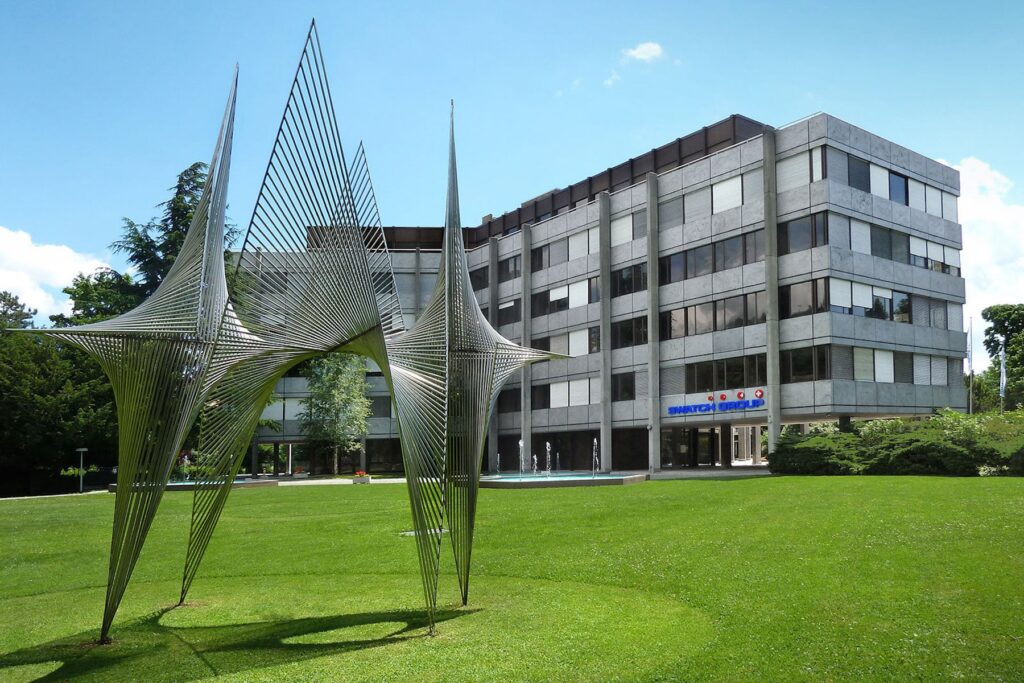
Swatch Group has delivered the kind of first-half figures the Swiss watch industry has been waiting to see from one of its biggest names.
After sales fell in both 2024 and 2025, the owner of Omega, Breguet, Longines, Tissot and Hamilton is back in positive territory, with growth led by a stronger second quarter and sharper momentum late in the period.
The numbers matter beyond one balance sheet, because Swatch Group sits across nearly every important price tier in Swiss watchmaking, from accessible watches to prestige complications.
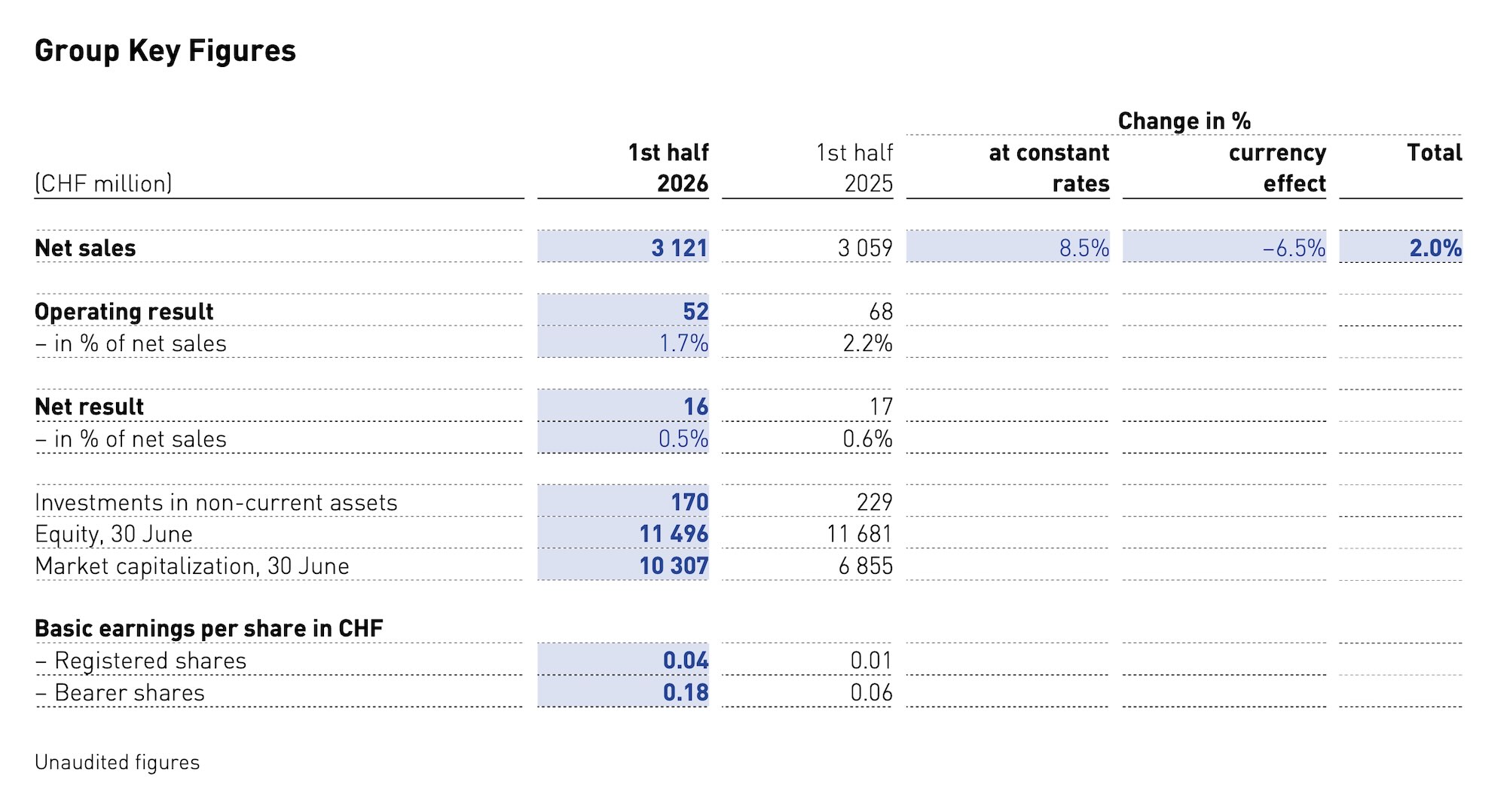
At a glance
- Swatch Group sales rose 8.5% at constant exchange rates in the first half of 2026.
- Growth accelerated in May and June, with Omega retail up 20% and several mid-range brands posting double-digit gains.
- Currency pressure limited growth at current rates to 2%, with first-half sales reaching CHF 3.121 billion.
A rebound after two difficult years
The turnaround follows two consecutive years of contraction, with sales down 12% in 2024 and 7% in 2025.
For the first six months of 2026, Swatch Group recorded CHF 3.121 billion in sales, compared with CHF 3.059 billion over the same period in 2025.
The headline increase was stronger when measured at constant exchange rates, where sales climbed 8.5% for the half year.
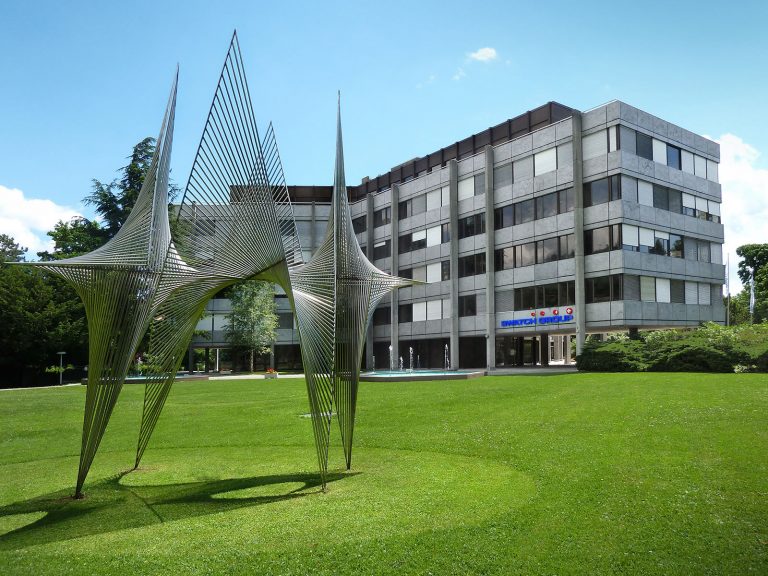
Second-quarter momentum was slightly higher again, with sales up 9.4% at constant exchange rates.
The Swiss franc remains a significant drag on the numbers, with negative currency effects of nearly CHF 200 million reducing growth at current rates to 2%.
Regional demand is broadening again
In the Watches & Jewellery segment, excluding production, sales rose 9.5% at constant exchange rates across every continent.

The United States was one of the clearest bright spots, with sales up 27%.
Europe also contributed strongly, including a 28% rise in Spain and a 12% increase in Italy.
Asia and Oceania moved in the same direction, with Japan up 20%, South Korea up 12% and Australia up 5%.
China, including Hong Kong SAR and Macau SAR, posted 9% growth, a notable development in a market that has been closely watched across the luxury sector.
Omega, Breguet and the mid-market brands lead the story
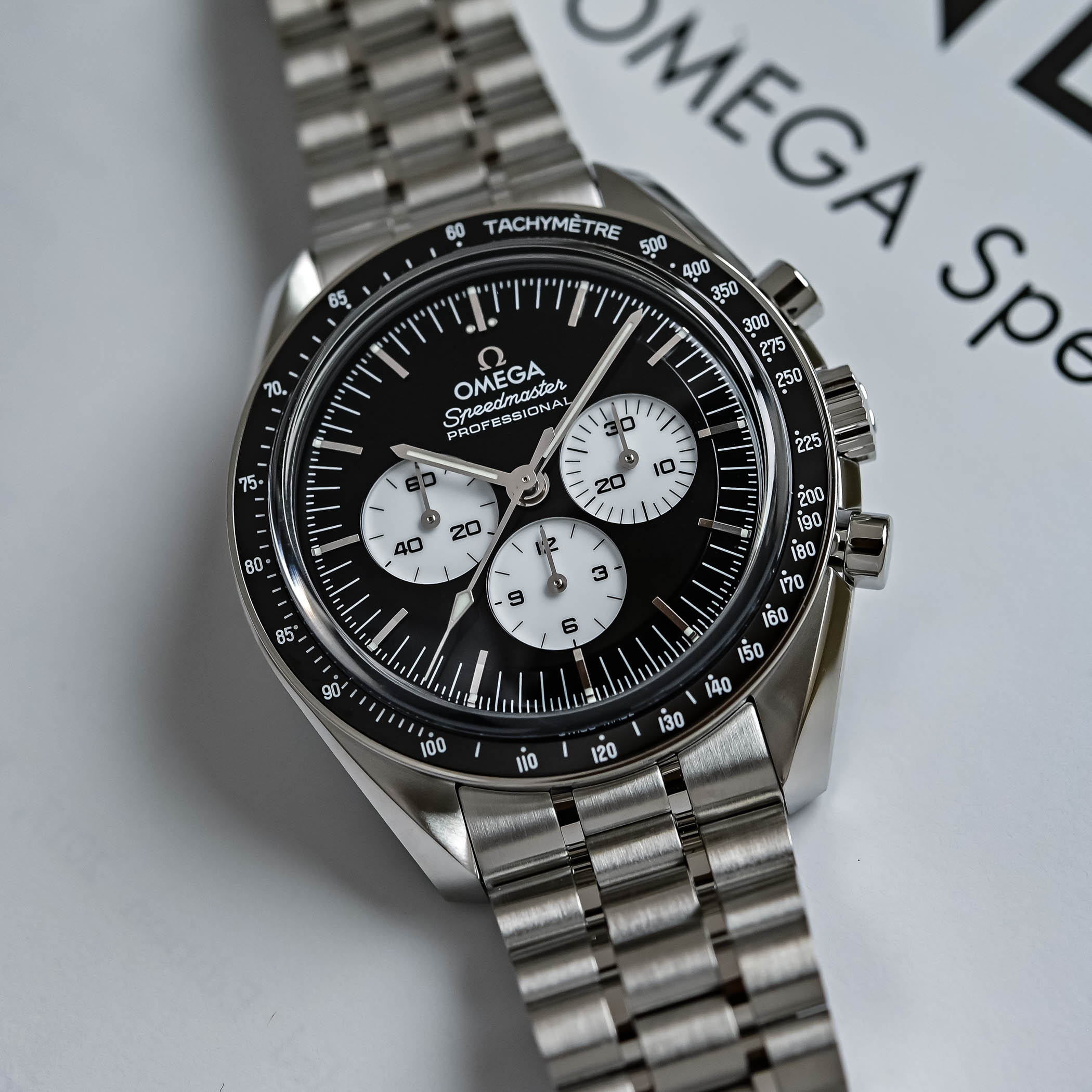
Omega was among the standout performers, with retail sales up 20% at constant exchange rates.
That matters because Omega is one of Swatch Group’s most globally visible brands and a key indicator for the group’s position in the premium segment.
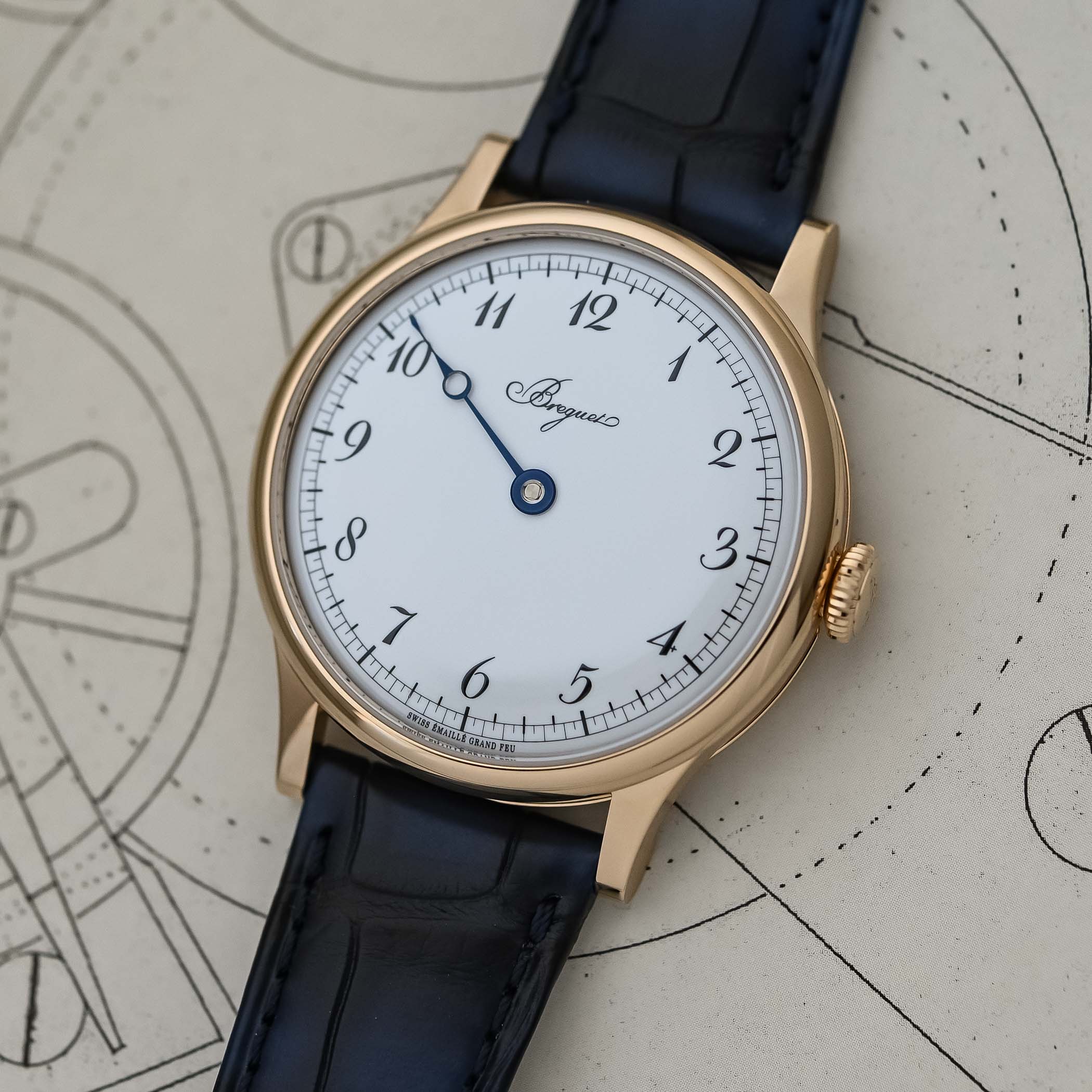
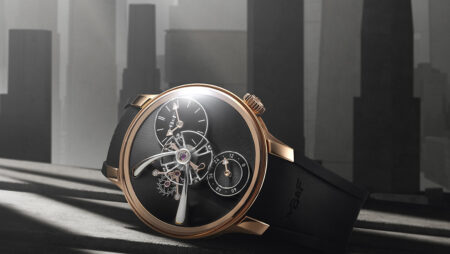
Breguet also had a strong first half, helped by innovation around its 250th anniversary year and continued attention from high-end collectors.
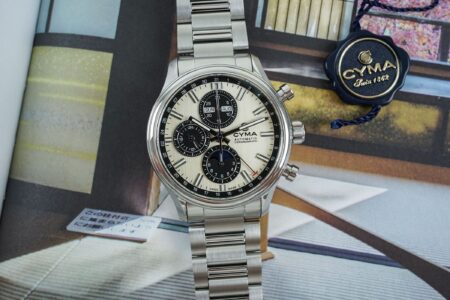
Further down the pricing ladder, Longines, Tissot and Hamilton all delivered double-digit turnover increases.
Those gains suggest the recovery isn’t limited to prestige watchmaking, but is also being supported by entry-level and mid-range demand.
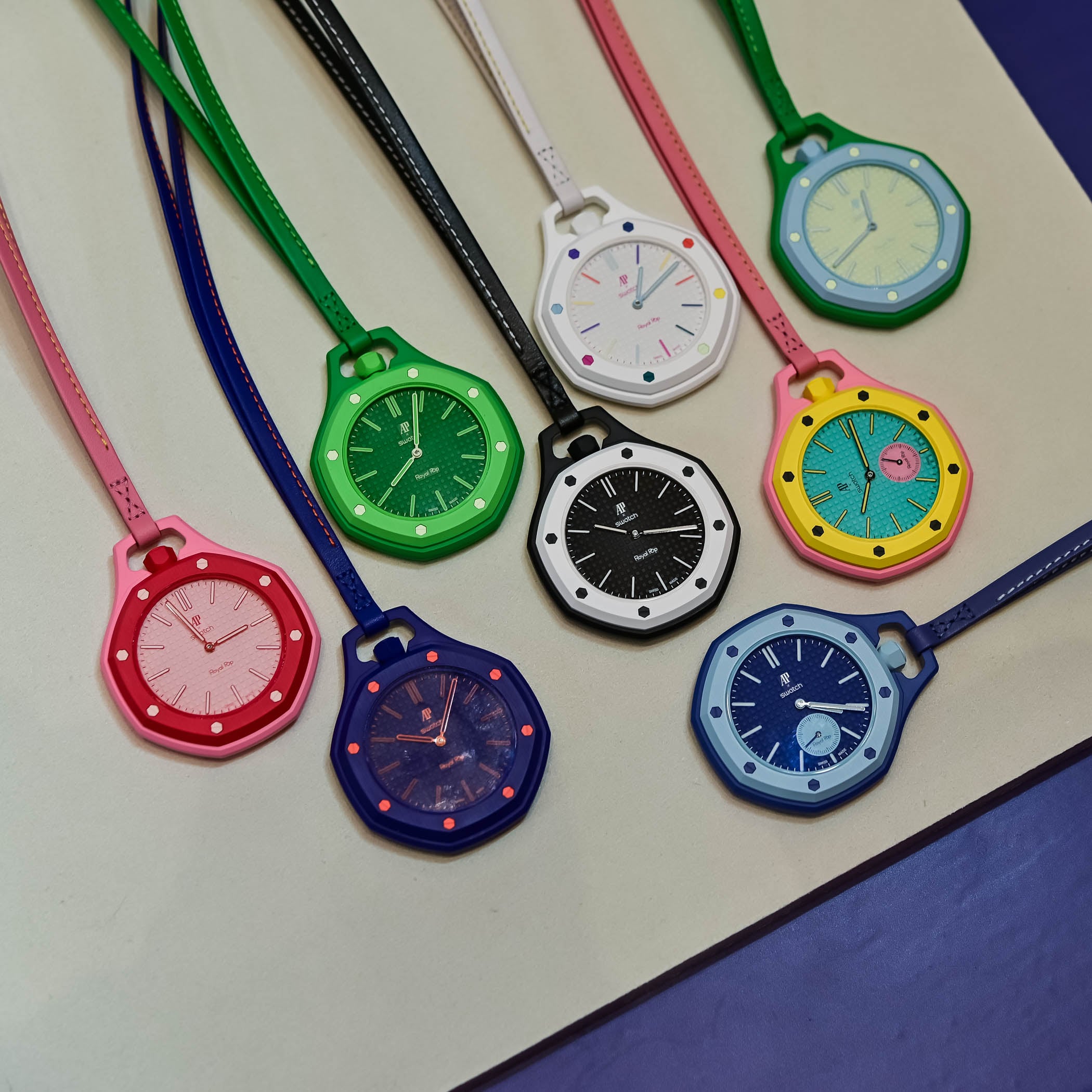
The Audemars Piguet x Swatch collaboration added a different kind of momentum, generating more than 25 billion social media views since launch.
The second half now carries higher expectations
The late-period acceleration is the detail investors and watch industry observers will watch most closely.
Sales strengthened in May and June, and that improvement continued through the first weeks of July.
Geopolitical uncertainty in the Middle East and currency pressure remain real complications, but the first-half numbers give Swatch Group a noticeably firmer position than it held a year ago.
For collectors and retailers, the more interesting signal is that the group’s recovery appears to be coming from several parts of the portfolio at once, rather than from a single brand or region.
If that pattern holds through the second half of 2026, Swatch Group’s comeback will look less like a brief rebound and more like a meaningful reset for one of Swiss watchmaking’s most influential companies.