CroisiAfrica’s southern Africa journey is not a conventional cruise, and that is precisely the point.
The route begins in Johannesburg before moving by air, boat, road and foot toward the river landscapes around Botswana, Namibia, Zambia and Zimbabwe.
Across the opening days, the itinerary shifts from apartheid history to crocodile-haunted waterways, elephant country and village life on the Caprivi Strip.
At a glance
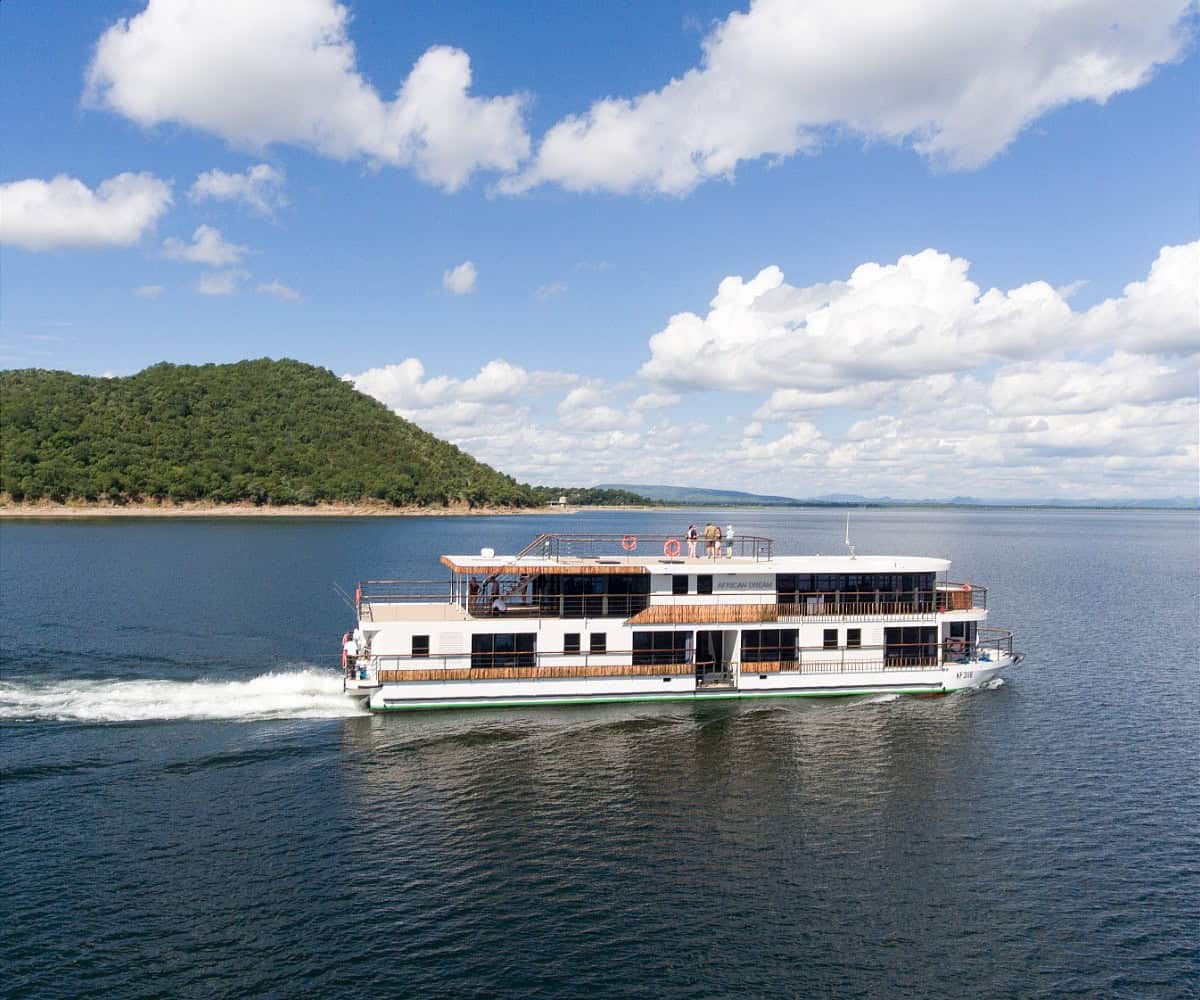
- CroisiAfrica’s safari cruise links Johannesburg with Victoria Falls through a land-and-river itinerary via the Chobe and Zambezi Rivers and Lake Kariba.
- The opening four days combine Johannesburg history, a Namibian island lodge, Chobe National Park wildlife and a visit to villages near Cascades Safari Lodge.
- For 2027, the itinerary is expanding to 11 nights from £6,561 per person, excluding international flights.
Johannesburg sets a serious opening note
The journey begins at 54 on Bath, a five-star boutique hotel in Rosebank, one of Johannesburg’s most established urban districts.
From there, a guided coach tour moves through a city still defined by the weight of its past and the scale of its present.
The route takes in old worked-out quarries, railway lines carrying workers into the city and the leafy streets of Houghton, where Nelson Mandela’s final home stands among manicured lawns.
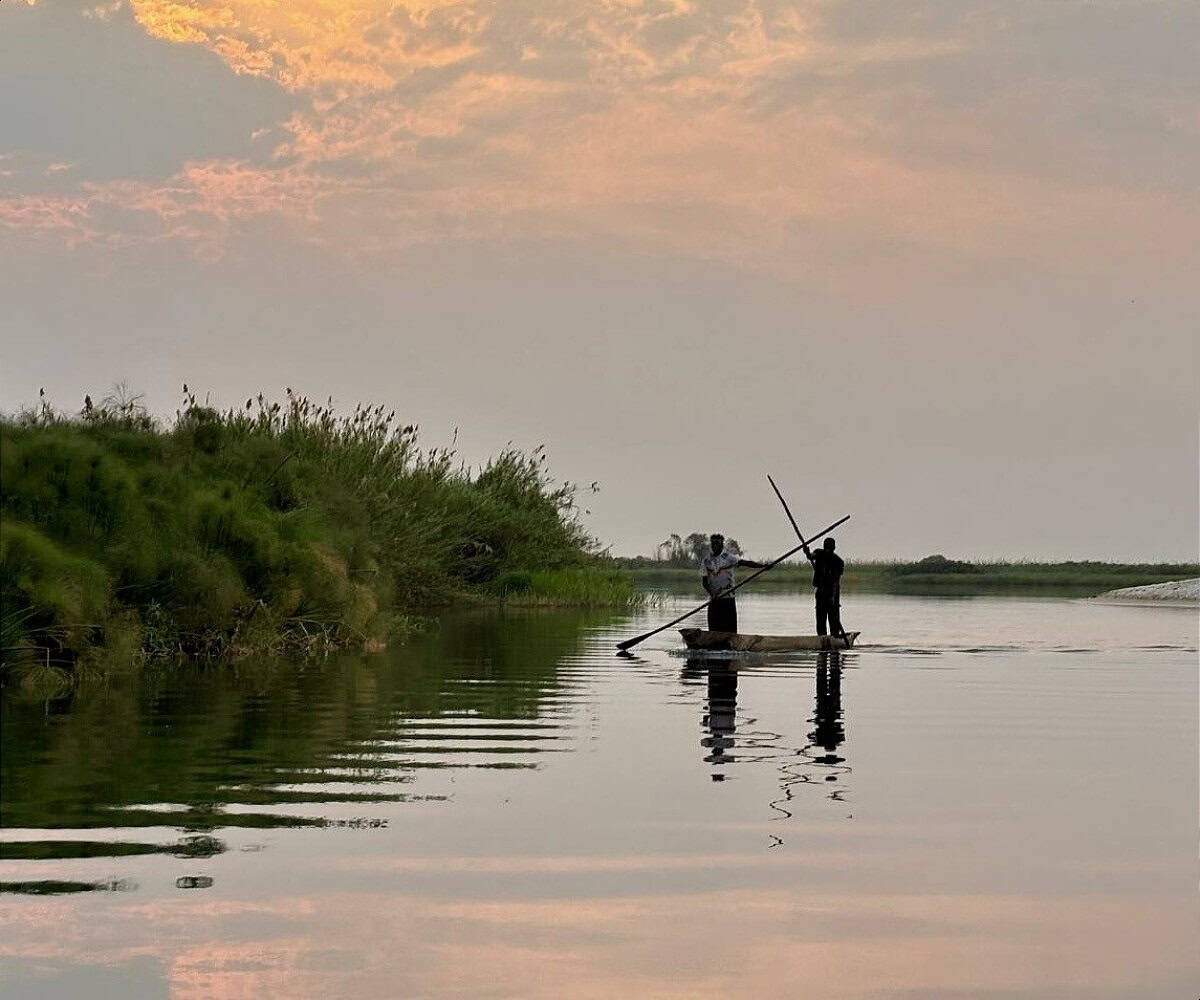
The Apartheid Museum gives the day its emotional centre.
Its concrete architecture, suspended nooses, photography and film material present apartheid as something more than historical background, placing the political violence and resistance at the start of the itinerary rather than treating it as a footnote.
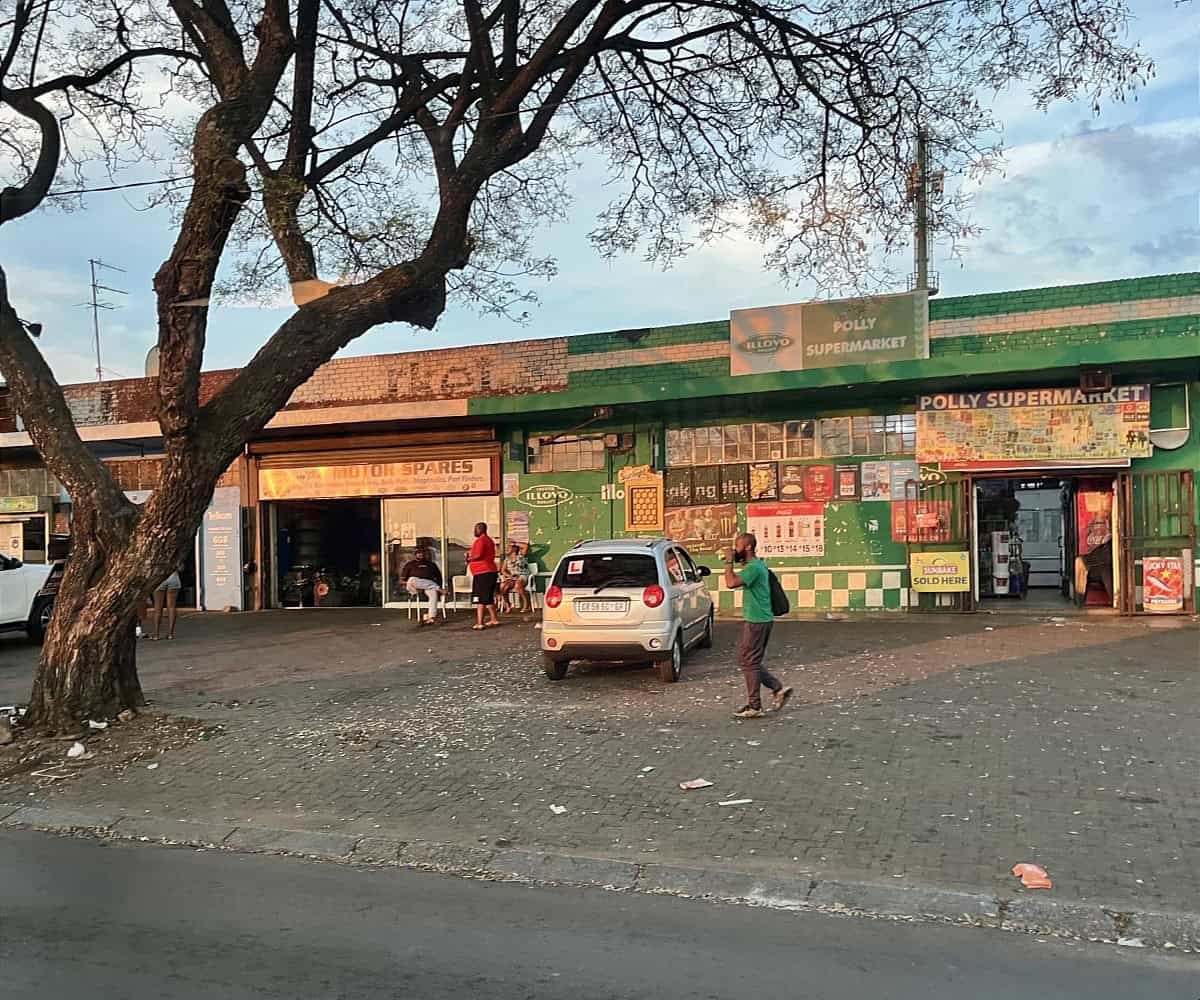
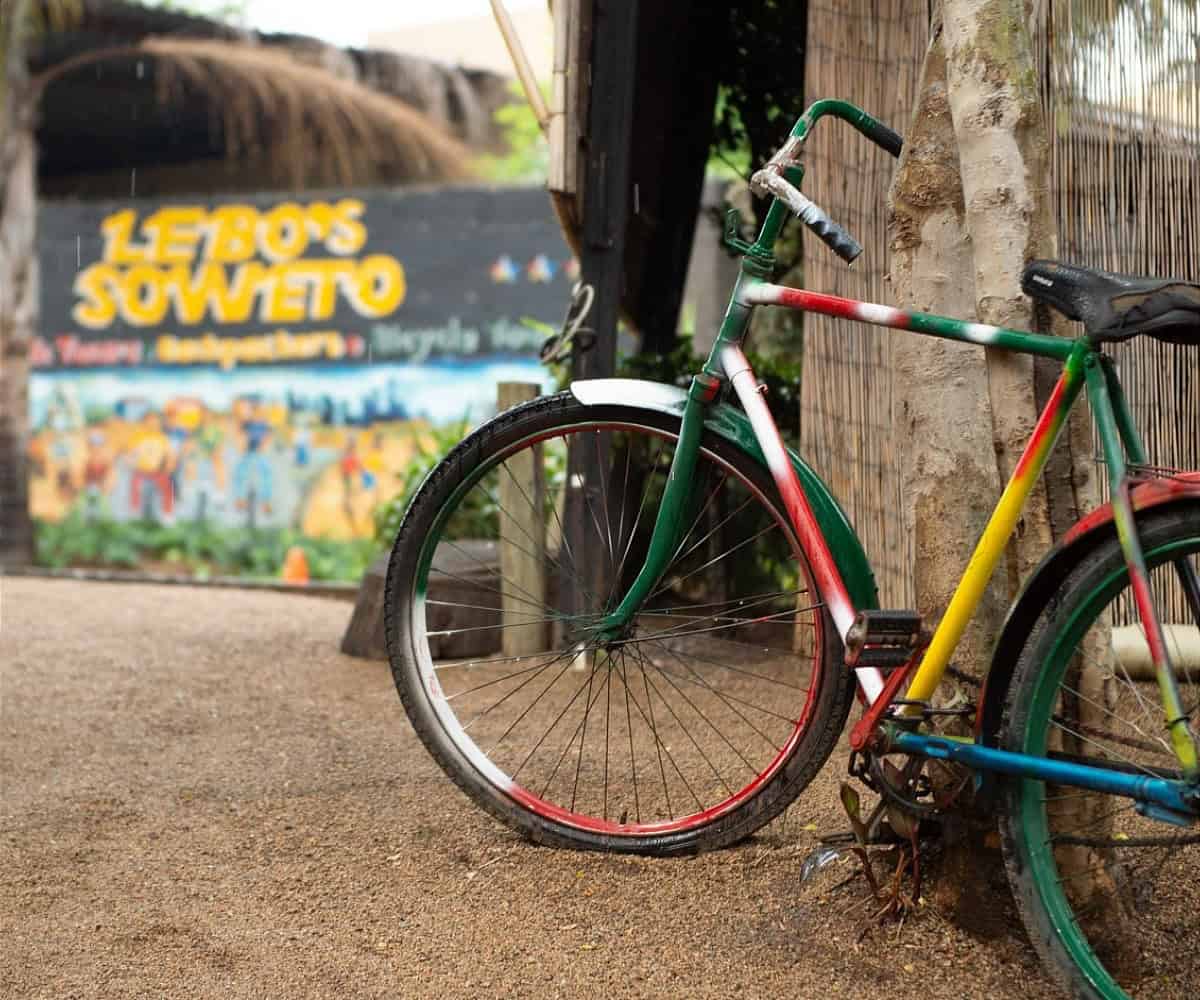
Soweto adds another layer, with township housing and informal settlements making South Africa’s continuing economic divide visible from the road.
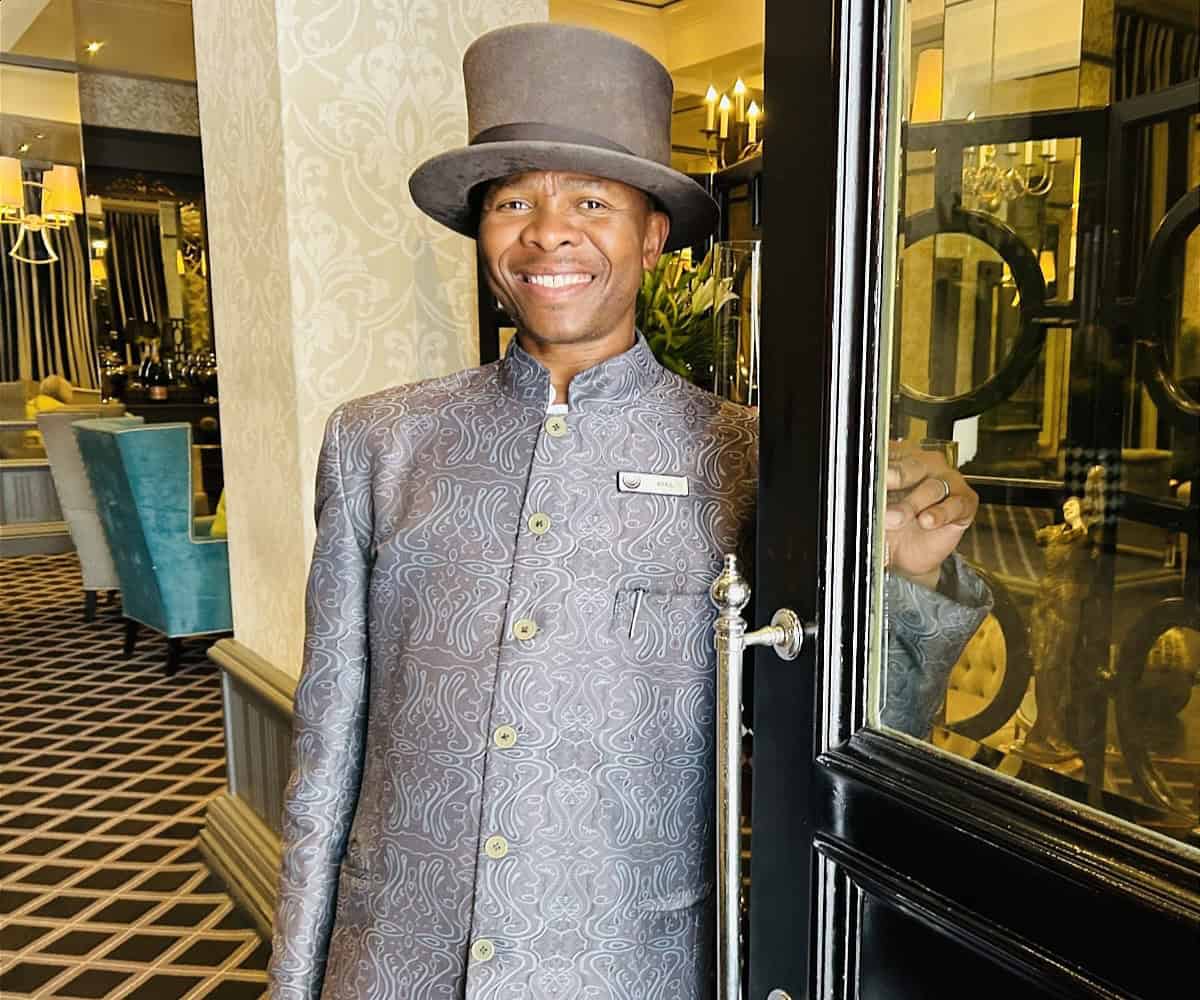
The district’s role in the 1976 student uprising also places the city’s freedom struggle into a more immediate human context.
From Kasane to a private lodge on the Zambezi
The second day turns logistical complexity into part of the experience.
Travellers fly from Johannesburg’s OR Tambo airport to Kasane in Botswana, then cross the Chobe River by boat before completing Namibian border formalities on foot.
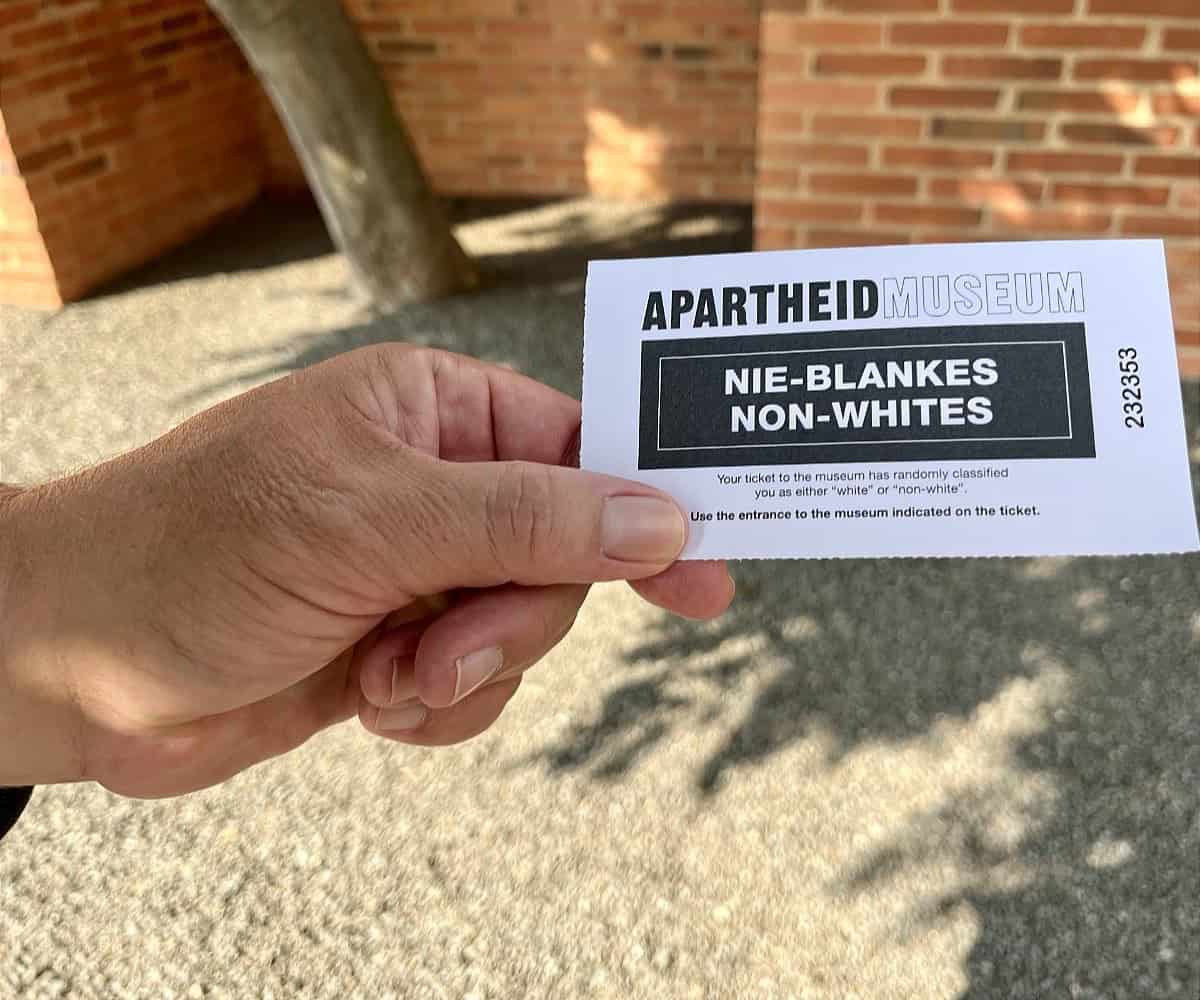
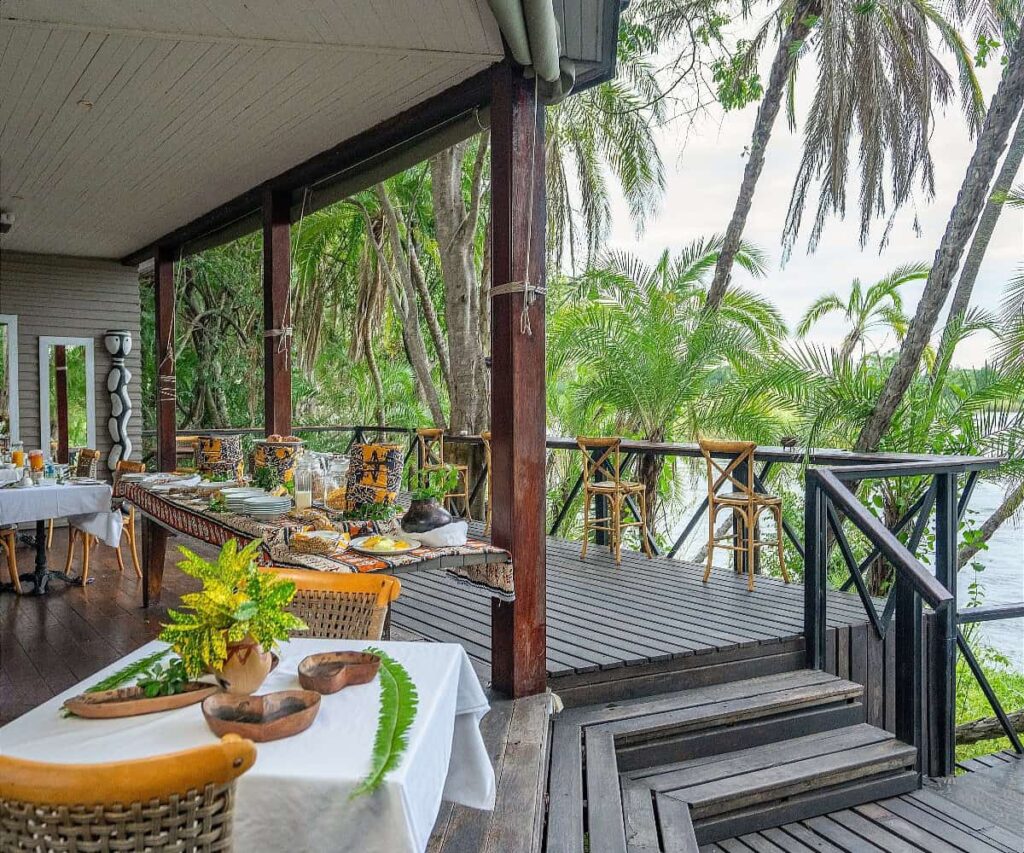
Another boat transfer brings guests to Cascades Safari Lodge, set on a Namibian island and used exclusively by CroisiAfrica.
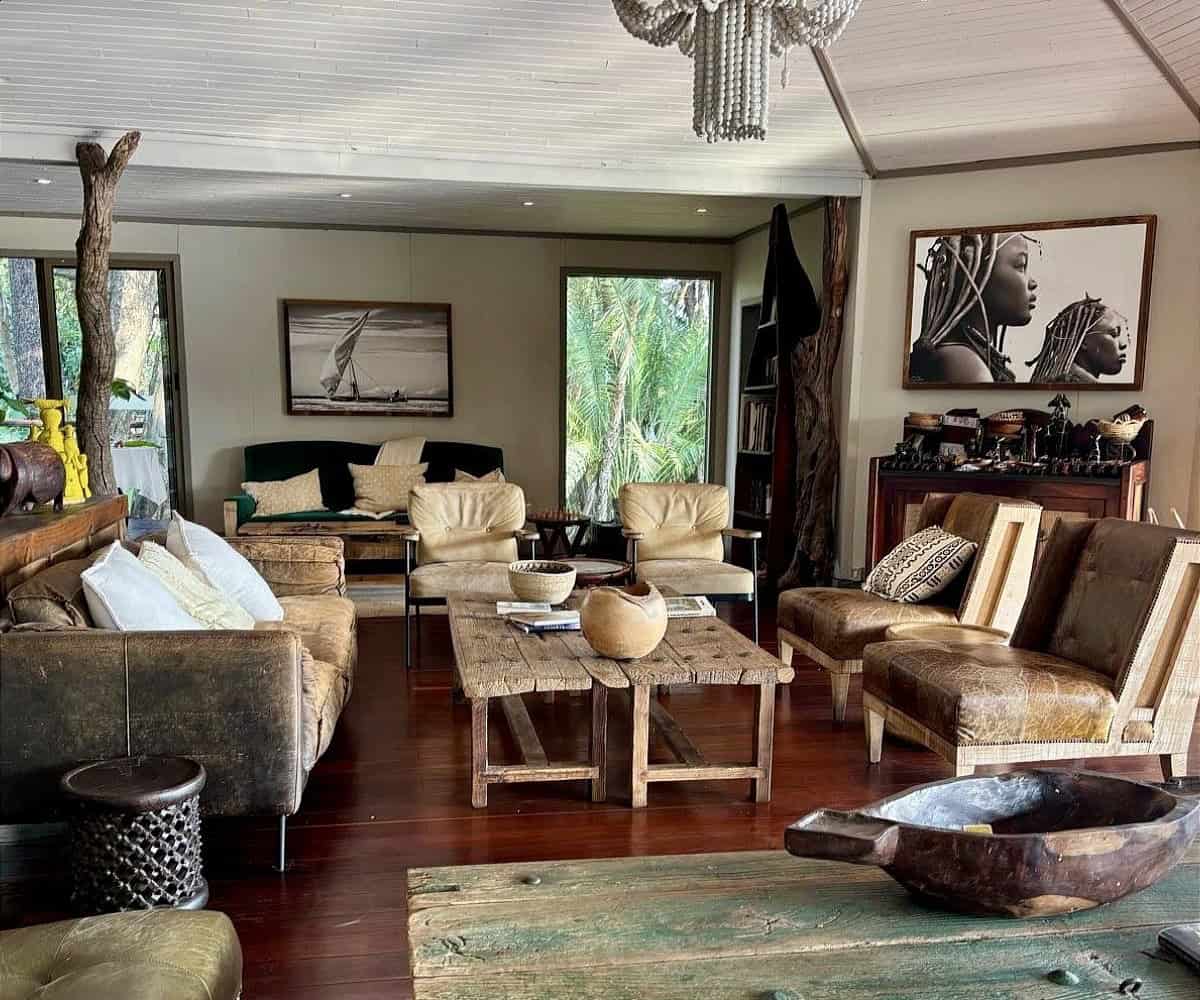
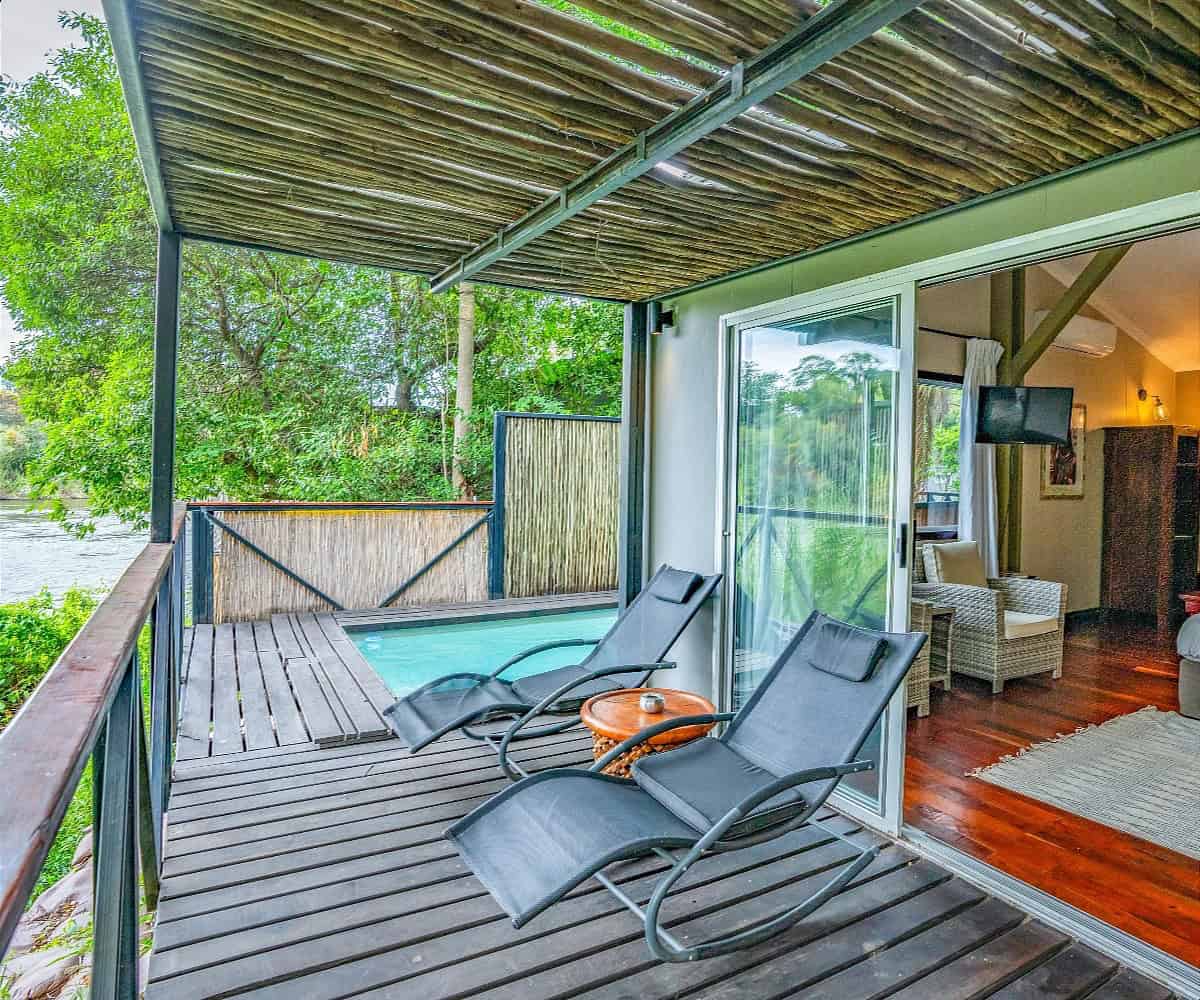
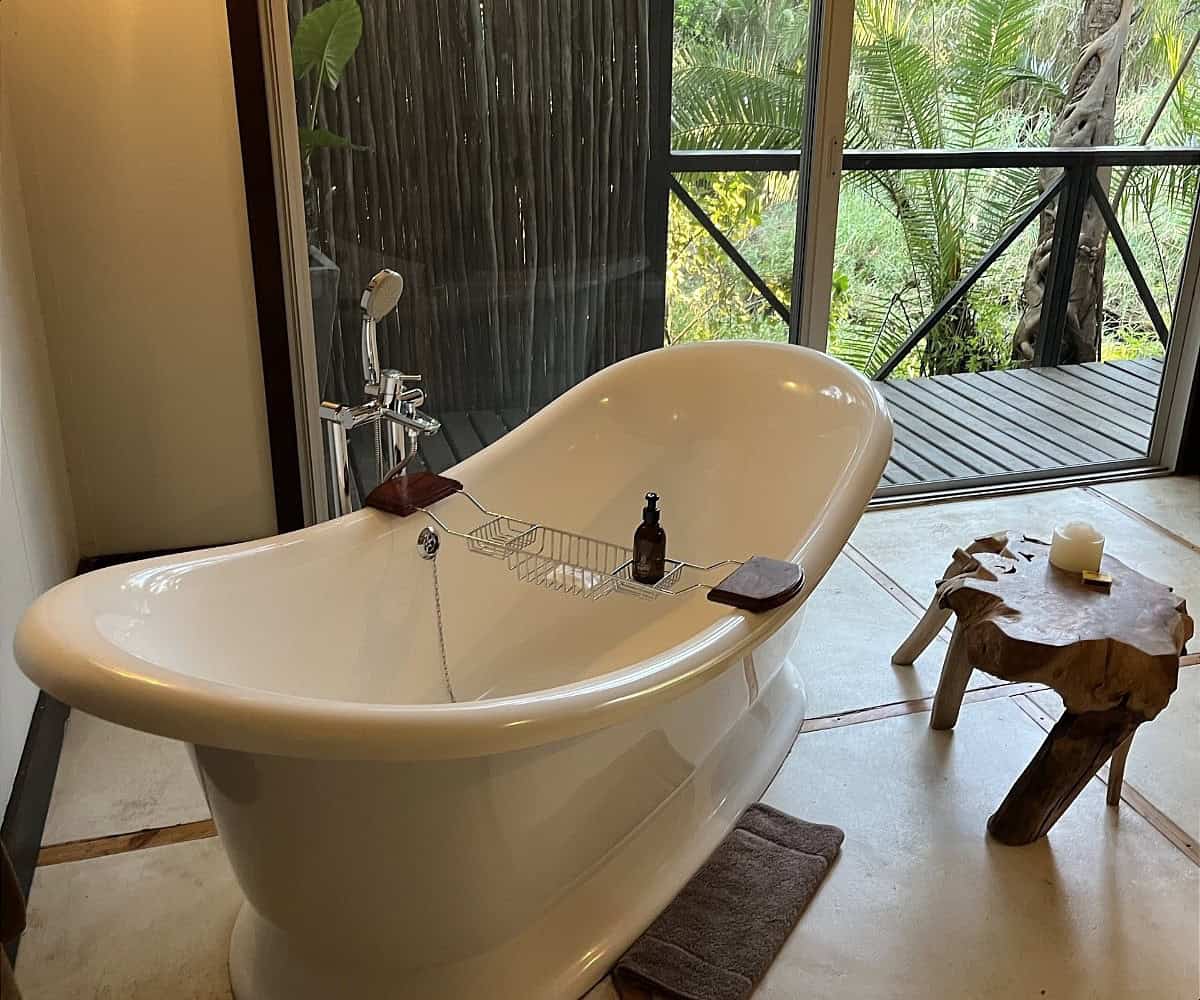
The lodge has eight detached bungalows, with the design arranged around the river rather than away from it.
Large picture windows, the pool, the outdoor shower, the bath and the shower all look toward the Zambezi.
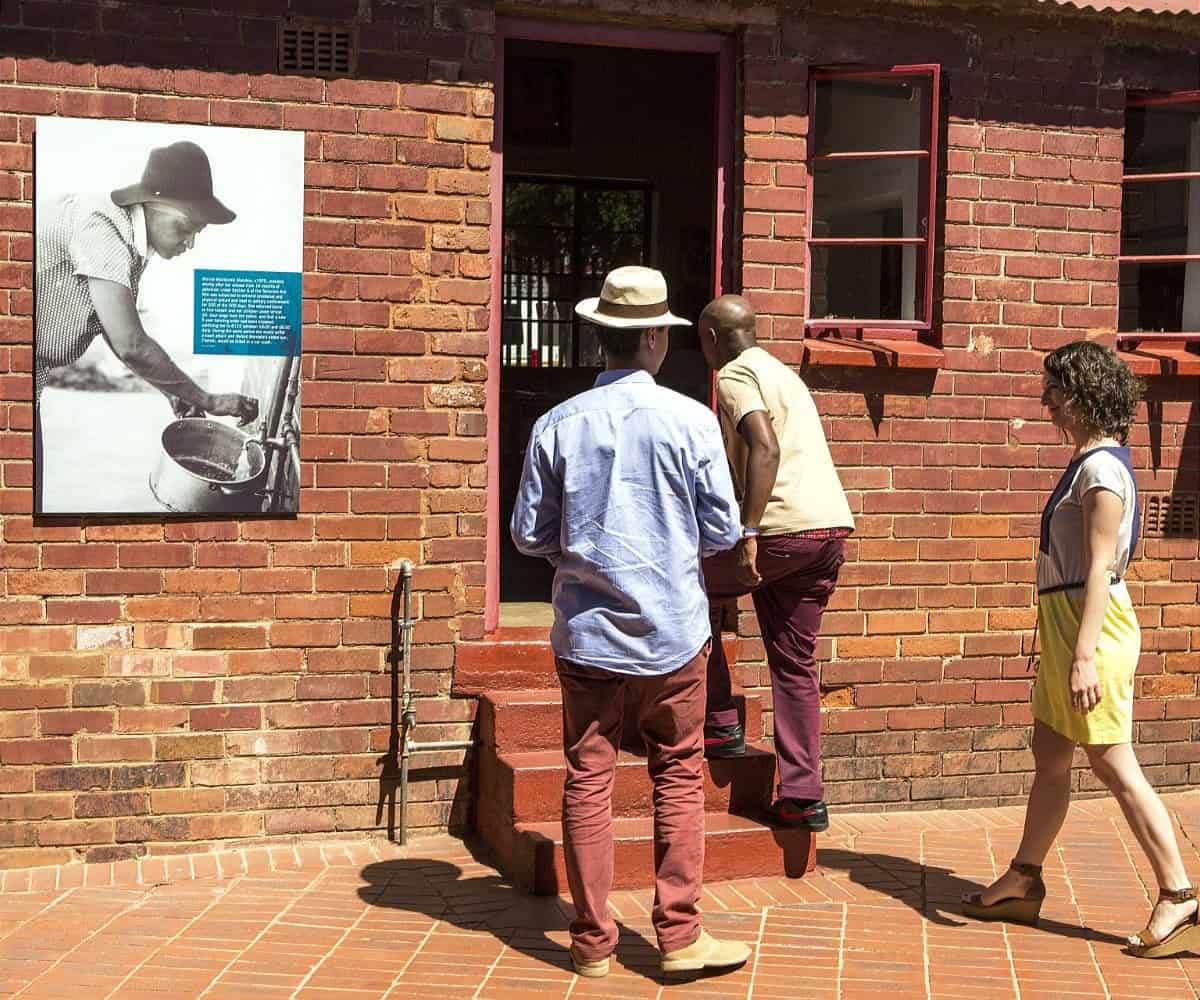
The setting is beautiful, but it is not sanitised.
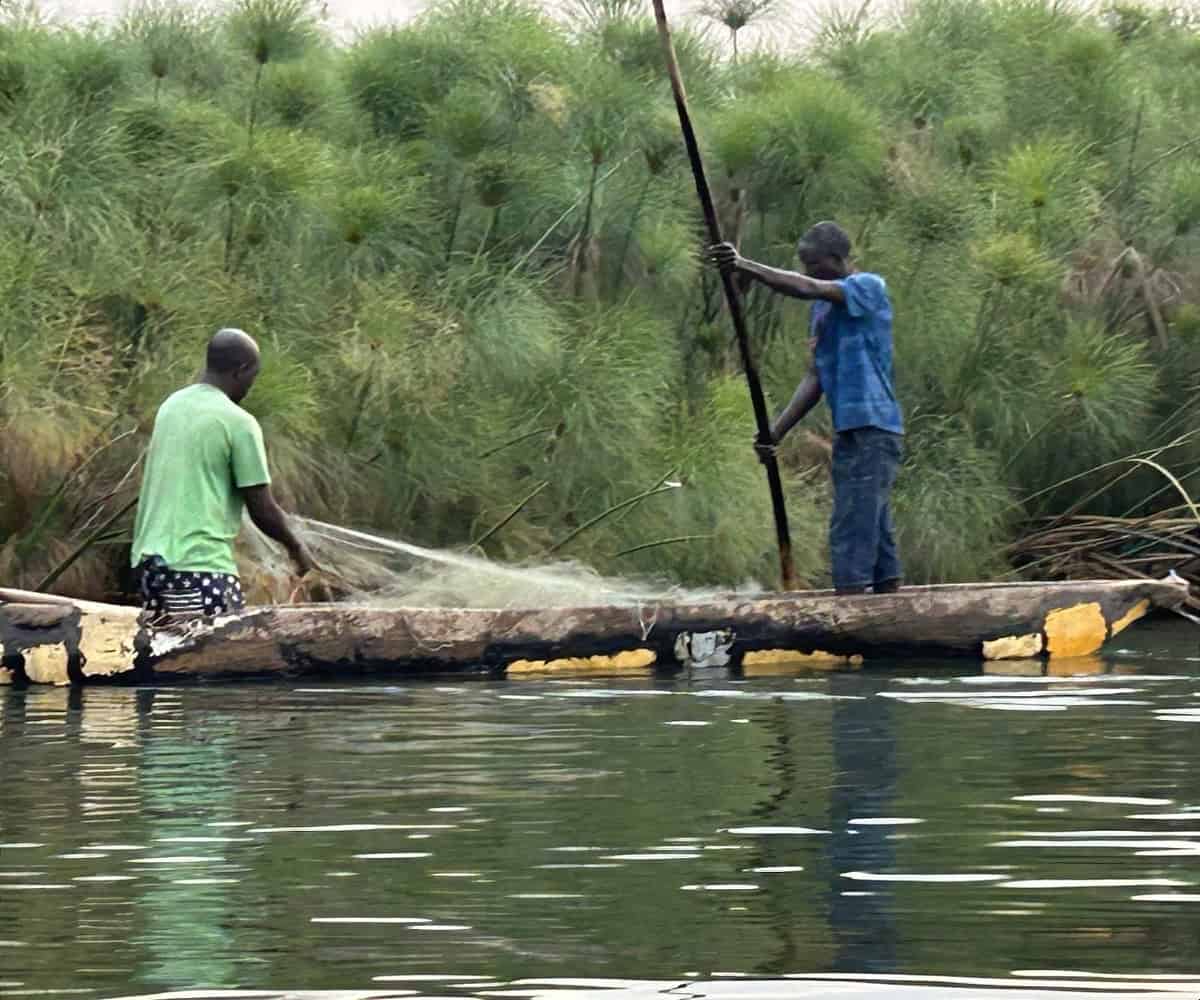
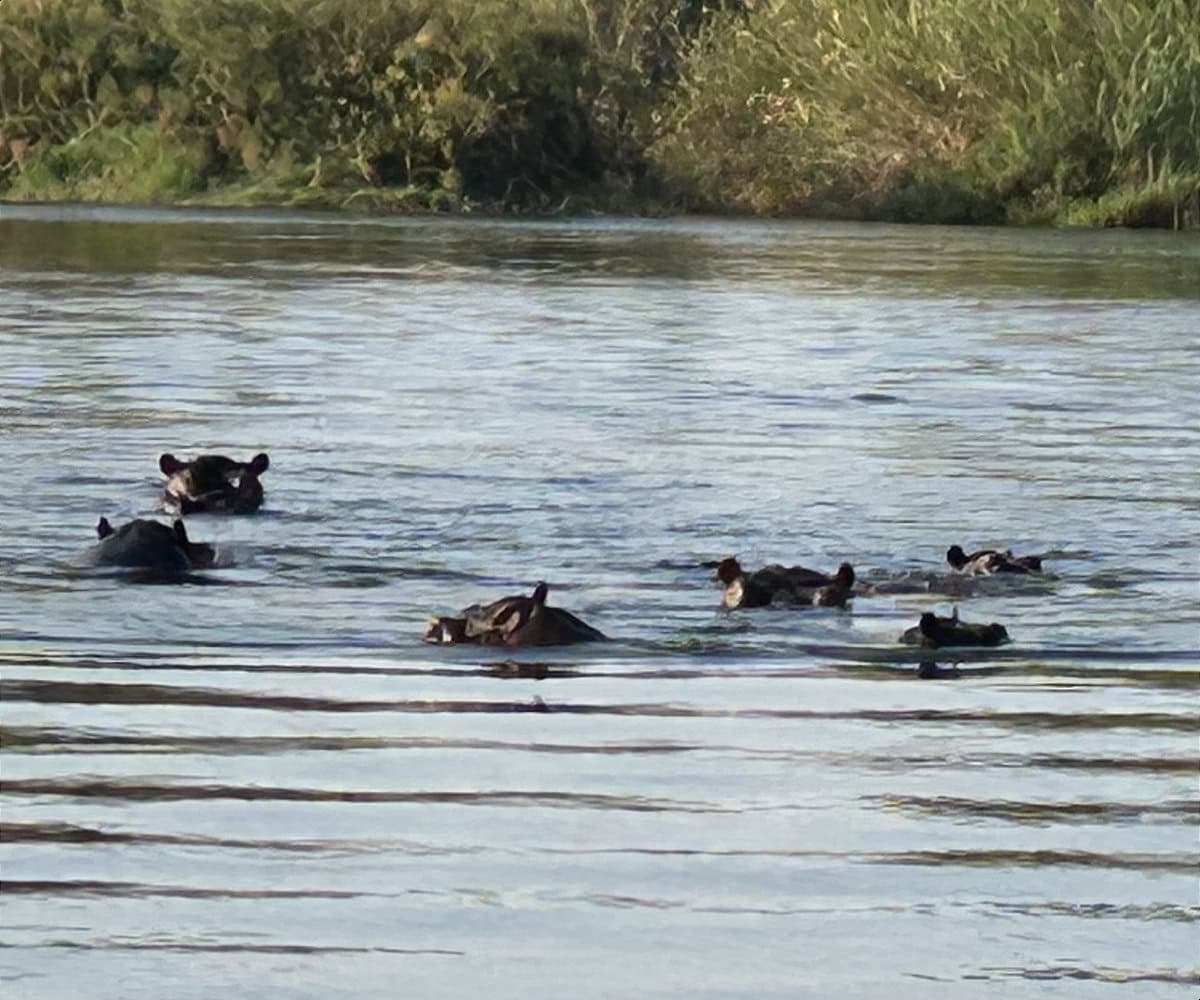
Guide Lennon points out crocodiles resting on white sand and hippos cooling in the water, while fishermen pass in canoes carved from jackal-berry trees.
Because the island is reached only by water, the presence of crocodiles is a daily reality rather than a safari abstraction.
Chobe brings the wildlife into sharp focus
Day three returns guests through Namibian and Botswana border procedures before entering Chobe National Park.
September falls deep in the dry season, when animals move toward the river and the drama around water becomes more concentrated.
Botswana is noted in the itinerary as having 140,000 elephants, and Chobe delivers the expected sense of scale.
Dozens move toward the river, while a pride of 14 lean lions is seen tracking buffalo, the cubs’ visible ribs suggesting the urgency of the hunt.
Lunch takes place on a Chobe River boat, with a barbecue served as elephants feed on water lilies nearby.
Crocodiles and hippos continue to define the river scene before the return to Cascades Safari Lodge for the night.
Village life on the Caprivi Strip
The fourth day slows the pace with a walk from Cascades to the nearest village.
Lennon marks out Namibia in the sand with a stick, showing the group where they are on the narrow Caprivi Strip, the finger-like extension of the country reaching toward Zimbabwe.
The village is described as an extended family community, with Lennon’s grandmother serving as village elder.
His mother also meets guests and shows scars from a crocodile attack that happened while she was washing in the Zambezi, a reminder that the river is both resource and risk.
A dance performance takes place in the shade of a large baobab tree.
Lennon says the tree is so wide it would take 15 men with arms extended to encircle it, and so old that it predates the village’s collective memory.
The visit also includes the school and health centre, which is noted as not having a doctor.
Back at the lodge, lunch is a barbecue that includes impala loin.
Later, the Zambezi takes over again as the group sets out for sunset drinks, with the tender landing on a sandy beach that Lennon identifies as Zambia.
He explains that the beach is submerged for half the year, which makes border control more relaxed in that particular spot.
On the return to Cascades, lights from a temporary fishing village appear along the water.
The fishermen live for six months in homes made from reeds and papyrus, retreating when the river rises and hoping the structures remain for the next season.
Price and inclusions for 2027
For 2027, CroisiAfrica’s itinerary is expanding from a nine-night programme to an 11-night safari cruise, starting from £6,561 per person excluding international flights.
The stated inclusions cover a four-night cruise, a four-night lodge stay with all meals and drinks, overnights in Johannesburg and Victoria Falls, a lunch cruise on the Zambezi, the domestic flight between Johannesburg and Kasane, excursions, game drives and some gratuities.
That structure is central to the appeal.
Independent travel across this part of southern Africa can involve complicated transfers, border crossings and moving parts, while CroisiAfrica packages those logistics into the rhythm of the journey.
Meals, excursions and transfers are included, with red, rosé and white wines available at three-course lunches and dinners.
On land and river transfers, guides also keep beers, soft drinks and water available in a cool box.
The opening four days make a persuasive case for travellers who want a safari journey with texture rather than a single-note wildlife itinerary.
There is comfort, certainly, but the stronger impression is contrast: city and river, history and hospitality, ease and exposure, all carried forward by the waterways of southern Africa.