Luxury travel used to be easy to recognise from across a hotel lobby.
It was the grand suite, the impossible dinner reservation, the chauffeured arrival and the itinerary designed to prove how much could be accessed in a single trip.
That version hasn’t disappeared, but it’s no longer the clearest expression of what affluent travelers are asking for now.
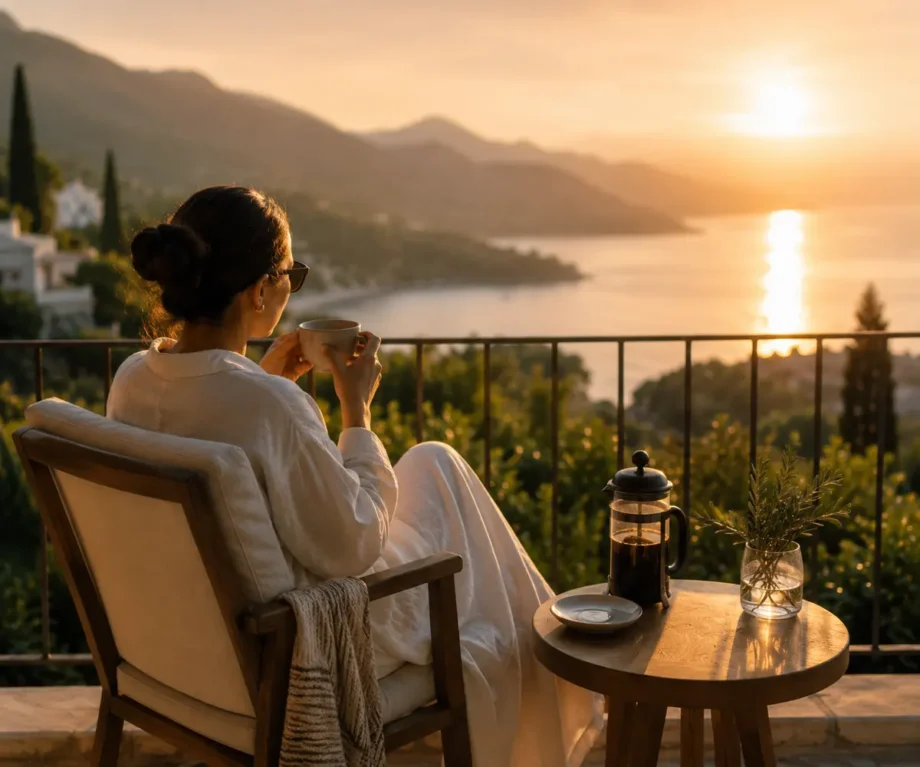
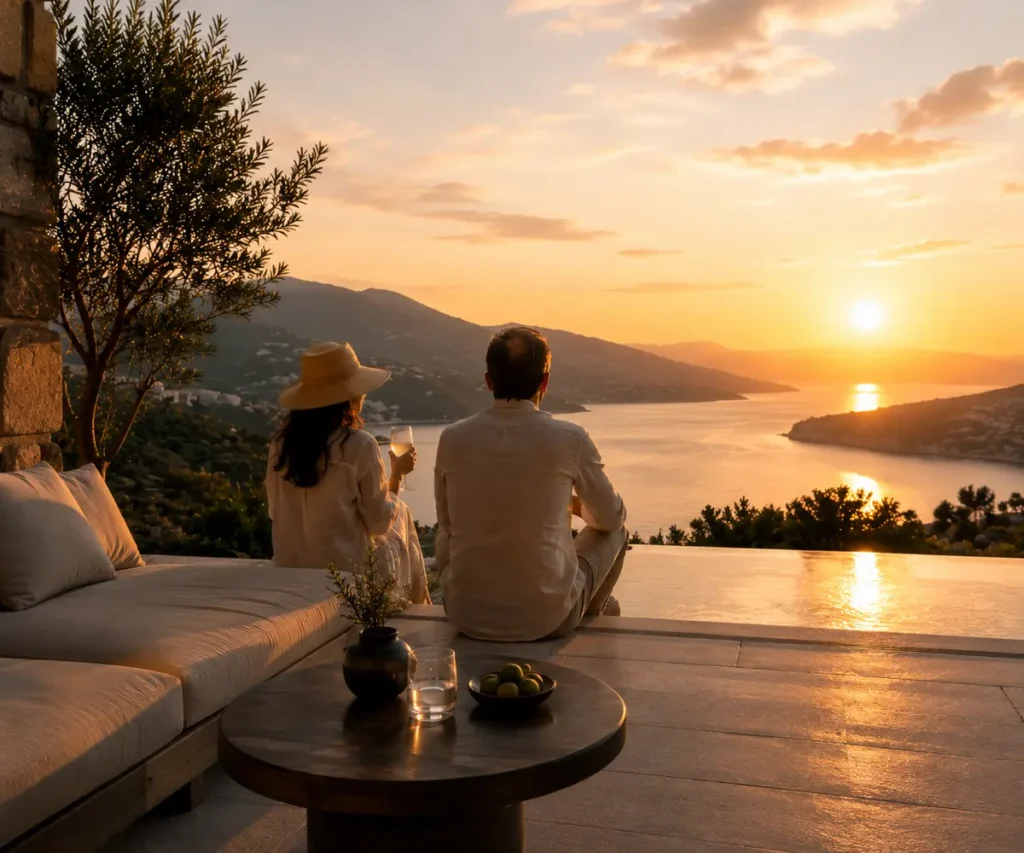
The new luxury is quieter, more personal and often less visible to everyone except the person experiencing it.
At a glance
- Wealthy travelers are increasingly prioritising privacy, calm and flexibility over visible displays of status.
- The most valued trips now tend to favour slower pacing, smaller properties, thoughtful access and space to be spontaneous.
- For hotels, advisors and experience designers, effortless service and protected time are becoming more important than spectacle.
Privacy has replaced the grand entrance
The shift isn’t simply about avoiding crowds, though that’s part of it.
Privacy has become a way to protect the feeling of a trip, allowing travelers to engage with a destination without being constantly managed, observed or rushed.
For some, that might mean entering a museum before public opening hours.
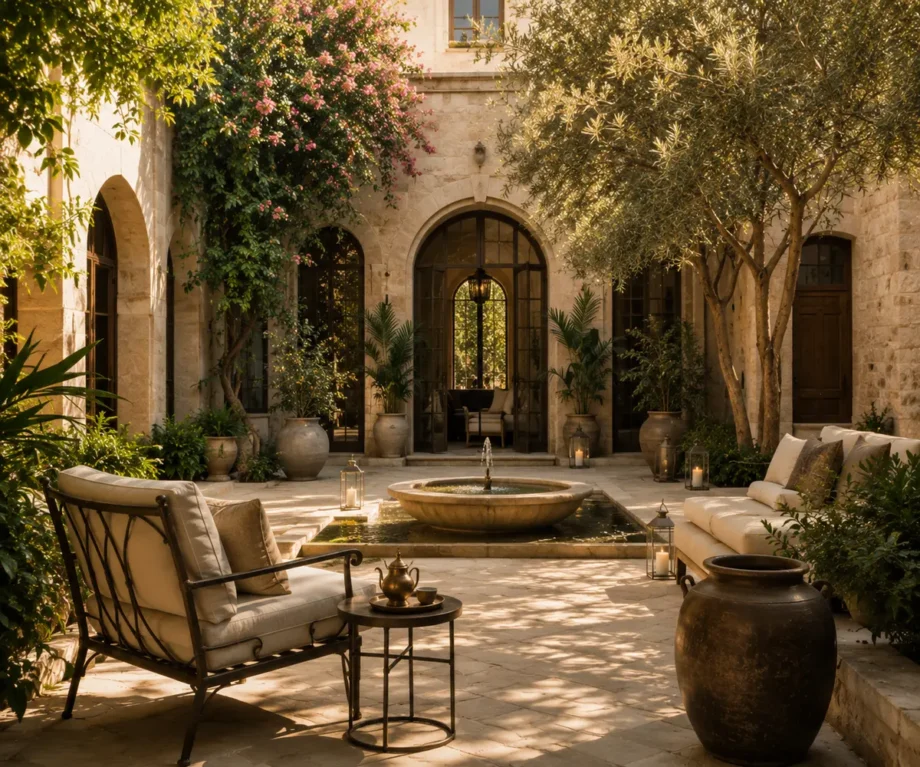
For others, it’s a discreet arrival, a quiet boat departure, a villa hidden from the main resort path or a hotel where the staff remember preferences without turning them into theatre.
The point is less about being unreachable and more about having control over the rhythm of the day.
Affluent travelers still want access, but they’re increasingly less interested in access that feels performative.
A hard-to-get table matters less if the room is loud, the timing is rigid and the evening feels like another obligation.
The better experience may be smaller, slower and harder to photograph, which is precisely why it feels more valuable.
Time is the rarest amenity
If there’s one thing modern luxury travelers are short of, it’s not choice.
It’s time that isn’t already spoken for.
The most memorable trips often have empty space built into them, not because they’re under-planned, but because they leave room for a destination to unfold naturally.
An unscheduled afternoon can become the best part of a journey.
A lingering lunch, a local suggestion, a walk with no fixed end point or one more hour by the water can do more for a traveler than another appointment on a packed schedule.
This is where the old idea of value starts to change.
More cities, more restaurants and more private tours don’t necessarily create a better holiday.
For many seasoned travelers, the better itinerary is the one that edits confidently and resists the pressure to fill every hour.
Smaller stays are gaining ground
The grand hotel still has its place, particularly when it delivers genuine ease rather than scale for its own sake.
Yet smaller properties are increasingly well positioned for this moment because they can make service feel human, intuitive and unforced.
A hotel with fewer rooms can often offer something that a famous address with a busy lobby struggles to provide.
That something is not just quiet, but a sense that the stay has been shaped around the guest rather than the property’s operating script.
This doesn’t mean travelers are rejecting comfort or design.
They’re simply becoming more selective about what those things are supposed to achieve.
A beautifully resolved room, a breakfast served without fuss, a driver who knows when not to talk and a concierge who understands restraint can feel more luxurious than a long list of amenities that never quite add up to ease.
Technology should disappear into the background
Technology has transformed how people plan, book and move through the world, but in luxury travel its best role is often invisible.
The most effective tools are the ones that remove friction without demanding attention.
Seamless check-ins, discreet communications, secure payments, well-timed updates and intelligent logistics can all improve a trip, but only when they support the experience rather than interrupt it.
This is a useful test for the modern travel industry.
If a service makes the guest feel more watched, more processed or more tethered to a screen, it misses the mood of the moment.
If it clears the path quietly, it becomes part of the new definition of luxury.
Prestige now feels more personal
Prestige hasn’t vanished from luxury travel.
It has become less dependent on what other people can see.
For a growing number of wealthy travelers, the highest-status trip is not necessarily the one with the most recognisable hotel name or the most difficult reservation.
It’s the one that feels impossible to duplicate because the details were right for that person, in that place, at that moment.
This is a subtle but important change.
Luxury is moving away from accumulation and toward discernment.
The question is no longer how much can be included, but what should be left out so the essential parts can breathe.
That creates a different kind of travel brief for hotels, private travel advisors, tour operators and hospitality brands.
The winners won’t simply be those that offer the most lavish options, but those that understand pacing, privacy, emotional intelligence and the art of making something complex feel calm.
For the traveler, the appeal is simple.
A great trip doesn’t need to announce itself to everyone else.
It needs to feel considered, unhurried and genuinely one’s own, which may be the most modern expression of luxury now.