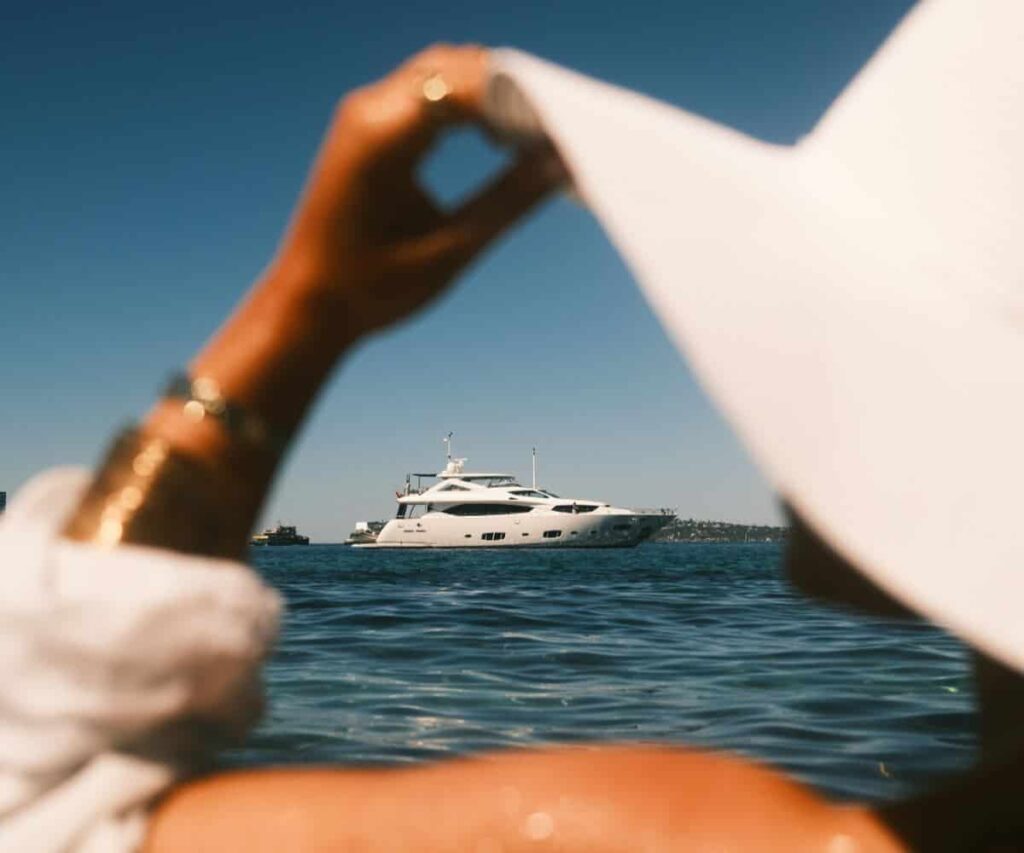
Some marinas are places to park a yacht; Port Vauban is where the Mediterranean yachting world checks in.
Set into the old harbour of Antibes, it combines deep maritime history with the practical machinery of a modern superyacht hub.
Owners, captains, charter guests and crew come here for different reasons, but the result is the same. Port Vauban remains one of the defining addresses of the Côte d’Azur.
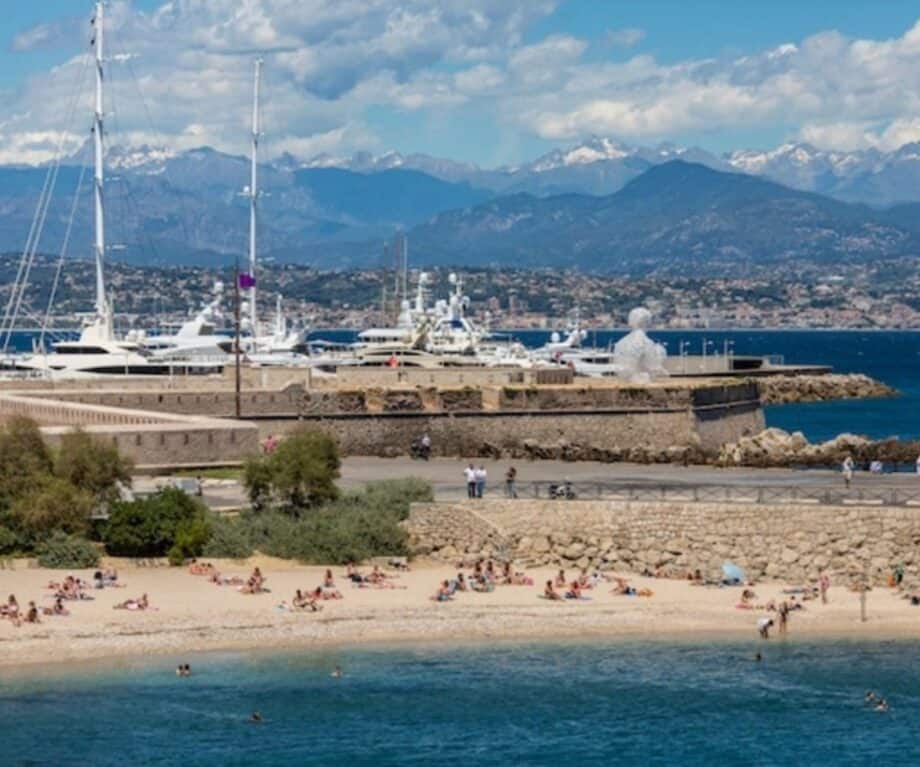
At a glance
- Port Vauban in Antibes remains a central meeting point for Mediterranean superyacht owners, guests, crew and marine businesses.
- Its appeal rests on a rare mix of historic harbour, large-yacht infrastructure, industry services and direct access to the French Riviera.
- The marina sits between Monaco, Cannes and Saint-Tropez, with Nice Côte d’Azur Airport less than 20 minutes away.
A harbour with two millennia behind it
Port Vauban’s status isn’t simply a product of polished quays and large berths.
The harbour has been part of Mediterranean trade and defence for more than 2,000 years, giving Antibes a maritime identity that predates the modern idea of yachting by centuries.
Its later fortification by Sébastien Vauban under Louis XIV added another layer to its strategic significance.
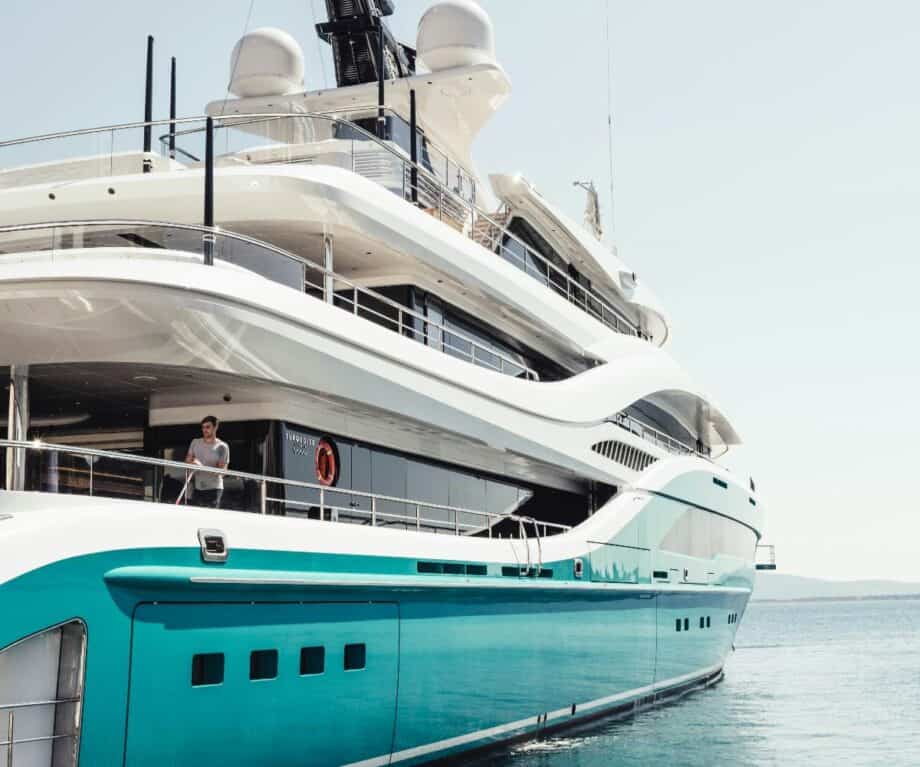
That history still matters, because Port Vauban doesn’t feel like a purpose-built luxury enclave dropped onto the coast.
It sits beside the old town, with stone ramparts, working waterfront life and the rhythm of Antibes all close at hand.
This is a key part of its character.
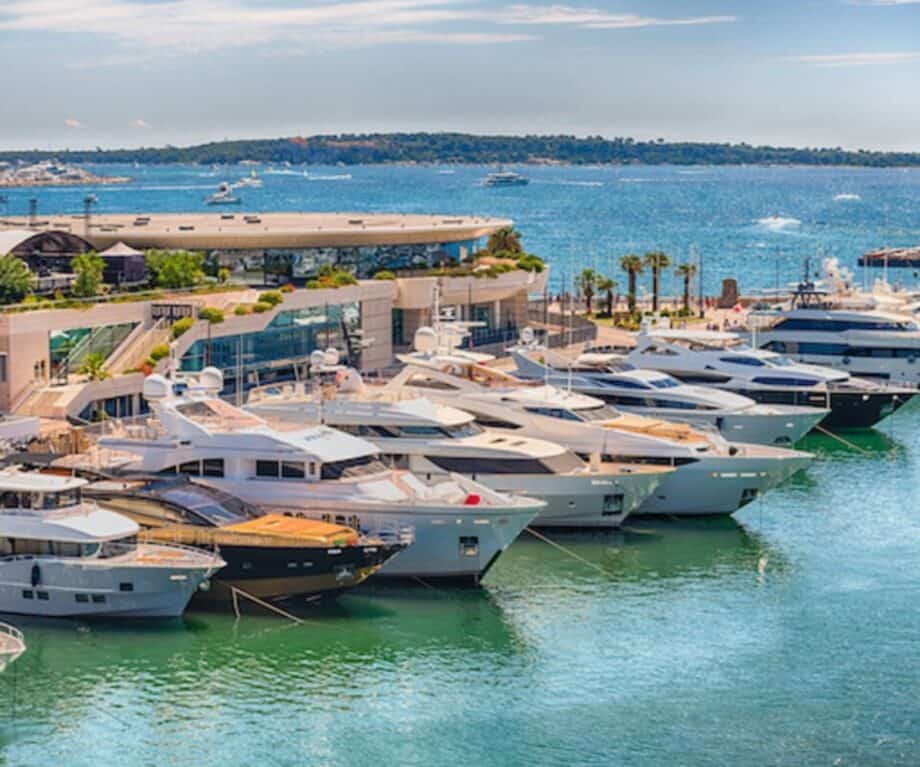
Where newer marinas can feel sealed off from their surroundings, Port Vauban is integrated into one of the Riviera’s most storied coastal towns.
The Riviera position that makes Antibes work
Geography is one of Port Vauban’s strongest assets.
Antibes sits between Monaco, Cannes and Saint-Tropez, placing it within easy reach of the destinations that define the western Mediterranean season.
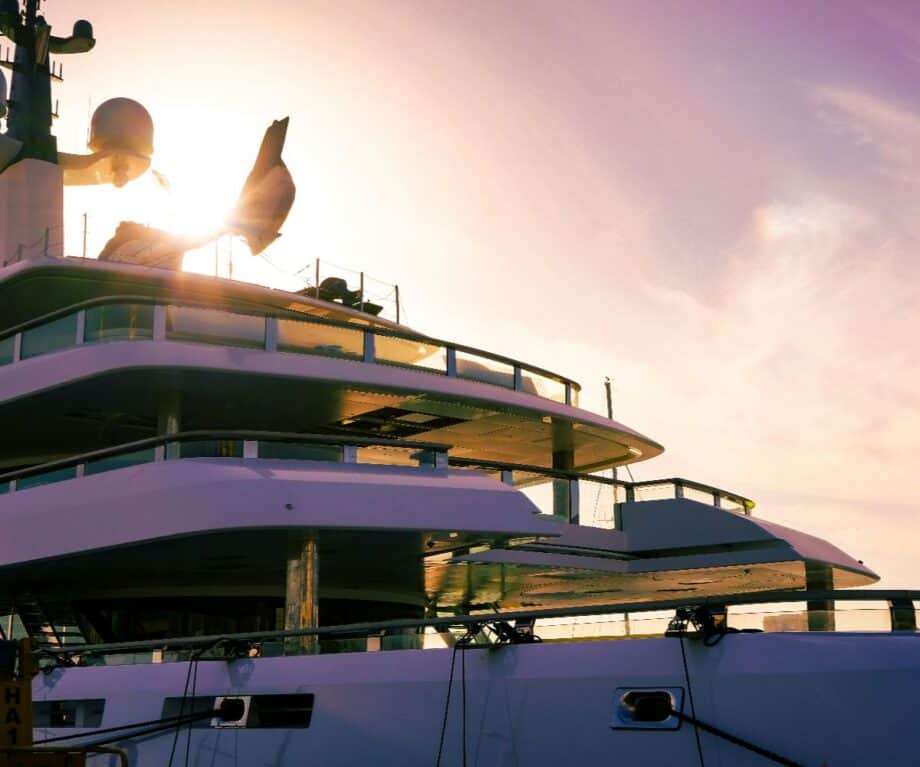
For owners and charter guests, that positioning makes the port a natural launch point for short coastal runs, longer summer itineraries and last-minute changes of plan.
For captains and managers, it means efficient logistics in a region where timing, access and supplier networks matter.
The airport connection is just as important.
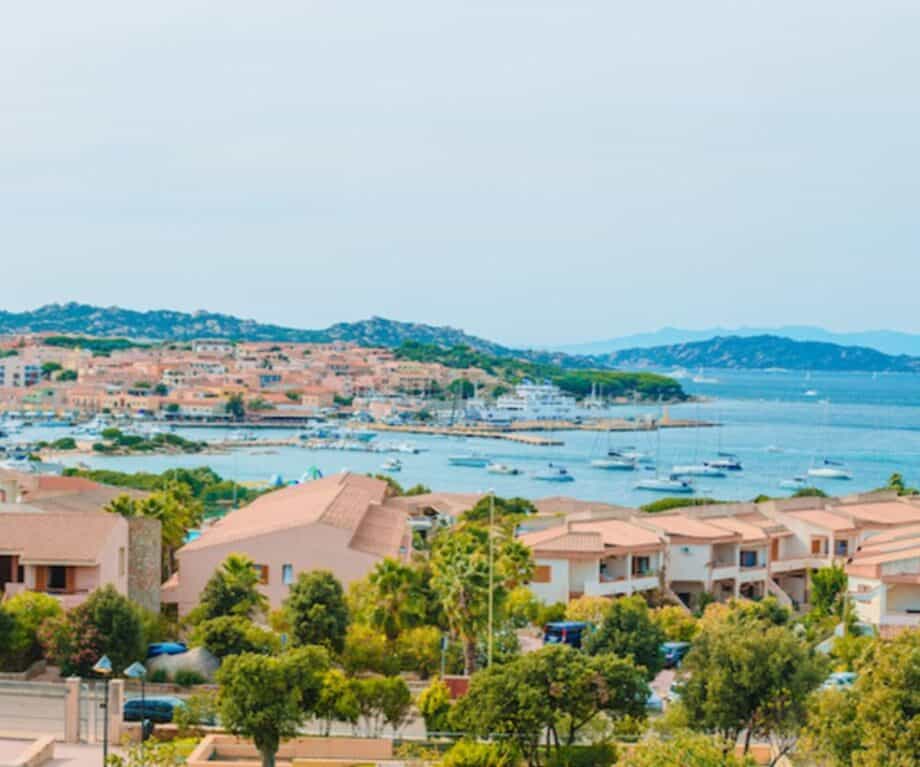
Nice Côte d’Azur Airport is less than 20 minutes away, which gives the marina a level of year-round practicality that few glamour destinations can match.
That accessibility helps explain why Antibes is not only a seasonal stage set for large yachts, but a place where the industry operates throughout the year.
Billionaires’ Quay and the large-yacht spectacle
Within Port Vauban, Quai Camille Rayon has become one of the most recognisable stretches of waterfront in global yachting.
Better known as Billionaires’ Quay, it was designed to accommodate some of the largest private yachts in service, with berths able to host vessels exceeding 100 metres.
The quay’s reputation is partly visual.
During the Mediterranean season, it can feel like an open-air exhibition of contemporary yacht design, from sharp new builds to established icons of the fleet.
Yet its importance goes beyond spectacle.
Large yachts need specialist berthing, technical support, crew access, provisioning and management services, and Port Vauban has built much of its modern relevance around those needs.
For visitors, the quay offers a rare close view of vessels that usually live behind privacy lines and security gates.
For the industry, it signals capability.
The town behind the marina economy
Port Vauban’s influence comes as much from what surrounds the harbour as from the harbour itself.
Antibes has a dense network of yacht brokers, management firms, crew agencies, training providers, refit specialists, suppliers and technical businesses.
That concentration gives the town a working energy that separates it from purely leisure-led marina destinations.
It’s where crew look for their next role, captains meet service providers, brokers stay close to clients and vessels move through the practical cycle of maintenance, staffing and charter preparation.
This ecosystem is one of the reasons Port Vauban continues to shape Mediterranean yachting rather than merely host it.
The marina is a destination, but Antibes is also a base.
The lifestyle that keeps the season moving
Luxury infrastructure alone doesn’t create loyalty.
Port Vauban benefits from the softer pull of Antibes itself, a town that offers a more lived-in Riviera experience than some of its glossier neighbours.
The old quarter, waterfront restaurants, boutiques and cultural landmarks such as the Picasso Museum give owners and guests reasons to step ashore.
Cannes, Monaco and Saint-Tropez add further options for dining, shopping and events, but Antibes has the advantage of balance.
It can be glamorous without feeling over-produced.
That matters to regular yacht owners and crew, who often value ease as much as theatre.
A great superyacht marina has to serve both worlds.
It must handle the expectations of guests arriving for a week on the water, while also supporting the professionals who keep the vessels running before and after the season’s most visible moments.
Port Vauban has held its place because it does both with unusual depth.
It has heritage, scale, access, industry weight and a Riviera address that still feels genuinely connected to the sea.
In a Mediterranean lined with prestigious marinas, Antibes remains the place where superyacht culture feels less like a passing scene and more like an established way of life.