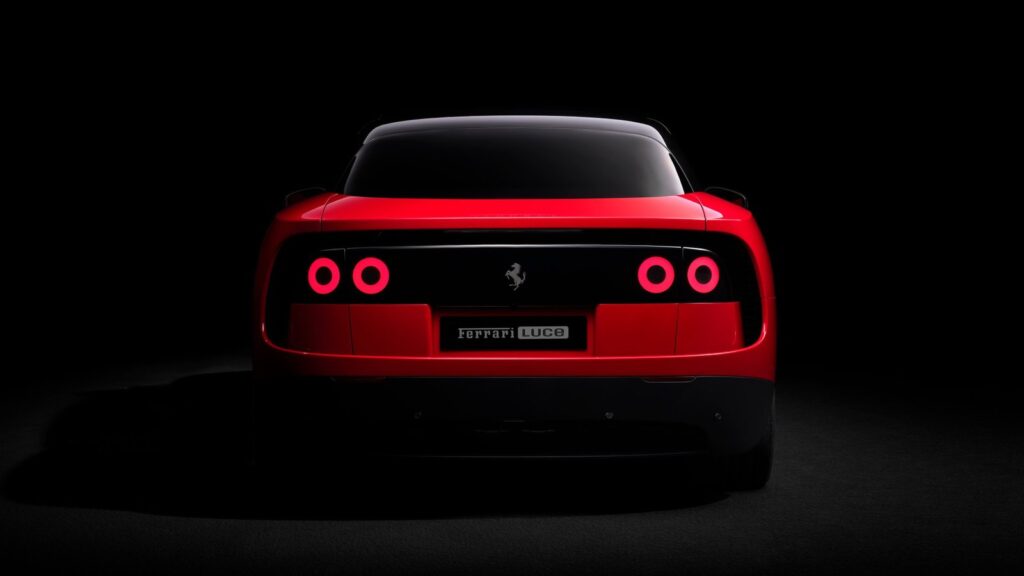
Ferrari’s first electric car was always going to test the mood of Maranello’s most loyal clients.
The Luce has now done exactly that, though the latest talking point isn’t range, performance or sound, but whether Ferrari would use access to future special models as leverage. The brand says that idea has no place in its customer strategy.
At a glance
- Ferrari has rejected claims that VIP clients are being pressured into buying the Luce EV.
- Chief Marketing Officer Enrico Galliera said forcing unwanted purchases would damage customer trust and brand loyalty.
- The Ferrari Luce is priced at about $636,000, with deliveries expected in late 2027.
Ferrari Pushes Back on Luce Allocation Rumours
Enrico Galliera, Ferrari’s Chief Marketing Officer, has dismissed speculation that preferred customers must buy the Luce to remain in line for future limited-run cars.
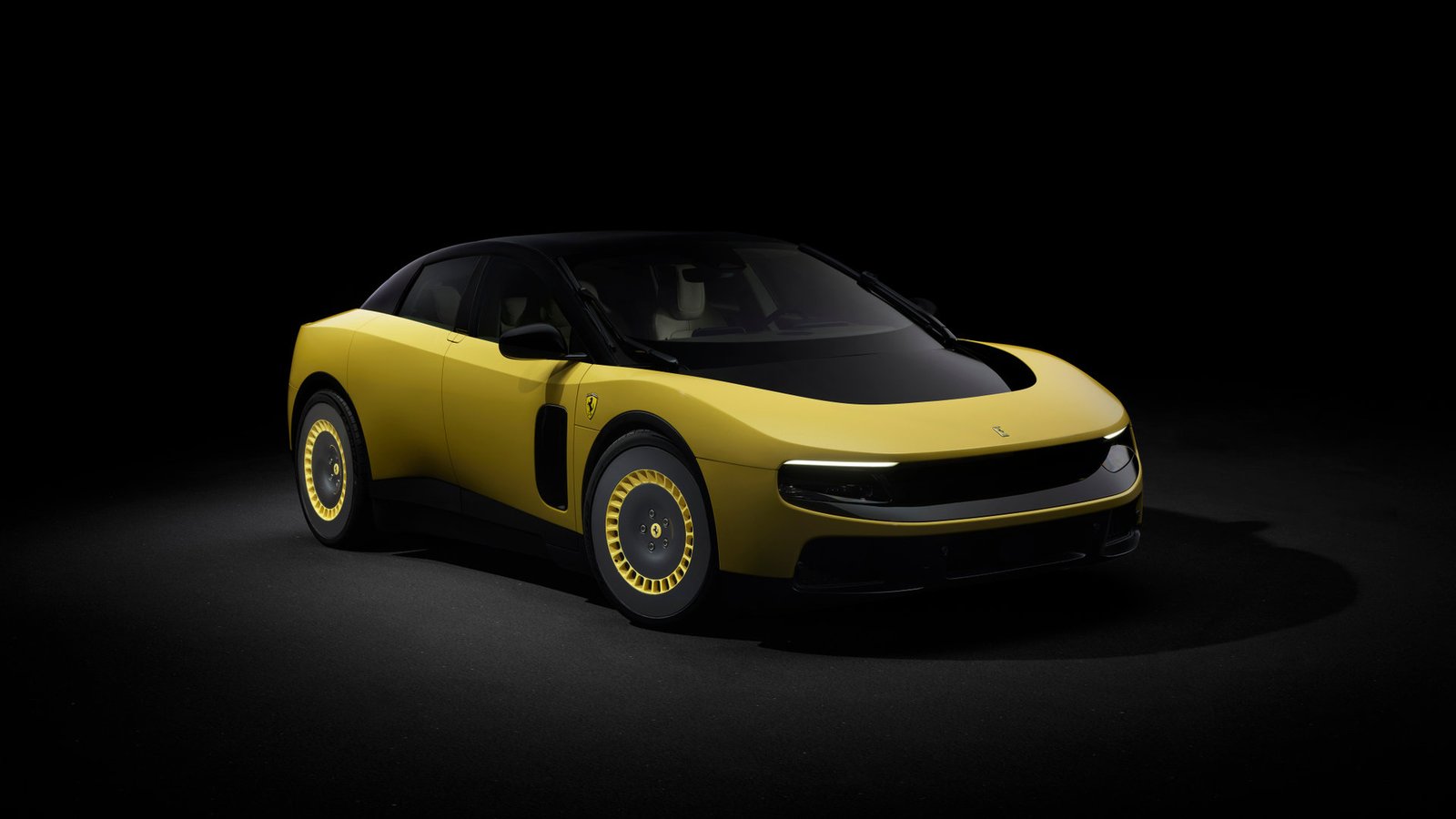
The claim gained traction after the Luce made its debut last month, tapping into a long-running fascination with how Ferrari manages access to its most coveted models.
Galliera’s position is straightforward. A customer pushed into a car they don’t want is unlikely to become a happier or more loyal Ferrari owner.
That matters especially when the car in question is Ferrari’s first EV and carries a price of roughly $636,000, or €550,000.
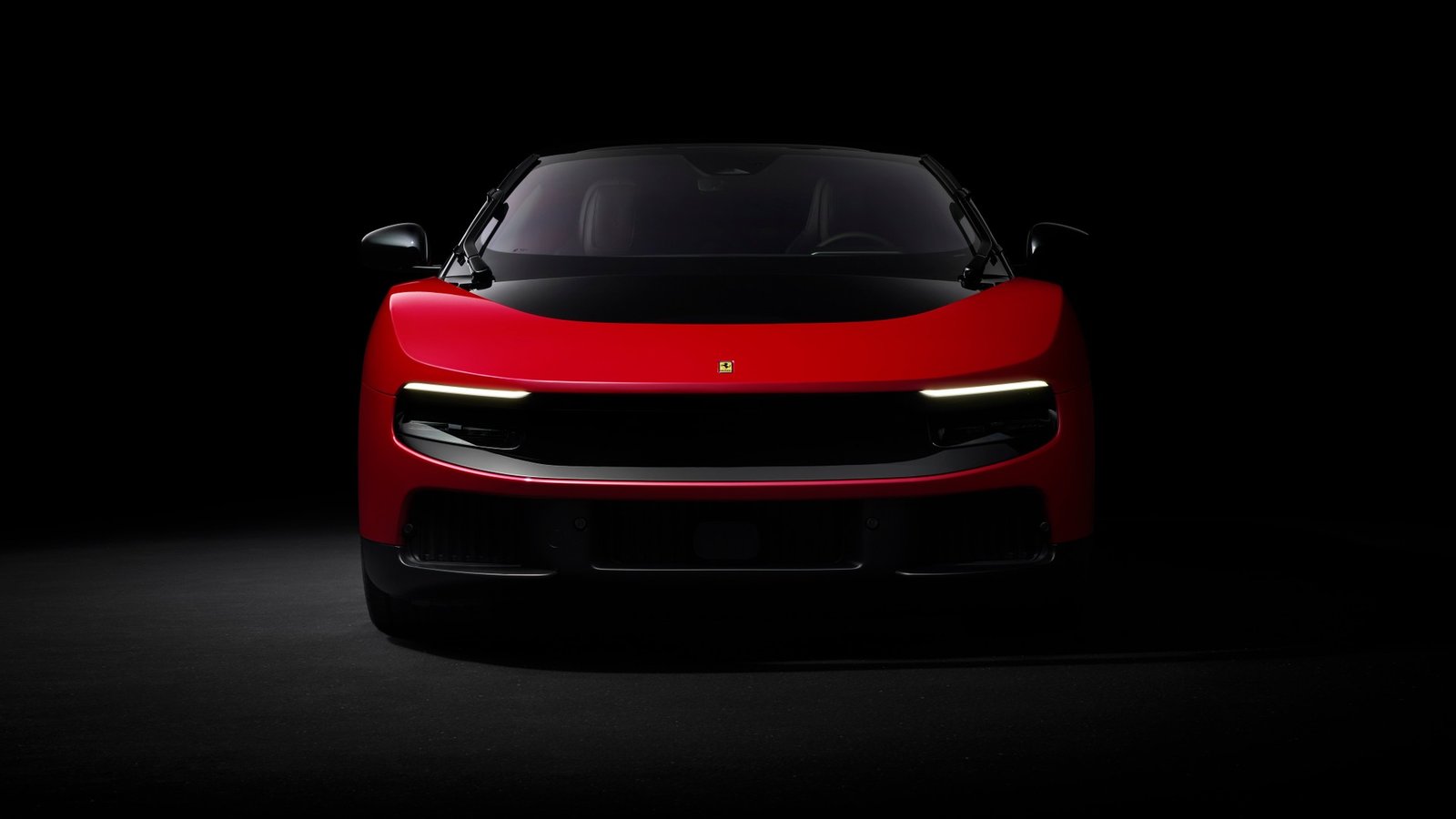
Why Forced Demand Would Be a Risky Game
Ferrari’s business has always relied on desire, restraint and careful relationship management rather than brute-force volume.
Pressuring collectors into buying an electric Ferrari purely to preserve their standing would cut against that formula, particularly at a moment when the company is asking traditional enthusiasts to accept a new type of Ferrari.
There’s also a practical resale issue.
If reluctant buyers took delivery and quickly moved the cars on, the secondary market could become cluttered with nearly new examples, undermining confidence in residual values before the Luce has had time to establish itself.
For a brand that treats scarcity as part of the ownership experience, that kind of churn would be more damaging than a slower, more deliberate rollout.
The Luce Is Drawing a Broader Ferrari Audience
The more interesting detail is that the Luce doesn’t appear to need coercion to find an audience.
Early demand is said to include both established Ferrari collectors and newer buyers attracted by the idea of an electric Maranello flagship.
That split is important because Ferrari’s EV era can’t depend only on existing clients who already own V12s, V8s and limited-series cars.
The Luce has to appeal to people who see electrification not as a compromise, but as a fresh expression of performance and status.
Interest in Thailand is already building ahead of deliveries planned for late 2027, suggesting the car’s appeal may extend well beyond Ferrari’s most predictable collector circles.
A Delicate First Step Into Electric Ferrari Ownership
The Luce arrives at a sensitive moment for Ferrari.
Electrification gives the brand room to explore new performance characteristics, but it also asks buyers to accept a Ferrari without some of the sensory cues that have defined the marque for decades.

That makes customer consent more valuable than ever.
The first electric Ferrari needs owners who actively want it, talk about it with conviction and keep it in the right circles, not buyers who feel they had to tick a box to stay close to Maranello’s rarest cars.
Ferrari’s denial is less about quieting one rumour than protecting the tone of the Luce launch.
If the car is going to succeed, it has to do so as a desirable Ferrari in its own right, not as a gatekeeping exercise for what comes next.