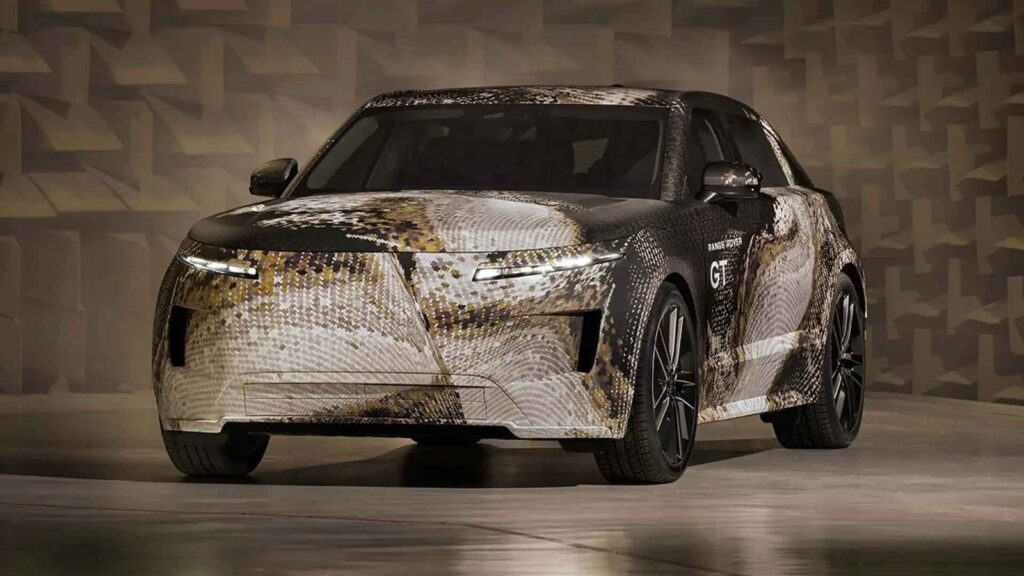
Range Rover has always traded on presence, but the new Range Rover GT takes that idea in a different direction.
Instead of simply making another tall luxury SUV, Land Rover has shaped this model around a lower, longer grand touring attitude, with a roofline that leans closer to an elegant wagon than a traditional off-roader.
It’s a clear signal that the Range Rover name can stretch into something sleeker without abandoning the brand’s calm, premium character.
At a glance
- The Range Rover GT introduces a lower, more streamlined take on Land Rover’s luxury SUV formula.
- It rides on the new EMA platform and launches as a fully electric model, with a hybrid expected later.
- The cabin offers a minimalist layout, frameless doors, a glass roof and a choice of 2+2 or rear-bench seating.
A lower Range Rover with a grand touring brief
The Range Rover GT is larger than the Velar and closer in footprint to the Range Rover Sport, but its proportions give it a character of its own.
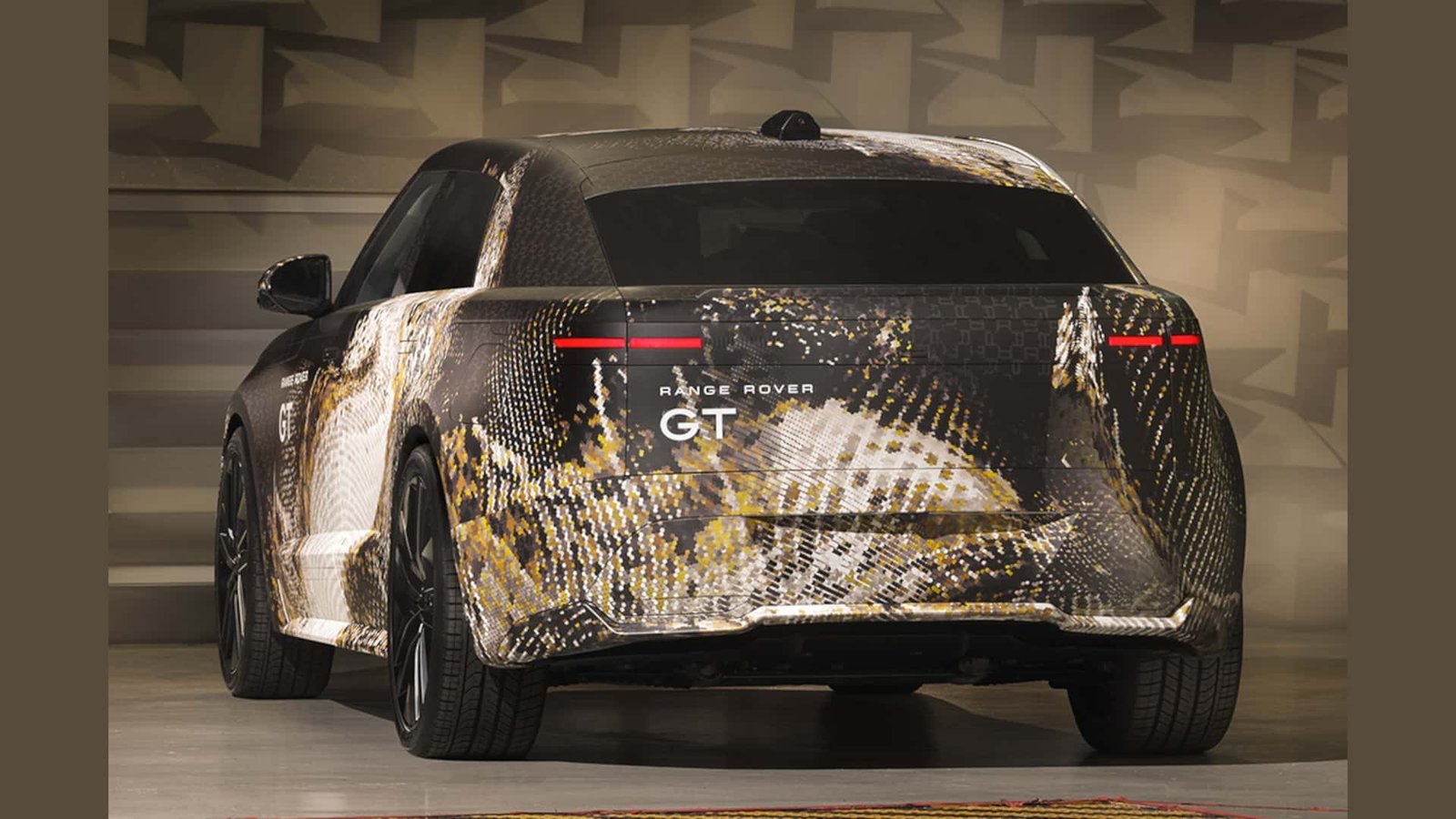
The gently sloping roofline is the defining move here, softening the familiar Range Rover mass and giving the car a more road-biased profile.
It doesn’t look like a conventional SUV trying to look sporty, which is often where these projects lose their balance.
Instead, the GT appears to lean into long-distance comfort and visual restraint, with a silhouette that suggests quiet speed rather than rugged theatre.
Electric first on Land Rover’s EMA platform
The Range Rover GT uses Land Rover’s new EMA architecture, and at launch it’s set up as a fully electric model.
A hybrid version is expected to follow, which should give the car a broader audience for buyers who aren’t ready to make the full switch to electric motoring.
Detailed performance figures, battery information and range numbers haven’t been confirmed yet.
What is clear is that this won’t be the most trail-focused member of the Range Rover family.
The GT’s stance and brief point more toward smooth, effortless distance driving than serious off-road work, which makes sense for a model shaped around grand touring rather than expedition ability.

A calmer cabin with useful physical controls
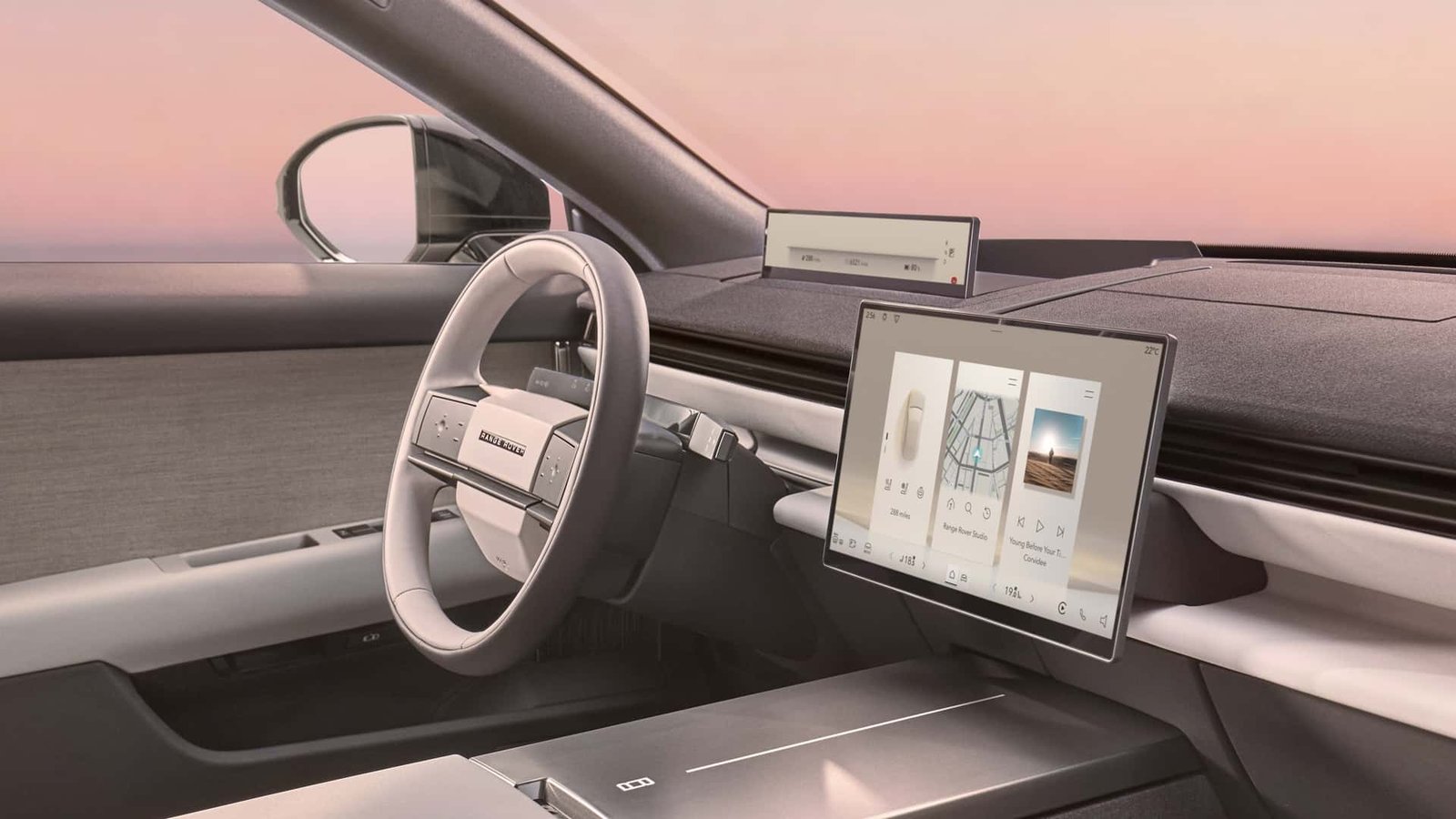
The interior follows the current luxury trend toward reduction, though it avoids turning the whole cabin into a slab of glass.
There are screens, but they don’t appear to overwhelm the dashboard, and Land Rover has retained physical controls for key functions.
That matters in a car expected to cover distance in comfort, where usability can be just as important as visual drama.
Frameless doors add to the GT’s more elegant positioning, while a full-glass roof helps make the cabin feel open and relaxed.
Buyers will be able to choose between a 2+2 configuration and a more practical rear bench.
In the four-seat arrangement, rear passengers get a dedicated console with controls and charging options, turning the back of the car into a more private lounge space.
Details & Specifications
| Brand | Land Rover |
|---|---|
| Model | Range Rover GT |
| Platform | EMA |
| Powertrain | Fully electric at launch |
| Future powertrain | Hybrid expected later |
| Positioning | Larger than Velar, closer in size to Range Rover Sport |
| Body style | Lower grand touring silhouette with sloping roofline |
| Doors | Frameless |
| Seating | 2+2 layout or rear bench |
| Interior highlights | Minimal layout, physical controls, rear console on four-seat version, full-glass roof |
The Range Rover GT looks like a useful expansion of the brand rather than a break from it.
If the final driving experience matches the promise of the shape and cabin, this could become the Range Rover for buyers who want the badge’s refinement without the upright SUV template.