BYD’s Seal 07 has moved into its second generation with a broader brief than before.
Launched in China with both fully electric and plug-in hybrid powertrains, the new sedan folds in the brand’s latest design language, flash-charging technology and more advanced driver-assistance hardware.
It also arrives at a sharp starting point, with pricing from 139,900 yuan, or around $20,975, before discounts.
At a glance
- BYD has launched the second-generation Seal 07 in China with electric and plug-in hybrid variants.
- The sedan gets a 15.6-inch floating touchscreen, roof-mounted LiDAR and BYD’s God’s Eye driver assistance system.
- Prices start at 139,900 yuan, around $20,975, before discounts.
Ocean Aesthetics 2.0 gives the Seal 07 a cleaner face
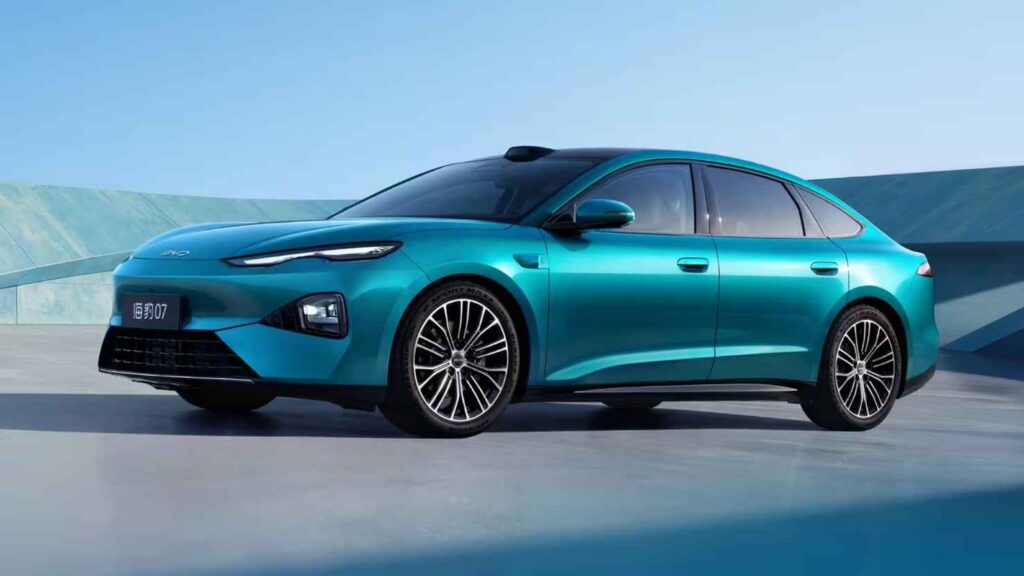
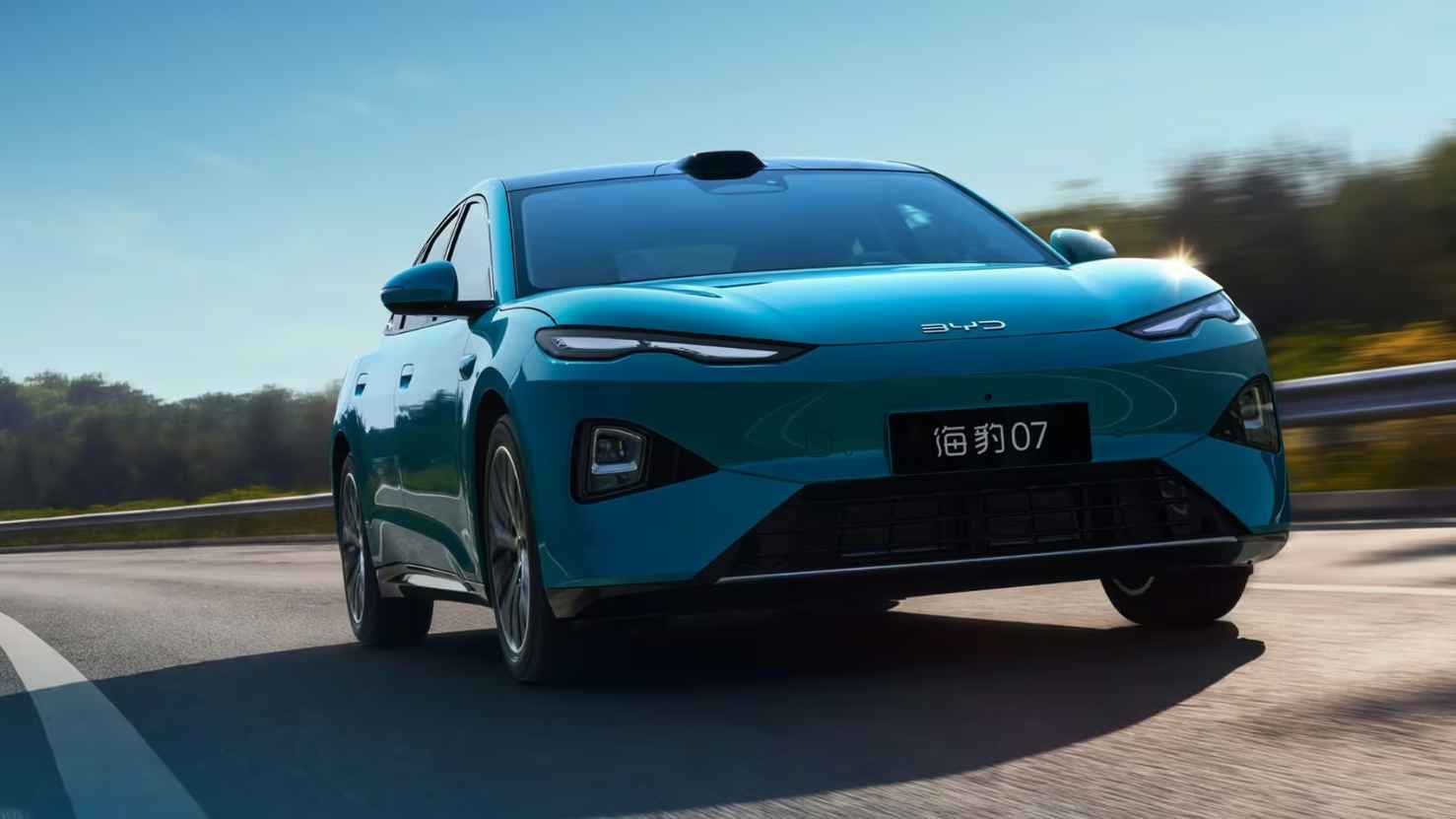
The new Seal 07 follows BYD’s Ocean Aesthetics 2.0 design language, which gives the sedan a smoother, more technical look.
At the front, the car uses split wave-shaped headlights and a closed-off grille, while the rear is defined by a full-width light bar.
The roof-mounted LiDAR sensor is the more obvious clue that this generation is leaning harder into driver-assistance technology.

It supports BYD’s God’s Eye driver assistance system, giving the Seal 07 a feature set that should matter to buyers looking beyond battery size and screen count.
Inside, the focus is on screens and visibility
The cabin is built around a 15.6-inch floating central touchscreen, joined by a 10.25-inch digital instrument cluster.
A head-up display is also included, which gives the driver another layer of information without relying solely on the central screen.
BYD hasn’t positioned the Seal 07 as a minimalist statement car in the information available so far.
Instead, the emphasis is on a tech-forward sedan layout with the major interfaces placed clearly in view.
Electric and hybrid versions target different drivers
The plug-in hybrid pairs a 1.5-litre turbocharged petrol engine with a 160 kW electric motor, equal to 214 hp.
It uses a 38.029 kWh LFP battery and offers a claimed electric-only range of 245 km, or 152 miles, on the WLTC cycle.
That makes the hybrid version the more flexible option for drivers who want meaningful electric range without giving up a combustion engine.
The fully electric Seal 07 takes a different route, with 400 hp, a claimed top speed of 240 km/h, or 150 mph, and up to 718 km, or 446 miles, of WLTP range.
Those figures place the EV version as the performance and long-range choice within the line-up, at least on the confirmed numbers available.
Details & Specifications
| Brand | BYD |
|---|---|
| Model | Second-generation Seal 07 |
| Market launch | China |
| Powertrains | Fully electric and plug-in hybrid |
| Plug-in hybrid engine | 1.5-litre turbocharged petrol engine |
| Plug-in hybrid electric motor | 160 kW, 214 hp |
| Plug-in hybrid battery | 38.029 kWh LFP battery |
| Plug-in hybrid electric range | Claimed 245 km, 152 miles, WLTC |
| Fully electric output | 400 hp |
| Fully electric range | Up to 718 km, 446 miles, WLTP |
| Fully electric top speed | Claimed 240 km/h, 150 mph |
| Interior display | 15.6-inch floating touchscreen |
| Instrument cluster | 10.25-inch digital display |
| Driver assistance | BYD God’s Eye with roof-mounted LiDAR sensor |
| Starting price | 139,900 yuan, around $20,975, before discounts |
The second-generation Seal 07 is another reminder of how quickly BYD is filling the space between affordable electrification and advanced onboard technology.
For buyers in China, the appeal is straightforward: sedan proportions, a choice of EV or plug-in hybrid power, and a price that puts serious pressure on more established nameplates.