Few watch names can claim a timeline as deep as Favre Leuba’s.
Founded in 1737, the brand sits among the oldest surviving names in Swiss watchmaking, but its significance isn’t just a matter of age.
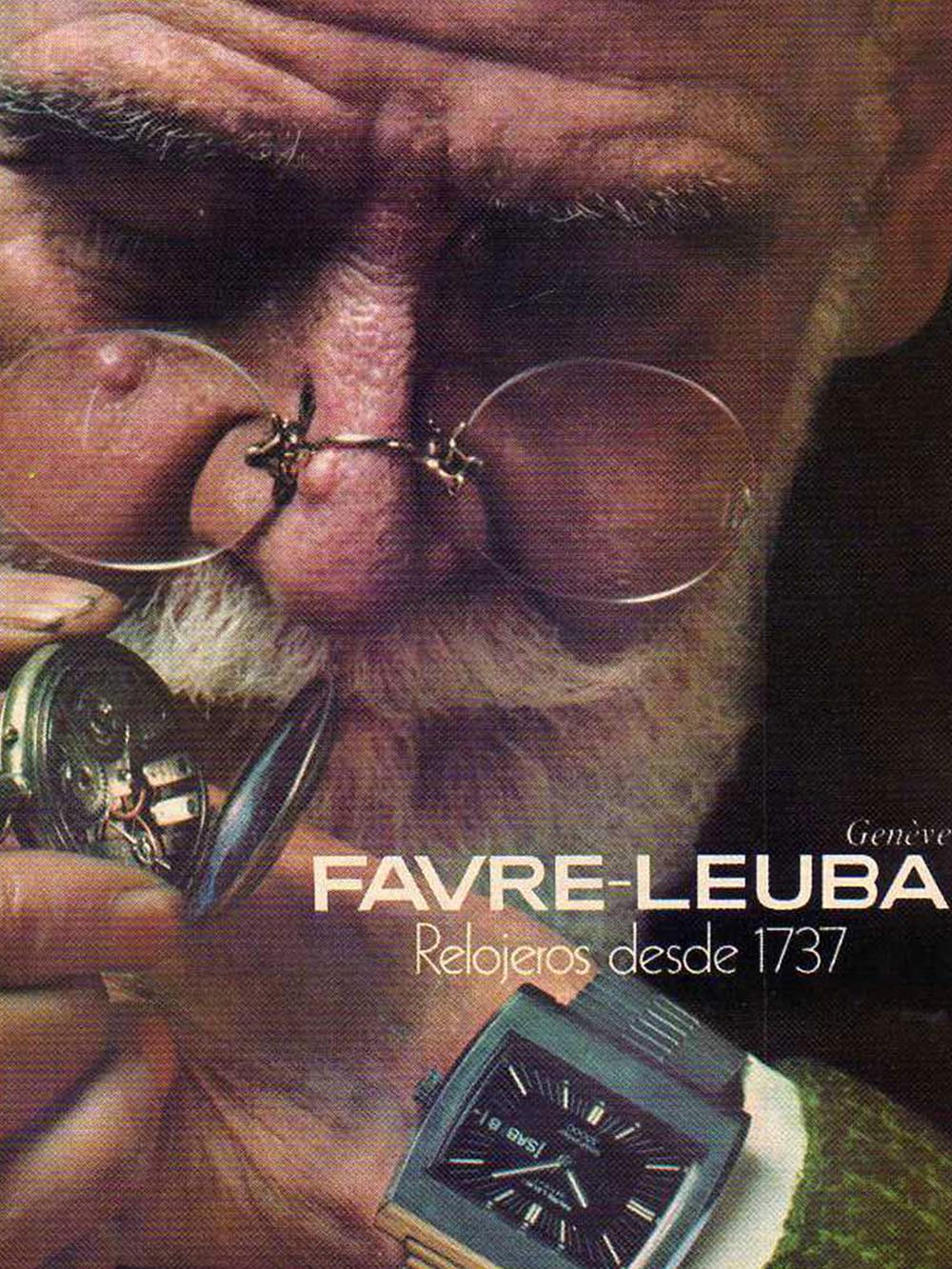
Across nearly three centuries, Favre Leuba has moved through pocket watch craft, chronometric ambition, global expansion, expedition timing, the shock of quartz and a modern return to mechanical watchmaking.
At a glance
- Favre Leuba traces its founding to 1737, making it one of the oldest names in Swiss watchmaking.
- The brand’s history spans early Le Locle craftsmanship, international prizes, exploration watches and modern mechanical collections.
- Its recent revival has brought renewed attention to the Chief, Deep Raider, Sea Sky, Chief Tourbillon and 1737 Triple Calendar.
Favre Leuba’s story begins before the company name itself took shape.
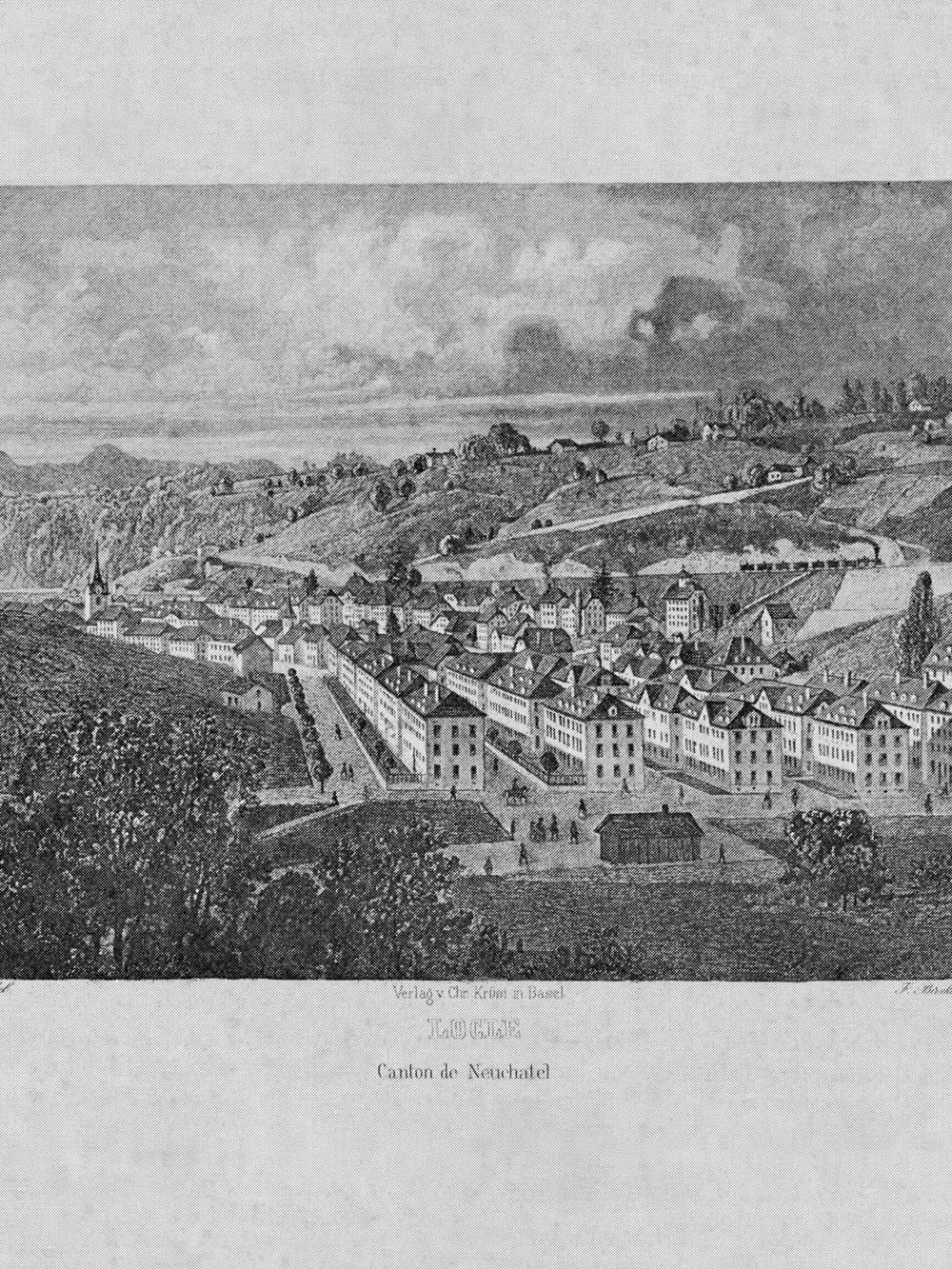
In 1718, a 16-year-old Abraham Favre entered the trade as an apprentice to David Gagnebin in Le Locle, at a time when watchmaking meant hand-finished components, pocket watches and deeply local networks of specialist craft.
Abraham Favre and the Le Locle foundations
By 1737, Abraham Favre had established his own recorded workshop, the point at which the company’s formal history begins.
That workshop emerged in one of the most important watchmaking towns in Switzerland, where reputation was earned through skill rather than branding.
Favre’s standing grew quickly.
In 1749, he was awarded the title of Maître Horloger du Locle, a distinction that marked him as a leading watchmaker in a place already known for exceptional horological talent.
The early Favre Leuba story also shows a pattern that would return repeatedly across the centuries.
In 1764, Abraham Favre worked on a watch with Jacques-Frédéric Houriet, the figure often remembered as the Father of Swiss Chronometry.
Houriet’s interest in precision, balance design and protection against magnetic fields placed him among the more forward-looking watchmakers of the period.
For Favre to be working in that circle says plenty about the seriousness of the workshop from its earliest years.
From family workshop to international name
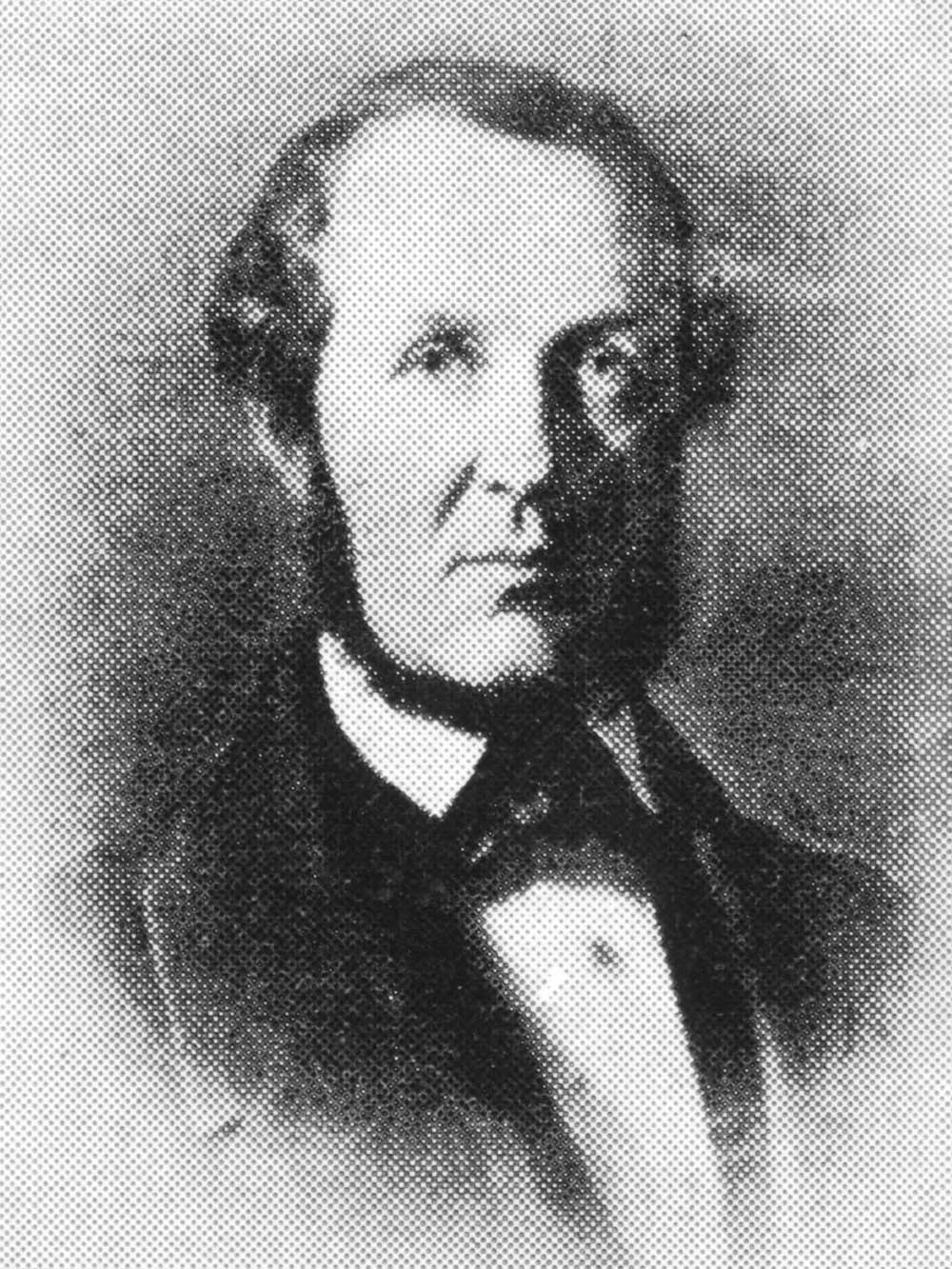
After Abraham Favre’s death in 1790, the company remained in family hands and continued to build momentum.
The next major chapter came in 1820, when Henry Auguste Favre pushed the business beyond its Swiss and European footing.
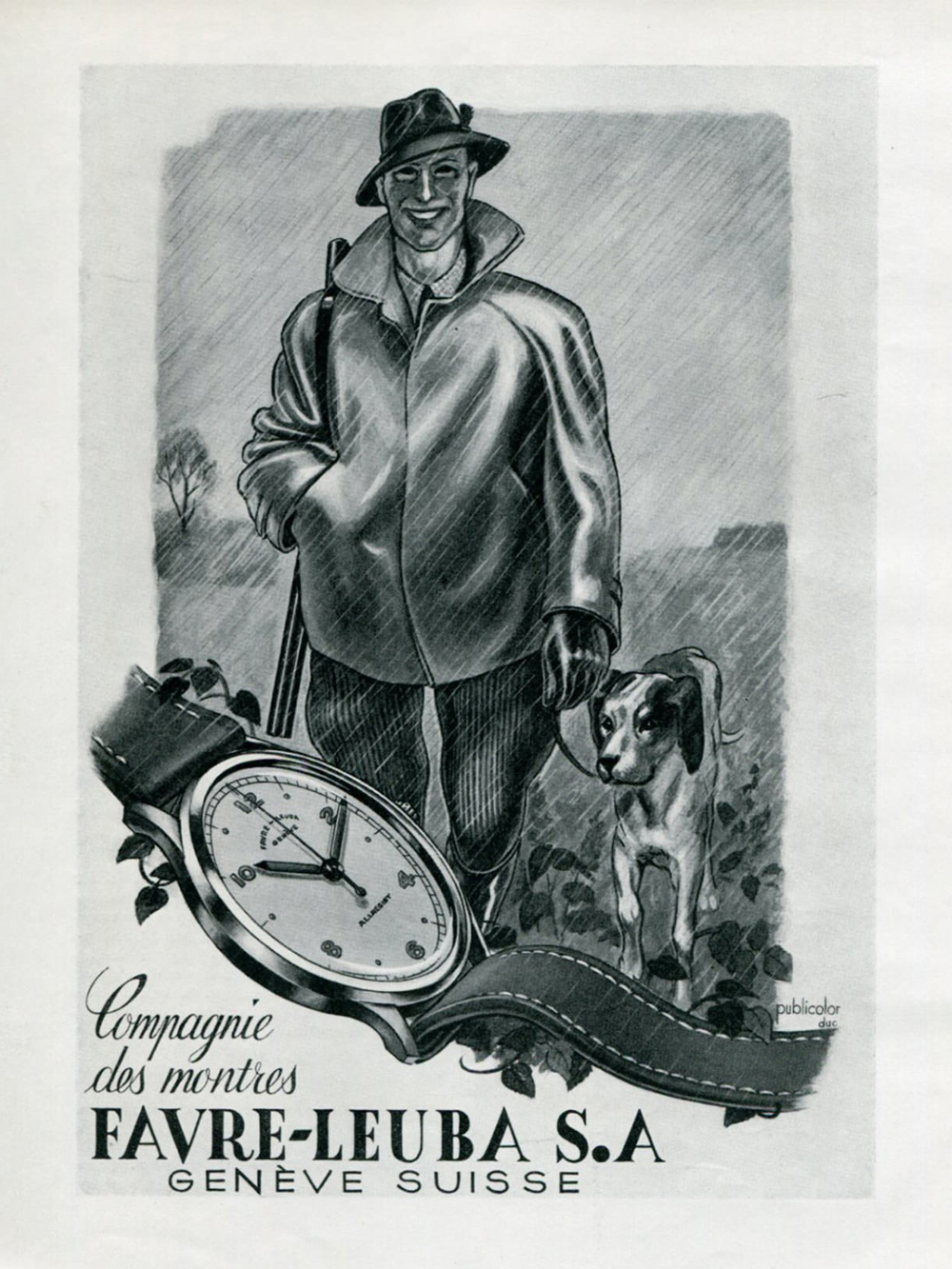
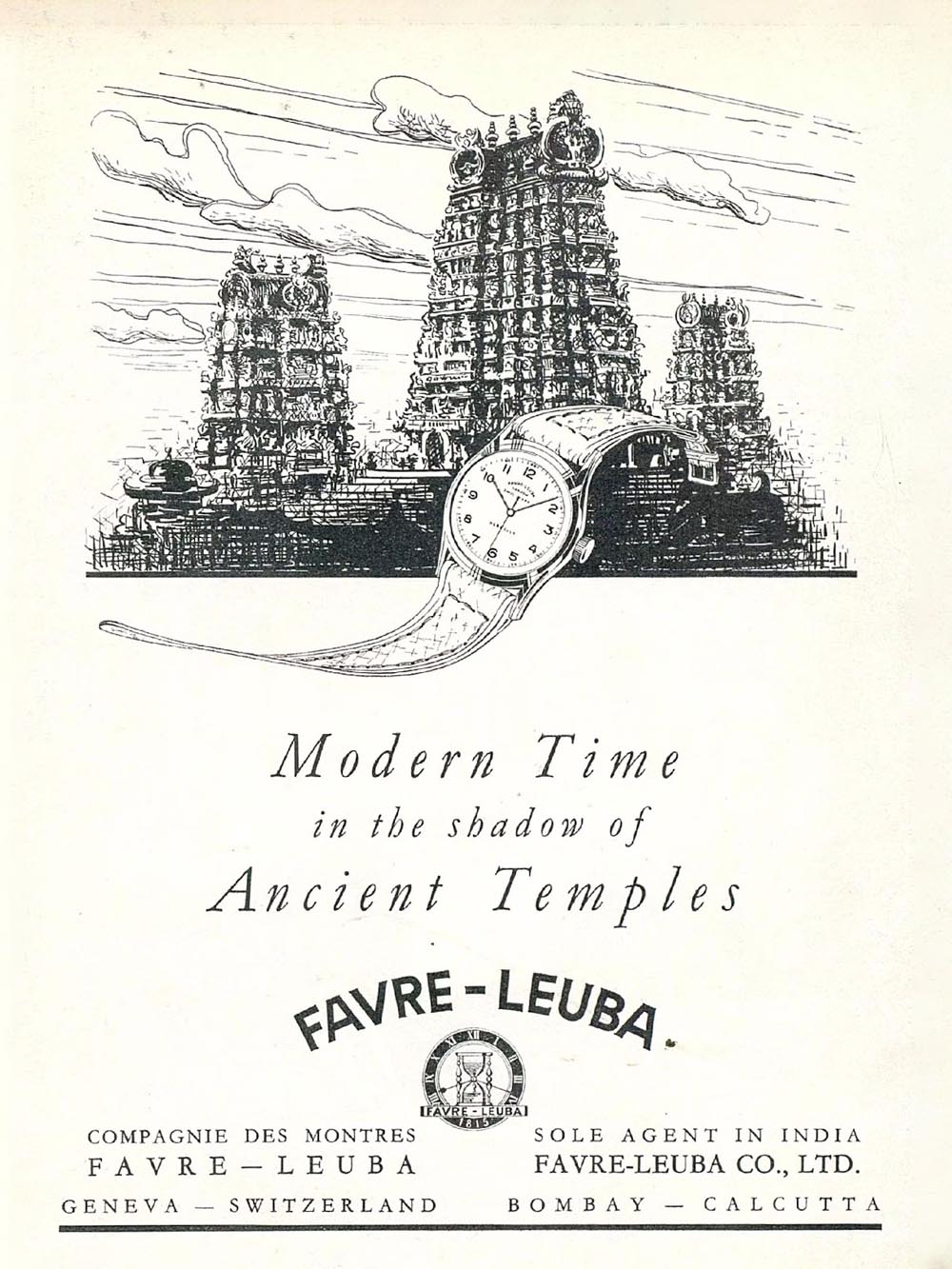
He travelled widely in pursuit of clients, reaching markets including Germany, Russia, Cuba, the United States, Brazil and Chile.
For a 19th-century watch house, that kind of commercial movement mattered.
It positioned Favre Leuba not only as a respected Swiss maker, but as a name with international reach at a time when fine pocket watches were travelling with merchants, officials and private clients across continents.
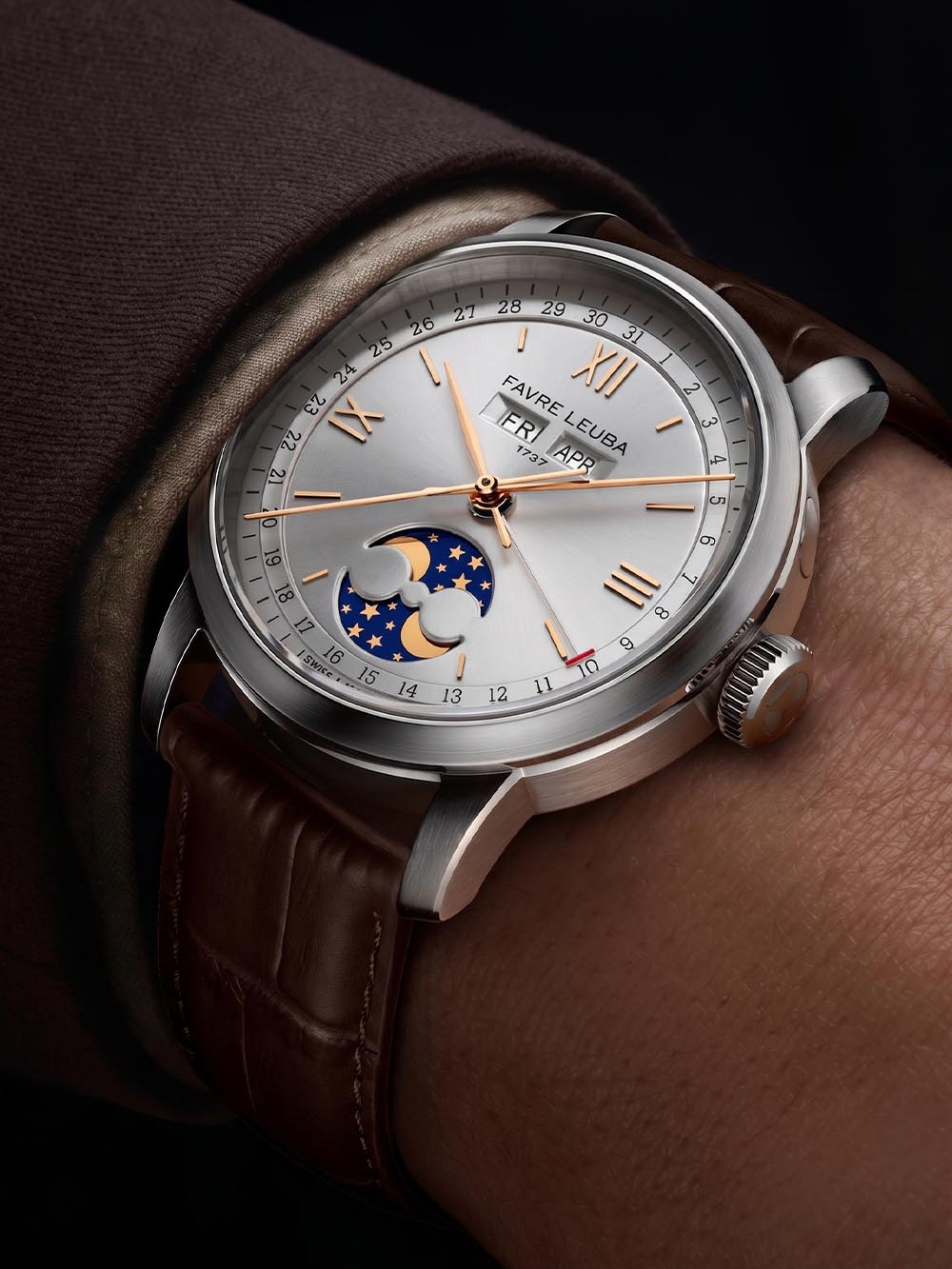
That wider recognition helped the brand during the mid-19th century, when chronometry and watchmaking competitions became important public stages for technical legitimacy.
Favre Leuba collected prizes in London in 1851, New York in 1853, Paris in 1855, Bern in 1857 and Porto in 1865.
Those awards were more than decorative footnotes.
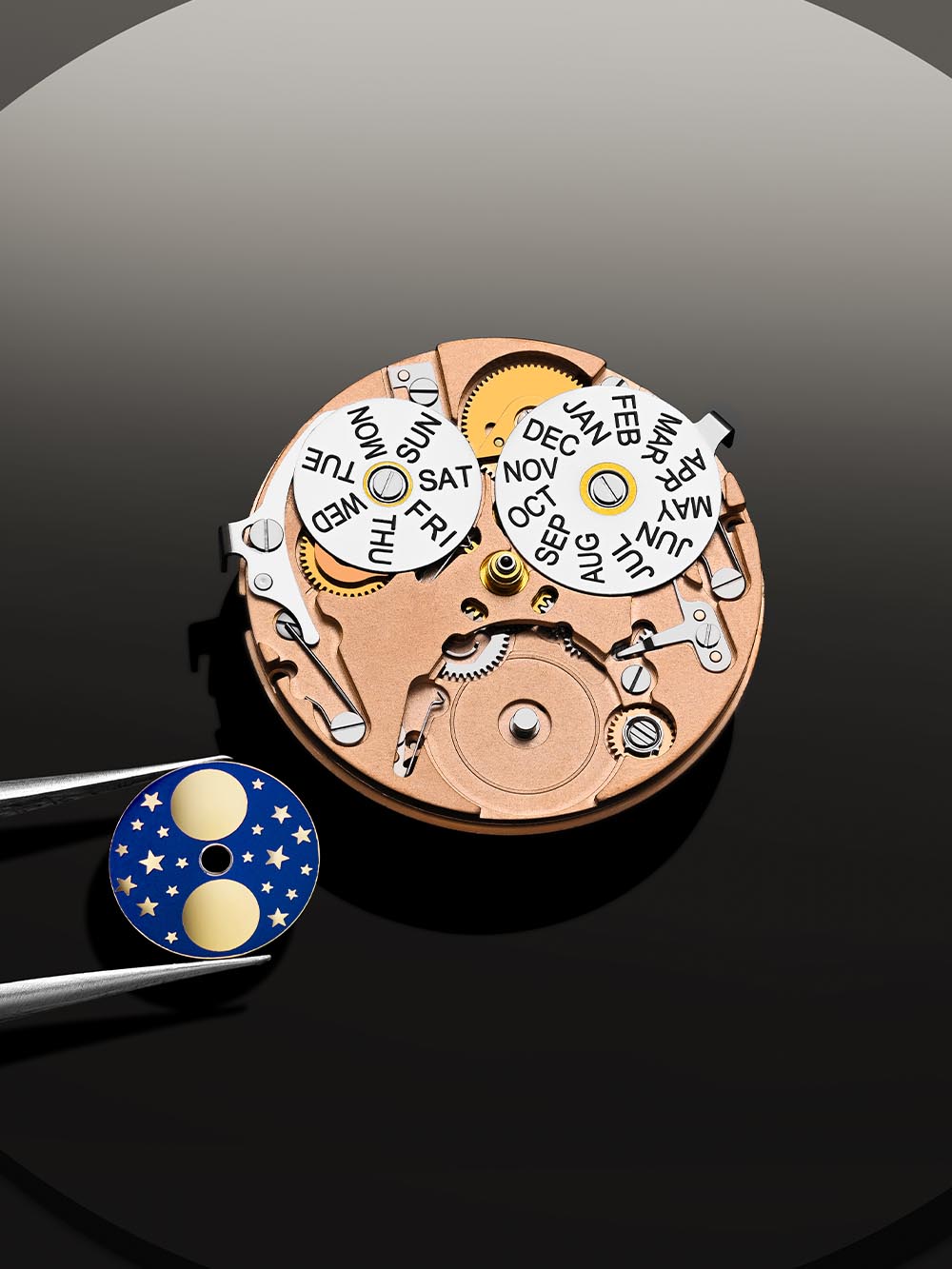
They placed the company in the visible competitive culture of the period, where precision and finishing could be tested, ranked and celebrated before an international audience.
Exploration watches and a turbulent 20th century
The 20th century brought both expansion and strain.
Under the long stewardship of Henri Favre Leuba, who served as president of the board of directors until his death in 1961, the brand navigated one of the most volatile periods in modern watchmaking.
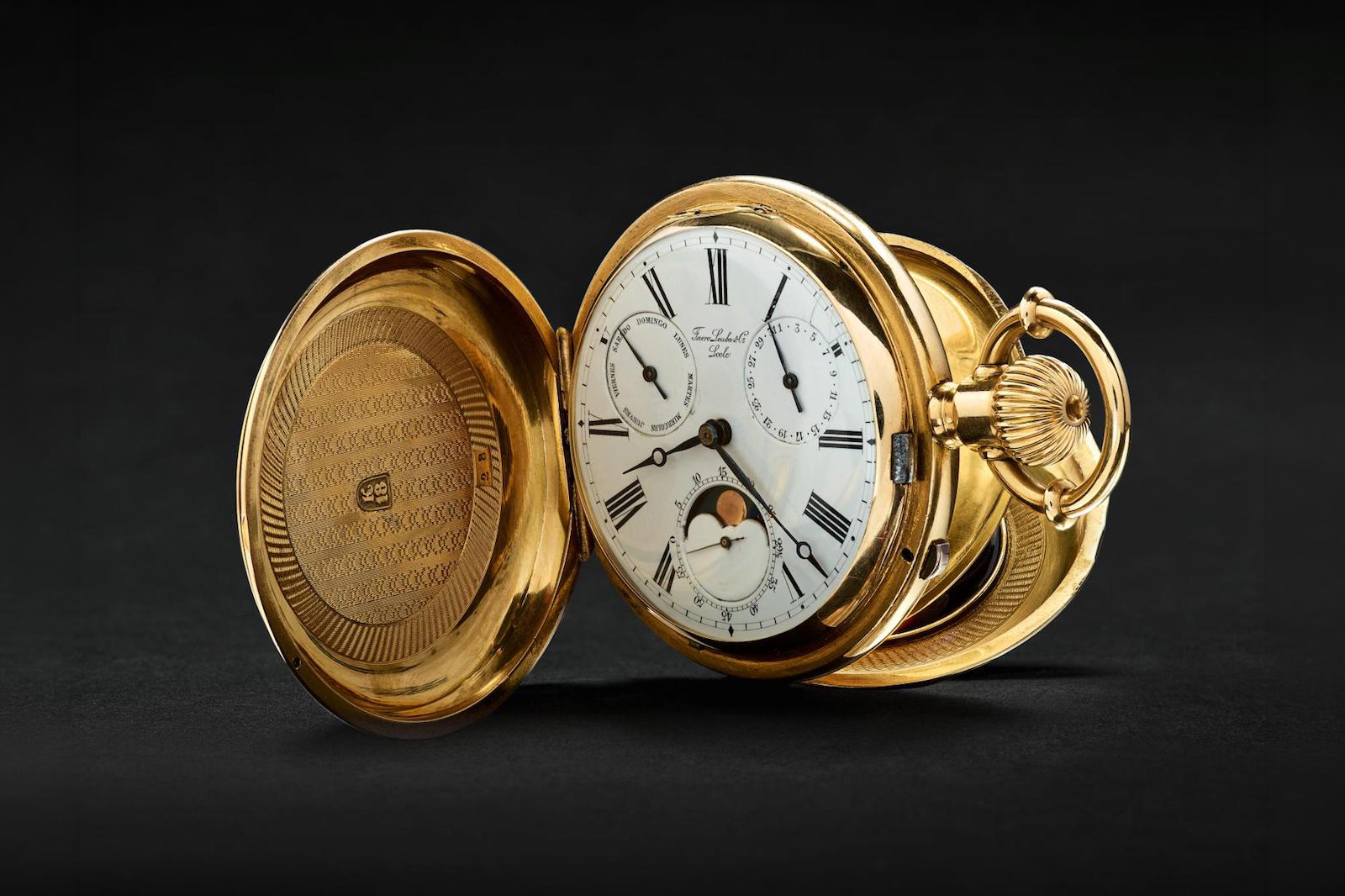
The Second World War put severe pressure on the European watch trade, disrupting workshops and reducing demand for luxury goods.
Favre Leuba’s response after the war was decisive.
In 1948, it acquired the name and workshops of Bovet, leading for a time to watches carrying the Favre Leuba Bovet name.
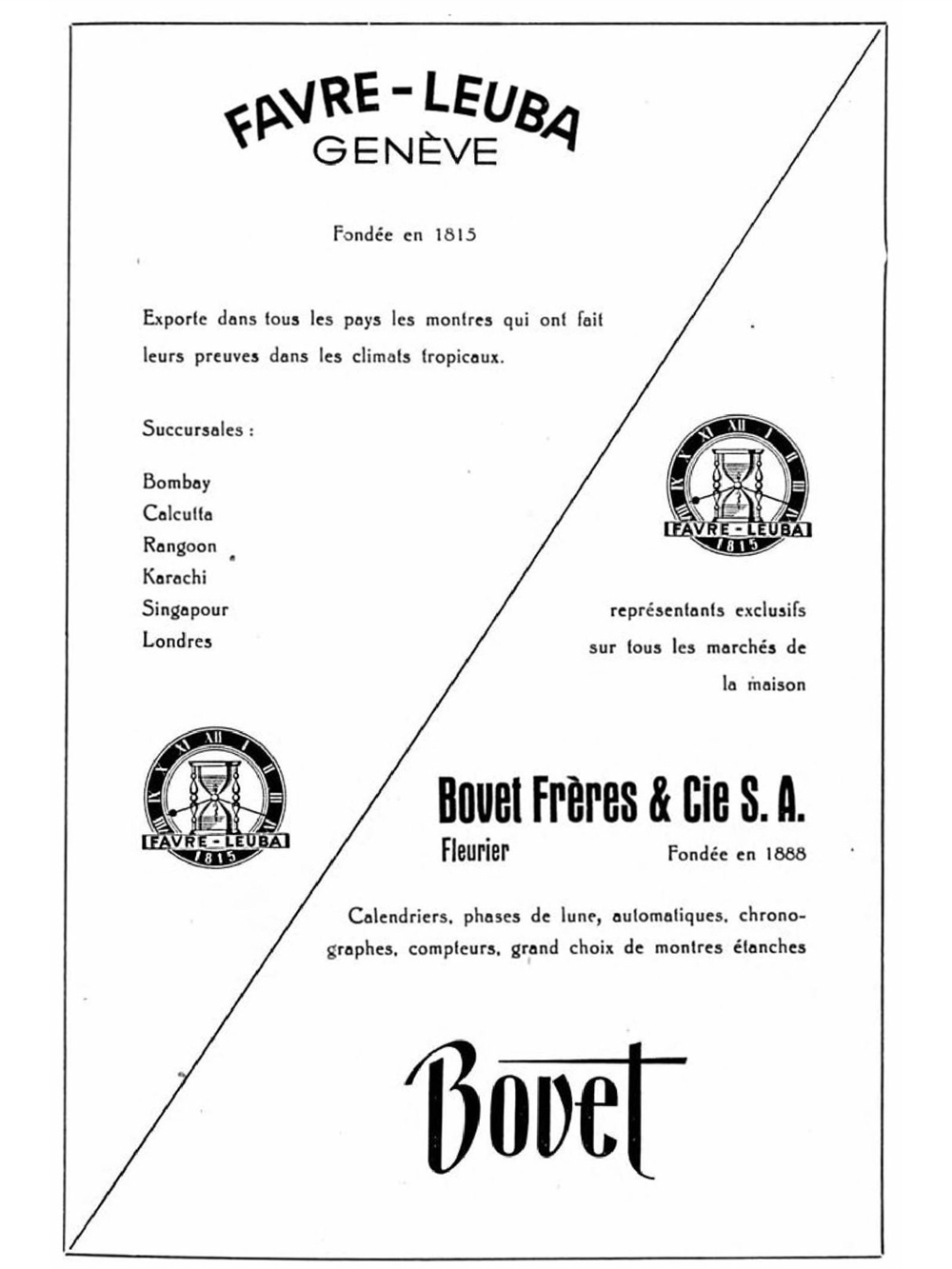
The move helped renew production capacity and supported the development of in-house movement work as the company entered the 1950s.
By the 1960s, sports watches and dive watches were reshaping the industry, and Favre Leuba found one of its defining post-war directions.
The Water Deep became a flagship model, connecting the brand with the era’s growing appetite for capable, purpose-led wristwatches.
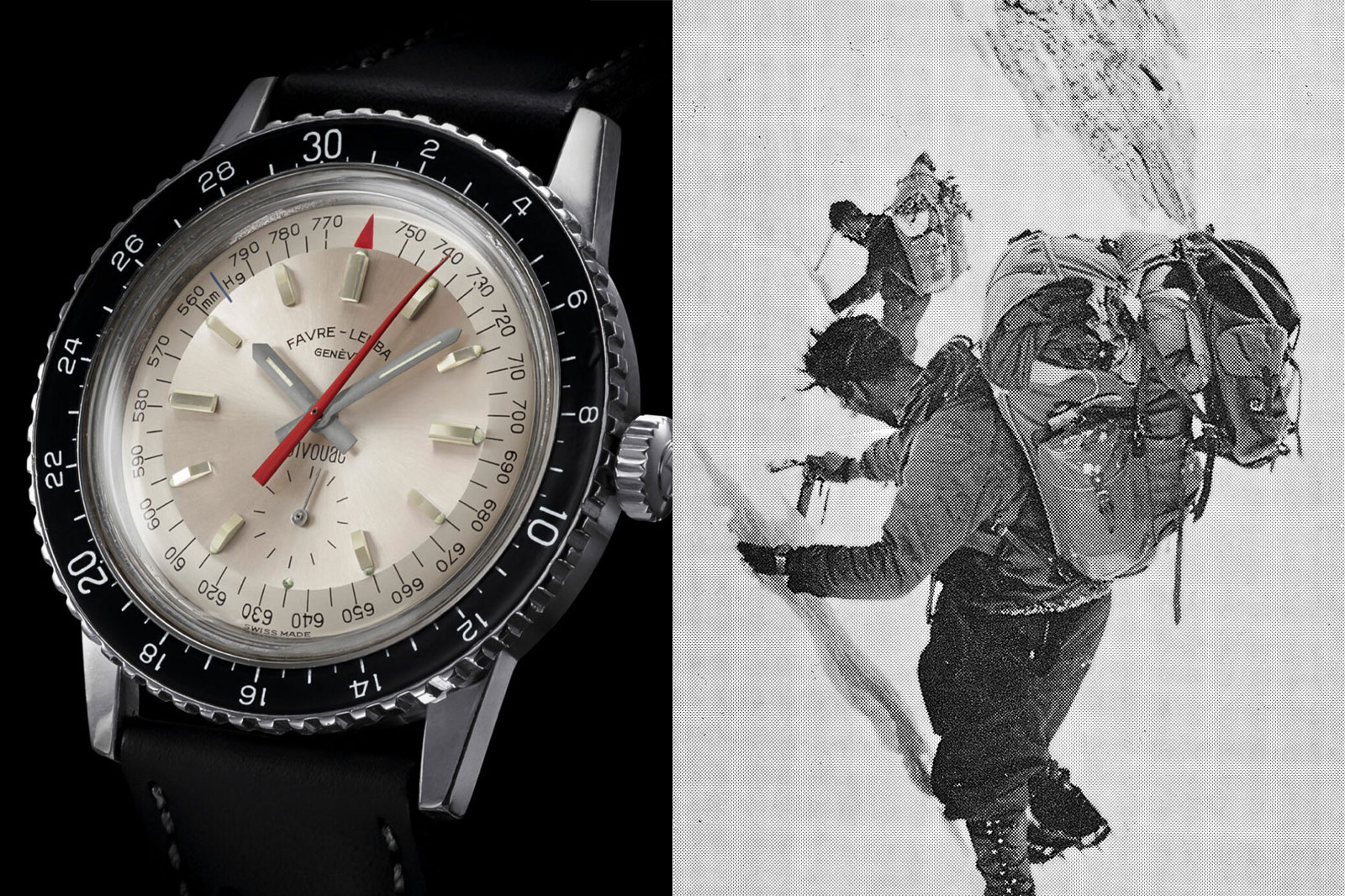
The Bivouac gave the company another strong identity, particularly through its association with exploration and mountaineering.
It appeared on the wrists of figures and teams including the Swiss National Parachuting Team, Italian mountaineer Walter Bonatti, Swiss mountaineer Michel Darbelley and polar explorer Paul-Emile Victor.
In 1969, Favre Leuba purchased the SAPIC Group, then the owner of Jaeger-LeCoultre.

That period produced some unusually interesting cross-branded watches, including Favre Leuba Reverso and Memovox models.
Then came the 1970s, and with them the rise of quartz.
Favre Leuba produced notable models during the decade, including the Sea Raider, Sea Sky and Sea Sky GMT, but the broader market shift reduced the presence of many historic mechanical houses.
The company changed hands, and like much of the Swiss industry, it entered a quieter and more complicated phase.
The modern return of a 1737 name
Favre Leuba’s current chapter began with renewed force in 2024 under CEO Patrik Hoffman.
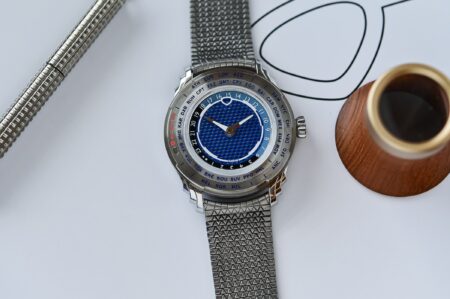
At Geneva Watch Days that year, the brand introduced three modern mechanical collections called the Chief, Deep Raider and Sea Sky.
The names were chosen with care.
Rather than treating the archive as decoration, they connected Favre Leuba’s modern catalogue with the tool-watch and adventure codes that had shaped its 20th-century identity.
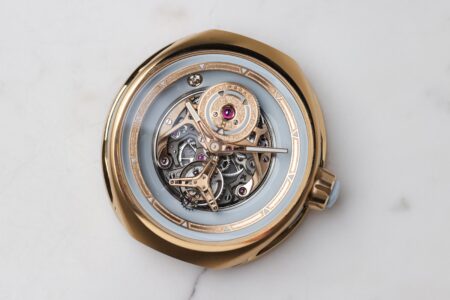
In 2025, the brand stepped further into high-end mechanical watchmaking with the Chief Tourbillon, made in collaboration with Jean-François Mojon.
For a company whose earliest history includes work alongside Jacques-Frédéric Houriet, the return to collaborative mechanical watchmaking feels especially fitting.
By 2026, Favre Leuba had taken a place at Watches and Wonders, the industry’s most visible annual stage.
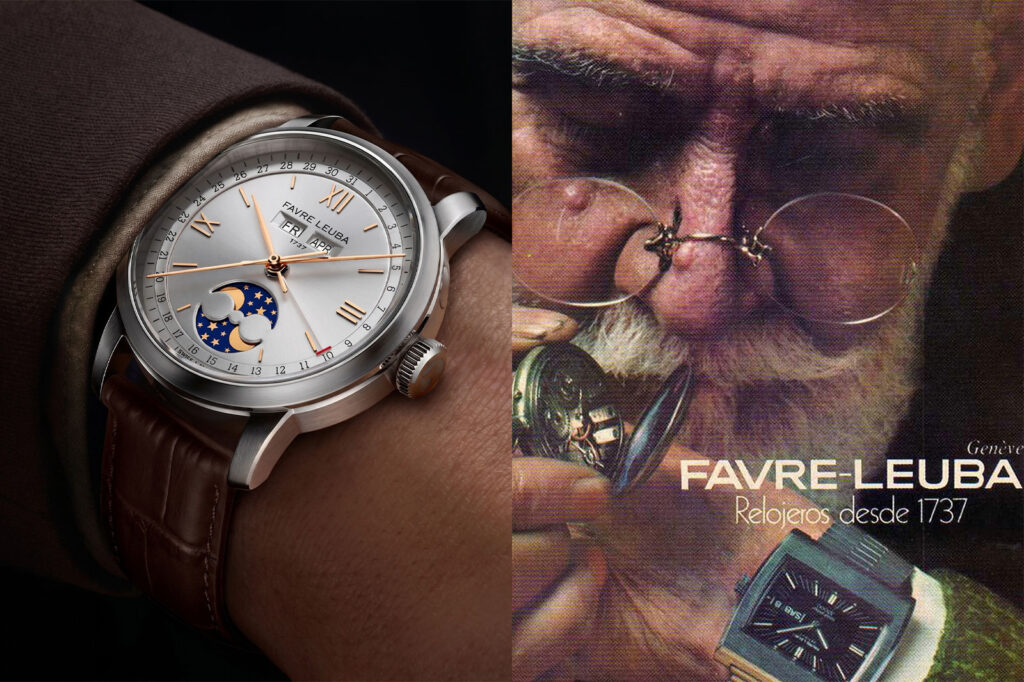
There, it introduced the Harpoon Revival and the 1737 Triple Calendar, a model whose name directly marks the year the company’s story officially began.
That matters because Favre Leuba’s appeal today isn’t limited to nostalgia.
The brand occupies a rare position, with enough age to speak to serious collectors and enough recent activity to feel relevant to buyers looking beyond the usual heritage names.
At 289 years old, Favre Leuba is a reminder that watchmaking history is rarely a straight line.
Its best chapters have come from craft, travel, technical ambition and collaboration, and its modern challenge is to turn that weight of history into watches that earn attention on the wrist now.