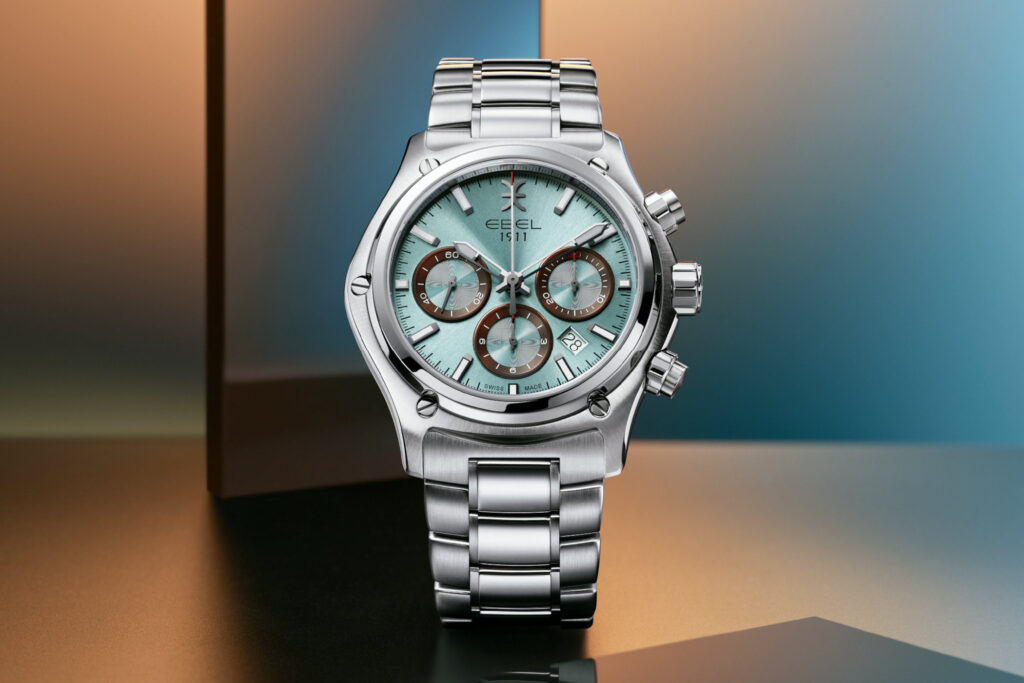
Ebel is changing hands again, and this time the names around the table are unusually compelling.
A buyer group led by Montres Journe SA, with Chanel and Pierre Jacques involved, has agreed to acquire a 95 percent interest in the Swiss watch brand from Movado Group for USD 66.5 million.
For a marque that once sat confidently in the upper tier of elegant Swiss watchmaking, the deal has the feel of a serious attempt at rehabilitation rather than a simple portfolio shuffle.
At a glance
- A buyer group led by Montres Journe SA has agreed to acquire 95 percent of Ebel from Movado Group for USD 66.5 million.
- Chanel is participating in the transaction, while Pierre Jacques, the former CEO of De Bethune, is set to become Ebel’s Chief Executive Officer.
- Movado Group will retain a 5 percent stake, and the deal includes Ebel trademarks, intellectual property, inventory and assets tied to the business.
A serious Swiss name with unfinished business
Ebel was founded in 1911 in La Chaux-de-Fonds by Eugène Blum and Alice Lévy, with the name drawn from their initials.
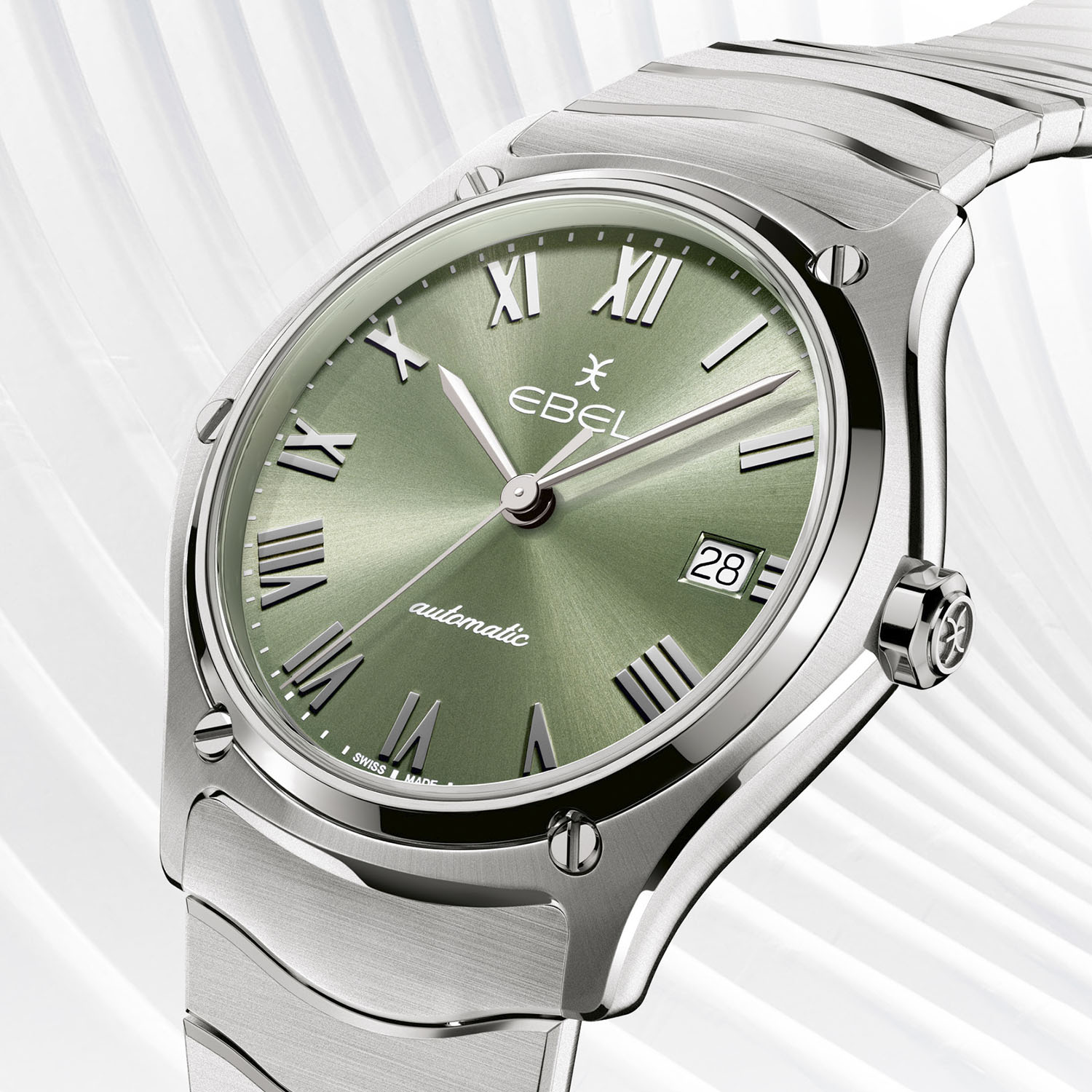
The brand’s strongest era came in the 1970s and 1980s, when it became known for refined, design-led watches that were especially well suited to the quartz age.
While much of the Swiss industry struggled through that period, Ebel found success with chic quartz watches and also produced Cartier watches under licence from the 1970s.
Its later corporate history was less settled.
After financial pressure linked to investments outside watchmaking, Pierre-Alain Blum sold Ebel to Investcorp in 1994, before the brand passed to LVMH in 1999 and then to Movado Group in 2003.
Why Montres Journe SA and Chanel change the conversation
The new ownership group brings a very different watchmaking profile from Movado Group, whose wider business is heavily weighted toward accessible watches and licensed fashion brands.
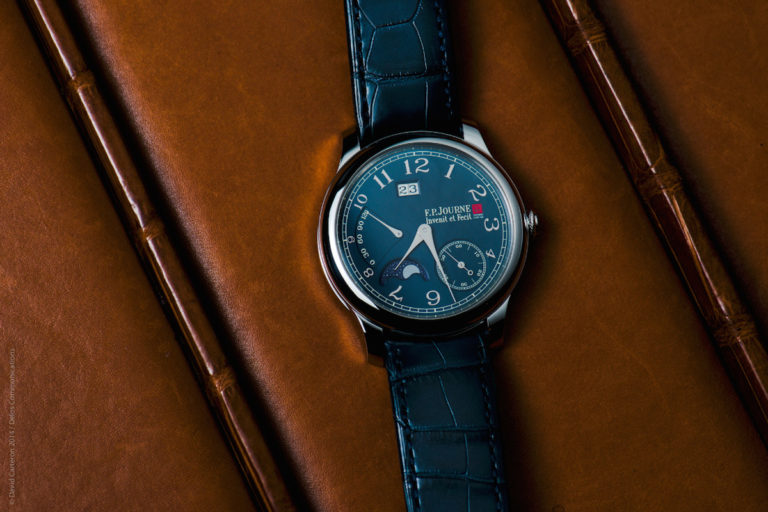
Montres Journe SA is closely associated with the world of high-end independent watchmaking, while Pierre Jacques brings executive experience from De Bethune, one of contemporary independent watchmaking’s most distinctive names.
Chanel’s participation is also notable.
The house already has a substantial footprint in specialist watchmaking through ownership or stakes in businesses including G&F Chatelain, Bell & Ross, Romain Gauthier, F.P. Journe, Kenissi, MB&F and Kross Manufacture.
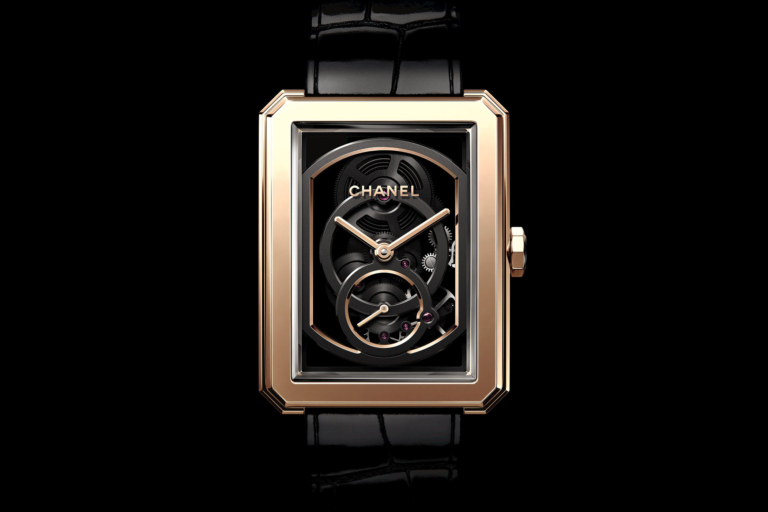
For Ebel, that combination points toward a possible repositioning around Swiss heritage, design credibility and higher-end watchmaking culture.
The Villa Turque adds architectural weight to the deal
The transaction covers Ebel trademarks, other intellectual property, inventory and certain assets primarily dedicated to the business.
Among the most interesting assets is the Villa Turque in La Chaux-de-Fonds, the modernist house designed by Le Corbusier.
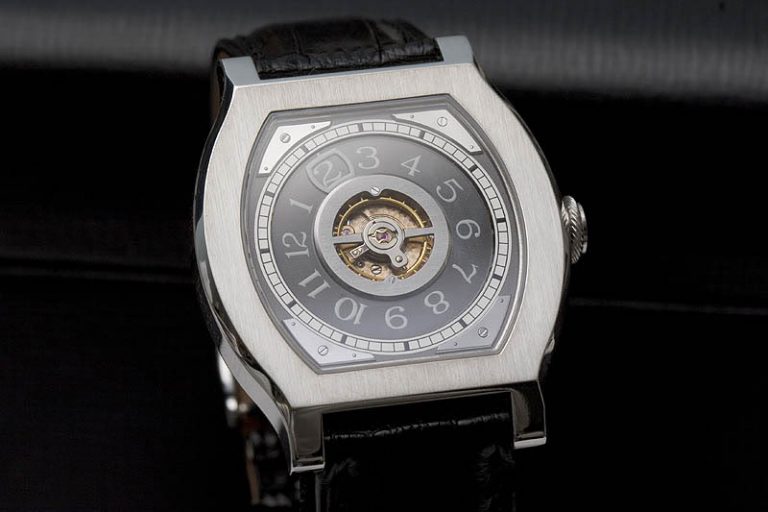
That detail matters because Ebel’s identity has always been unusually tied to architecture, line and proportion, not just conventional watchmaking mechanics.
If the new owners choose to lean into that story, Ebel has more to work with than a dormant name and a logo.
The deal terms now on the table
| Brand | Ebel |
|---|---|
| Seller | Movado Group |
| Buyer group | Led by Montres Journe SA, with Chanel and Pierre Jacques participating |
| Stake being acquired | 95 percent |
| Transaction value | USD 66.5 million, subject to customary adjustments |
| Retained stake | Movado Group will retain 5 percent |
| Incoming CEO | Pierre Jacques |
| Included assets | Trademarks, intellectual property, inventory and certain Ebel-dedicated assets including Villa Turque |
There’s no confirmed product plan yet, and it would be premature to read specific future collections into the deal.
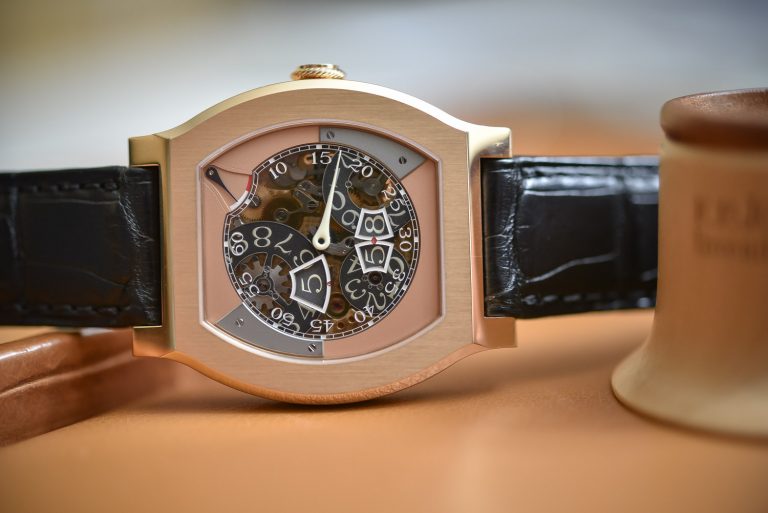
Still, the personalities and companies involved suggest Ebel is being treated as a Swiss watchmaking name worth rebuilding with patience, rather than a label to be kept on life support.
For collectors who remember the brand’s sharper decades, that alone makes this one of the more intriguing ownership moves in contemporary watchmaking.