The best dining detours in Europe often begin with a reservation rather than a flight search.
A table in Modena, Roeselare, San Cassiano or Bonnieux can pull an entire journey into focus, leading travellers away from the obvious capitals and into places where food still has a direct line to landscape, seasons and local habit.
For anyone who has ever planned a trip around dinner, these small-town restaurants make a persuasive case for doing it again.
At a glance
- Four Michelin-starred restaurants in smaller European towns offer compelling reasons to plan a food-led detour.
- The appeal lies in place-specific cooking, from Parmigiano Reggiano in Modena to mountain ingredients in South Tyrol.
- Reservations at top tables can require months of planning, so the restaurant should often come before the itinerary.
Modena rewards the patient diner
Modena is not a city that treats food as decoration.
Balsamic vinegar matures for decades, Parmigiano Reggiano carries the weight of local identity, and the surrounding Emilia-Romagna countryside gives the city a seriousness that can be tasted before dinner even begins.
Osteria Francescana sits at the centre of that culinary gravity.
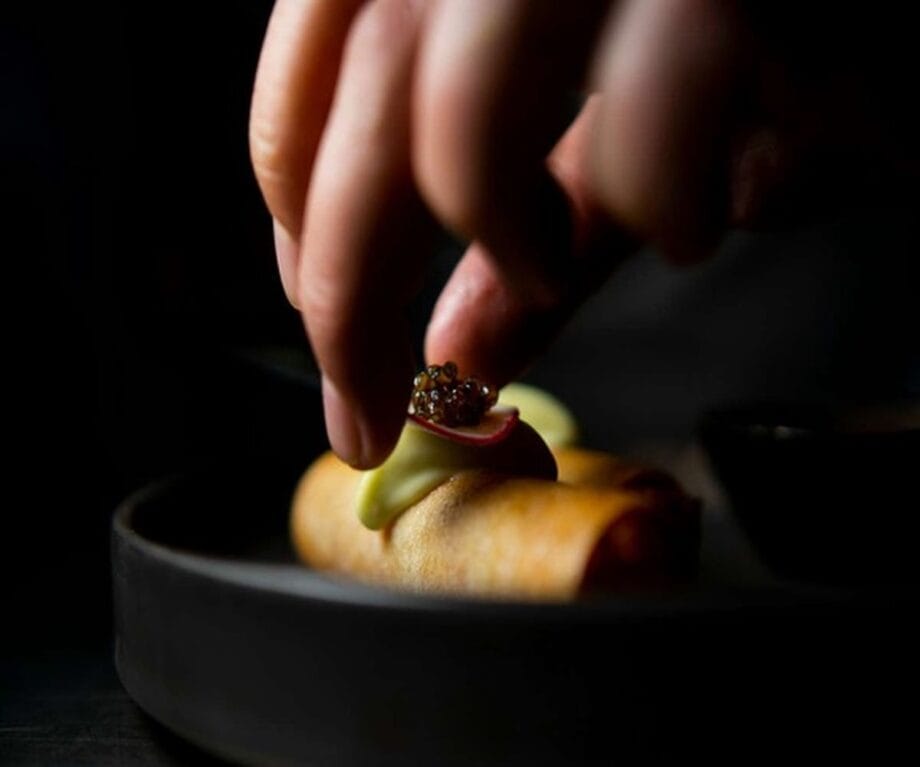
Massimo Bottura opened the restaurant in 1995, and its reputation has been built on Italian cooking that looks forward without losing sight of memory, humour or discipline.
The three Michelin-starred dining room is known for dishes such as “Five Ages of Parmigiano Reggiano”, where one ingredient becomes a study in maturity, texture and temperature.
“Oops! I Dropped the Lemon Tart” takes a story that could have become a gimmick and turns it into something more precise, playful and oddly elegant.
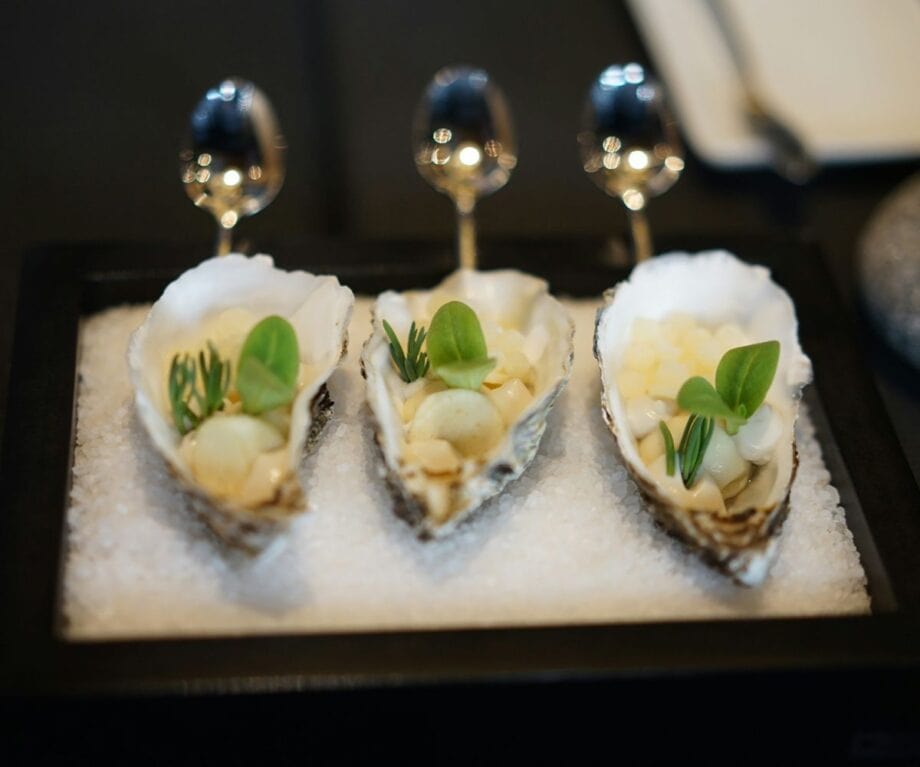
The room itself is restrained, which suits the food.
Rather than overwhelming the guest with theatre, Osteria Francescana puts the attention back where it belongs, on the plate and on the ideas behind it.
It’s the sort of restaurant that justifies planning well ahead, then letting Modena fill the rest of the day with piazzas, porticoes and the kind of food shops that make luggage space feel like a practical concern.
Flanders brings quiet confidence to the table
Roeselare is not the Belgian town most travellers name first when planning a culinary escape.
That relative quiet is part of what makes Boury feel so assured.
Set in a villa and led by Tim Boury with Inge Waeles, the three Michelin-starred restaurant has the polish of a serious destination without the stiffness that can flatten a meal.
The cooking follows the seasons closely, with langoustines, vegetables at their peak and seafood treated with clarity rather than excess.
There is a considered wine and cheese programme too, giving the restaurant the feeling of a place shaped by deep interest rather than formal obligation.
Roeselare’s strength is that it doesn’t compete for attention in the usual way.
A meal here can be paired with a day in Bruges, a drive through the Flemish countryside or a slower itinerary that lets the surrounding fields and markets explain part of what appears at dinner.
In San Cassiano, the mountains set the menu
South Tyrol is one of Europe’s most distinctive borderlands, with Italian, Alpine and Germanic influences meeting in its villages, architecture and food culture.
San Cassiano, tucked into the Dolomites, gives St. Hubertus a setting that’s more than scenery.
The two Michelin-starred restaurant sits inside Rosa Alpina and is closely tied to chef Norbert Niederkofler’s “Cook the Mountain” philosophy.
The idea is direct but demanding.
The cooking draws from the altitude, climate and traditions of the valleys, using ingredients such as game, Alpine herbs, mountain dairy and local grains.
What makes the restaurant compelling is the discipline of restraint.
Technique is present, but it doesn’t drown out the place it serves.
For travellers who want a meal that feels inseparable from its landscape, St. Hubertus is a reminder that destination dining isn’t only about rarity or luxury.
Sometimes it’s about tasting a mountain region with unusual focus.
Provence becomes more intimate in Bonnieux
Bonnieux has the advantage of being almost unfairly beautiful, even within the Luberon.
Its stone lanes, hilltop views, vineyards and lavender fields create the kind of Provençal setting that can easily slip into postcard territory.
La Bastide at Capelongue keeps things more grounded.
The one Michelin-starred restaurant at Domaine de Capelongue is led by chef Noël Bérard, with menus shaped by the produce available week by week.
The cooking leans into the region’s natural vocabulary, including sun-ripened vegetables, herbs from the hills, local olive oil and seasonal truffles.
Its confidence lies in not overworking what Provence already does beautifully.
For travellers, the restaurant also gives Bonnieux a different rhythm.
A stay here can move between village lanes, markets, vineyards and a dinner that feels rooted in the same light and soil seen throughout the day.
How to build a trip around dinner
The practical rule is simple.
Secure the table first, then arrange the rest of the journey around it.
Top Michelin-starred restaurants in smaller towns can open reservations many months ahead, and the most desirable services may disappear long before flights and hotels feel urgent.
Once the reservation is fixed, the detour becomes the structure.
Accommodation, transport, market visits, museum time and slow afternoons can all fall into place around one dinner that gives the trip its purpose.
That approach suits a certain kind of traveller.
Not the box-ticker racing between capitals, but the diner who understands that a memorable table can reveal more about a region than another landmark squeezed into an already crowded day.
Europe’s small-town Michelin restaurants are not merely alternatives to city dining rooms.
They are invitations to let appetite choose the road, and sometimes the detour is the part of the journey that stays with you longest.