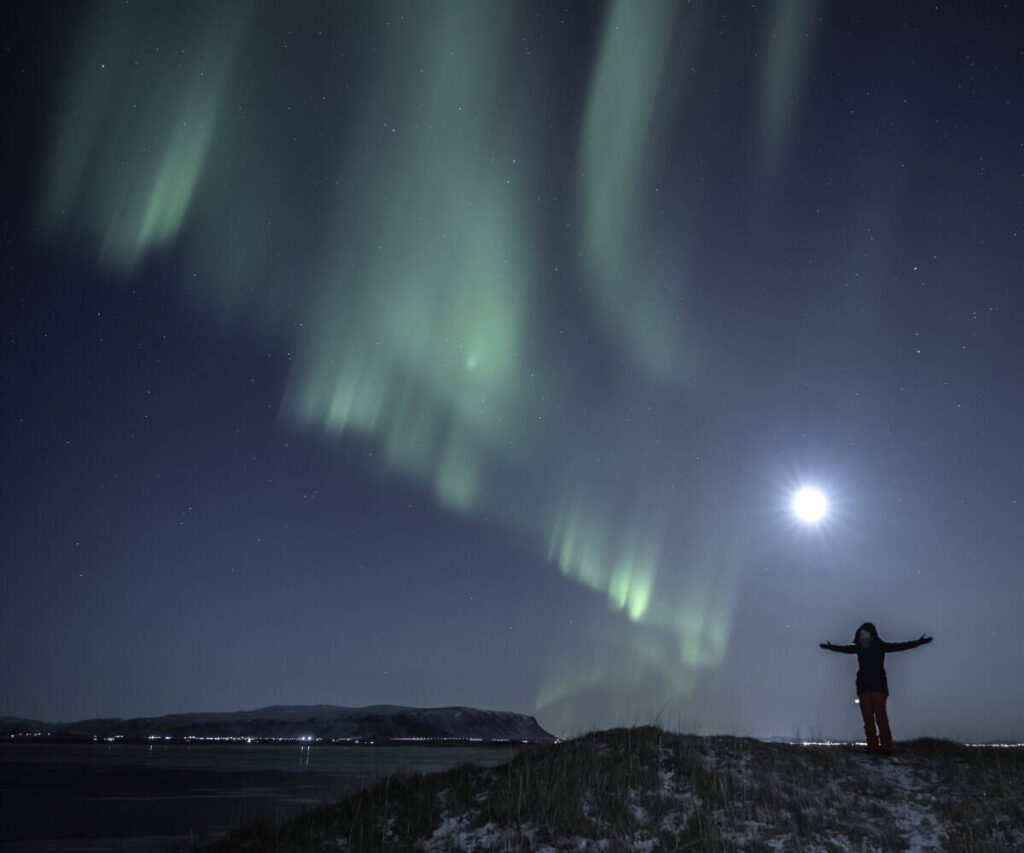
The northern lights don’t perform on cue, which is precisely why chasing them can be so compelling.
In Iceland, a good aurora night is shaped by patience, weather reading and the willingness to move when the sky changes. For travellers who want the experience without the cold, the crowds or the rigid timetable, a private hunt can make the difference between waiting in a car park and standing quietly under a moving green sky.
At a glance
- Private northern lights hunts in Iceland give travellers more flexibility than fixed-route group tours.
- The strongest advantage is positioning, with guides tracking cloud cover, solar activity and road conditions through the evening.
- Aurora season typically runs from late August to mid-April, though sightings always depend on weather and solar conditions.
Aurora hunting is about positioning
The aurora is caused by solar particles meeting the upper atmosphere, but seeing it from the ground depends on something more immediate.
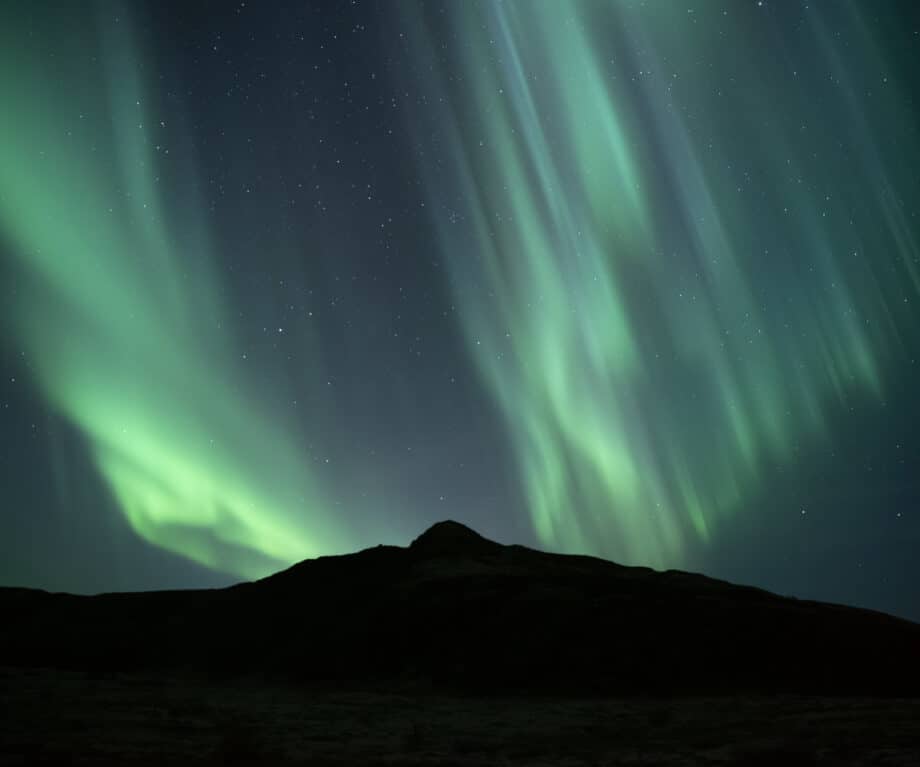
You need a dark sky, a gap in the clouds and enough solar activity to make the display visible.
That combination can be highly local in Iceland, where one area may sit under clear sky while another, less than an hour away, is covered in cloud.
For that reason, the most valuable part of a private northern lights experience often happens before guests step into the vehicle.
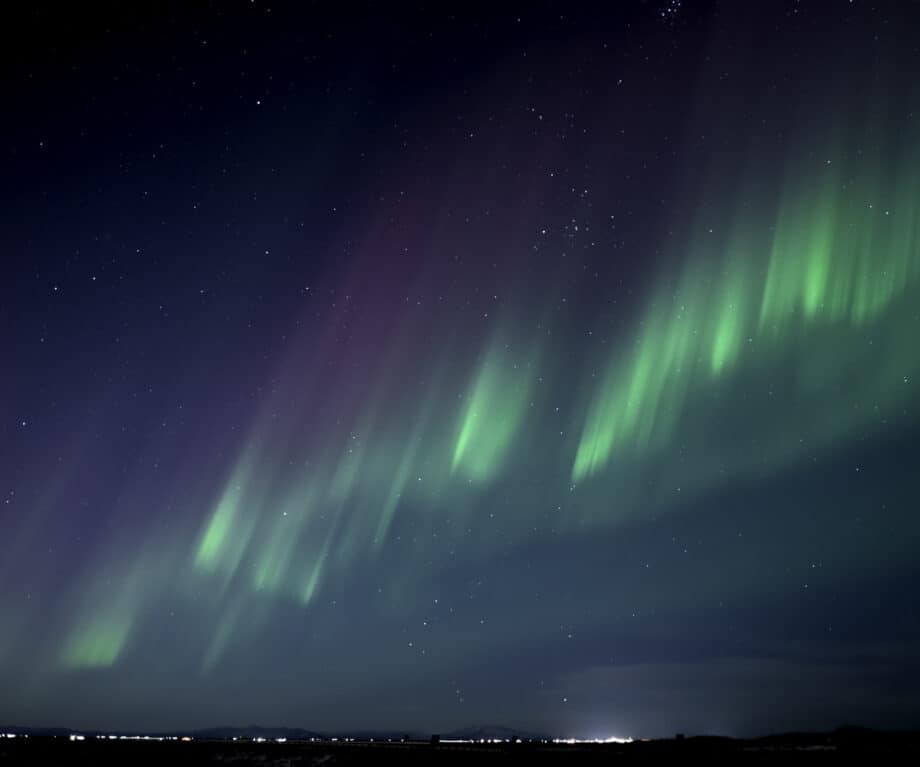
A skilled guide will spend the afternoon studying Icelandic Met Office cloud maps, monitoring solar wind data and deciding where the best window is likely to open.
Some nights that might mean a short drive out of Reykjavík.
On others, it can mean heading towards the Reykjanes peninsula, Þingvellir or farther east because that’s where the clouds are expected to break close to midnight.
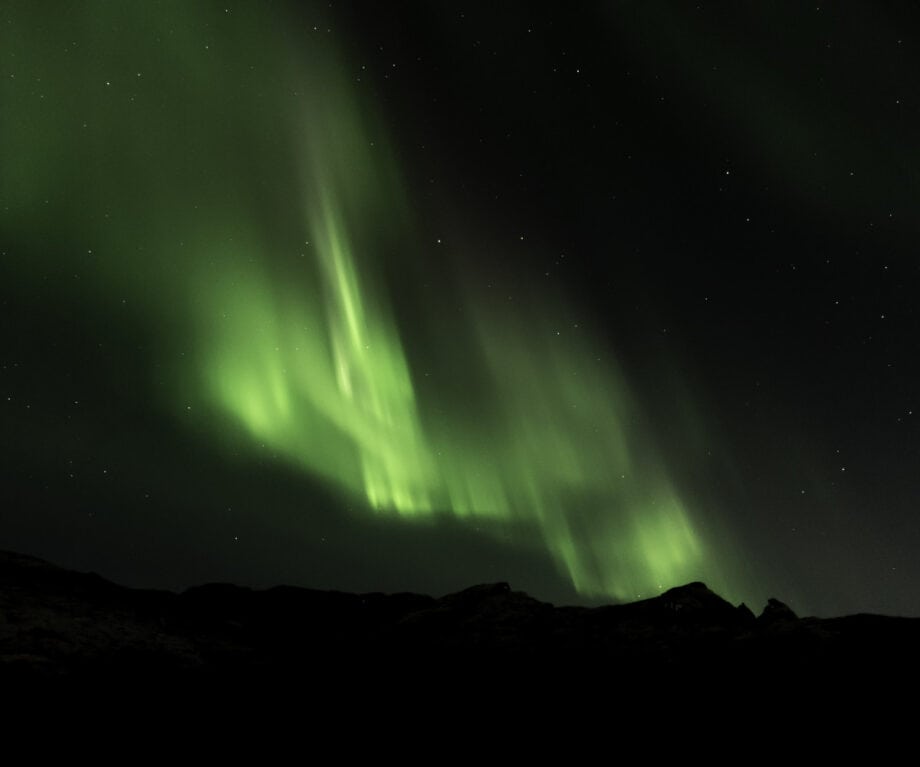
Why a private itinerary works better after dark
Group tours have their place, but aurora chasing doesn’t always reward fixed schedules.
A coach usually leaves at a set time, follows a planned route and returns at a set hour, regardless of whether the strongest activity is arriving late or the cloud cover has shifted elsewhere.
A private hunt is more responsive.
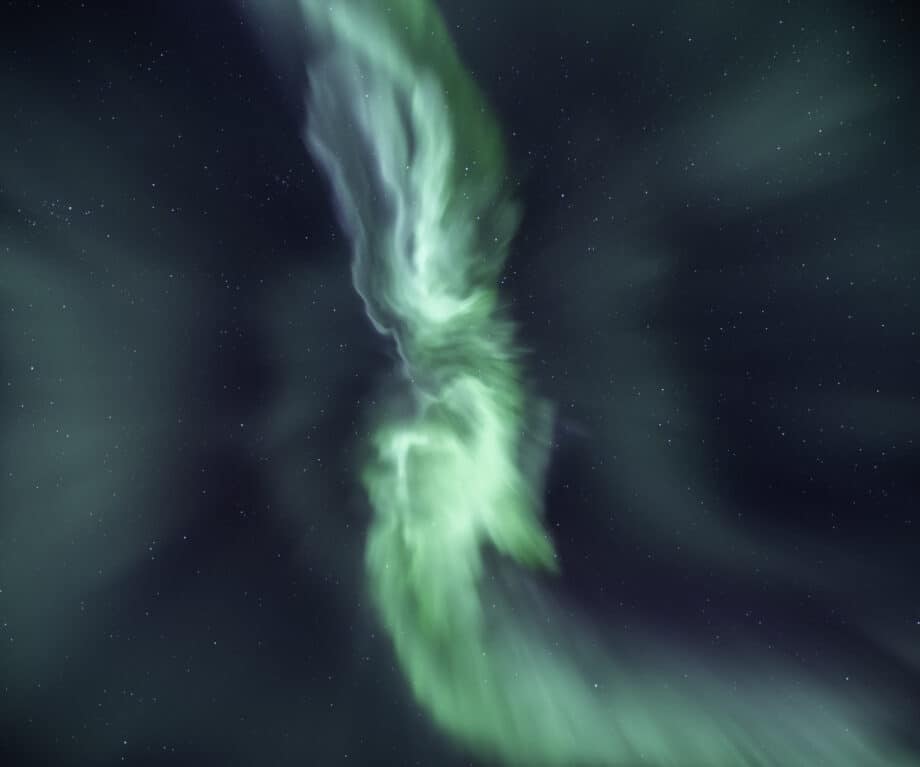
Departure can be pushed later when the forecast suggests the aurora will build after dinner, or the evening can end early if a strong display arrives quickly and the best of the night has already happened.
The smaller scale also changes the atmosphere.
There’s no queue for a photo spot, no idling bus in the background and no cluster of headlamps cutting through long exposures.
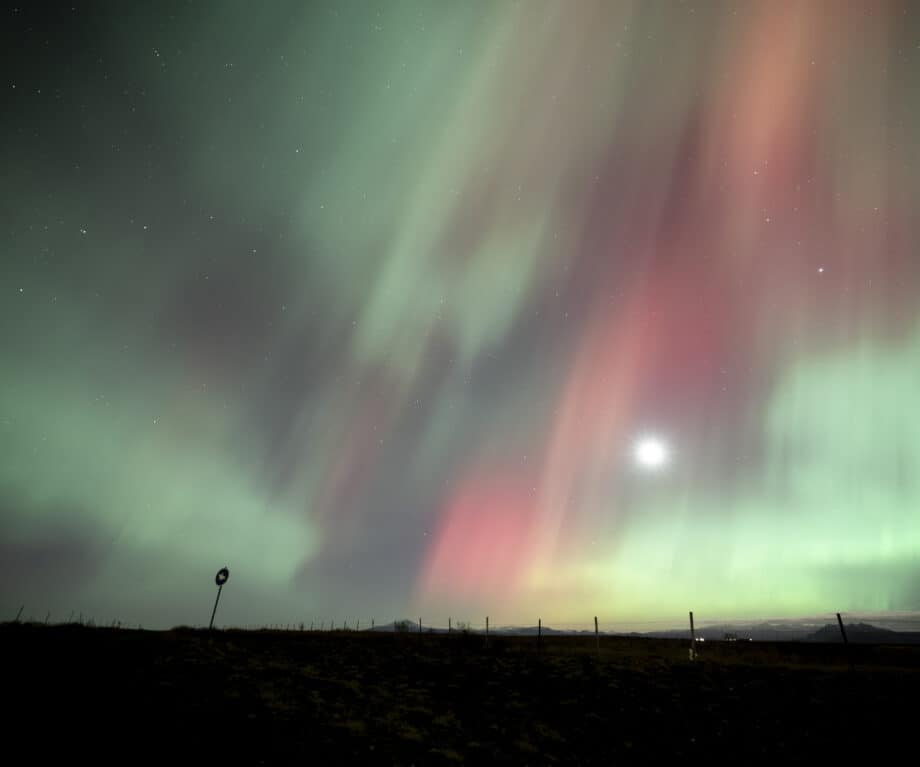
It becomes a quieter, more personal encounter with the Icelandic landscape, whether you’re beside a lake, on a gravel pull-off or looking north across open farmland.
Comfort changes the waiting game
Aurora hunting involves waiting, and in Iceland that often means wind, darkness and temperatures that feel sharper than visitors expect.
Comfort isn’t a decorative extra here.
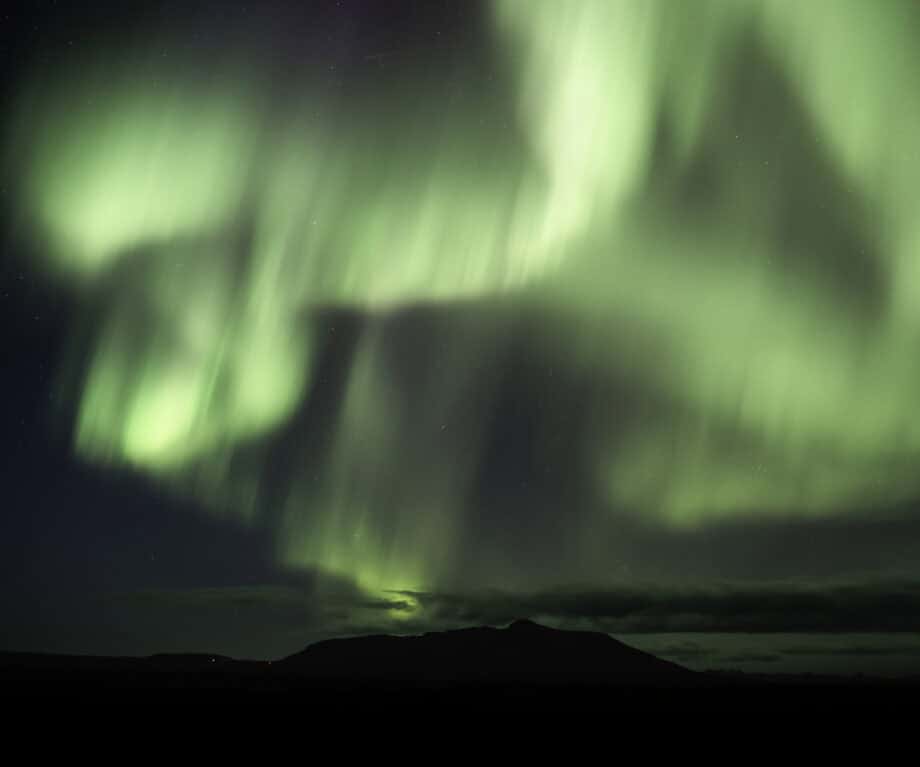
Private tours commonly use vehicles such as a Mercedes V-Class for road-based hunts, with a Toyota Land Cruiser better suited when conditions point towards rougher routes.
Hot chocolate, coffee and blankets turn the quieter stretches of the evening into part of the experience rather than something to endure.
The rhythm is simple.
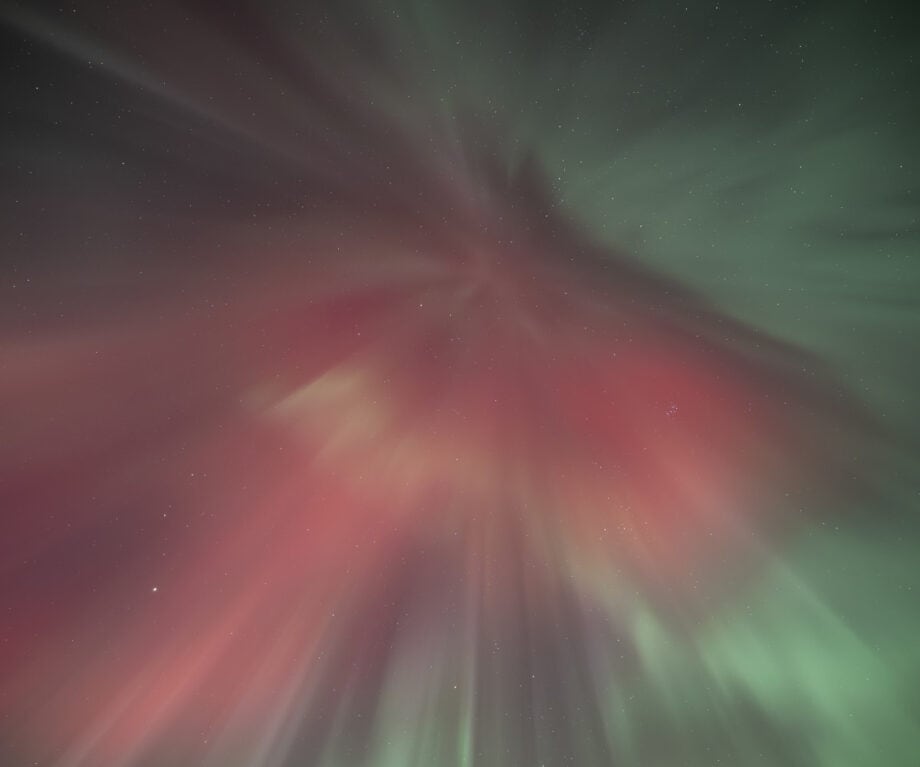
You stay warm while the guide watches for early signs of activity, then step outside when the display begins to strengthen.
When fingers get cold, you return to the vehicle and wait for the next movement overhead.
Photography is another practical advantage.
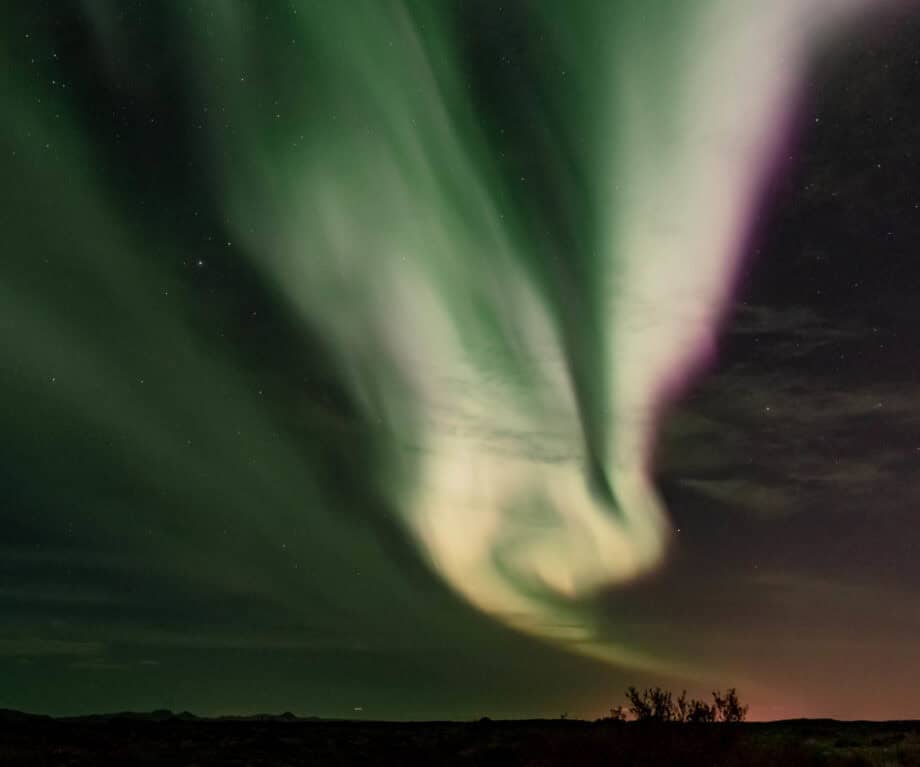
Modern phones can capture the northern lights better than they once could, but a guide with a tripod, a proper camera and repeated experience in low-light conditions can usually produce more memorable results.
For many travellers, the photograph that matters most isn’t a postcard-perfect sky on its own, but an image of themselves standing beneath it.
The countryside hotel advantage
The aurora doesn’t care when you’ve finished dinner or gone to sleep.
That makes hotel choice an underrated part of any winter trip to Iceland.
Remote countryside properties with dark surroundings and open northern views can offer a genuine advantage over central Reykjavík, where streetlight glare can soften or obscure all but the strongest displays.
Several hotels along the south coast and near Þingvellir keep aurora wake-up lists during the season.
Ask at check-in, even if the forecast looks modest.
If the lights appear at 1 am, the difference between a rural terrace and a city hotel can be the difference between pulling on a coat and watching the sky within seconds, or missing the moment entirely.
When the sky stays quiet
No northern lights experience can guarantee a display.
Iceland can be covered in cloud from coast to coast, and even a promising forecast can weaken once night falls.
That uncertainty is part of the appeal, but it’s also why travellers should ask how an operator handles poor-weather evenings before booking.
A good private experience is honest about the odds, flexible about timing where possible and clear about when driving farther no longer improves the chances.
For travellers who value silence, warmth and the ability to follow the forecast rather than a timetable, a private northern lights hunt is one of the most considered ways to experience Iceland in winter.
The aurora may still make you wait, but when the first pale glow turns into a sky-wide display, waiting in the right place makes all the difference.