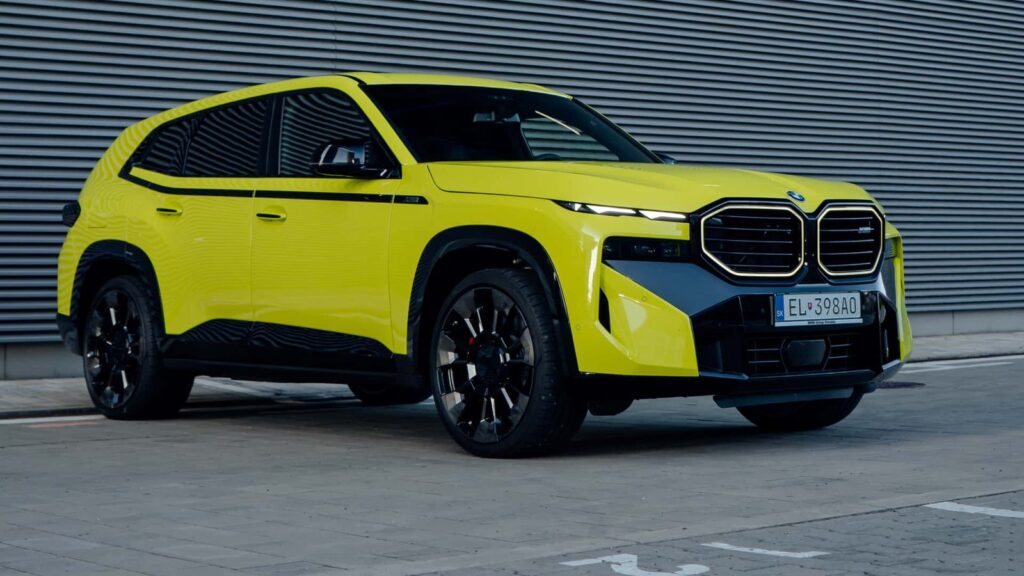
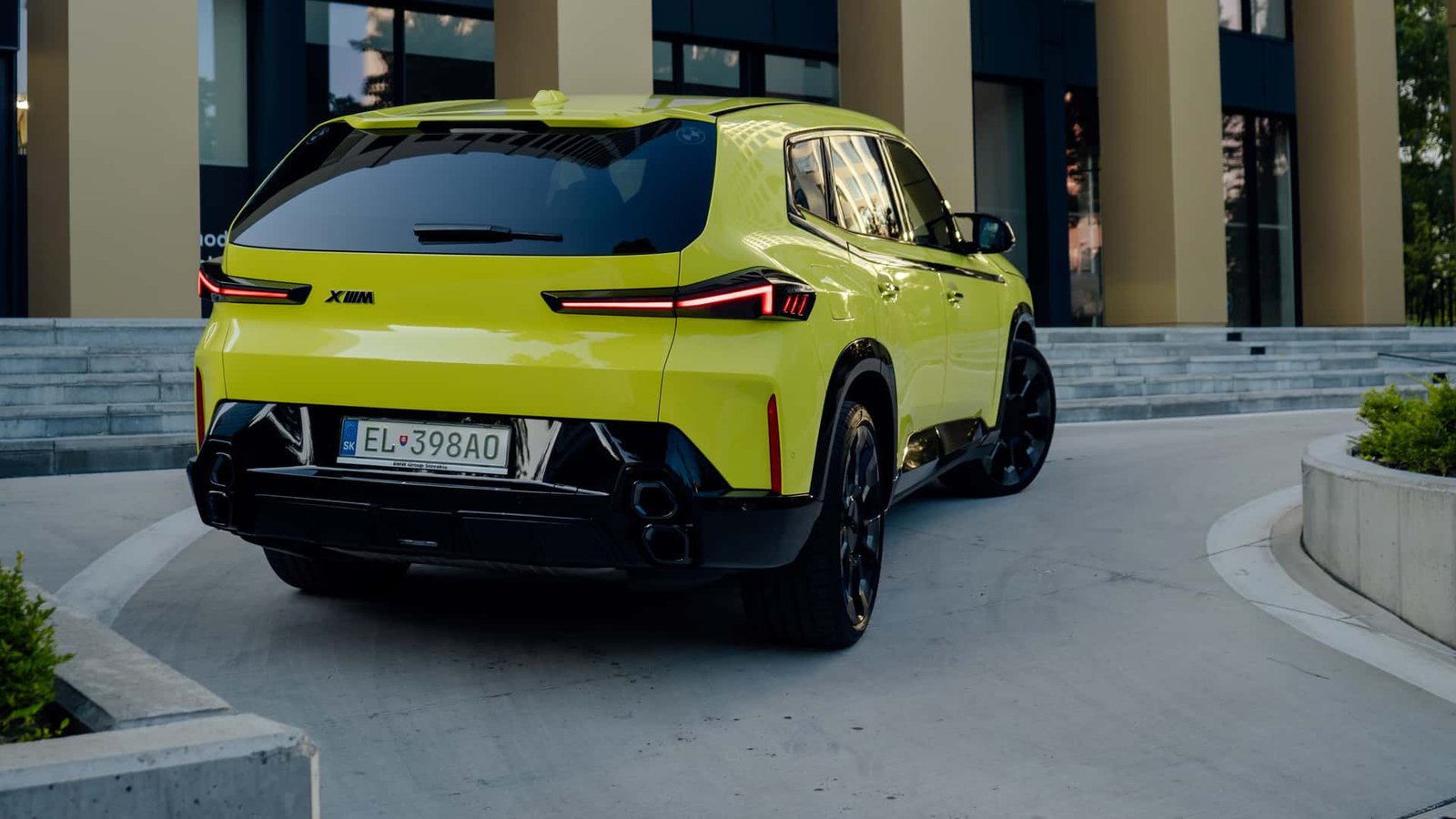
The BMW XM was meant to sit at the top of the M division’s SUV hierarchy, a bold plug-in flagship with a deliberately polarising presence.
Four years on from launch, the model’s commercial footing looks far less secure.
Global demand has continued to soften, and the absence of clear signs of a mid-cycle update is now fuelling questions about how much life the XM has left.
At a glance
- BMW’s XM sold 7,608 units globally in 2025, making it the brand’s slowest-selling model.
- Deliveries fell another 22.4% through June 2026 to 2,816 vehicles worldwide.
- BMW hasn’t confirmed a cancellation, but weak demand and limited facelift activity leave the flagship M SUV’s future uncertain.
The flagship M SUV is struggling to find its market
The XM has always occupied a narrow corner of BMW’s portfolio.
It’s not simply a large luxury SUV, and it isn’t a conventional M car either, which gave it a distinctive identity but also made its audience harder to define.
In 2025, BMW delivered 7,608 XMs globally, placing it at the bottom of the brand’s sales chart.
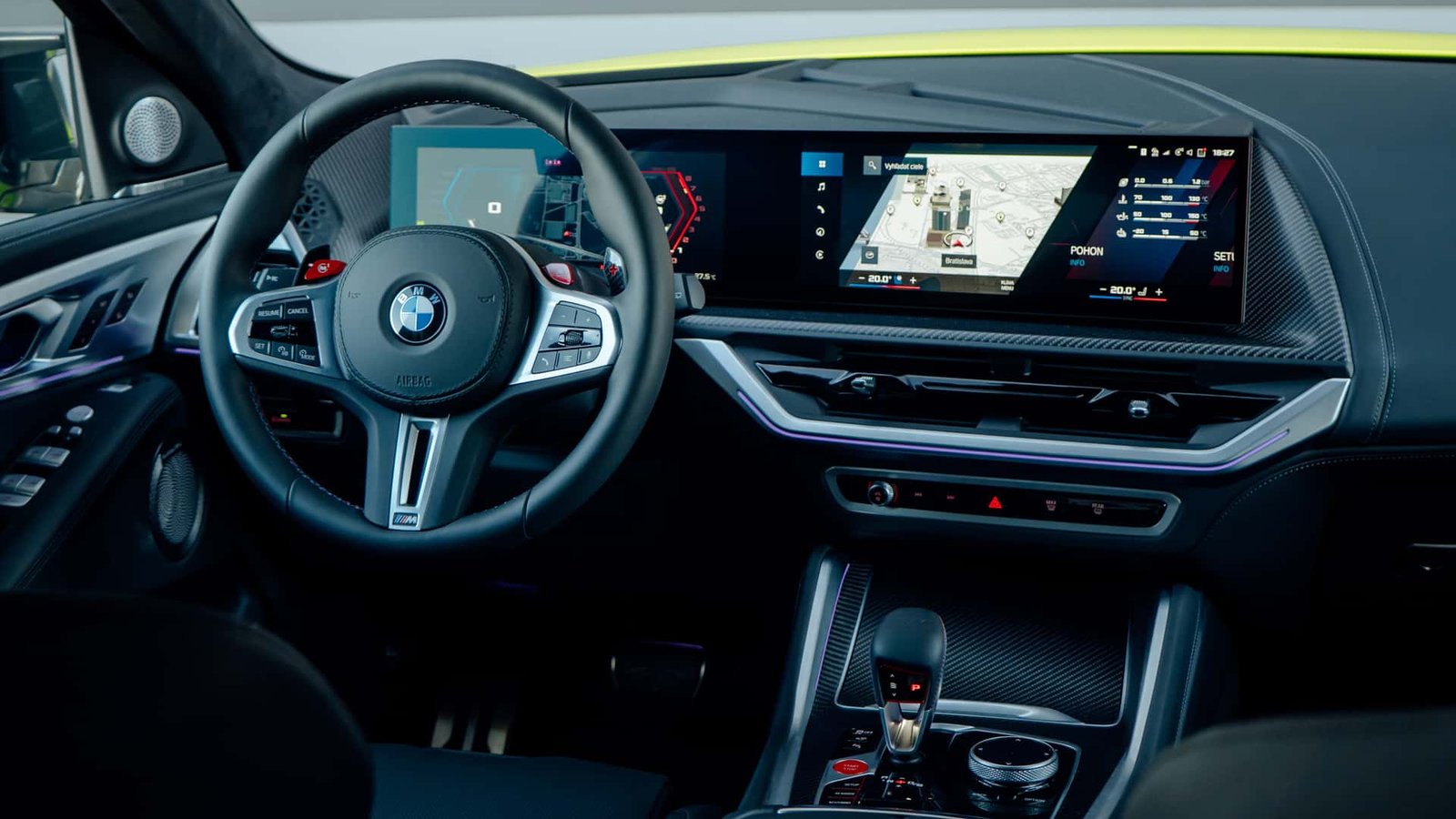
The trend has not improved this year, with worldwide deliveries down 22.4% through June to 2,816 vehicles.
That kind of decline matters because the XM sits in an expensive, image-heavy part of the line-up where low volume can be acceptable only if the model delivers enough strategic value.
China and the US have not delivered the expected momentum
BMW initially expected China to account for 23% of XM sales, while the United States was projected to be its largest market at 26%.

Neither market appears to have given the model the lift BMW would have wanted.
US sales slipped 4.9% in 2025 to 1,878 units, underlining the challenge of selling a high-priced performance SUV with such assertive styling and a relatively specialised brief.
The XM’s problem isn’t that it lacks presence.
If anything, the issue may be that its presence is so specific, putting it outside the comfort zone of both traditional M buyers and luxury SUV customers looking for something more discreet.
No clear sign of a major update
A mid-cycle facelift would normally be visible by this point in a model’s life, particularly through prototype testing and spy photography.
So far, there has been little to suggest that a conventional update is moving through the usual development path.
A more ambitious overhaul tied to BMW’s Neue Klasse technology also appears unlikely, which leaves the XM in an awkward position within the company’s future product planning.
BMW has not confirmed that the XM will be discontinued, but the numbers make it difficult to ignore the possibility.
Developing a direct successor for such a niche model would require a strong internal case, and declining demand makes that case harder to build.
Details & Specifications
| Brand | BMW |
|---|---|
| Model | XM |
| Positioning | Flagship M SUV |
| Global sales in 2025 | 7,608 units |
| Global deliveries through June 2026 | 2,816 units |
| Global delivery change through June 2026 | Down 22.4% |
| US sales in 2025 | 1,878 units |
| US sales change in 2025 | Down 4.9% |
| Initial US sales projection | 26% of total XM volume |
| Initial China sales projection | 23% of total XM volume |
| Future status | Not officially confirmed |
What the XM’s uncertainty says about modern M
The XM arrived at a moment when performance brands were pushing deeper into luxury SUVs, electrification and high-margin halo products.
That logic made sense on paper, especially for a brand with BMW M’s global recognition.
The reality has been more complicated, as buyers in this category tend to be selective and fiercely brand-conscious.
A model can be technically ambitious and still struggle if its design, price point and positioning don’t align cleanly with what customers expect from the badge.
For now, the XM remains on sale, but its role feels increasingly uncertain.
If BMW chooses not to develop a successor, the XM may be remembered as one of the M division’s most unconventional experiments, a flagship that made a loud statement but never quite found the audience to match it.