
Motorsport is built around fixed start times, compressed calendars and very little tolerance for delay.
That makes aviation more than a convenience for teams, drivers, engineers and executives moving between circuits, factories and sponsor commitments.
Chapman Freeborn’s decision to join BlackBook Motorsport brings the charter specialist deeper into a global network that spans Formula 1, NASCAR, MotoGP and other areas of international racing.

At a glance
- Chapman Freeborn has joined BlackBook Motorsport, a global network connecting key stakeholders across international racing.
- The move aligns its private jet, group charter and cargo services with the high-pressure logistics of teams, manufacturers and circuits.
- The company says motorsport charters can support tight schedules, shifting passenger numbers and urgent cargo movements across the racing calendar.
Aviation built around race-week deadlines
BlackBook Motorsport connects teams, manufacturers, circuits and suppliers through industry insight, direct introductions and events.
For Chapman Freeborn, membership opens a more direct route to the people responsible for getting racing operations into position before lights out.
“Every race starts at a fixed time, and everyone involved needs to be in place well before then. Aviation works to the same kind of deadline every day, so motorsport is a natural fit for us. Through the BlackBook community, we can engage directly with the decision-makers responsible for team travel, better understand how their requirements change throughout the season and respond quickly when schedules shift,” said Andy Hutchinson, Director of Passenger Charter – UK at Chapman Freeborn.
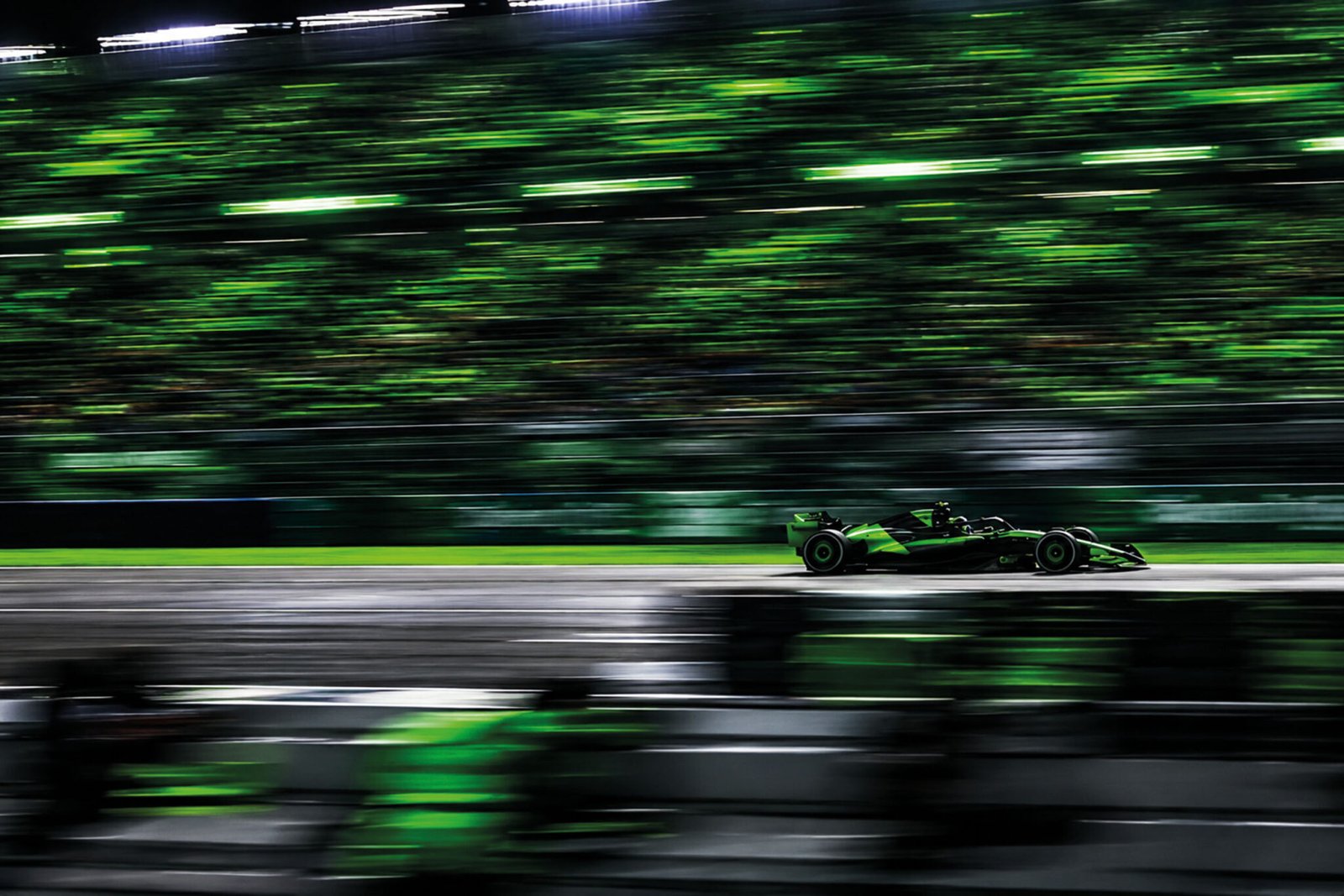
The appeal is obvious in a sport where a driver or team principal might move from a factory visit to a sponsor event, then on to a circuit, with little room for conventional airline timetables.
Private jets can give teams the ability to set their own departure times and, where airport access allows, land closer to the venue.
Private jets and group charters for moving teams
In 2026, Chapman Freeborn arranged flights for Formula 1 teams, drivers and engineers travelling between races and team headquarters.
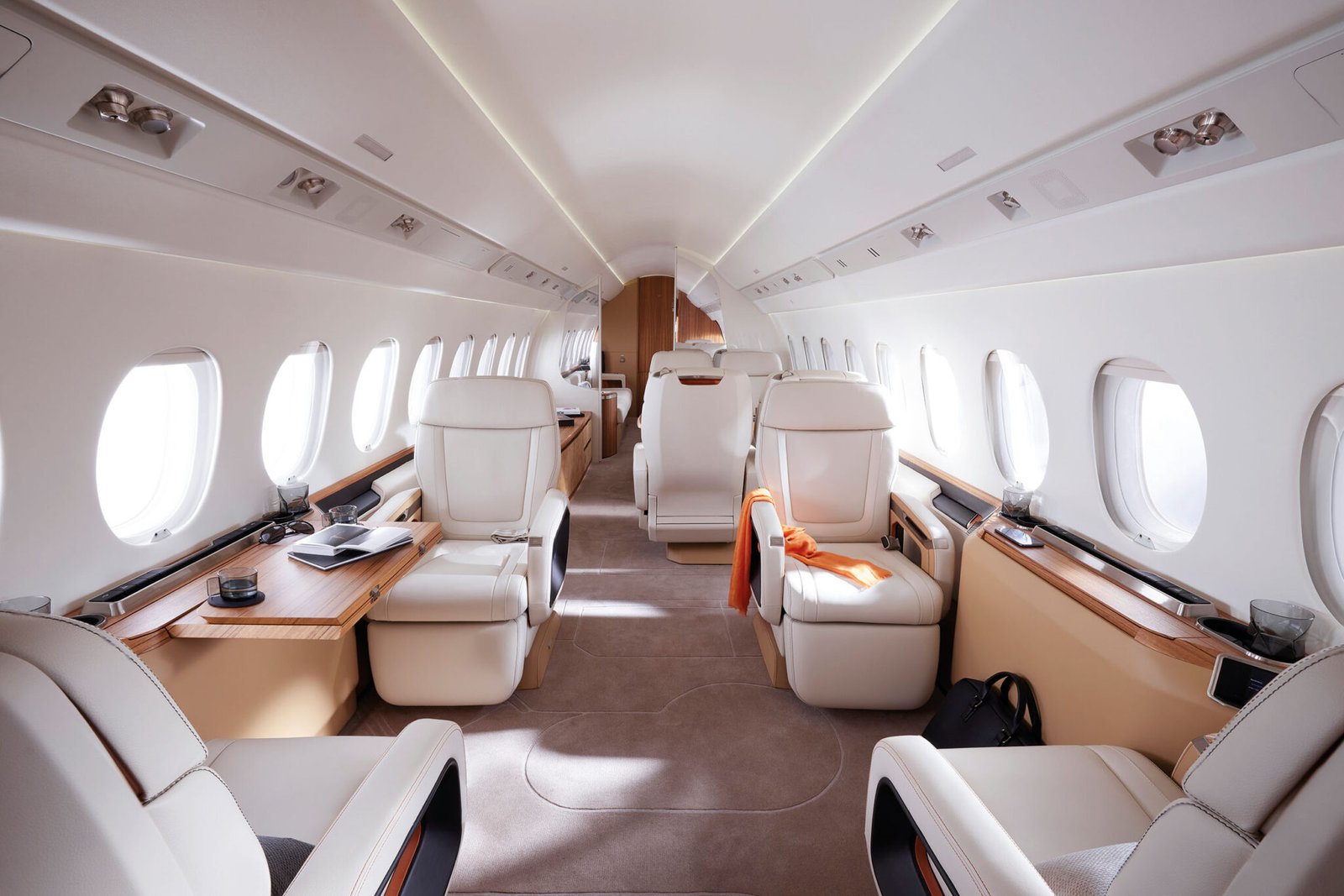
Those movements often have to absorb changes in schedule, passenger numbers and operational requirements while still delivering key personnel in time for fixed commitments.
Chapman Freeborn’s own motorsport charter guidance highlights airports such as Nice Côte d’Azur, around 30 km from Monaco, and the small airport beside the Le Mans circuit.
The company says a charter can be arranged within three to four hours of confirmation.
For full crews, a group charter can keep personnel together and reduce the risk of missed connections.
It also gives travel managers more control over departure times, baggage requirements and late changes, which can matter when a race weekend is already operating to the minute.
“I’ve spent over 15 years organising travel for Formula 1 teams, and it’s a constant whirlwind. Every race on the calendar is a separate trip to plan, usually to a different country. Dates and passenger numbers often change while a trip is still being organised, so we have to adjust quickly without losing track of the details. For a team to move smoothly through a full season, its travel manager needs one point of contact who knows how it operates and can fix a problem before it reaches the travelling staff,” said Gary Vaughan, Passenger Charter Broker at Chapman Freeborn.
Cargo pressure beyond the pit lane
The passenger side is only part of the equation.
According to the organisers of the Miami Grand Prix, every Formula 1 team transports about 50 tonnes of equipment to each race.
For long-haul events, much of that freight is flown on freighters such as the Boeing 747, while less time-sensitive items move by sea.
Even months of planning can be unsettled by calendar changes.
In March 2026, Formula 1 confirmed that the Bahrain and Saudi Arabian Grands Prix would not take place in April because of the ongoing situation in the Middle East, with the Bahrain Grand Prix subsequently held in Malaysia in October.
That kind of disruption shows why race logistics need contingency thinking across both people and freight.
Chapman Freeborn has also used helicopters for urgent movements, including a 2024 operation involving an AS355 helicopter delivering spare parts directly to a customer’s factory in Frankfurt, using a neighbouring car park converted into a temporary helipad.
Where Chapman Freeborn fits into the motorsport network
By joining BlackBook Motorsport, Chapman Freeborn is positioning its cargo, private jet and group travel capabilities closer to teams, manufacturers and industry partners.
The company brings more than 50 years of experience in private passenger and cargo air charter services for major corporations, governments, NGOs, relief agencies and high-net-worth individuals.
It is part of Avia Solutions Group, described as the world’s largest ACMI provider, covering Aircraft, Crew, Maintenance and Insurance.
The group operates 136 aircraft worldwide, has more than 250 subsidiaries and offers services across MRO, pilot and crew training, ground handling and other aviation solutions.
Its 11,000 aviation professionals operate across six continents.
For motorsport, the value is less about glamour than control.
When race calendars shift, personnel counts change and freight has to move without drama, the most useful luxury is often a journey that simply works.