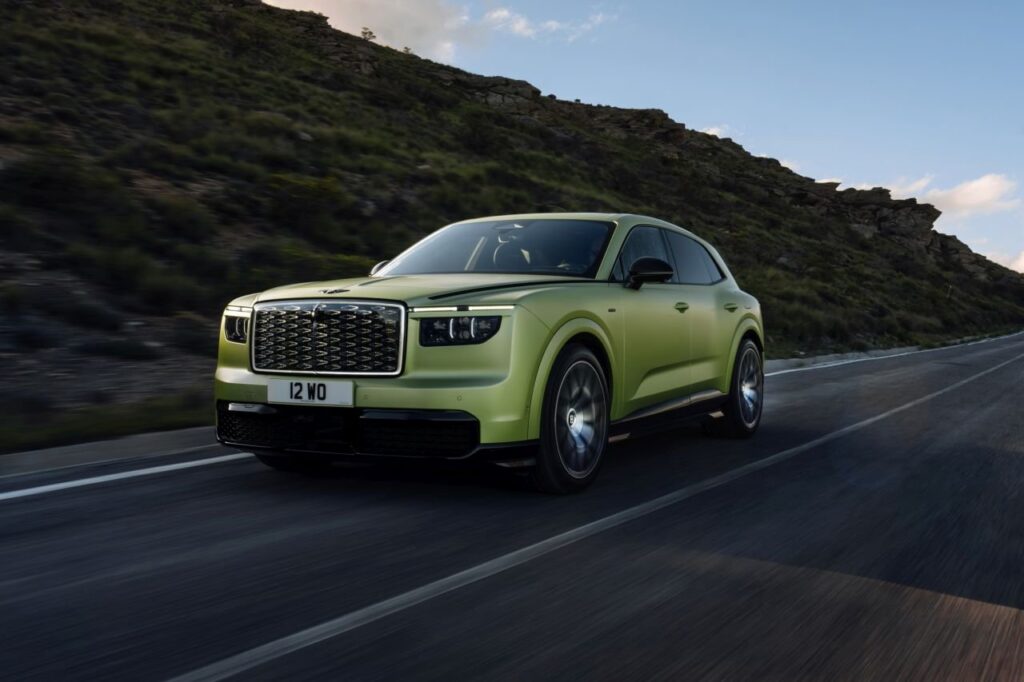
Bentley’s first EV is being shaped by a test programme that sounds more like survival training than routine validation.
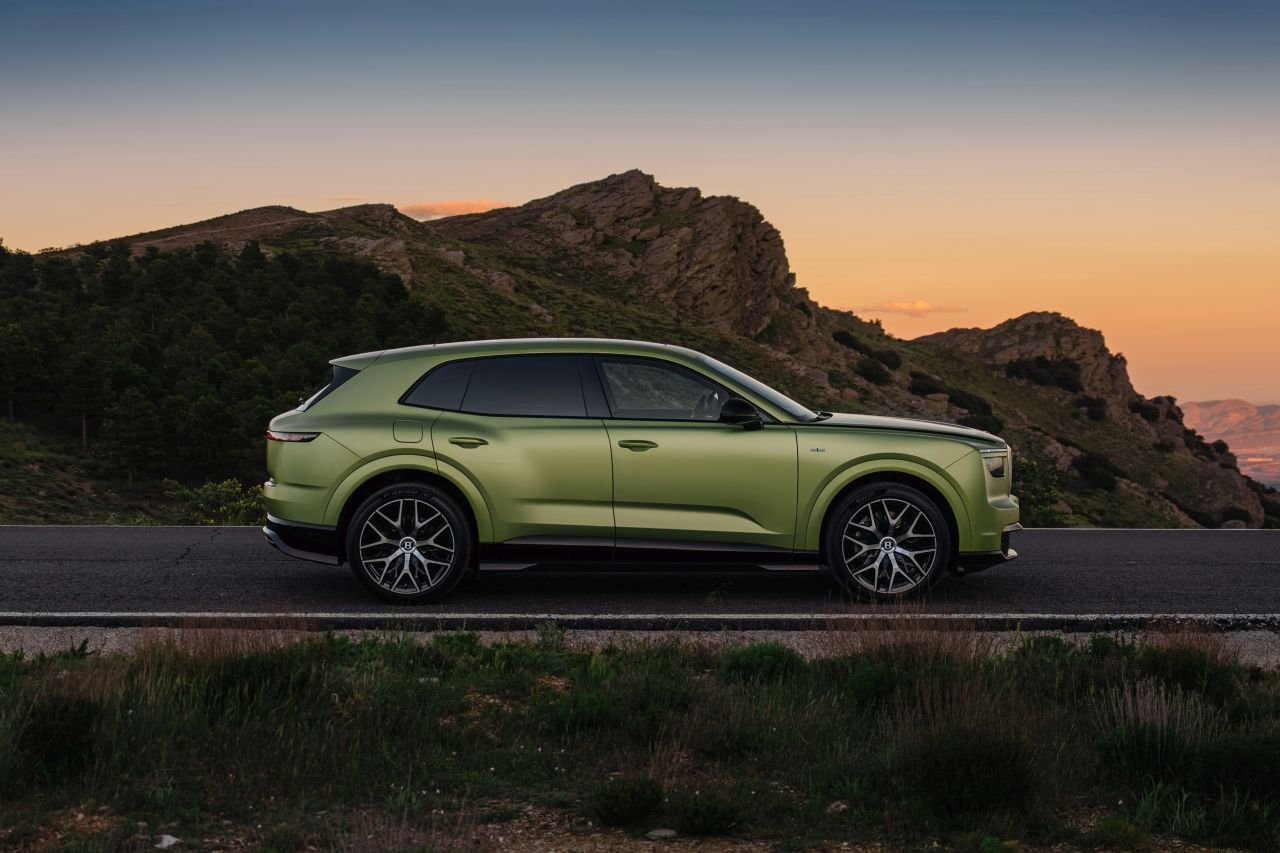
The Torcal electric SUV has now covered more than 1 million kilometres, or 621,000 miles, as Bentley pushes its battery, software and underbody protection through some severe conditions.
For a marque built on refinement and long-distance confidence, the milestone is more than a durability headline.
At a glance
- The Bentley Torcal electric SUV has completed more than 1 million kilometres of testing.
- Development has included extreme temperatures, high-altitude running and heavy focus on battery protection.
- The programme supports Bentley’s move into its first fully electric vehicle.
Extreme testing from Sweden to Pikes Peak
The Torcal has been tested in temperatures as low as -36 degrees F in Sweden and in desert heat exceeding 104 degrees F.
Bentley has also taken the electric SUV above 14,000 feet at Pikes Peak, adding altitude into a development mix already spanning cold-weather and hot-weather validation.
That spread matters for an electric luxury SUV because temperature and elevation can expose weaknesses in thermal management, calibration and durability.
Bentley hasn’t framed the programme as a simple mileage exercise, and the details suggest a broader attempt to validate how the Torcal behaves when conditions become uncomfortable.
Software and electrical systems under constant revision
Beyond physical testing, three teams have been working across the Torcal’s electrical architecture, software integration and validation process.
Software updates have been issued every six weeks, then checked in both laboratory environments and real-world conditions.
That rhythm is notable because modern EV development depends heavily on how well hardware and software mature together.
For Bentley, the challenge is not just making an electric SUV work, but making it feel resolved enough for customers used to the brand’s combustion-era polish.
A battery built for punishment
The Torcal’s battery has received particularly close attention during development.
It weighs around 1,378 pounds and has an energy density of more than 180 Wh/kg.
Bentley says the battery’s protective structure targets two hours of fire resistance in the event of a thermal incident.
Engineers also fired a 30 mm steel projectile at the battery casing at speeds exceeding 99 mph to evaluate underbody protection.
It’s an unusually vivid test detail, but it speaks to one of the most important areas of electric SUV engineering.
Details & Specifications
| Brand | Bentley |
|---|---|
| Model | Torcal |
| Vehicle type | Electric SUV |
| Testing distance | More than 1 million kilometres / 621,000 miles |
| Lowest test temperature | -36 degrees F |
| Highest noted test temperature | More than 104 degrees F |
| High-altitude testing | Above 14,000 feet at Pikes Peak |
| Battery weight | Around 1,378 pounds |
| Battery energy density | More than 180 Wh/kg |
| Battery protection target | Two hours of fire resistance in a thermal incident, according to Bentley |
| Underbody protection test | 30 mm steel projectile fired at battery casing at more than 99 mph |
The Torcal still has unanswered questions around performance, range, pricing and timing, but this development milestone gives a clearer look at Bentley’s priorities.
The brand appears to be treating its first EV not as a symbolic shift, but as a technical credibility test where durability, software maturity and battery protection have to be proven before the badge can do the rest.