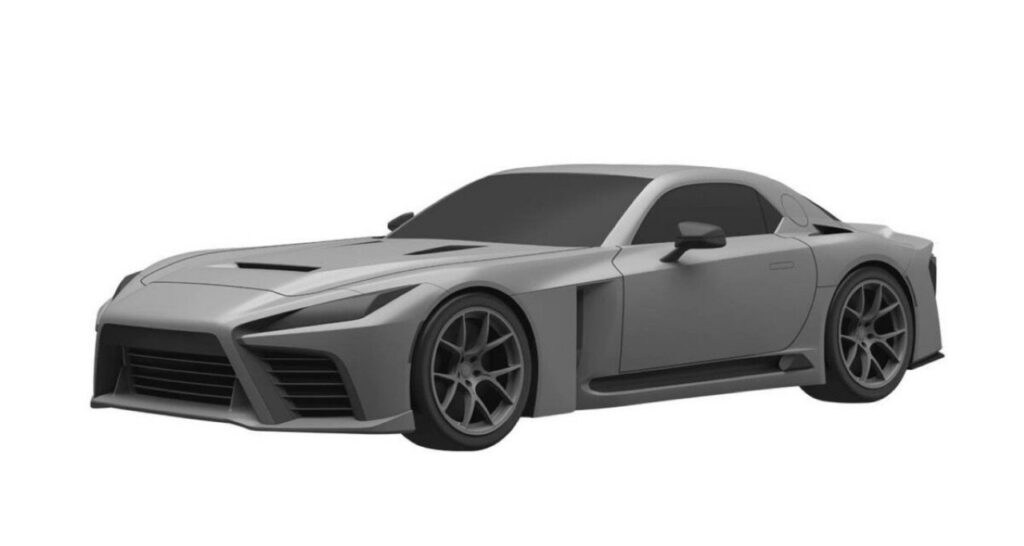
The Toyota GR GT is shaping up as one of the brand’s most important performance cars, but its design story appears to have had a Lexus chapter.
Newly surfaced Japanese patent drawings show what the flagship sports car could have looked like as the Lexus LFR, offering a rare look at the point where the project’s luxury performance identity gave way to a more motorsport-led GR badge.
At a glance
- Japanese patent drawings show the Lexus LFR design that preceded Toyota’s GR GT direction.
- The Lexus version shared most of its bodywork with the GR GT but used distinct front-end details, lighting and exhaust treatment.
- Toyota has said GR GT deliveries are planned to begin late this year, with pricing and specifications expected to follow.
A Lexus identity beneath the GR GT shape
The LFR and GR GT were never two completely separate ideas.
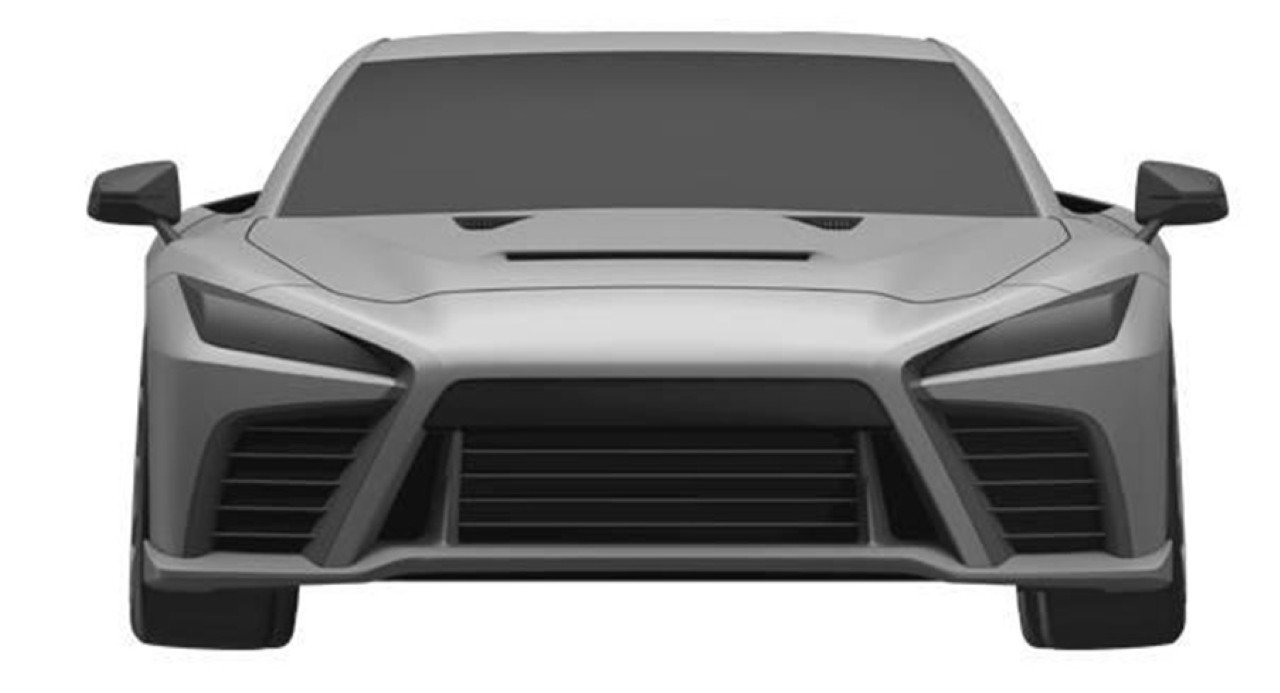
The two cars share much of their bodywork because a significant part of development had already been completed before Toyota moved the project toward the GR brand.
That helps explain why the patent drawings don’t show a radically different machine, despite the different badge on the nose.
The car was engineered around racing from the beginning, which left limited room for a substantial redesign once the programme’s direction changed.
The front end kept the Lexus visual language
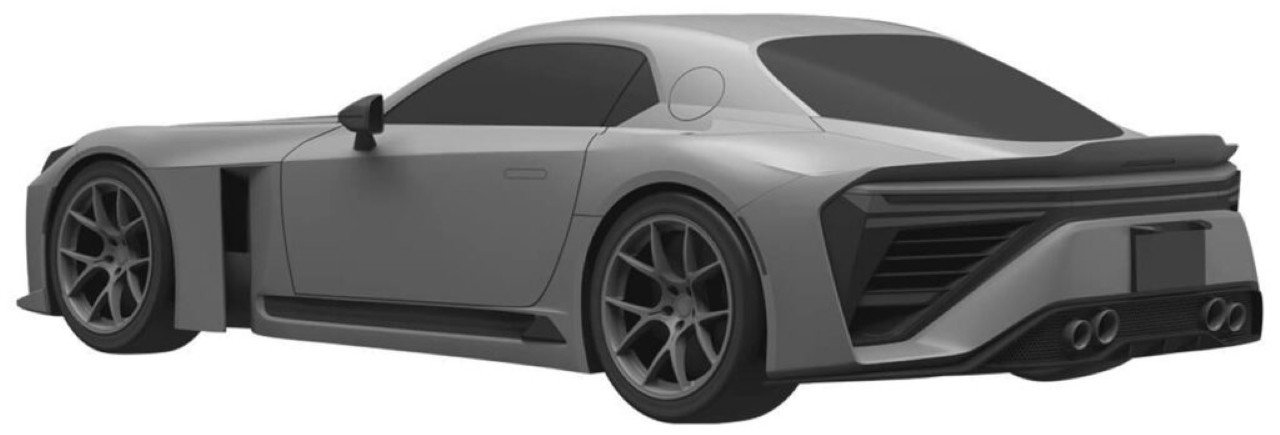
The clearest Lexus signature appears at the front.
In the patent drawings, the spindle-shaped treatment flows from the bonnet into the bumper, giving the LFR a face more closely tied to Lexus performance models than the GR GT.
The grille and headlights also differ subtly from Toyota’s version, though the overall proportions remain familiar.
It’s less a reinvention than a change in attitude, with the Lexus treatment softening the transition between road car presence and competition-minded architecture.
The rear carried the bigger differences
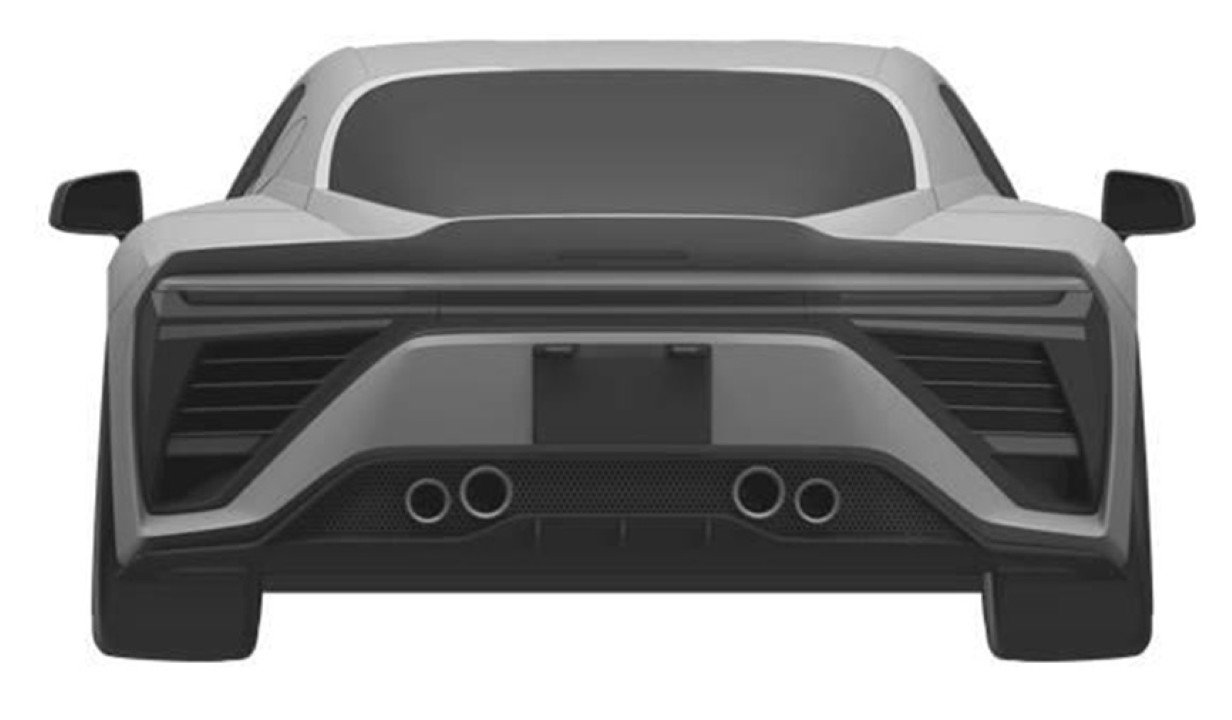
The back of the LFR is where the alternate identity becomes more obvious.
Instead of the GR GT’s side-by-side exhaust tips, the Lexus version used offset, semi-stacked outlets inspired by Lexus F models.
The bumper mesh treatment was also different, giving the tail a more brand-specific finish rather than simply changing badges.
The tail lights stood apart too, with a more distinctive shape that resembled the Lexus NX.
Those details matter because they show how Lexus could have positioned the car within its own design family, even with most of the underlying surfacing already locked in.
From Lexus halo car to GR flagship
The LFR name may never make it to showrooms, but the patent drawings give useful context to the GR GT’s evolution.
They suggest Toyota’s flagship sports car was close enough to a Lexus future that its luxury-performance styling cues had already been formalised.
The eventual shift to GR also makes sense for a car developed with racing at its core.
Toyota has said deliveries of the GR GT are planned to begin late this year, so the more important figures, including price and specifications, should emerge soon.
For enthusiasts, the fascination is not just whether the Lexus LFR looked better than the GR GT, but how close Toyota came to launching its next serious performance flagship under a very different identity.