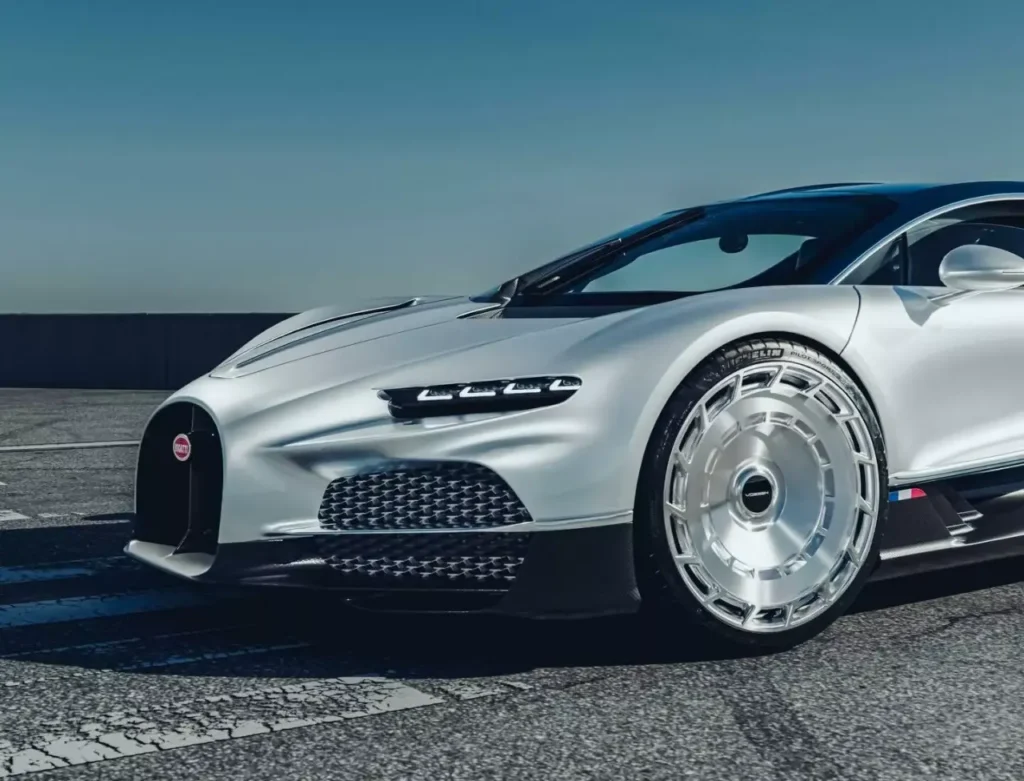
Bugatti’s Tourbillon already feels like a sharp turn away from the industry’s easiest answers.
That becomes even more interesting in light of Mate Rimac’s comments on what Volkswagen Group executives initially had in mind for the Chiron’s successor.
Speaking to Classic Driver, Rimac said the car that became the Tourbillon could have been a four-seat electric SUV using technology connected to the Rimac Nevera.
At a glance
- Mate Rimac said Volkswagen initially wanted Bugatti’s Chiron successor to be a four-seat electric SUV.
- The proposed electric powertrain was set to use technology developed for the Rimac Nevera.
- The idea was abandoned after platform and business-case concerns, leading instead to the V16 hybrid Bugatti Tourbillon.
The electric Bugatti that didn’t happen
Rimac may be closely associated with electric hypercars, but he has said he wasn’t convinced that a fully electric Bugatti was the right move.
In his account, Volkswagen Group executives wanted the Chiron replacement to take the shape of a four-seat electric SUV.
His company was involved in work on the electric powertrain, with plans to draw from technology developed for the Nevera.
On paper, that direction would have aligned Bugatti with one of the broader luxury-car market’s most obvious shifts.
In practice, Rimac saw a different problem, both technically and philosophically.
A platform problem with a very expensive answer
The proposed SUV reportedly ran into a fundamental obstacle because there was no suitable platform on which to build it.
Rimac said that would have required Volkswagen to invest billions in a new architecture.
For a brand as specific as Bugatti, that sort of investment only makes sense if the resulting car strengthens the marque’s identity rather than simply following a segment trend.
Rimac’s objection was unusually direct.
“I went into a huge fight with them because I thought that was the wrong thing for Bugatti. So I said, ‘No, I don’t want to make an electric Bugatti,’” he told Classic Driver.
How the Tourbillon became the alternative
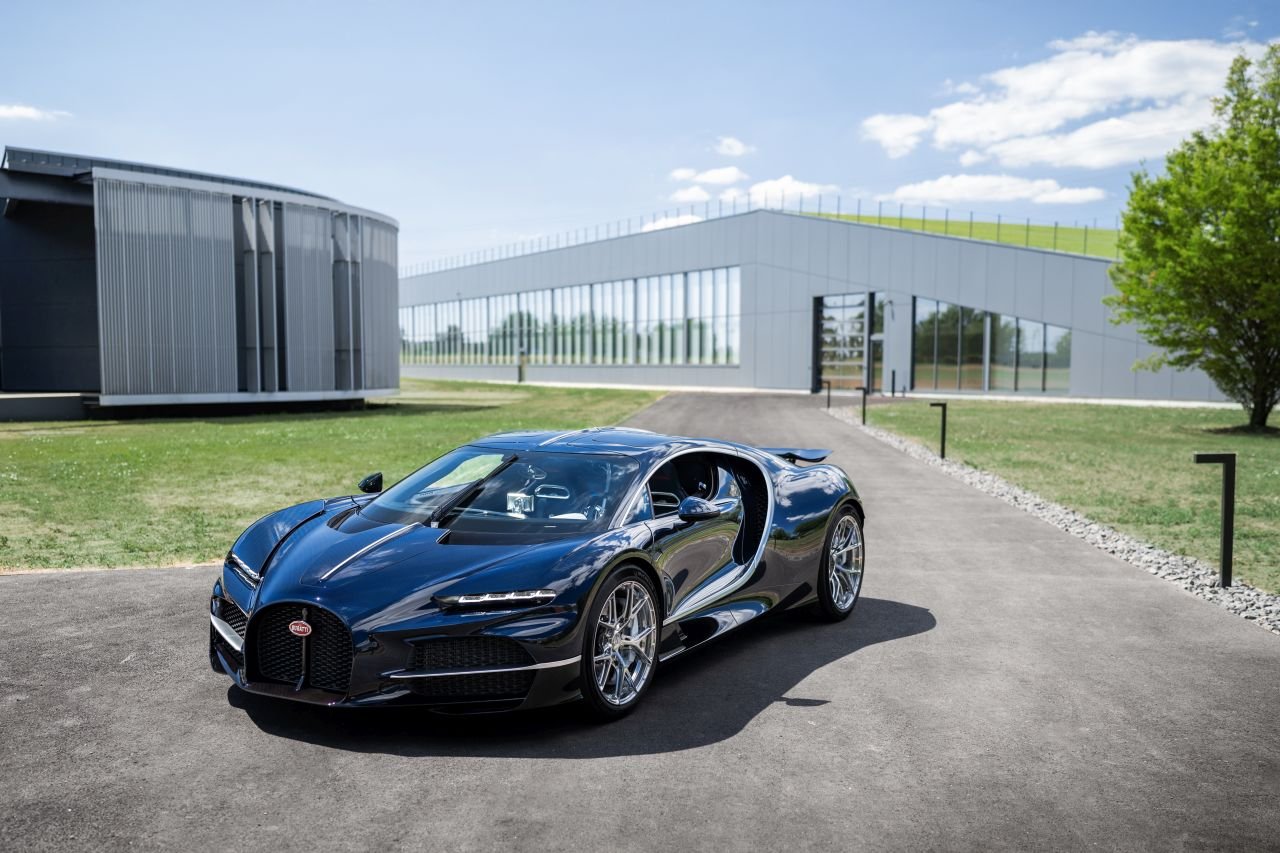
The project ultimately moved away from the electric SUV idea and toward the Tourbillon, a successor shaped around a naturally aspirated V16 hybrid powertrain.
That outcome is notable because it didn’t come from an anti-electric traditionalist.
It came from the founder of a company known for one of the world’s fastest electric cars.
The decision also gives the Tourbillon a clearer place in Bugatti’s modern story.
Rather than becoming another ultra-luxury SUV with immense performance, it continues the brand’s lineage of low-volume, highly engineered performance cars while still using electrification as part of the powertrain.
Details & Specifications
| Brand | Bugatti |
|---|---|
| Abandoned proposal | Four-seat electric SUV successor to the Chiron |
| Planned electric technology | Powertrain technology developed for the Rimac Nevera |
| Key obstacle | No suitable platform, with a new architecture requiring a multibillion investment |
| Resulting model | Bugatti Tourbillon |
| Powertrain | Naturally aspirated V16 hybrid |
For enthusiasts, the most compelling part of the story isn’t simply that Bugatti avoided building an electric SUV.
It’s that the brand’s next chapter appears to have been shaped by a debate over what Bugatti should be, not just what the market might reward in the short term.