Iceland in winter rewards travellers who accept that the island isn’t running on a fixed script.
Between November and March, daylight is brief, wind can rearrange the roads, and some of the season’s best moments depend on timing rather than a checklist.
That’s exactly where a private guide can change the trip, not by removing the weather, but by knowing how to work with it.
At a glance
- In Iceland from November to March, a private guide matters most because daylight, road conditions and access can change the shape of a day.
- Winter’s strongest experiences include Vatnajökull ice caves, low-angle light at Þingvellir and Gullfoss, super-truck access to Langjökull and geothermal baking at Laugarvatn.
- Plan for flexibility, especially around Christmas and New Year ice cave slots, and allow six or seven days rather than trying to compress winter into a long weekend.
The short daylight window is the luxury
In early January, the sun rises over the southwest at around eleven and disappears before four.
On paper, that sounds limiting; on the road, it can be beautiful if the day is built around it.
The twilight on either side of the day is long and blue, while the low sun gives the landscape the kind of gold light photographers normally wait hours to catch.
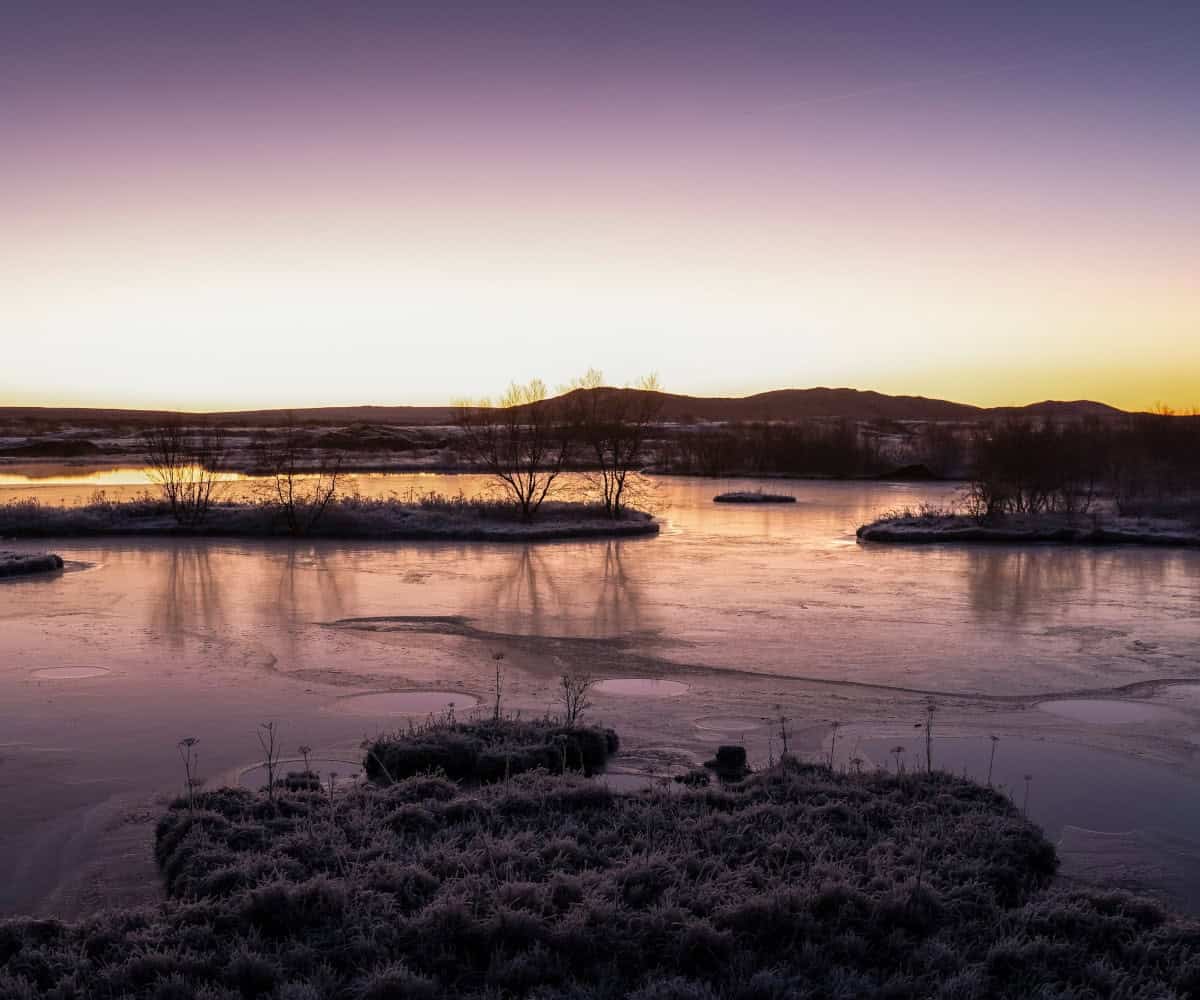
A well-planned winter route often starts in darkness, with the first serious stop timed for the moment the colour arrives.
Þingvellir can shift from blue to pink as the rift valley wakes up, while Gullfoss can be reached when the sun is as high as it’s going to get.
That matters because the alternative is spending the best light behind glass.
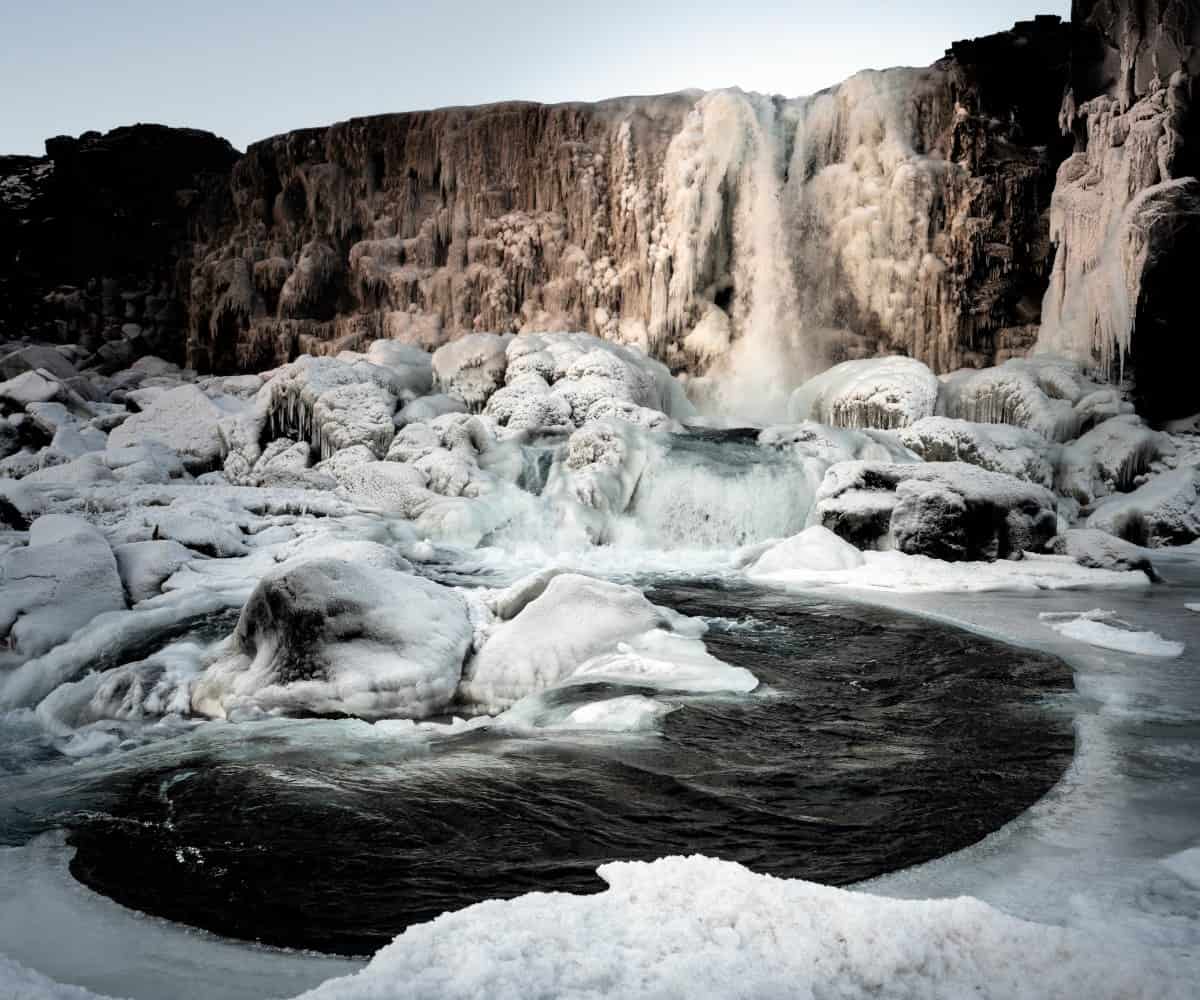
A guide who can leave earlier, reverse a familiar route or avoid the most crowded window can make a classic stop feel much less processed.
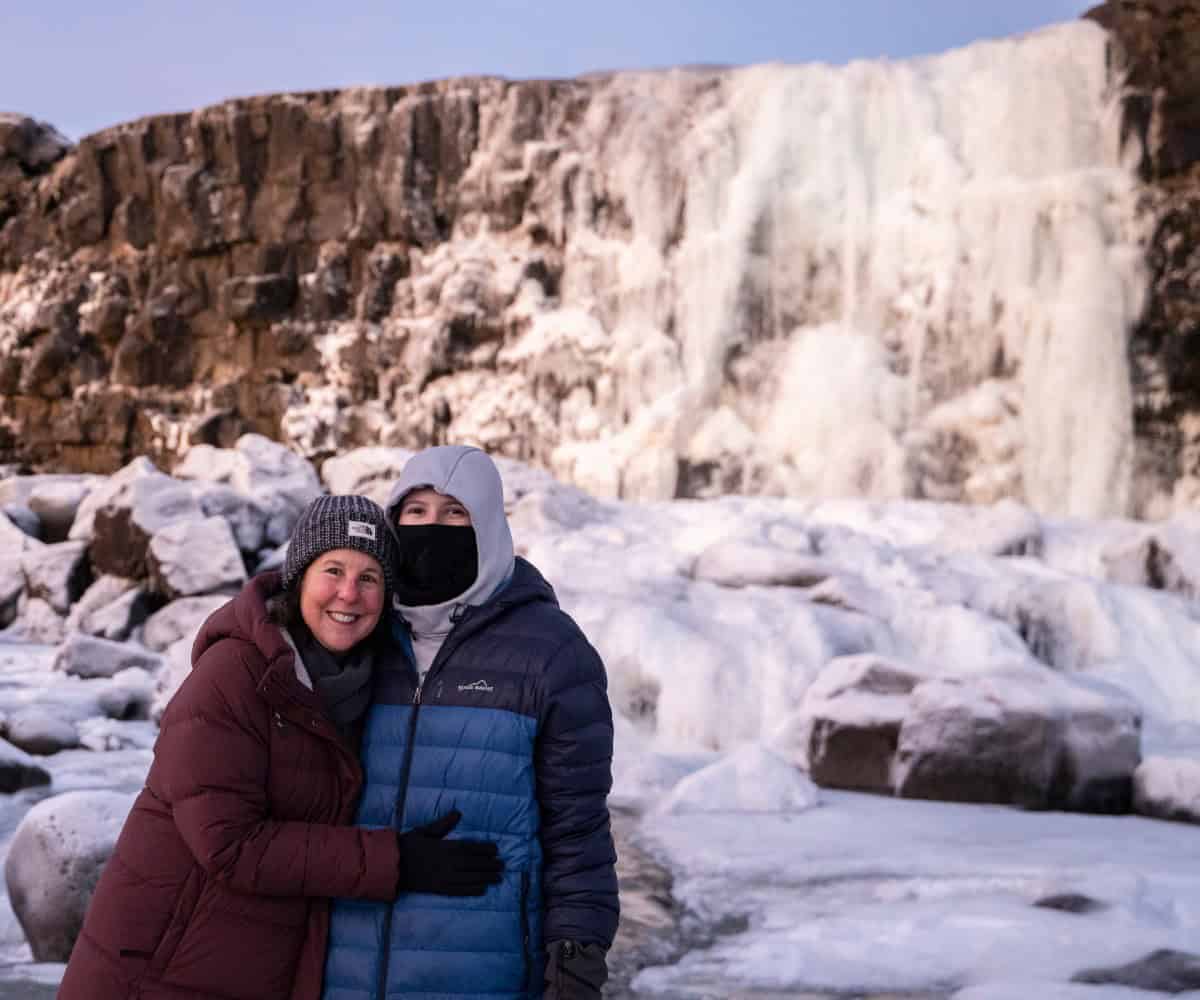
Even at places such as Öxarárfoss, a difference of 40 minutes can mean a quieter path and a completely different mood.
Vatnajökull ice caves need flexibility
The blue ice caves beneath Vatnajökull are among Iceland’s defining winter experiences, but they’re also one of the easiest to misunderstand.

They aren’t permanent rooms waiting for visitors year after year.
Meltwater cuts new channels through the glacier each summer, so the cave visited in January may not have existed in that shape the previous winter.
The season runs roughly from November to March, but rain or a warm spell can flood a cave and close it for days.
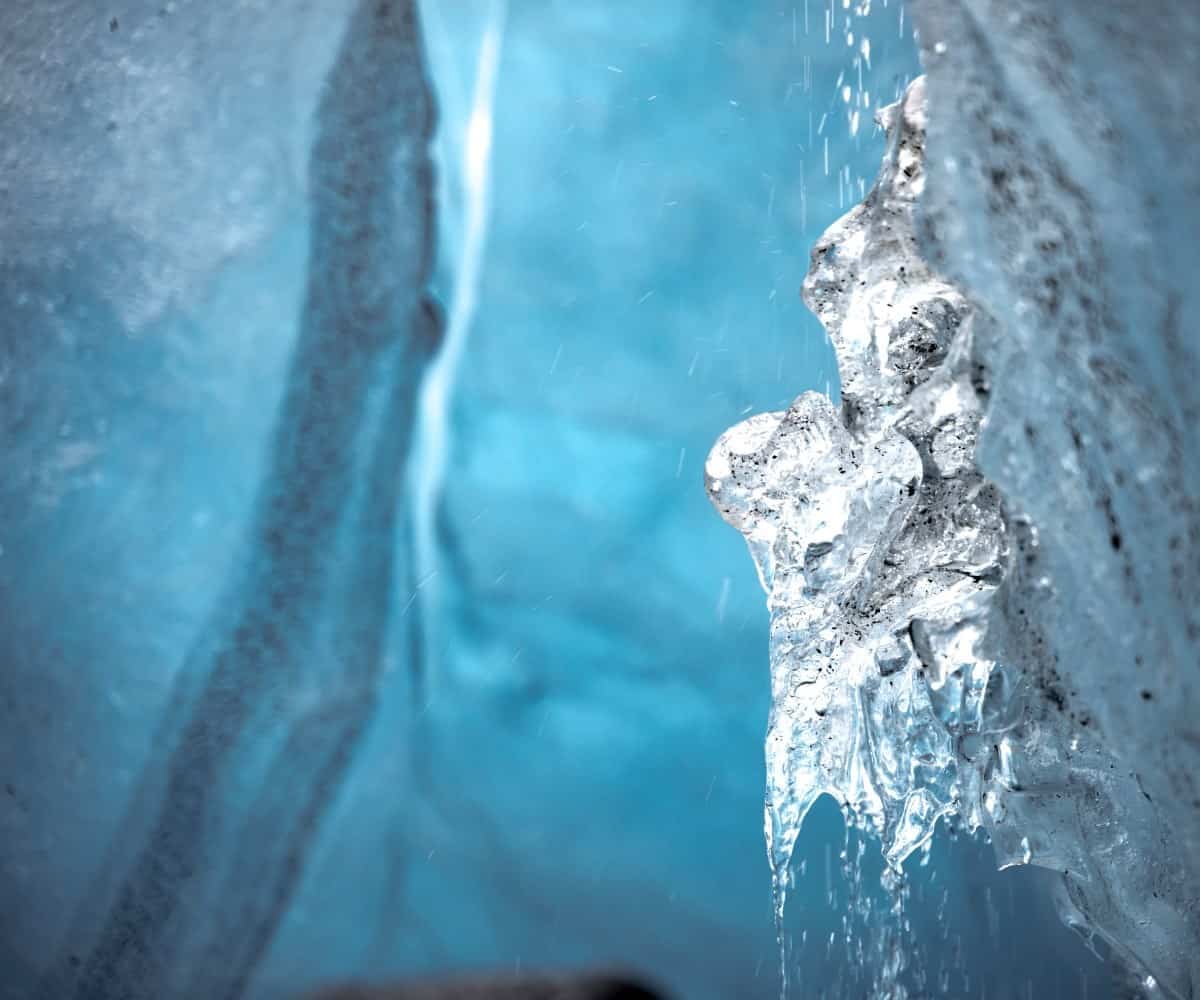
The first practical advantage is location.
The caves sit on the far side of the south coast, around five hours from Reykjavík, which makes a midwinter day trip a hard bargain.
Ten hours of driving, much of it in darkness, can leave less than an hour on the ice.
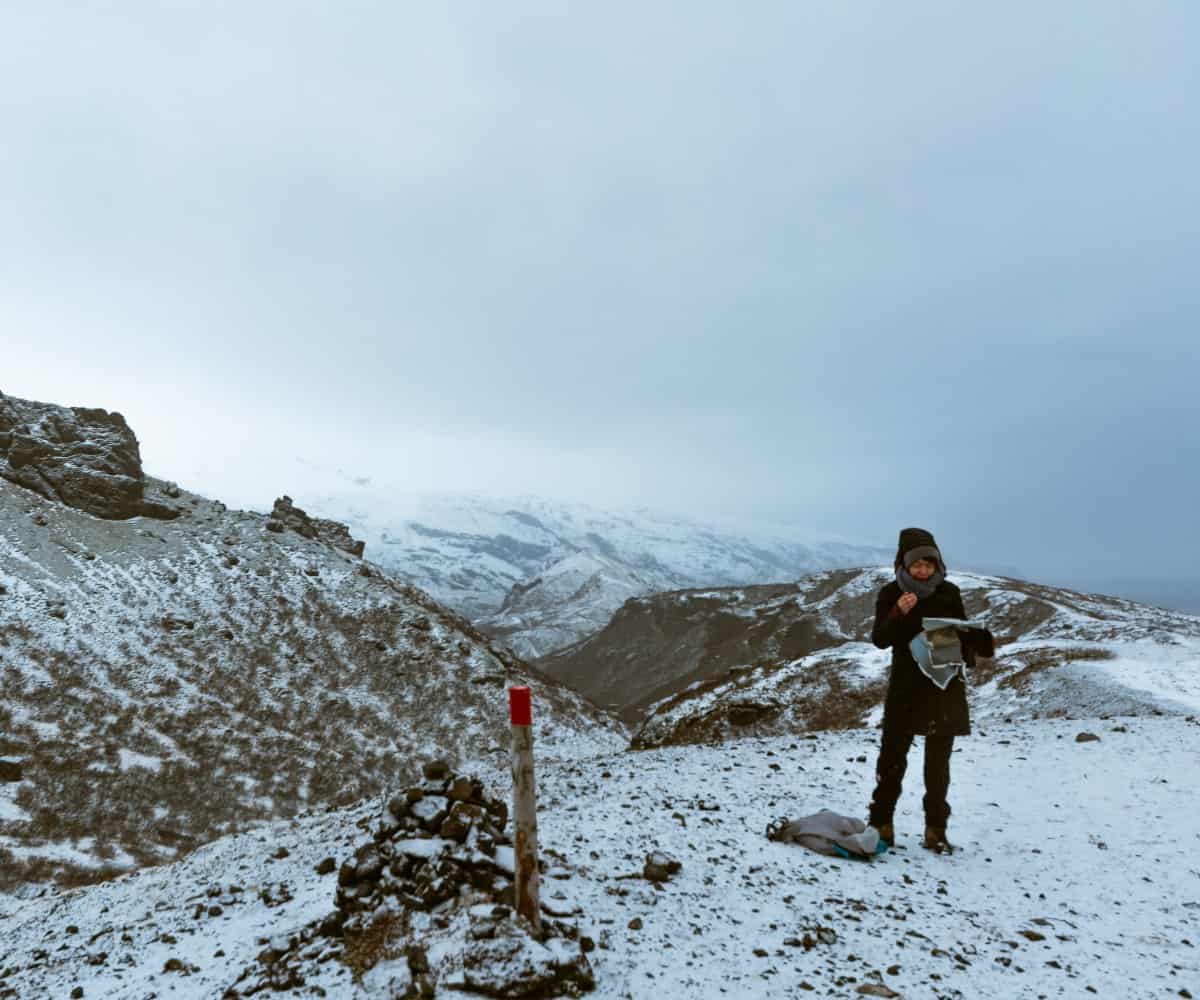
Staying in the southeast for a night or two gives the experience space to breathe.
The second advantage is slack in the itinerary.
Glacier cave visits should be led by specialist glacier guides who work on the ice regularly and use the appropriate vehicles and equipment.
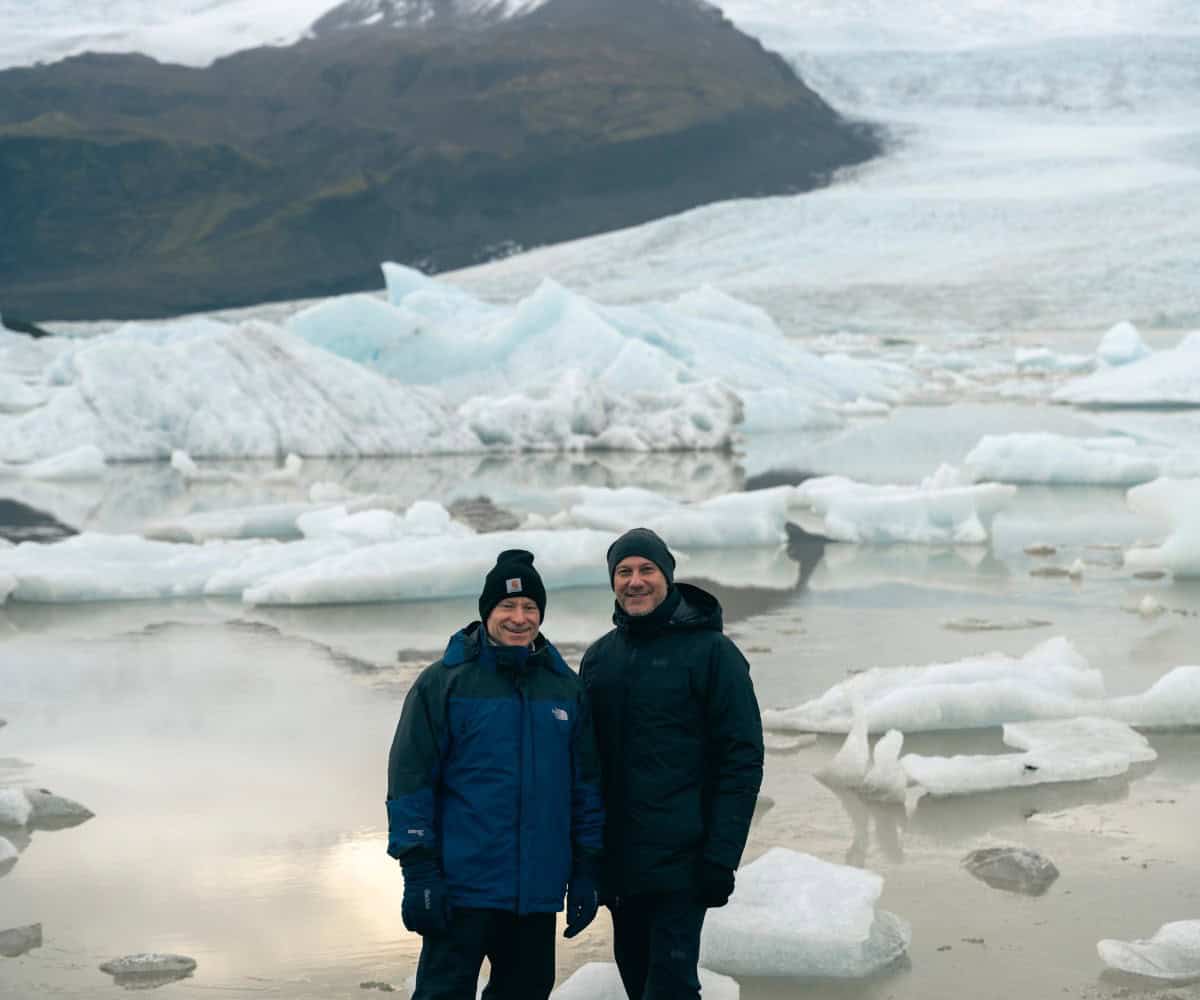
A private guide can still add real value by arranging the slot and, more importantly, moving the day if conditions change.
If a cave floods on Tuesday, the day can become Jökulsárlón and the ice on the beach opposite, while the cave shifts to Wednesday.
On a fixed departure, that same weather event may mean a refund and an empty afternoon.
Weather-aware routing changes the south coast
Winter weather in Iceland is often less about snow than wind.
The snow may be the pretty part, but gusts are what can close stretches of road at short notice.
The road authority closes sections of the Ring Road when conditions become dangerous, and the stretch east of Vík is a regular pressure point in winter.
That makes route planning a daily exercise rather than a document printed before departure.
Forecasts need checking the evening before and again in the morning.
If the south is closed, the day can turn west towards Borgarfjörður.
There, Hraunfossar seeps out from beneath a lava field in dozens of streams, while Deildartunguhver throws steam into the cold air.
If the wider road picture is poor, Reykjavík can still carry a winter day well.
A good bakery and the Icelandic punk museum, housed in a former public toilet, are not a bad outcome when the island decides the roads should rest.
The real point is that nobody has to sit in a rental car on the hard shoulder wondering whether the road ahead is open.
The unscripted stops are part of the experience
Some winter moments can be planned, but not all of them belong on a formal itinerary.
Snowmobiling on Langjökull is a classic example, with access in January often requiring a super truck because little else is suited to the route.
Then there’s Laugarvatn, where the most memorable bakery has no oven.
Rye bread dough is placed in a pot, the pot goes into a hole in the hot black sand by the lake, and around a day later it’s dug up and served warm with butter.
On a cold morning, the steam coming off the shoreline can make the beach look as though it’s smouldering.
Private guiding also allows for smaller detours that would never survive a group itinerary.
If someone discovers a favourite Icelandic dried beef early in the trip, the day can bend around a few petrol-station stops until it turns up again.
That may sound minor, but it’s often the personal detail that makes a winter trip feel like a journey rather than a sequence of stops.
What winter won’t give you
Winter Iceland has limits, and they’re worth taking seriously.
The highlands are closed, as are most mountain roads from the first proper snow until June or later.
The puffins have left by August.
Some paths are roped off when ice makes them unsafe, although access can vary with conditions.
Seljalandsfoss, for example, may still offer the chance to walk behind the waterfall in some January conditions, but it can’t be treated as guaranteed.
It’s also wise to assume that weather will cost you something.
That might be half a day, a planned stop or a route you were hoping to drive.
For that reason, six or seven days is a more forgiving winter frame than three.
One bad-weather day becomes part of the story, not a third of the holiday.
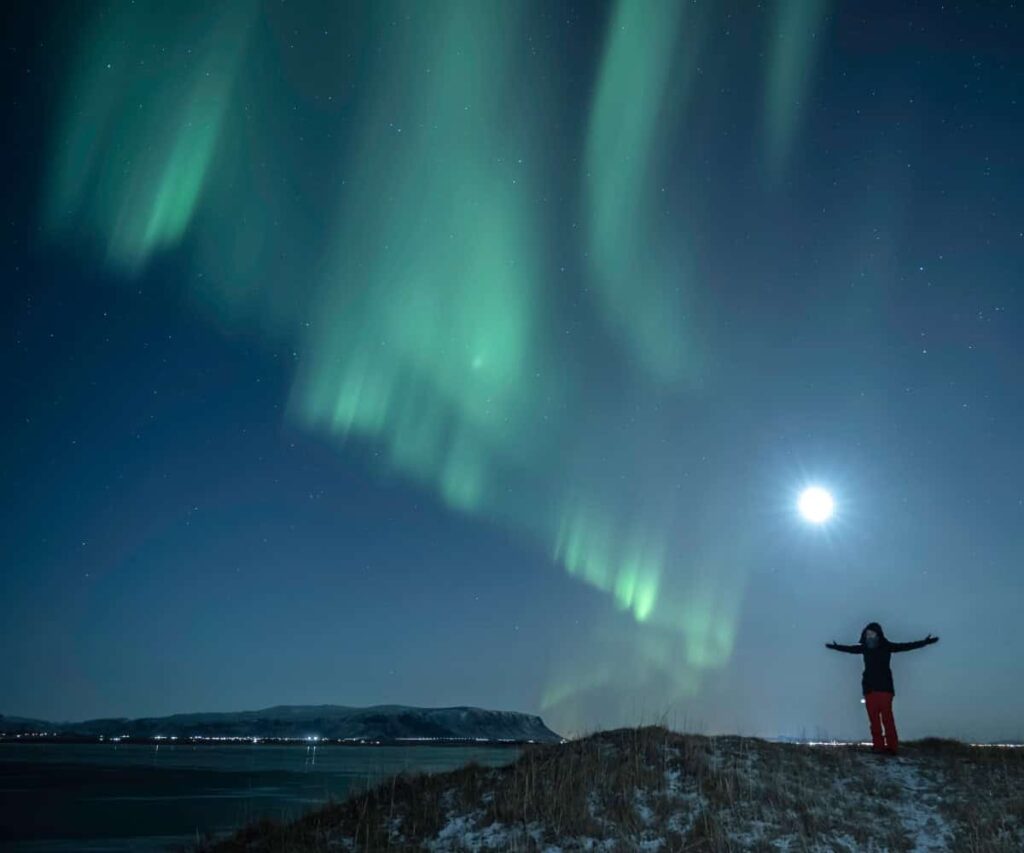
The northern lights deserve the same attitude.
They can appear over Reykjavík with no elaborate plan, but they’re best treated as a bonus rather than the foundation of the trip.
Build winter around the things that are more certain, then let the sky surprise you if it chooses.
Who should consider a private winter trip
This kind of Iceland suits travellers who have already done the easy big-city winter break and want something with more weather in it.
It’s also a strong fit for parents travelling with grown children, or anyone who would rather not drive on ice in the dark.
Those looking at Christmas and New Year should plan early, because ice cave slots around that period are among the first to go.
Small countryside hotels in the south also have limited room counts, so October isn’t too early to start shaping a winter journey.
The private guide advantage in Iceland isn’t about being insulated from the season.
It’s about having someone who knows when to leave, when to turn around, when to wait, and when a detour for warm rye bread or a bag of dried beef is exactly the right move.