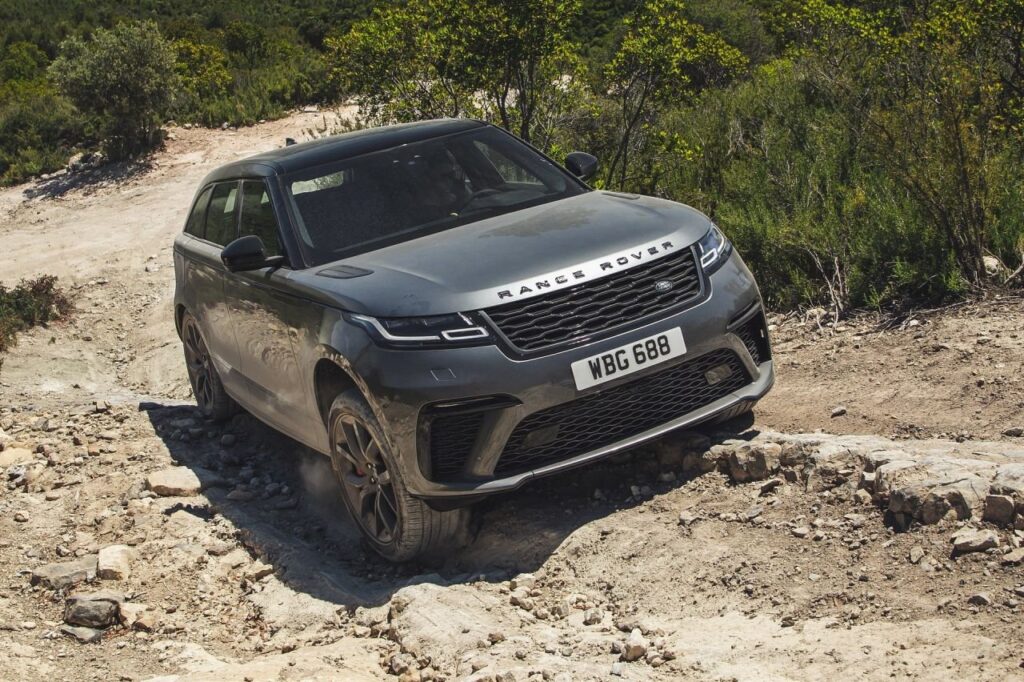
Range Rover is preparing for a notable reset at the more accessible end of its luxury SUV range.
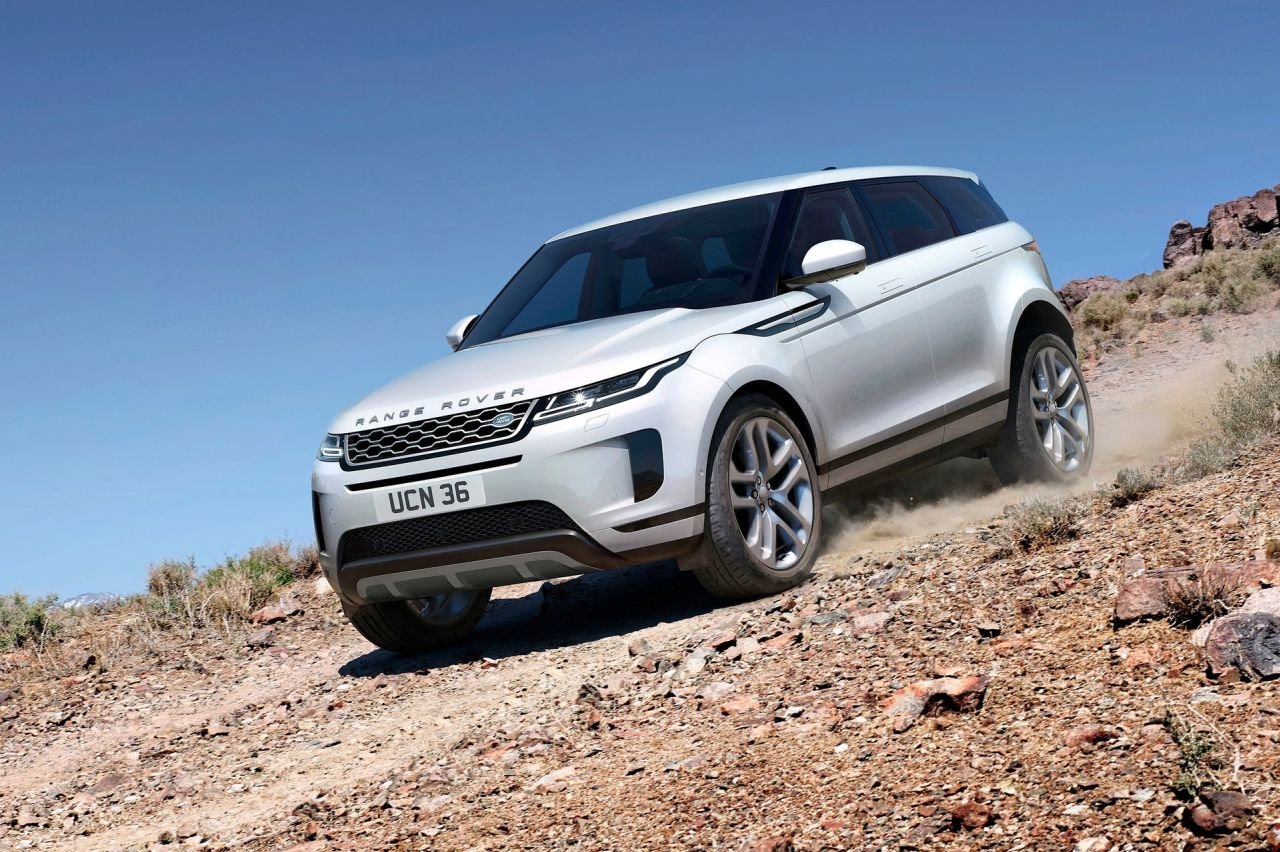
JLR has confirmed to Autocar that the Range Rover Evoque and Range Rover Velar are being phased out, with production set to end in mid-2027.
Rather than develop direct next-generation replacements for both nameplates, the brand plans to fill the space with a new premium electric SUV called the Range Rover GT.
At a glance
- JLR has confirmed to Autocar that the Range Rover Evoque and Velar will go out of production after 2027.
- The upcoming Range Rover GT will be a premium electric SUV based on Land Rover’s new EMA platform.
- Production of the Evoque and Velar is set to end in mid-2027, with 2026 listed as their final model year.
A sharper role for the lower Range Rover line-up
The decision marks a clear move away from simply refreshing the Evoque and Velar as separate model lines.
The Evoque has long served as the compact entry point into Range Rover ownership, while the Velar has occupied a sleeker, more style-led position above it.
By replacing both with one electric SUV, JLR appears to be simplifying the range around a more future-facing product rather than preserving every existing nameplate.
That makes the Range Rover GT more than a new model launch.
It’s also a signal of how Range Rover intends to balance luxury, electrification and model discipline as it moves beyond its current combustion-heavy portfolio.
The Range Rover GT’s long-distance brief
JLR has described the Range Rover GT as a premium electric SUV engineered for long-distance journeys.
That positioning matters because it places the car closer to the traditional Range Rover promise of comfort and usability, rather than treating it simply as an urban electric crossover.
For buyers coming from an Evoque or Velar, the key question will be whether one EV can cover the ground previously split between compact luxury practicality and larger, more relaxed touring ability.
No pricing, range figure or launch timing has been confirmed in the supplied details, so the GT’s market position will depend heavily on those final numbers.
EMA platform and electric all-terrain intent
The Range Rover GT will be based on Land Rover’s new EMA platform.
It is expected to use dual electric motors, giving it the all-terrain capability associated with the brand’s SUVs.
That detail is important for Range Rover, where electrification can’t come at the expense of the go-anywhere image that underpins the badge.
The move also suggests the GT is being developed as a Range Rover first and an EV second, rather than a generic electric SUV wearing a familiar name.
Details & Specifications
| Brand | Range Rover |
|---|---|
| Model | Range Rover GT |
| Vehicle type | Premium electric SUV |
| Platform | Land Rover EMA platform |
| Powertrain | Expected dual-motor electric setup |
| Positioning | Set to replace the Range Rover Evoque and Velar in the line-up |
| Evoque and Velar production | Set to end in mid-2027 |
| Final model year for Evoque and Velar | 2026 |
The Range Rover GT will have to do a difficult job, replacing two recognisable models while proving that an electric SUV can still feel authentic to the Range Rover brief.
If JLR gets the balance right, it could become one of the brand’s most important new models of the decade.