French watchmaking is often viewed through the shadow of Switzerland, but that misses the point.
France has been part of mechanical timekeeping since the medieval clock tower era, and its influence runs through portable watches, marine chronometers, early wristwatches and some of the most important names in horology.
Today’s French revival, with revived heritage brands and new in-house ambitions, makes more sense when seen against that longer arc.
At a glance
- French watchmaking stretches back to the 14th century and includes major advances in public clocks, portable watches, chronometers and wristwatch design.
- Figures such as Jean-Antoine Lépine, Julien Le Roy, Ferdinand Berthoud and Abraham-Louis Breguet helped define modern movement architecture and precision timekeeping.
- Besançon became the country’s watchmaking capital by the late 19th century and remains central to France’s current horological rebound.
From tower clocks to portable time
France entered the mechanical age early, with public clocks becoming civic instruments as much as technical achievements.
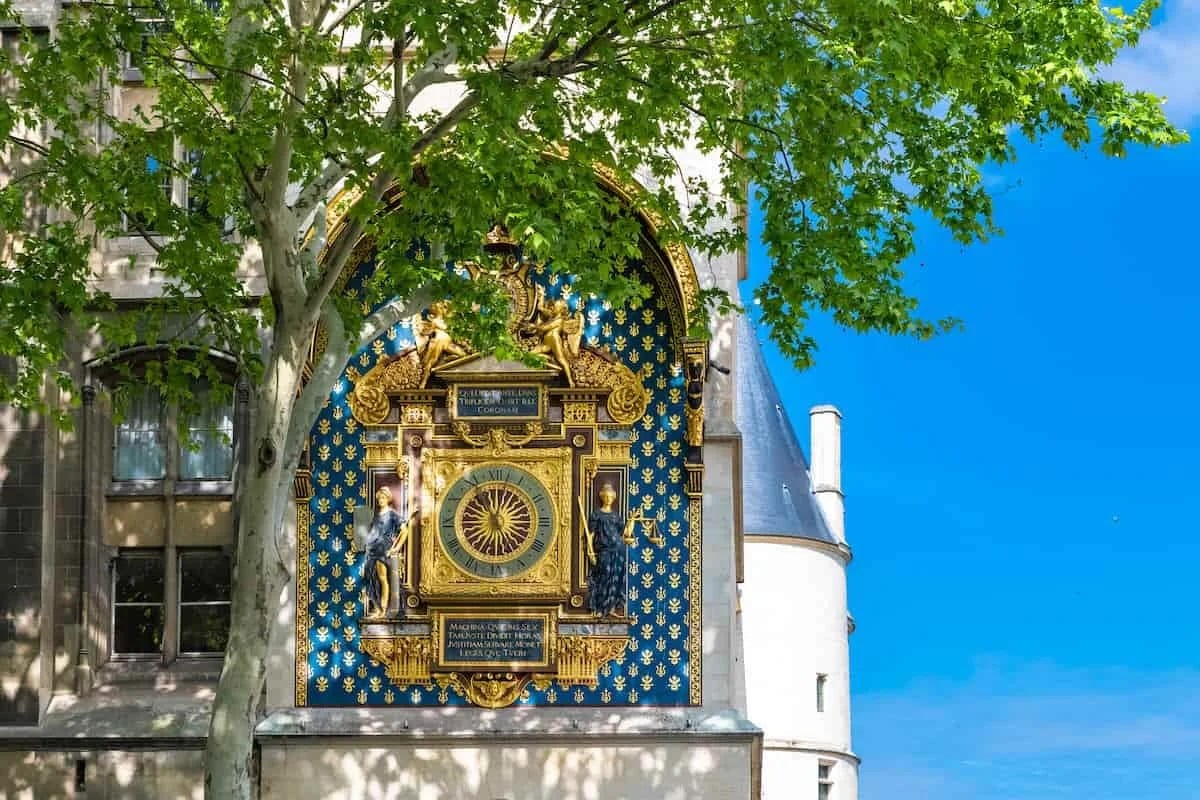
The Conciergerie Clock, also known as the Tour de l’Horloge, was built in Paris between 1370 and 1371 by German engineer Henri de Vic on the order of King Charles V.
It became France’s first public clock tower and helped set the stage for more ambitious installations, including the astronomical Gros-Horloge in 1389.
These early clocks were not delicate domestic objects but public regulators of the day, often attached to religious or civic centres and marked by single-hand displays and hourly bells.
France was not the birthplace of mechanical clocks, which had appeared earlier in northern Italy and southern Germany, but the country became an important ground for their development from the 14th through 16th centuries, particularly around the Jura.
The move from public time to portable time brought France into a more intimate chapter of watchmaking.
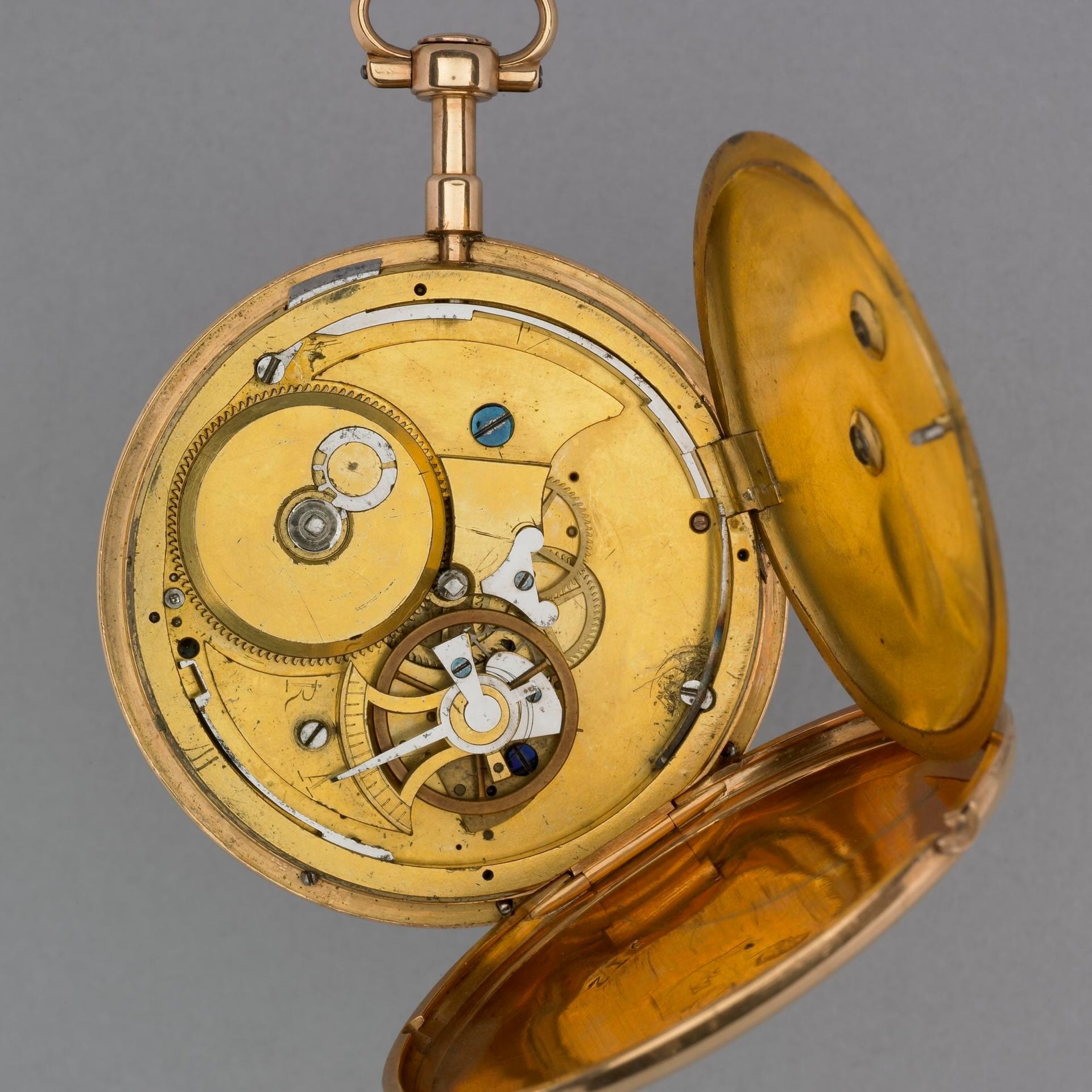
Julien Coudray, who served Kings Louis XII and Francis I, is credited with developing some of the earliest French portable watch movements in 1518, including examples set into dagger handles.
His work helped establish Blois as a European watchmaking centre, where around 200 master watchmakers supplied the royal court with portable timepieces.
Paris, precision and the great French masters
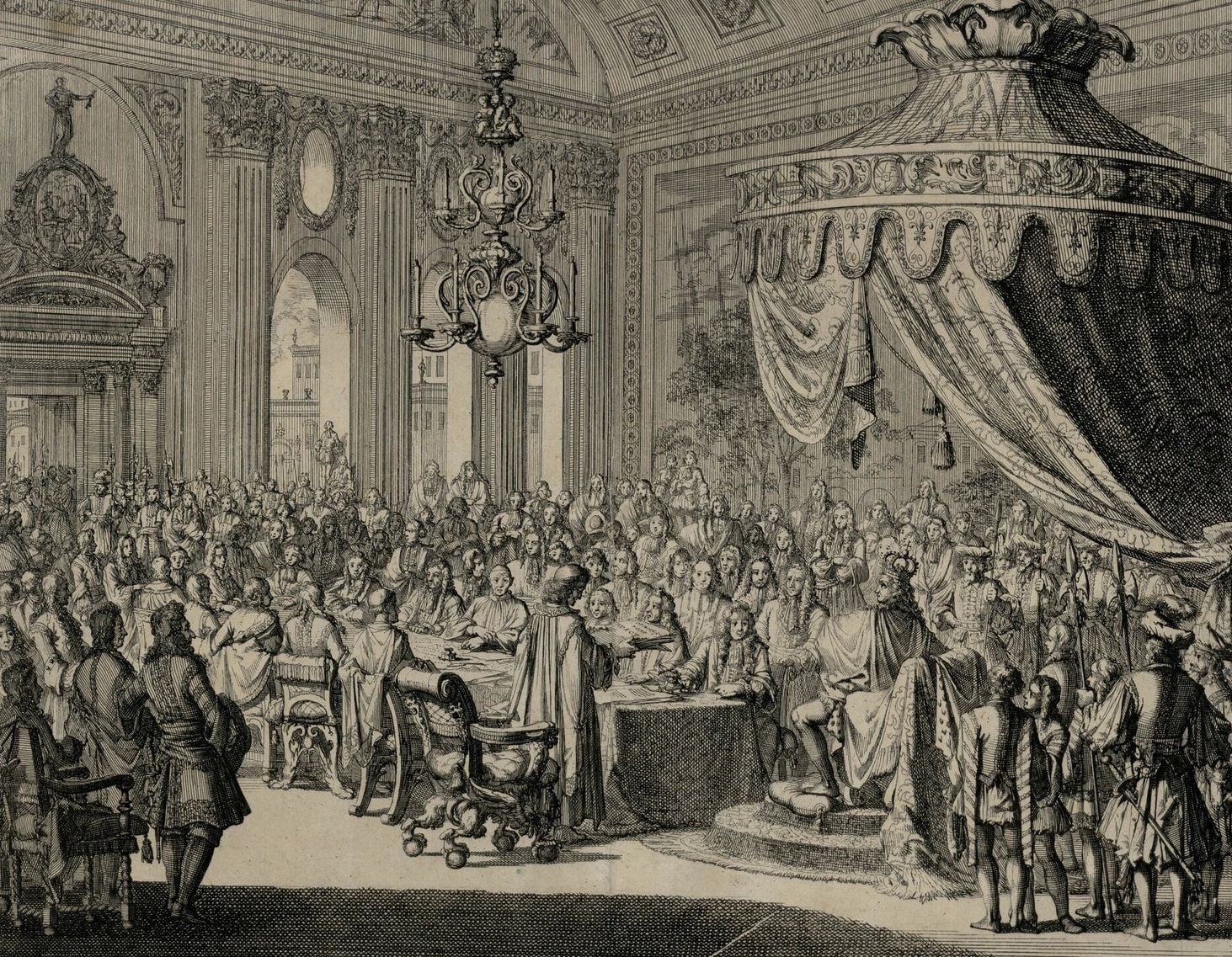
French watchmaking was sharply disrupted in 1685 when Louis XIV revoked the Edict of Nantes, stripping Huguenots of many religious and civil rights.
More than 200,000 Huguenots fled, many to Switzerland and nearby European countries, taking with them thousands of skilled artisans and strengthening the Swiss watch industry at France’s expense.
The recovery took decades.
Regent Philippe d’Orléans later invited British master watchmaker Henry de Sully to Paris to establish a workshop at Versailles, helping restart a local culture of technical ambition.
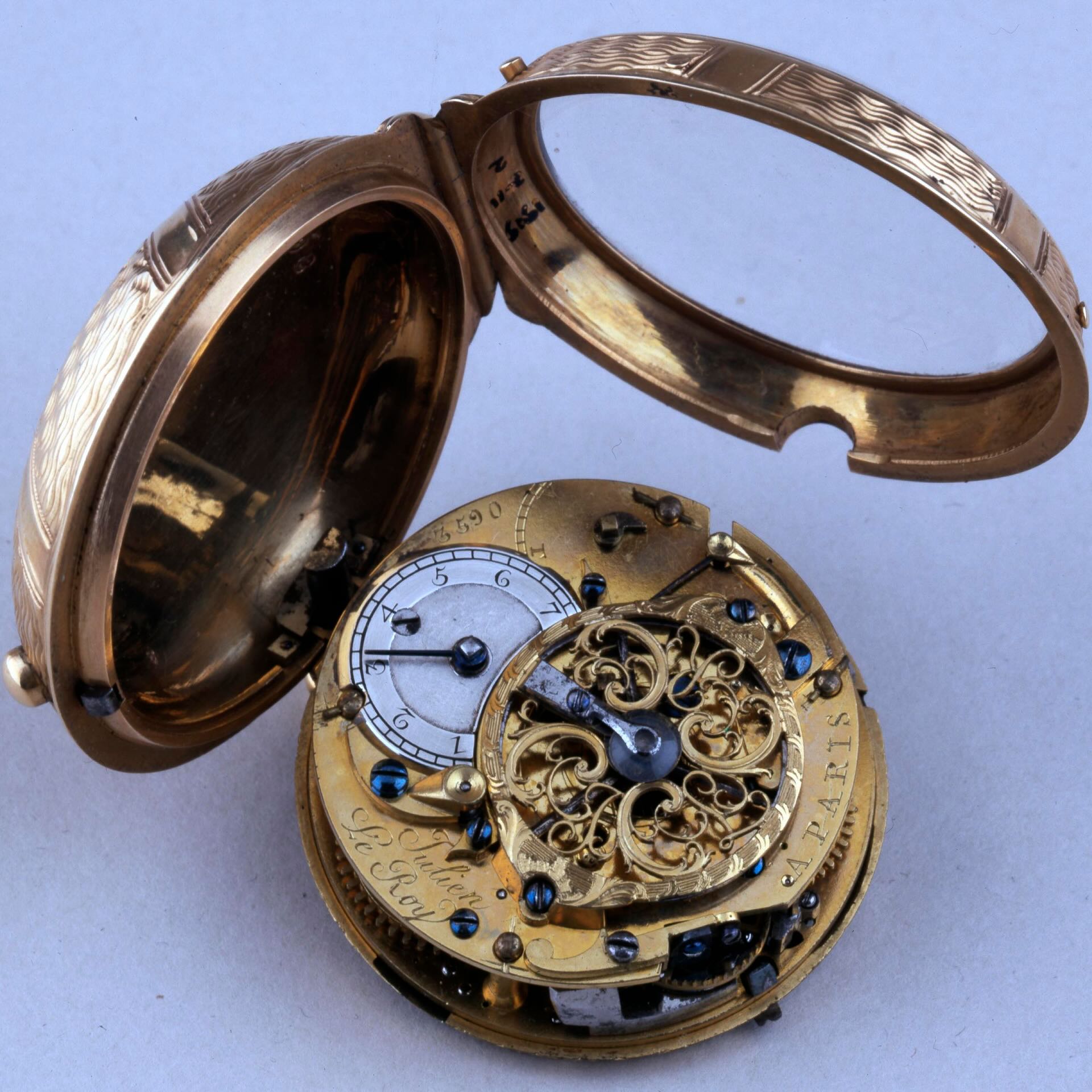
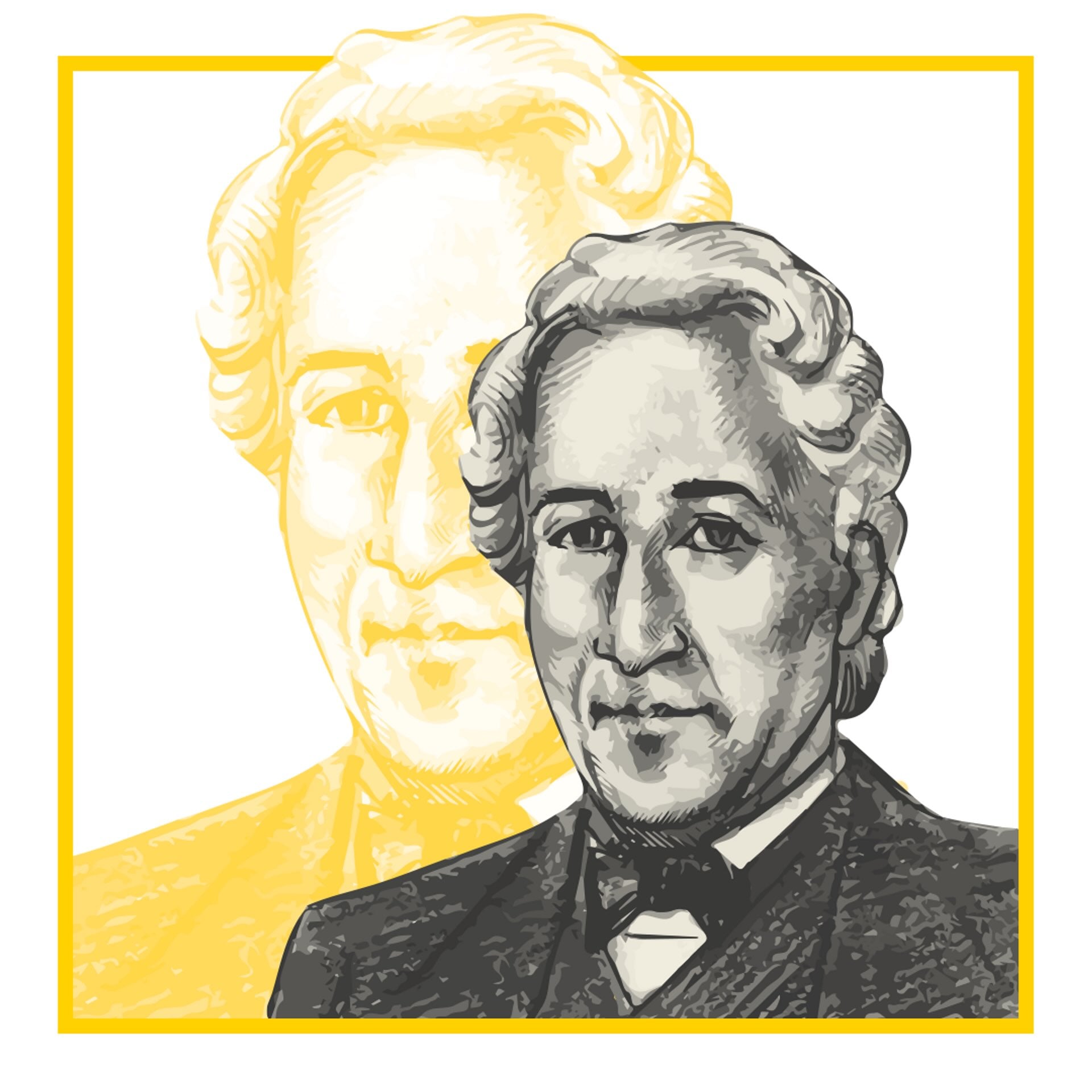
Jean-Antoine Lépine became one of the defining figures of that revival.
His mid-18th-century Lépine calibre removed the traditional top plate in favour of a single plate with independent bridges, moving the balance wheel to one side and allowing thinner watches that were easier to service.
Lépine also eliminated the fusee and chain in favour of the going barrel, while the cylinder escapement helped make movements slimmer and more practical.
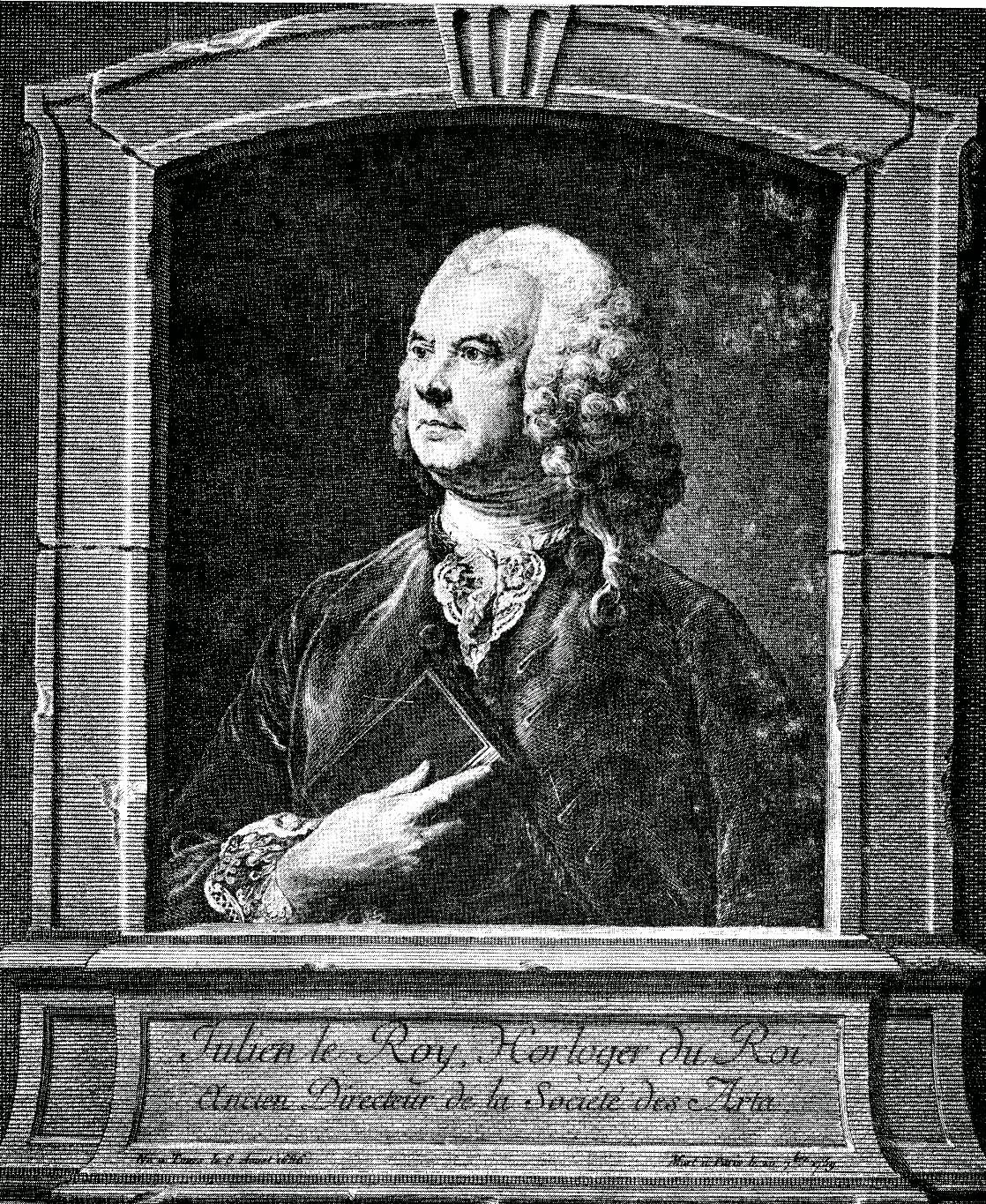
Julien Le Roy brought a different kind of discipline to French horology.
Appointed Master Clockmaker of Paris in 1713 at just 27, he improved compensating pendulums, refined repeater watches, developed slimmer clock movements and was appointed watchmaker to Louis XIV in 1739.
His son Pierre Le Roy continued the family’s technical legacy and invented the detached detent escapement in 1748, an innovation that became central to marine chronometer development after later refinement in England.

Ferdinand Berthoud, Swiss-born but established in Paris from 1745, became a master watchmaker in 1753 and later served the French Navy.
His Marine Clocks No. 6 and No. 8 performed successfully during a one-year voyage to the Caribbean in the Longitude Trials of 1768, helping prove that marine clocks could endure long sea voyages and calculate longitude to within half a degree.
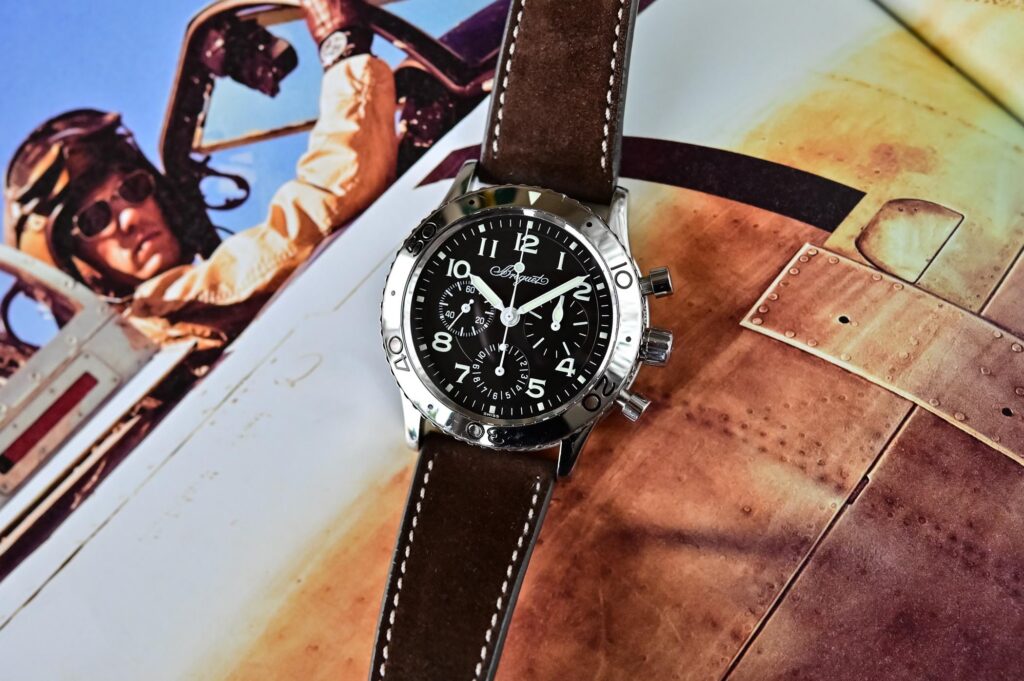
Then there is Abraham-Louis Breguet, the name that still looms largest over French watchmaking’s golden age.

Born in Switzerland and active in Paris, Breguet founded his firm in 1775 after apprenticing with Lépine, attracting patrons including Louis XVI, Marie-Antoinette, Napoleon Bonaparte and Caroline Bonaparte, Queen of Naples.
He is believed to have made the first reliable and effective self-winding watch with his perpétuelle movement in 1780, followed by the pare-chute shock protection system in 1790.
He introduced the Breguet overcoil in 1795, patented the tourbillon in 1801 and was appointed Official Watchmaker of the Royal French Navy in 1815.
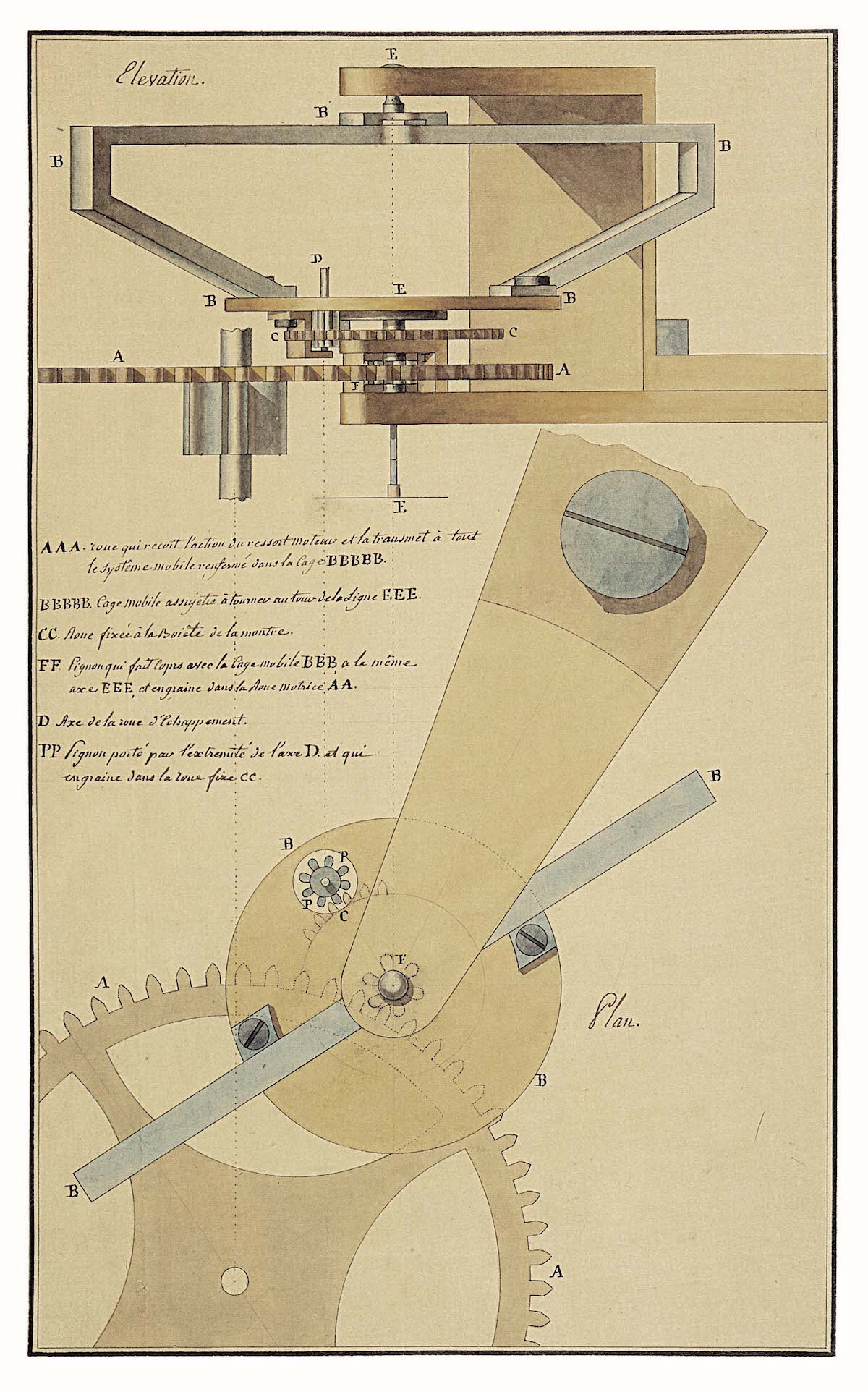
The Breguet No. 160 “Marie-Antoinette” pocket watch, completed in 1827 after 44 years of development, incorporated every known complication of its era and remains one of horology’s most consequential creations.
| Period | French watchmaking milestone |
|---|---|
| 1370 to 1371 | The Conciergerie Clock is built in Paris as France’s first public clock tower. |
| 1518 | Julien Coudray is credited with early French portable watch movements. |
| Mid-18th century | Jean-Antoine Lépine develops the Lépine calibre architecture for thinner pocket watches. |
| 1768 | Ferdinand Berthoud’s Marine Clocks No. 6 and No. 8 succeed during Longitude Trials at sea. |
| 1801 | Abraham-Louis Breguet receives a patent for the tourbillon. |
Besançon becomes the French watchmaking capital
The French Revolution changed the political landscape and also shifted the geography of French watchmaking.
Paris remained important, but production moved increasingly east toward Besançon, close to Neuchâtel, the Jura Mountains and the Swiss border.
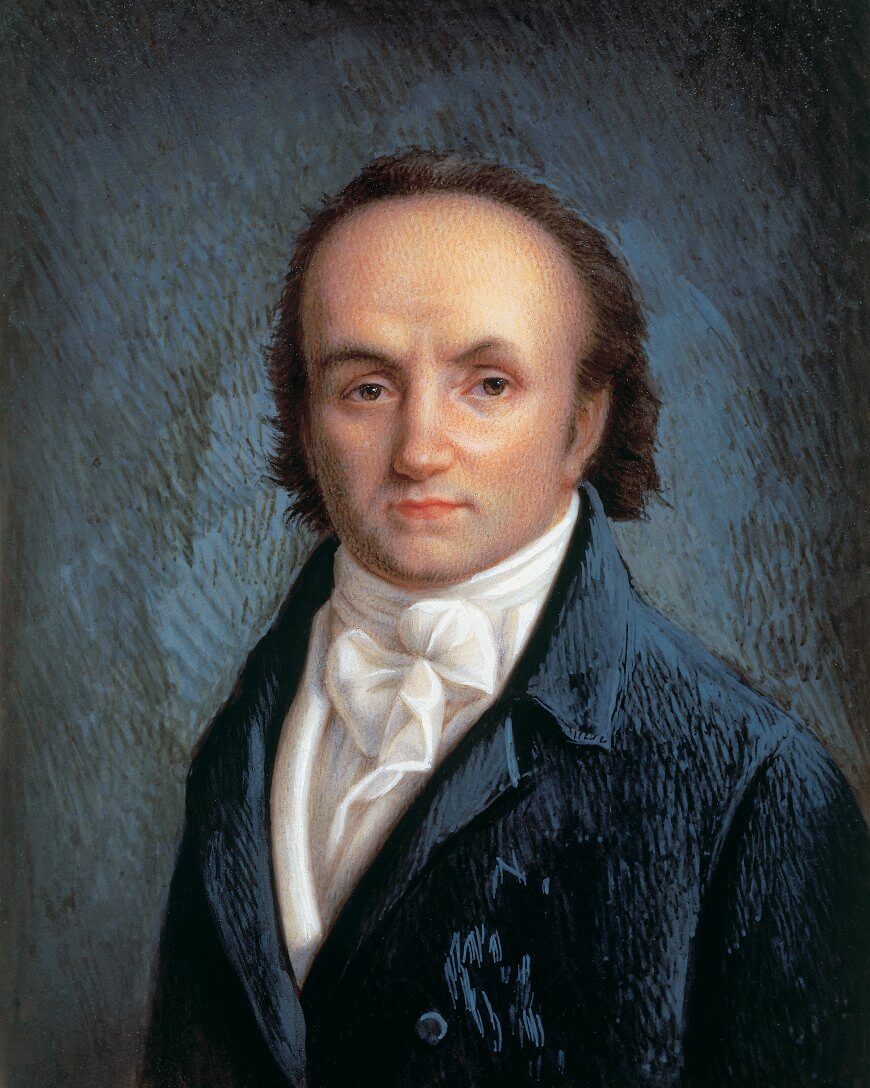
That proximity mattered because it allowed French workshops to draw on established Swiss supply chains while serving the French market.
In 1793, Genevan watchmaker Laurent Mégevand led a movement that brought Swiss watchmakers and returning Huguenot families into Besançon.
That same year, the Manufacture Française d’Horlogerie was established in the city, offering immigrant watchmakers subsidies, workshops and exemptions from military service.
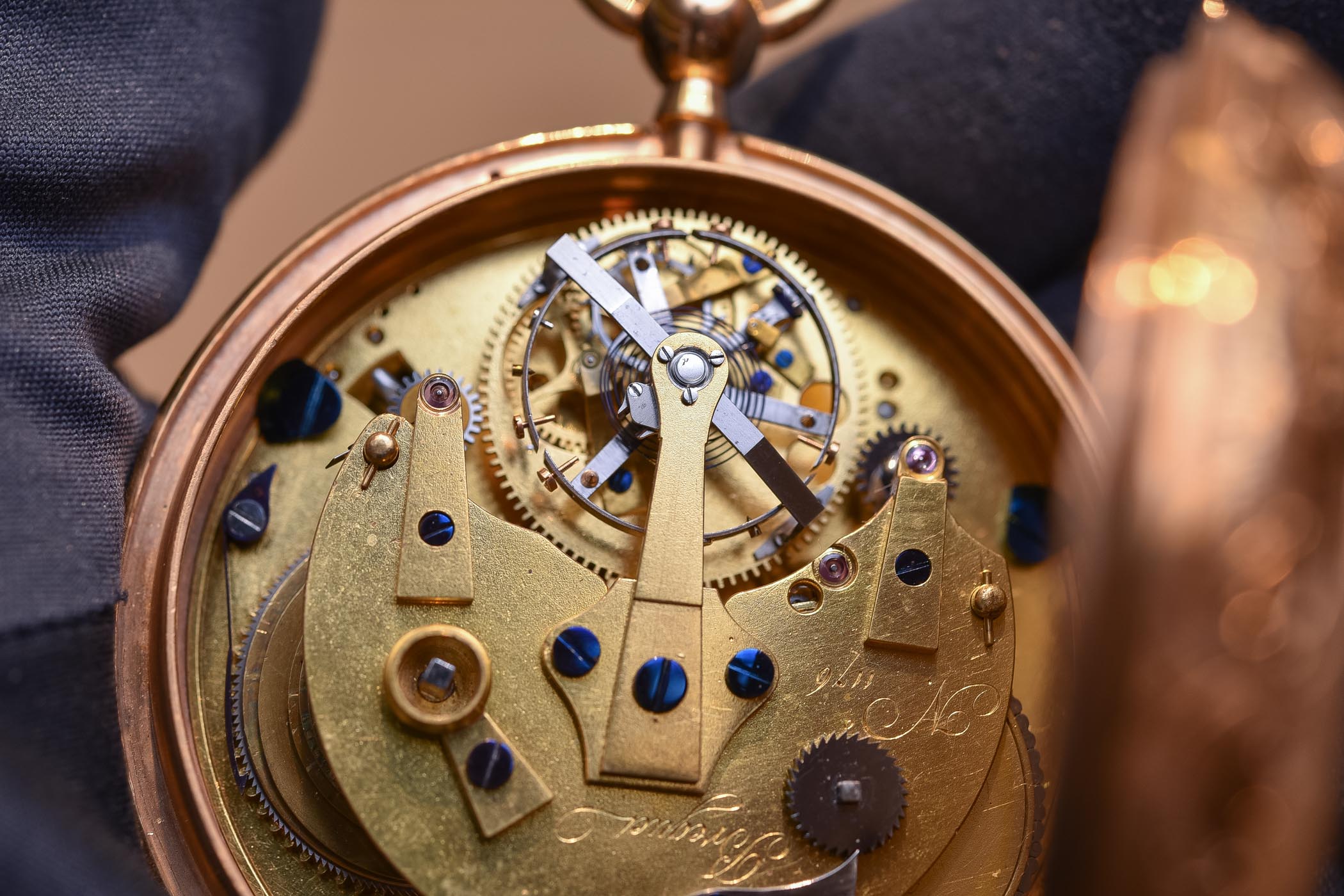
By 1795, almost 800 exiled Swiss watchmakers were working in Besançon.
The city’s infrastructure deepened over the following century.
A municipal watchmaking school opened in 1861, helping formalise training, while Besançon’s system of établissage connected workshops that specialised in components and partial assembly.
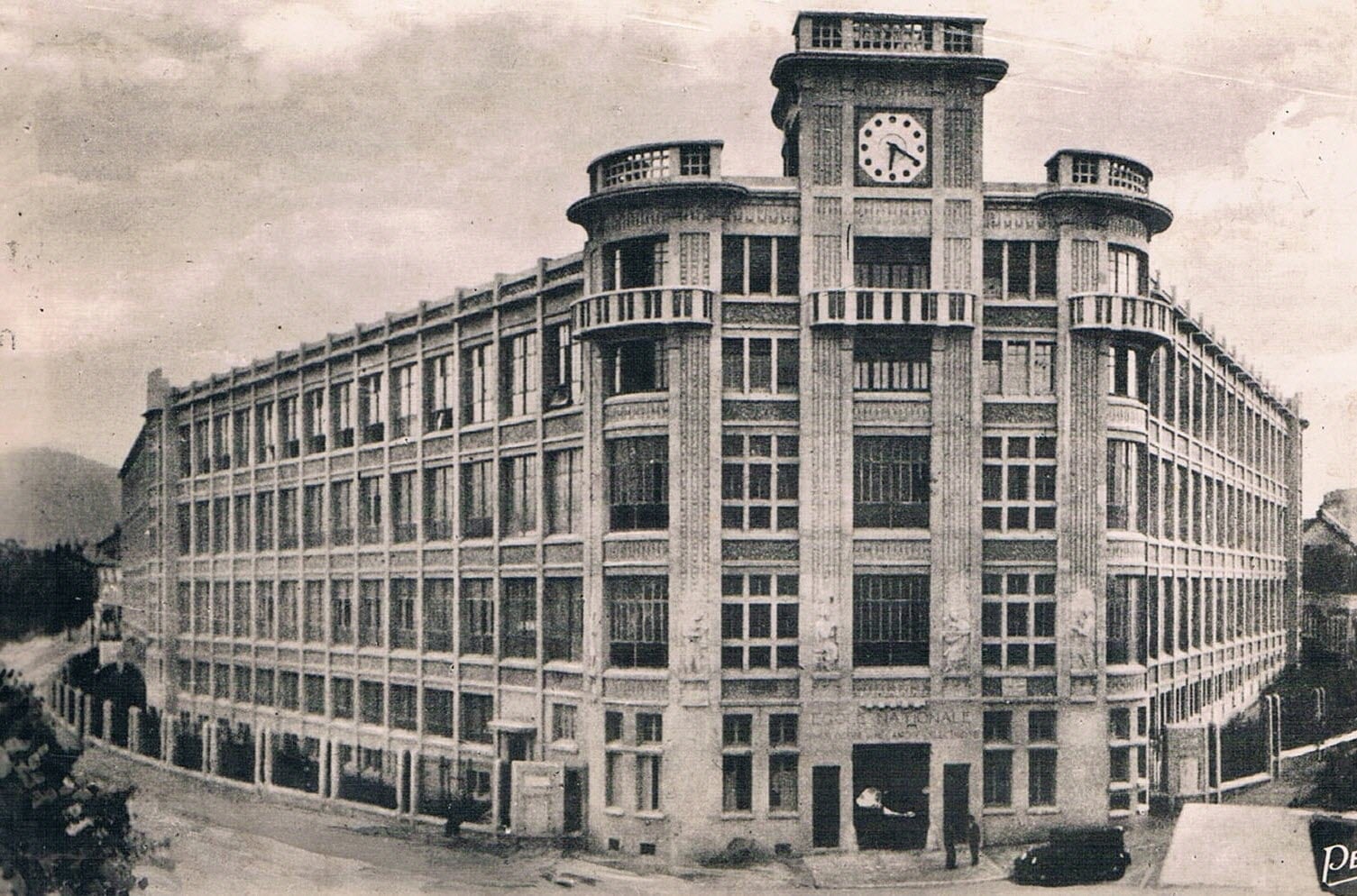
The Besançon Observatory opened in 1878 and gave the city its own chronometric testing capability.
By the late 19th century, Besançon accounted for around 90 percent of French watch production, making it the country’s horological capital in practical terms as well as cultural memory.
Cartier, LIP and the modern French rebound
French watchmaking in the 20th century was not just about movement architecture and industrial geography.
It was also about form, identity and the rise of the wristwatch as an object of modern life.
Cartier, founded in Paris in 1847 by Louis-François Cartier, began as a jeweller and goldsmith before becoming one of the most influential names in watch design.
The Santos, created in 1904 for aviator Alberto Santos-Dumont, became one of the first dedicated men’s wristwatches from a major brand and an early pilot’s watch.
Its square case and leather strap stood apart from the pocket watches of the period, and the model reached the public in 1911.
The Tank followed in 1917, inspired by the overhead view of a Renault battle tank, with elongated brancards, Roman numerals, a railway minute track and blued steel sword hands.
Cartier’s three branches in Paris, London and New York were later reunited in the 1970s by Robert Hocq and Joseph Kanoui, and the brand’s production shifted increasingly toward Switzerland after Richemont acquired the company in 1993.
LIP tells a more industrial and distinctly French story.
Founded by Emmanuel Lipmann in Besançon in 1867, the company became a major national watchmaker and contributed to French mass production, modern marketing and technical experimentation.
LIP collaborated with Pierre and Marie Curie on one of the earliest luminescent watch dials using radium in 1904.
Its later milestones included the Himalaya model associated with French expeditions above 8,000 metres from 1950, Europe’s first working electric wristwatch prototype in 1952, and the Nautic-Ski 200-metre dive watch in 1967.
The brand also became part of French labour history during the 1970s, when workers occupied the factory under a self-management movement known as autogestion during a period of layoffs and liquidation plans.
LIP eventually passed through multiple owners, restarted production under Jean-Claude Sensemat in 1990, shifted manufacturing to China, then returned design and assembly to Besançon after acquisition by Société des Montres Bisontines in 2014.
In 2025, LIP launched the R26, an in-house movement developed over three years with the SupMicroTech engineering school in Besançon.
That modern step captures the broader state of French watchmaking today.
It isn’t challenging Switzerland or Germany for dominance, but it has regained confidence through revived names, local assembly, distinctive design and renewed technical investment.
The result is a watch culture with unusual depth, shaped by royal workshops, revolutionary upheaval, scientific precision, aviation, industry and the enduring pull of Besançon.
France’s role in horology is not a footnote to Swiss watchmaking, but a parallel story that helped define how mechanical time looks, works and travels through culture.