
The REO Runabout lands in a market that often treats complexity as progress.
This revived American name is being positioned around a different idea, with a light utility truck that favours repairability, mechanical straightforwardness and long service life over screens, subscriptions and software dependence.
It’s not chasing supercar theatre or luxury-truck excess, which is precisely what makes it interesting.

At a glance
- REO is being revived with the Runabout, a simple light truck planned in pickup, crew cab and SUV configurations.
- The Runabout is confirmed with internal-combustion power only, a manual transmission as standard and a deliberately software-light ownership approach.
- Expected US pricing starts at USD 21,500 for the T4X, with REO promising warranty coverage of up to 500,000 miles.
A revived American name with useful history
REO’s badge has genuine automotive weight behind it.
The original REO Motor Company was founded in 1905 by Ransom Eli Olds, the same American automotive entrepreneur whose name is tied to Oldsmobile.
REO became one of the more profitable American carmakers in its early years before competition from Ford and General Motors reshaped its position.
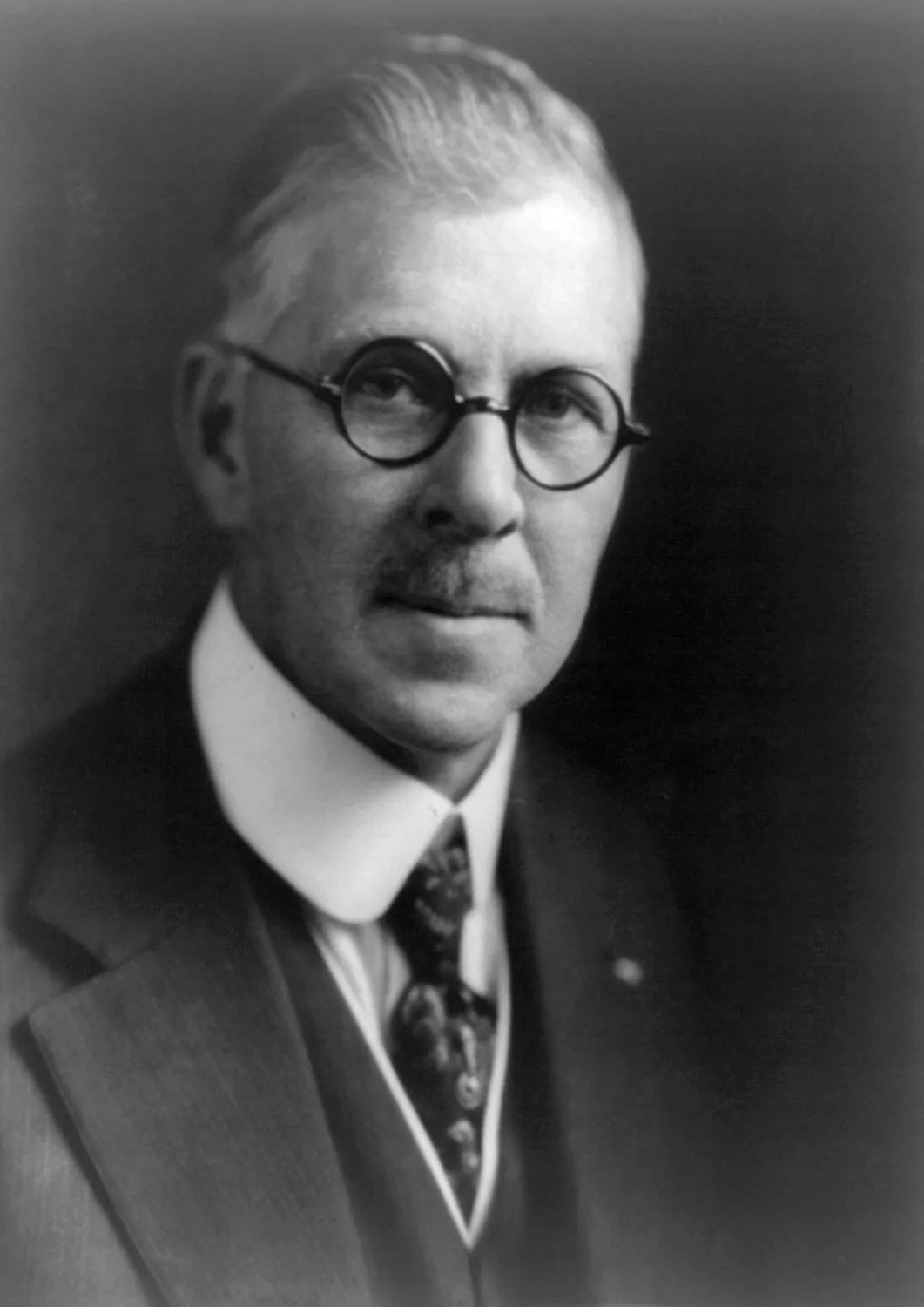
The company expanded into trucks in 1910, introduced the Speed Wagon in 1915 and later focused entirely on trucks after ending car production during the pressures surrounding the Great Depression.
The revived project comes from Texas real estate developer and founder Zach de Bernardi, who is bringing the Runabout name back in reference to one of REO’s earliest cars.
That choice matters because this isn’t a retro styling exercise built around nostalgia alone.
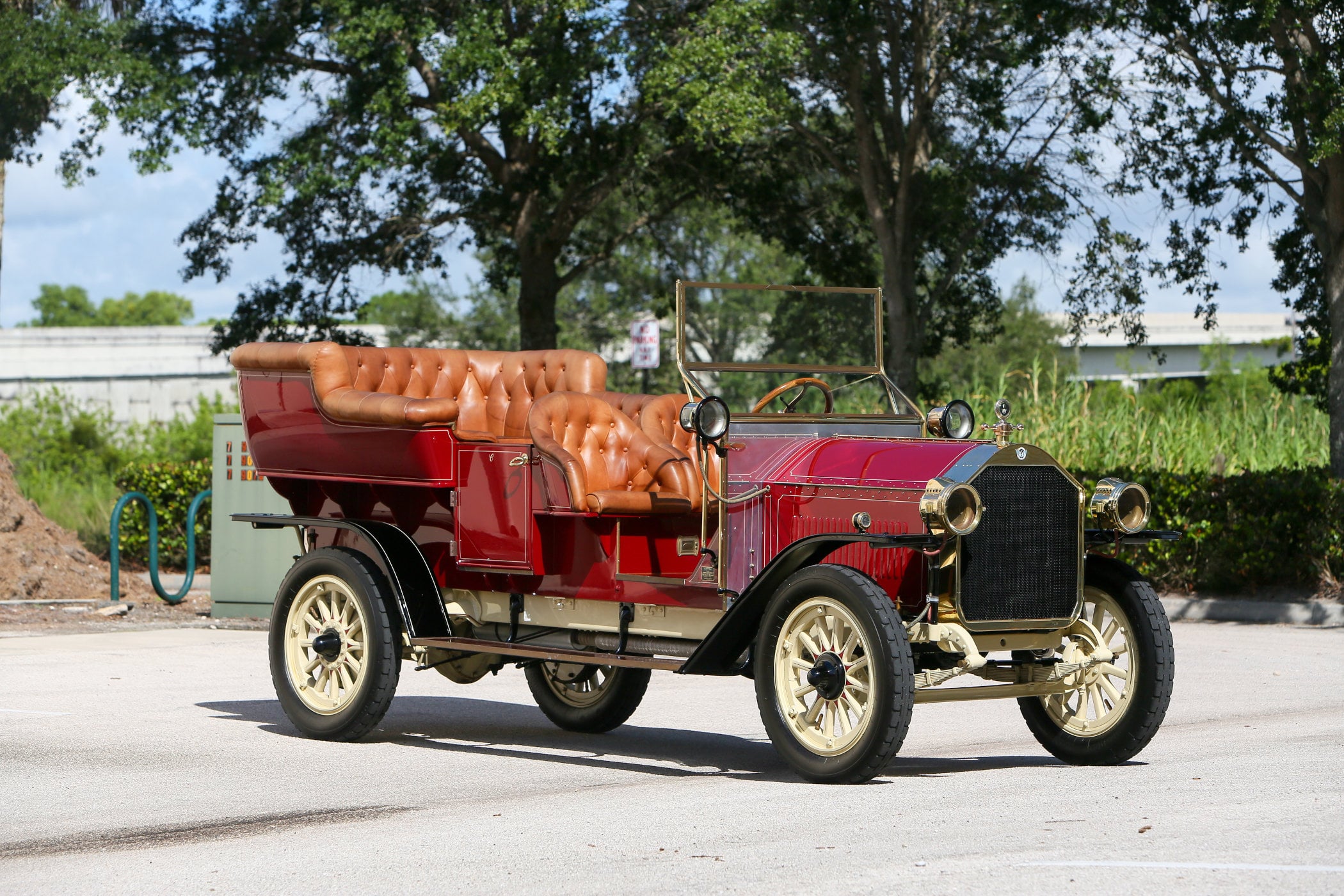
The stated concept is a return to the light truck as a working tool, a segment many large manufacturers have largely abandoned in favour of bigger, heavier and more complicated vehicles.
Three versions, one simple brief
The Runabout has been designed by Frank Stephenson’s studio, whose past work includes the new Mini, new Fiat 500, Ferrari F430 and McLaren P1.
For REO, the brief is markedly different from those performance and design-led icons.

The truck is presented in three configurations, each aimed at a clear use case rather than a lifestyle category stretched beyond recognition.
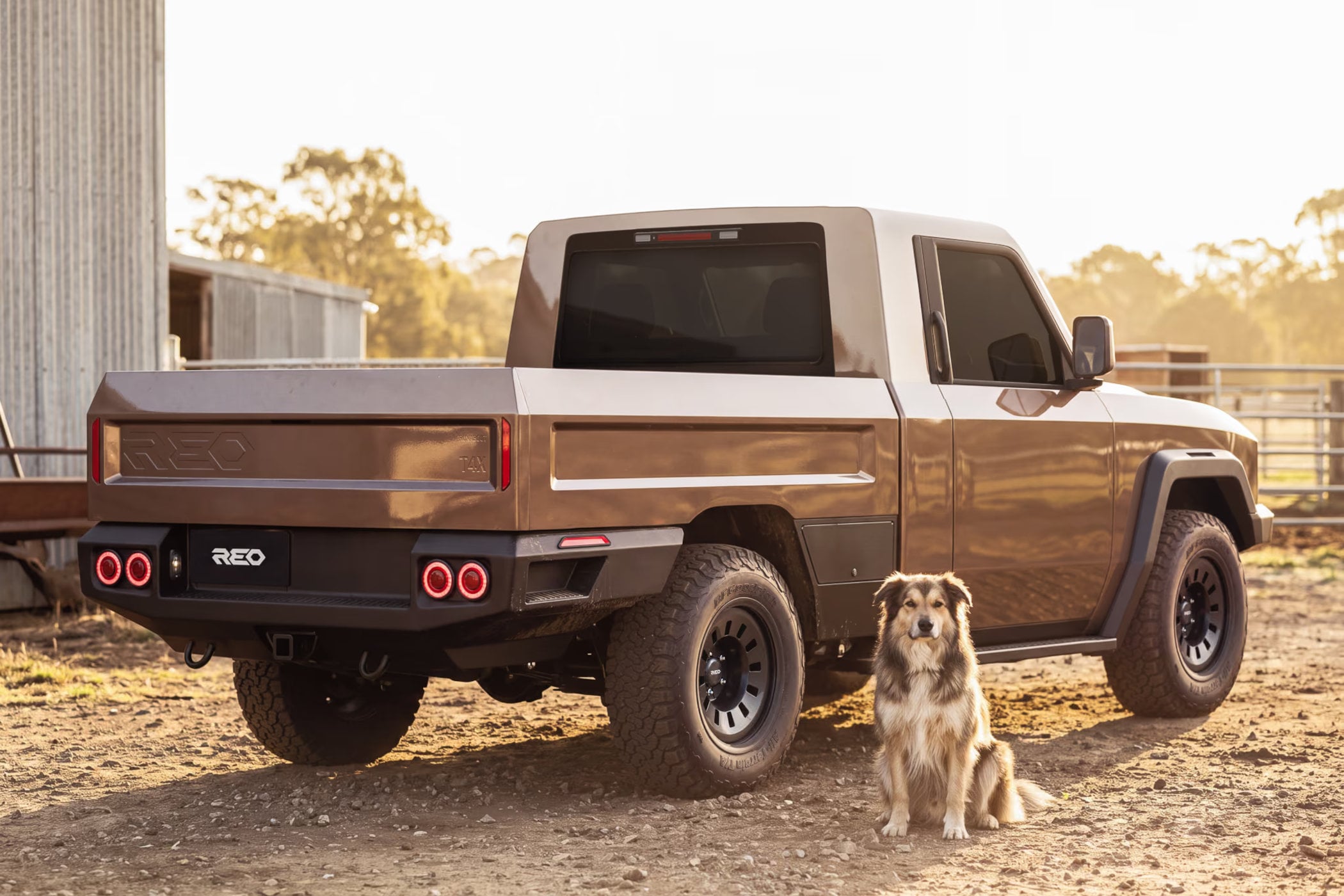
The T4X is planned as the first launch model, with a two-door cab and an adjustable pickup bed intended for work use.
The T4C follows as a crew cab with seating for five and a fixed bed.

A family SUV version, referred to as the S4C in the company’s model plan, is expected to be introduced in 2030.
REO has confirmed internal-combustion engines only for the range.
A manual transmission is standard, while an automatic will be offered as an option.

Repairability over screen-deep convenience
The most distinctive part of the Runabout is not a horsepower figure or a 0-to-60 time, because those figures haven’t been detailed.
It’s the deliberate absence of the systems that have made many modern vehicles harder to understand, repair and keep on the road.
REO says the Runabout is being developed as a virtually software-free vehicle, without over-the-air updates or subscription packages used to lock features behind recurring payments.

The company also says owners will be given access to repair manuals, parts lists and related information.
Selected parts are being designed for straightforward removal, with bumpers, interior trim and specific body components intended to come off within minutes using basic tools.
REO also intends to support a parts supply chain for at least 20 years.

That approach gives the Runabout a very different kind of appeal from most new vehicles.
It’s aimed at buyers who would rather keep a truck working for decades than trade into the latest infotainment stack every few years.
Longevity as the headline feature
REO’s boldest claim is warranty coverage of up to 500,000 miles.
If achieved in the way buyers will expect, that would make longevity the Runabout’s defining specification.
The company frames the vehicle as a durable tool rather than a disposable appliance, with the argument that longer service life can reduce the overall production-to-scrappage carbon footprint compared with shorter-lived modern vehicles.
That point will resonate with a particular kind of driver.

Not everyone wants a truck that behaves like a connected device on wheels, and the Runabout speaks directly to people who value mechanical access, transparent ownership and the ability to keep a vehicle maintained without specialist software.
Details & Specifications
| Brand | REO |
|---|---|
| Model | Runabout |
| Configurations | T4X two-door pickup, T4C crew cab pickup, family SUV planned |
| Design | Frank Stephenson Design |
| Powertrain | Internal-combustion engines only |
| Transmission | Manual standard, automatic optional |
| Repair support | Owner access to repair manuals and parts lists planned |
| Parts support | Intended parts supply chain of at least 20 years |
| Warranty | Up to 500,000 miles promised by REO |
| Expected US price | From USD 21,500 for T4X, USD 25,000 for T4C and USD 28,500 for the family SUV, before options |
| Planned rollout | T4X first, T4C next, family SUV expected in 2030 |
The Runabout’s success will depend on execution, not just philosophy.
But in a market crowded with heavy, expensive and software-dependent vehicles, REO’s plain-spoken truck has a clear point of view, and that alone makes it one of the more refreshing automotive ideas on the horizon.