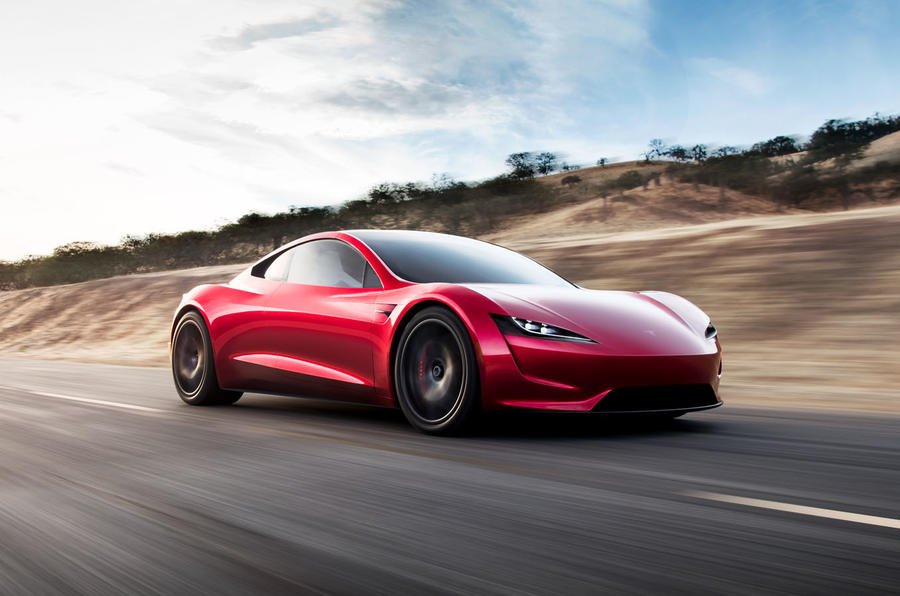
Tesla’s second-generation Roadster has spent so long in the waiting room that it has become less a delayed car than a standing question about the brand’s ambitions.
Now the electric supercar is expected to reappear in redesigned form, potentially this month, with a reveal linked to SpaceX’s facility in McGregor, Texas.
The most provocative detail remains the optional SpaceX Package, a cold-gas rocket-thruster system intended to sharpen acceleration, braking and cornering well beyond conventional EV performance hardware.
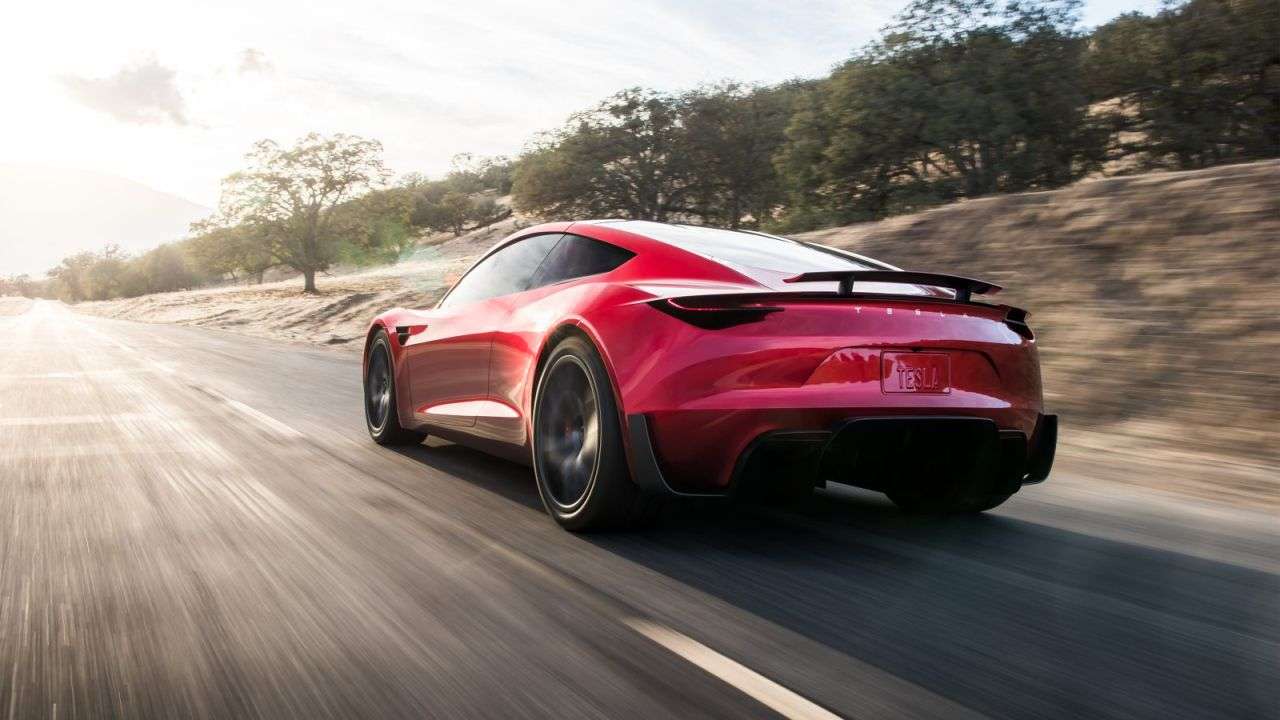
At a glance
- Tesla is expected to show a redesigned version of its long-delayed second-generation Roadster.
- An optional SpaceX Package is said to use roughly 10 high-pressure cold-gas thrusters around the chassis.
- The car was first shown as a concept in 2017, with earlier launch timing repeatedly pushed back.
A Roadster return with SpaceX theatre
Choosing a SpaceX setting would be a pointed move for a car that has always traded on the edge between transport and spectacle.
The McGregor, Texas site is associated with rocket development and testing, which gives the Roadster’s most unusual hardware a fitting stage.
Tesla first revealed the second-generation Roadster concept in 2017 and initially targeted a 2020 launch, but the project has slipped through several windows since then.
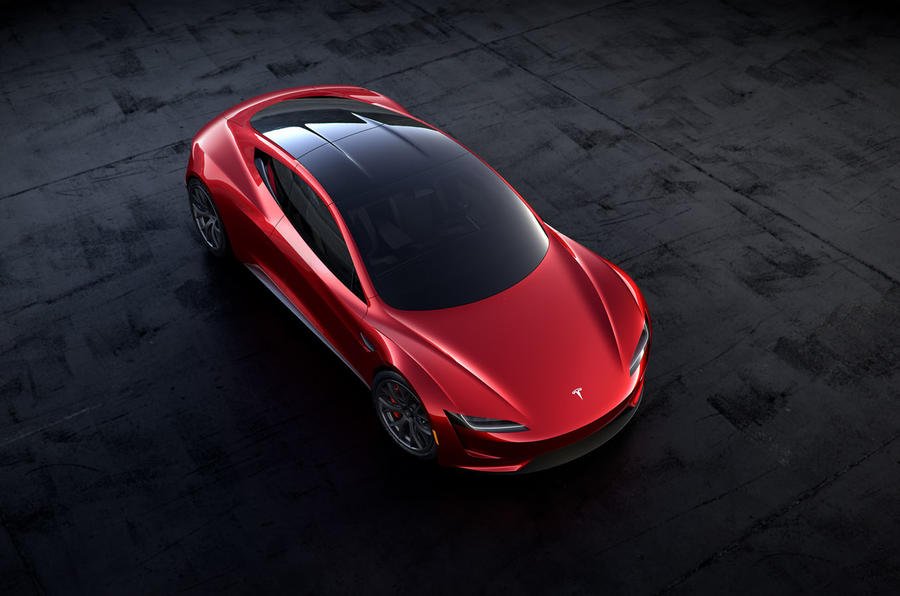
More recently, demonstration timing has continued to move, with targets drifting into mid-2026.
The SpaceX Package is the headline act
The optional SpaceX Package is expected to be the redesigned Roadster’s defining feature, and it’s not a subtle one.
The system is described as using roughly 10 high-pressure cold-gas rocket thrusters positioned around the chassis.
Rather than adding power in the traditional sense, the idea is to use bursts of thrust to help the car launch harder, brake more aggressively and change direction with greater authority.
Rumours around the system have gone further, suggesting the thrusters could even allow the car to briefly lift off the ground.
That hovering claim remains the sort of thing that invites both fascination and scepticism, but it captures exactly why the Roadster still commands attention after years of delays.
The standard Roadster still has supercar numbers
A conventional street-legal electric Roadster is also expected alongside the SpaceX-equipped prototype.
Final specifications have not been locked in publicly, but Tesla’s own listed targets for the base car remain dramatic.
Those figures include a 0–60 mph time of under two seconds, a top speed above 250 mph and an estimated range of 620 miles.
If those numbers carry through to production, the Roadster would sit in a rare space where acceleration, top speed and long-distance electric usability are all part of the same pitch.
The bigger question is whether Tesla can turn the concept’s numbers and the redesign’s theatrics into a finished car that customers can actually use.
Details & Specifications
| Brand | Tesla |
|---|---|
| Model | Second-generation Roadster |
| Vehicle type | Electric supercar |
| First shown | 2017 concept |
| Initial launch target | 2020 |
| Claimed 0–60 mph | Under 2 seconds for the base car |
| Claimed top speed | Over 250 mph |
| Claimed range | 620 miles |
| Optional package | SpaceX Package with roughly 10 high-pressure cold-gas thrusters |
| Expected reveal location | SpaceX facility in McGregor, Texas |
For collectors and performance obsessives, the Roadster’s appeal is no longer just about whether it can outrun a conventional supercar.
It’s about whether Tesla can deliver a machine that feels as radical in reality as it has sounded on paper for nearly a decade.