Porsche’s next act in electrified performance may not be as simple as adding more battery and more motor.
A recently surfaced patent filing points to a hybrid flat-engine idea that tries to keep combustion relevant by giving it two very different personalities in one package. It’s clever, very Porsche, and also exactly the kind of engineering puzzle that raises questions about weight, cost and complexity.
At a glance
- Porsche has patented a hybrid flat-engine concept with two cylinder banks tuned for different roles.
- One bank is optimised for low-friction efficiency, while the other is configured for higher-performance combustion.
- The layout could let a car drive mostly as an EV, use the engine as a generator or send combustion power directly to the wheels.
A flat engine with two jobs
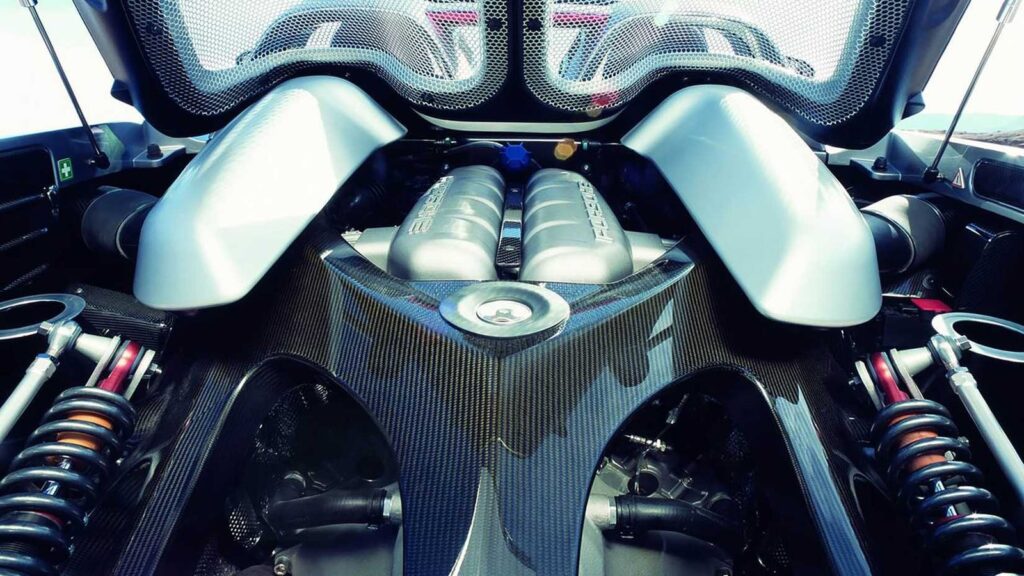
The idea starts with a horizontally opposed engine, but the familiar Porsche format is used in an unfamiliar way.
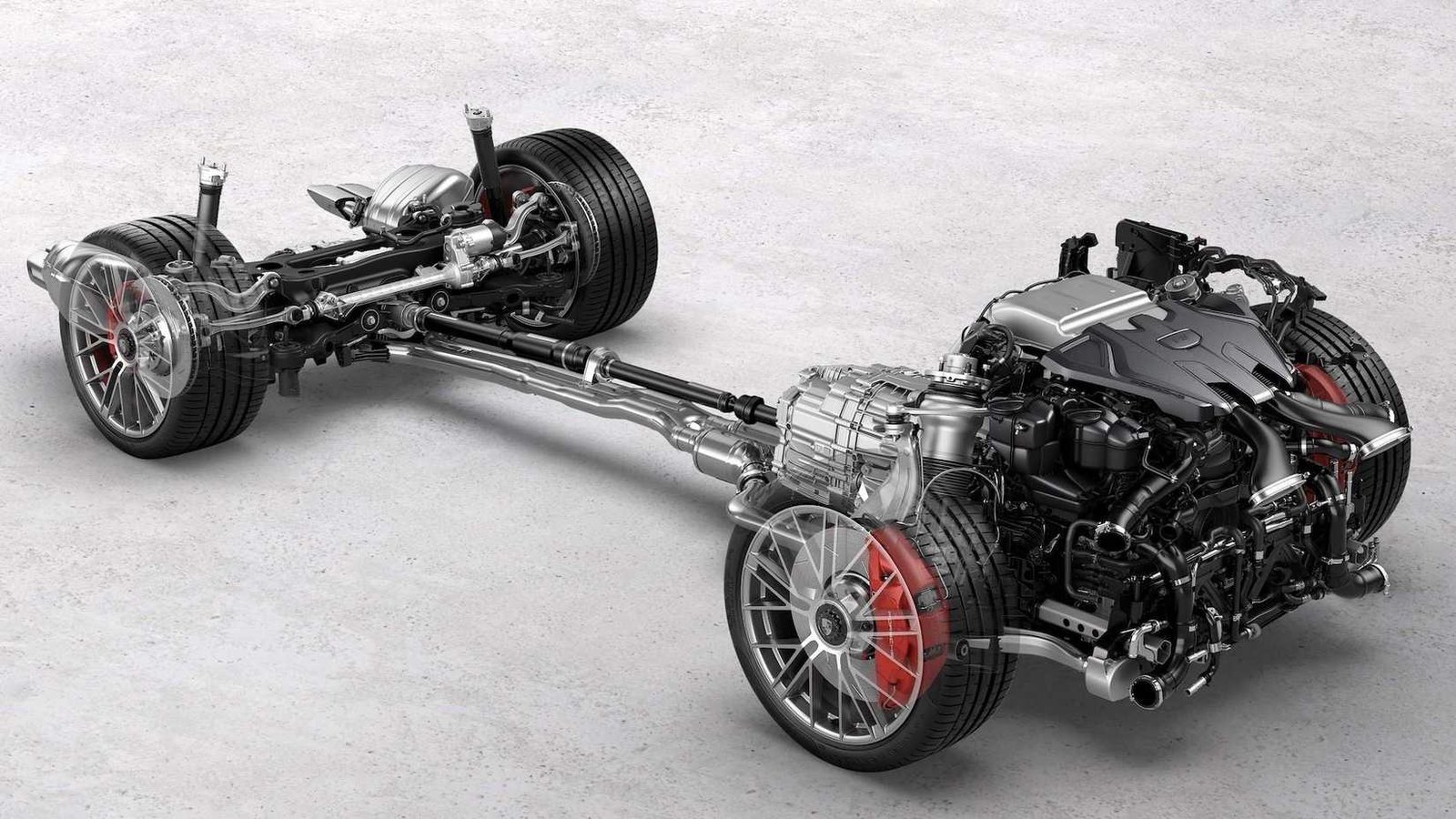
Rather than treating cylinder deactivation as a simple fuel-saving trick, the concept effectively gives each side of the engine its own brief.
One bank is designed to run as efficiently as possible when the engine is being used to generate electricity.
That side is described with friction-reducing measures such as ceramic bearings and lower-drag piston rings, allowing it to operate with less mechanical resistance.
The other bank is aimed at performance and brings more sophisticated combustion hardware into play, including variable valve timing and variable compression.
In simple terms, Porsche is imagining an engine that can stop pretending one setup is ideal for every situation.
EV first, combustion when it matters
The most interesting part is how the engine would fit into the broader hybrid system.

For much of the time, the car would behave like an electric vehicle, with motors driving both axles.
When the battery needs support, the combustion engine could run only its efficient cylinder bank and act as a range extender, charging the battery rather than driving the wheels in the conventional sense.
When maximum performance is required, the full engine could fire and send power directly to the wheels, giving the car a more traditional sports-car response.
That spread of modes is the appeal.
It suggests a future Porsche that can cruise quietly on electric power, generate its own charge when needed and still deliver full-blooded combustion performance when the driver asks for it.
The feasibility problem is complexity
The concept is elegant on paper because it separates efficiency and performance instead of forcing one combustion setup to do both.
The challenge is that every added function brings hardware, calibration work and packaging demands.
A flat engine with asymmetric cylinder-bank roles, variable compression, variable valve timing, low-friction components, generator operation and direct drive capability would not be a simple powertrain.
It would likely be heavier than a straightforward EV layout and more mechanically complicated than a conventional hybrid.
There are also compromises that can’t be ignored.
More operating modes mean more software control, more thermal management demands and more potential friction between purity of feel and real-world efficiency.
For Porsche, though, that complexity may be the point.
The brand has often used engineering sophistication to preserve driver appeal under changing rules, and this concept reads like another attempt to keep combustion emotionally relevant while accepting that electrification will do more of the daily work.
Details & Specifications
| Brand | Porsche |
|---|---|
| Concept type | Hybrid powertrain patent |
| Engine layout | Flat engine with differentiated cylinder banks |
| Efficiency-focused features | Low-friction cylinder bank, ceramic bearings, reduced piston ring drag |
| Performance-focused features | Variable valve timing and variable compression |
| Electric drive role | Electric motors driving both axles during EV-style operation |
| Combustion roles | Battery charging as a range extender or direct drive for full performance |
| Production status | Patent-stage concept |
Whether this idea reaches a showroom is another matter, but the thinking behind it is worth watching.
If Porsche can make the hardware light enough, robust enough and seamless enough, this split-personality hybrid layout could become a serious answer to the question facing every performance car maker now: how do you keep the character of combustion without ignoring the direction of the industry?