The new Dodge Charger was always going to be judged on more than horsepower and styling.
For buyers comparing the electric Charger Daytona Scat Pack with the petrol two-door Charger Scat Pack, the showroom price only tells part of the story.
The lease numbers are where the gap becomes hard to ignore.
At a glance
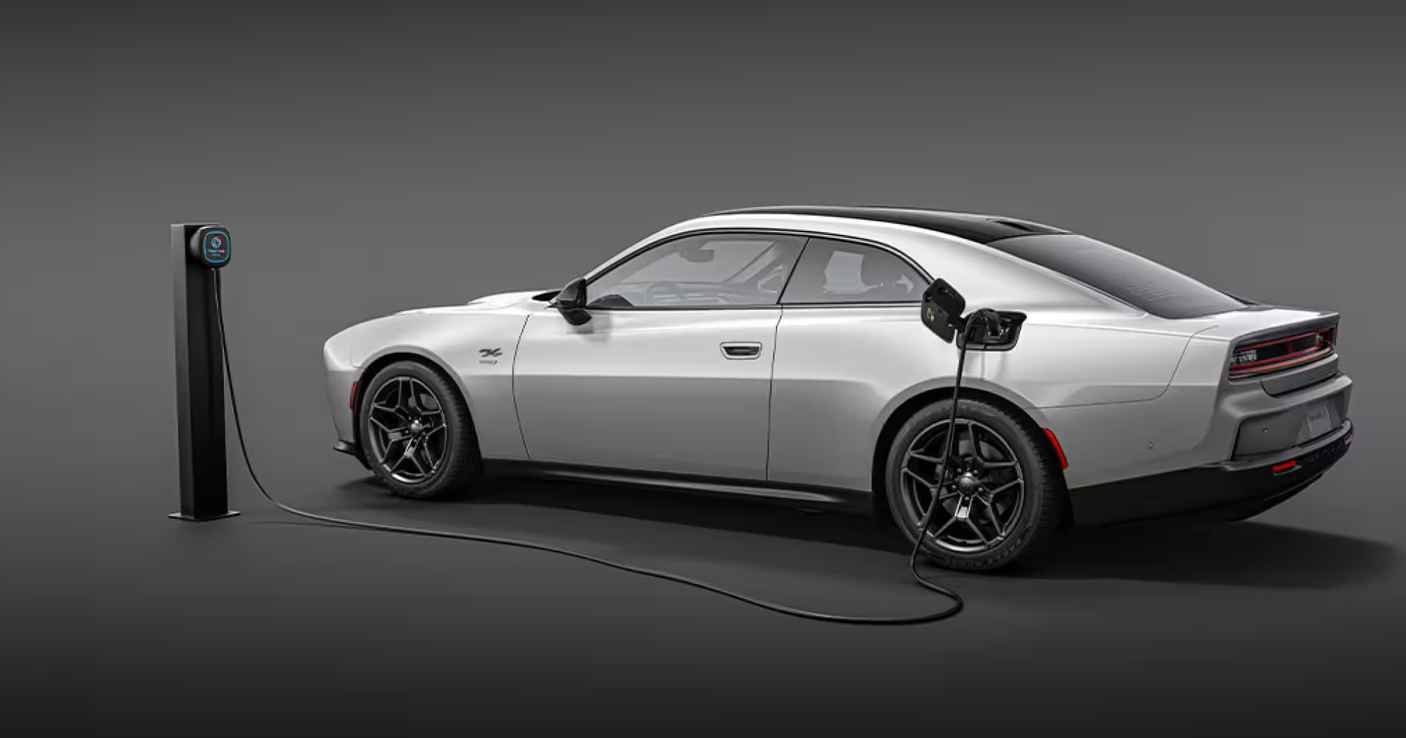
- The 2026 Dodge Charger Daytona Scat Pack EV is priced $5,000 above the petrol two-door Charger Scat Pack, but its lease payment is more than twice as high.
- Lease figures attributed to CarsDirect put the EV at $1,312 per month with $6,269 due at signing over 36 months.
- Including the initial payment and excluding taxes and fees, the effective monthly cost is about $1,486 for the EV versus $733 for the petrol car.
The price gap is modest until the lease begins
On MSRP alone, the two Chargers don’t look dramatically far apart.
For the 2026 model year, the two-door Dodge Charger Daytona Scat Pack EV is listed at $60,690, while the petrol-powered two-door Charger Scat Pack is priced at $55,690.
That $5,000 difference is meaningful, but it isn’t the kind of spread that would normally double the monthly cost of entry.
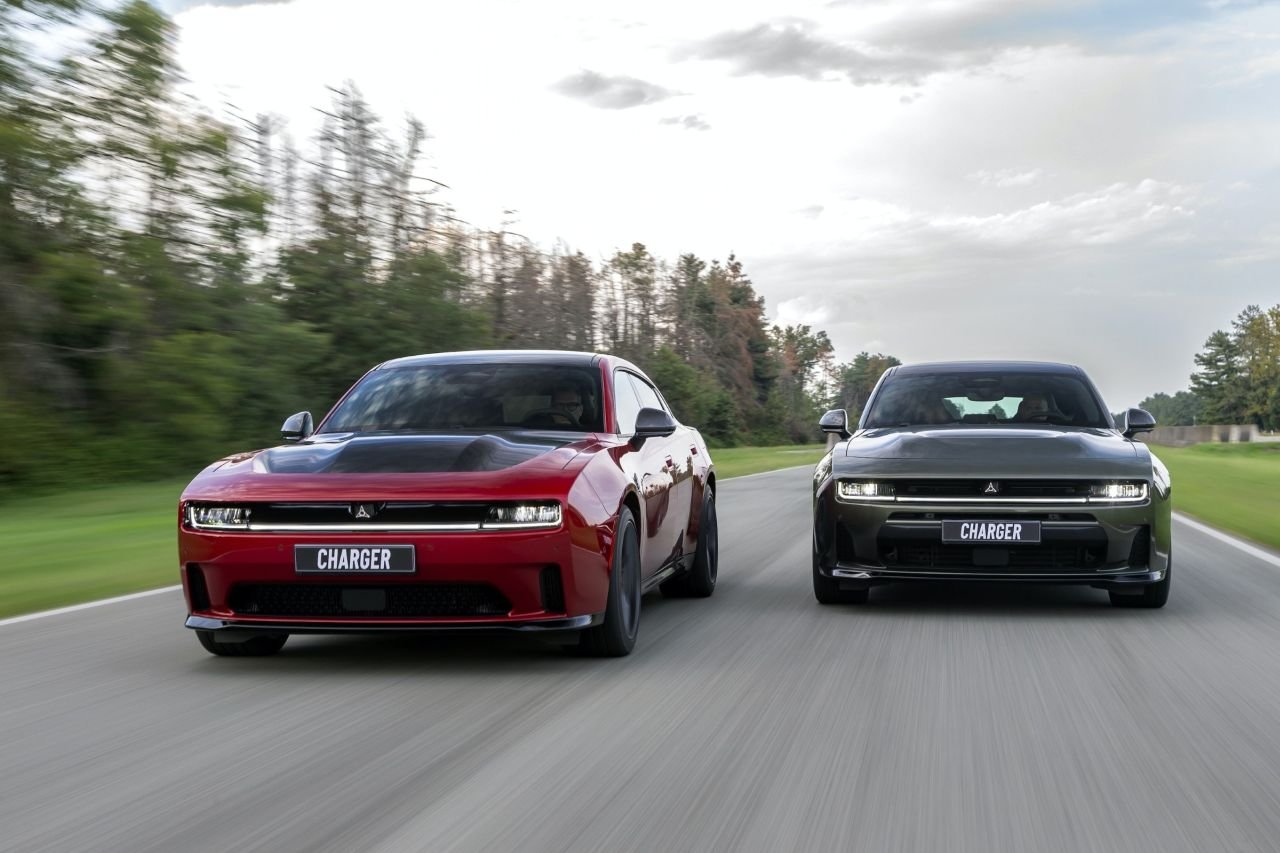
Yet the lease figures cited by The Drive from CarsDirect show exactly that kind of divide.
The electric Charger Daytona Scat Pack requires $6,269 at signing, followed by monthly payments of $1,312 on a 36-month lease.
The petrol Charger Scat Pack requires $5,769 at signing and then $573 per month over the same term.
Depreciation is doing the heavy lifting
The effective monthly cost makes the contrast sharper.
Including the initial payment, but excluding taxes and fees, the electric Charger works out to around $1,486 per month.
The petrol version lands at about $733 per month on the same basis.
That’s a difference of roughly 103 percent, despite the EV carrying only a relatively modest premium at list price.
The likely pressure point is residual value.
The electric Charger’s projected residual value is reportedly 40 percent after three years, compared with 67 percent for the Sixpack version.
In leasing, that matters because the customer is effectively paying for the vehicle’s expected depreciation during the lease term, plus finance charges and associated costs.
A lower residual can turn a close MSRP comparison into a much more expensive monthly commitment.
Details & Specifications
| Detail | Charger Daytona Scat Pack EV | Charger Scat Pack petrol |
|---|---|---|
| Brand | Dodge | Dodge |
| Model year | 2026 | 2026 |
| Body style | Two-door | Two-door |
| Powertrain | Electric | Petrol |
| MSRP | $60,690 | $55,690 |
| Lease term | 36 months | 36 months |
| Due at signing | $6,269 | $5,769 |
| Monthly lease payment | $1,312 | $573 |
| Effective monthly cost | About $1,486, excluding taxes and fees | About $733, excluding taxes and fees |
| Projected residual after three years | Reportedly 40 percent | Reportedly 67 percent for the Sixpack |
What it means for Charger shoppers
This doesn’t make the electric Charger irrelevant, but it does change the conversation for anyone shopping by monthly payment.
An EV buyer may be drawn to the Charger Daytona Scat Pack for its electric muscle-car positioning, while a traditionalist may prefer the petrol car for its familiar formula.
On lease cost alone, though, the petrol Charger Scat Pack looks far easier to justify.
The larger lesson is that list price can be a blunt tool, especially when residual values move in opposite directions.
For the 2026 Dodge Charger, the lease sheet tells a very different story from the window sticker.