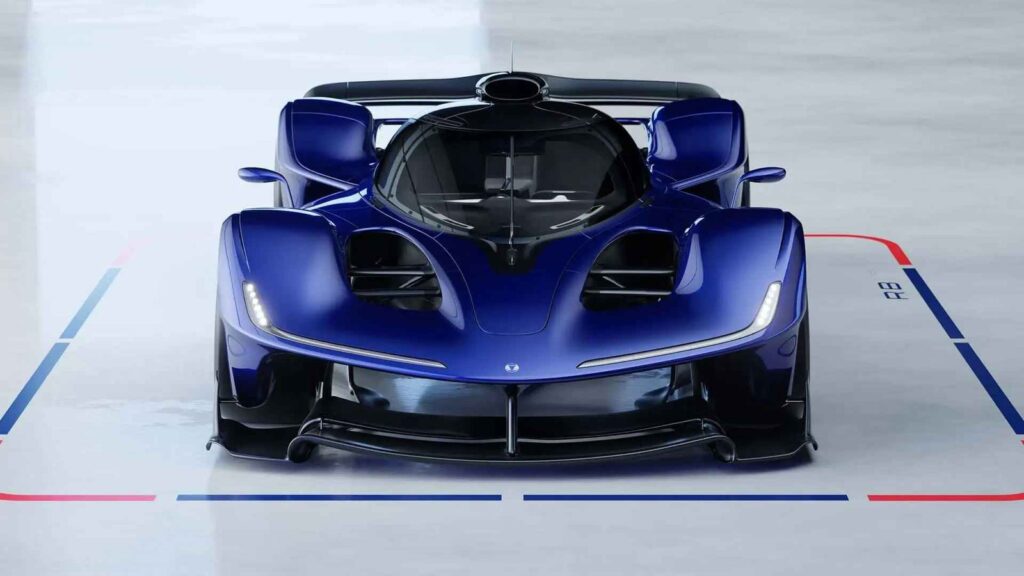
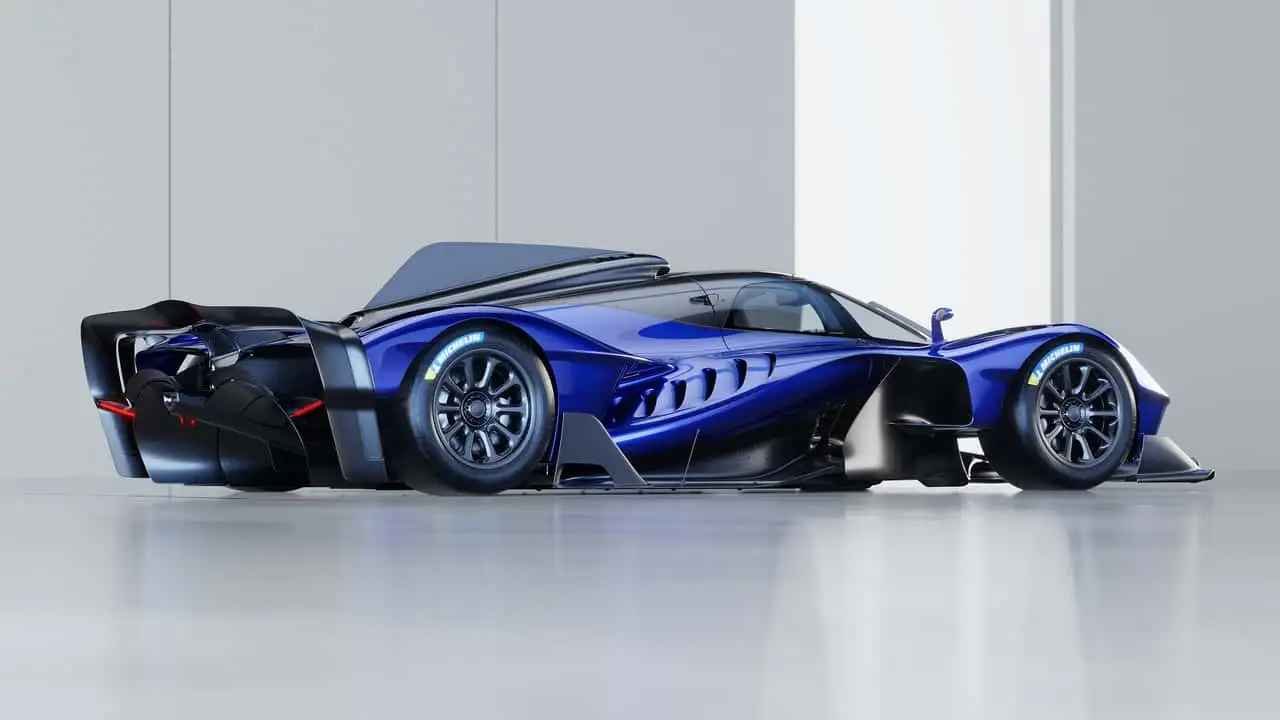
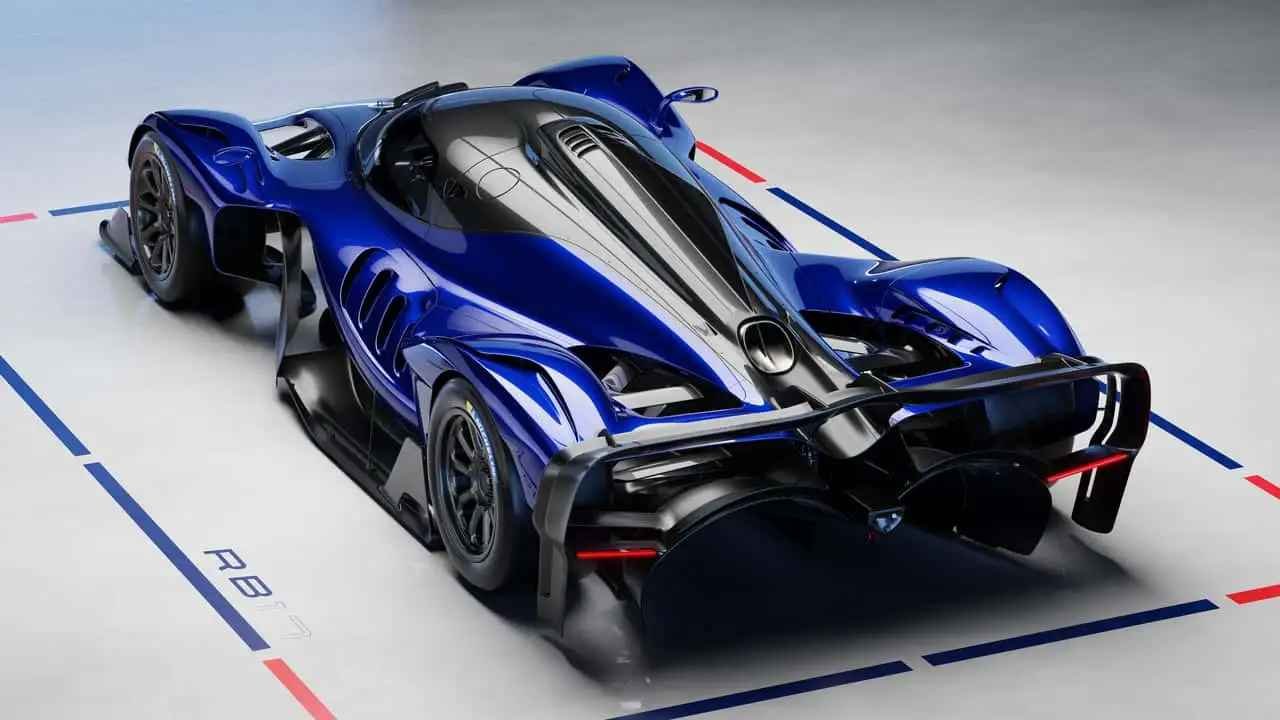
Red Bull’s RB17 is the kind of hypercar that could only happen when an elite racing organisation is allowed to work without a tight rulebook.
Unveiled at the Goodwood Festival of Speed 2026, the track-only machine immediately drew attention for its naturally aspirated V10, a 4.5-litre Cosworth engine built to rev to 15,000 rpm and deliver around 1,200 hp.
In an era when turbocharging and electrification are often the quickest route to huge numbers, Red Bull’s choice says a great deal about what the RB17 is trying to be.
At a glance
- Red Bull selected a naturally aspirated 4.5-litre Cosworth V10 for the RB17 hypercar after evaluating several engine formats.
- The engine is designed to produce around 1,200 hp and rev to 15,000 rpm, with instant throttle response central to its character.
- The RB17 is a customer-focused track hypercar, with engineering intended to make the high-revving V10 usable without a full race-team operation.
A rare chance to design without a rulebook
The RB17’s engine brief was unusual because Red Bull wasn’t trying to satisfy a racing regulation or a road-car emissions package.
That freedom opened the door to almost every serious performance layout, including turbocharged V6 concepts, V12s and hybrid-assisted configurations.
Cosworth Managing Director Bruce Wood has said the team went deep into each option rather than treating the decision as a simple matter of cylinder count or peak output.
The challenge wasn’t finding a way to make big power.
It was choosing the engine architecture that best matched the RB17’s purpose as an intensely responsive, emotionally engaging track car.
Why the naturally aspirated V10 made sense
The decisive split came between turbocharging and natural aspiration.
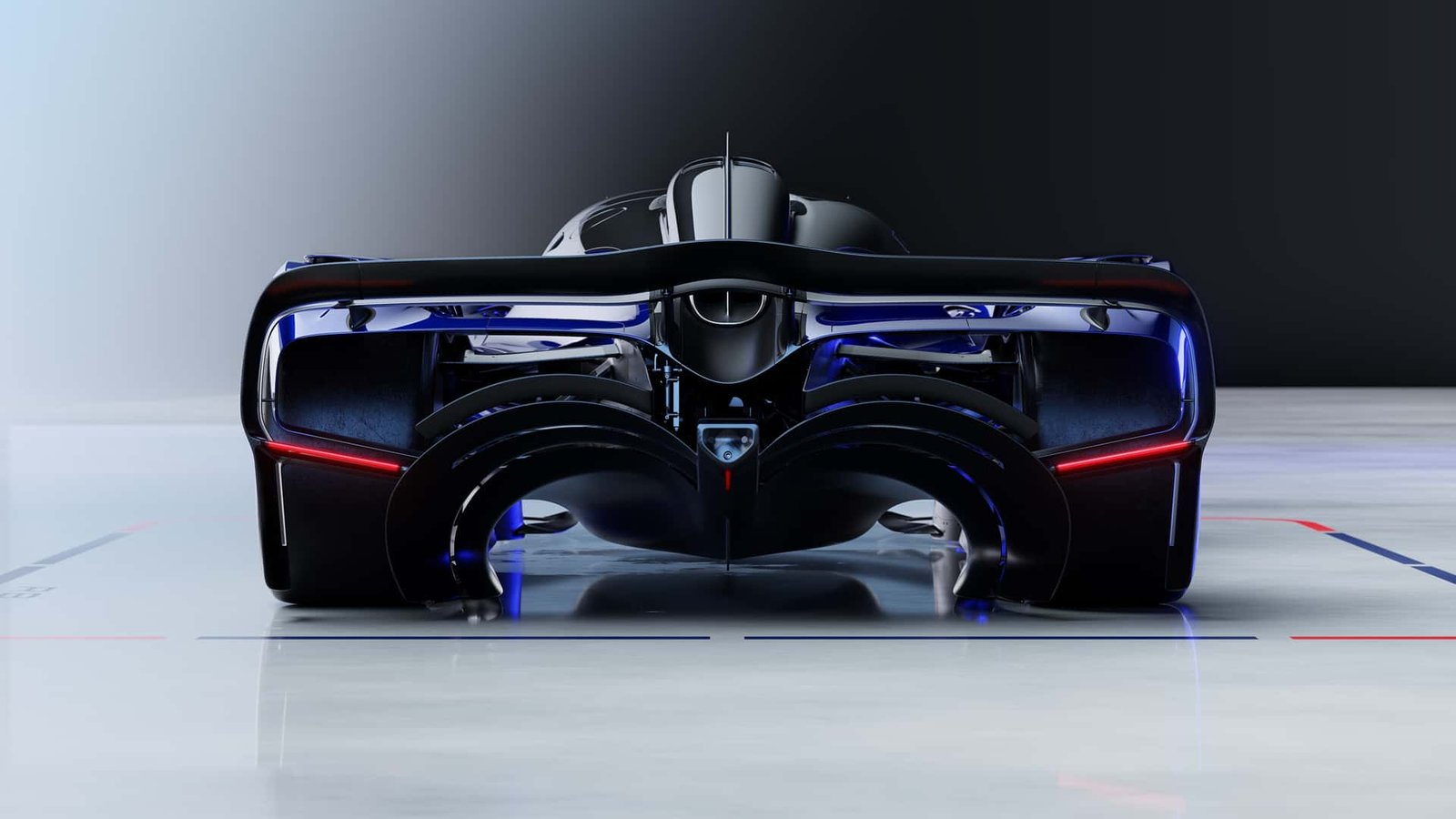
Turbo engines can deliver enormous power, but Red Bull and Cosworth were chasing a different sensation, one defined by immediate pedal response and a direct connection between the driver’s right foot and the rear tyres.
For that reason, the naturally aspirated route became increasingly compelling.
The 4.5-litre V10 gave the project a balance between capacity, rev potential and response, allowing the engine to climb to an extraordinary 15,000 rpm without relying on boost.
That high engine speed isn’t just a number for the spec sheet.
It shapes how the car should feel on circuit, with a power delivery that builds through revs rather than arriving in a thick surge of turbocharged torque.
The sound was part of the engineering brief
Red Bull’s decision also carries an unmistakable emotional component.
A high-revving V10 has a character that’s difficult to reduce to data, and the association with one of Formula 1’s most celebrated engine eras is impossible to ignore.
Wood has acknowledged that the soundtrack mattered, not as a decorative extra but as part of the experience the car needed to deliver.
That matters because the RB17 isn’t just about lap time potential.
It’s built for owners who want a track car with theatre, mechanical clarity and a sense of occasion every time the engine is opened up.
Keeping a 15,000 rpm engine usable
The more difficult part was making such an extreme engine live in a customer-owned track car.
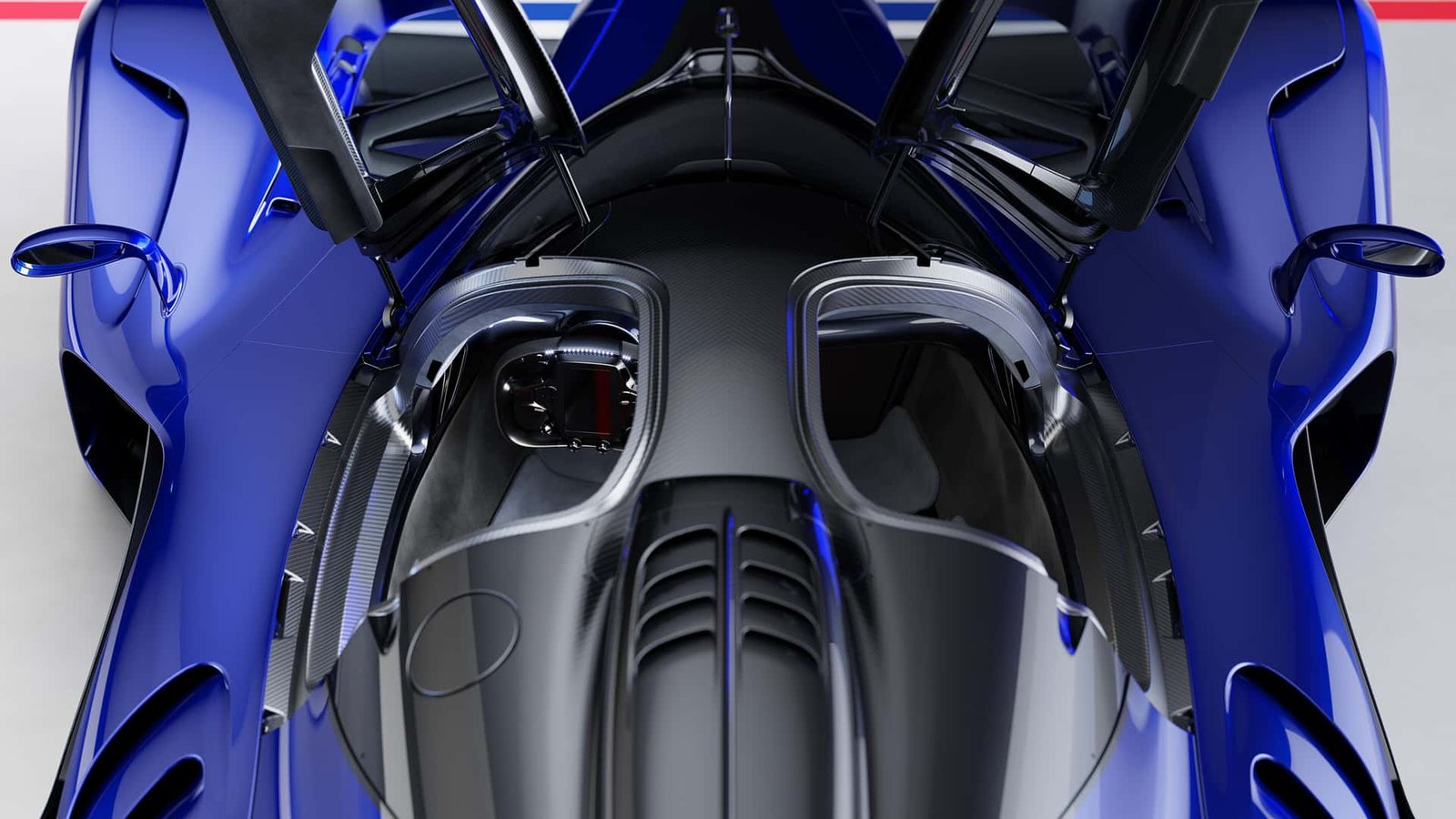
A 15,000 rpm V10 is closer in spirit to racing machinery than conventional hypercar hardware, but the RB17 still needed to be usable without a large crew hovering around it.
Cosworth used technologies including pneumatic valve springs to help the engine survive sustained high-rev operation while preserving the spontaneity Red Bull wanted.
The point was to create a car an owner could take to a circuit and drive, rather than a machine that only works inside a factory-level support bubble.
That distinction is important.
The RB17’s appeal lies not only in having a wild engine, but in making that engine part of a coherent ownership experience.
Details & Specifications
| Brand | Red Bull |
|---|---|
| Model | RB17 |
| Vehicle type | Track hypercar |
| Engine | Cosworth naturally aspirated 4.5-litre V10 |
| Power | Around 1,200 hp |
| Maximum engine speed | 15,000 rpm |
| Valve technology | Pneumatic valve springs |
| Public debut | Goodwood Festival of Speed 2026 |
The RB17’s V10 choice is ultimately less nostalgic than it first appears.
Yes, the sound will remind enthusiasts of a beloved Formula 1 period, but the real reason is more precise, with Red Bull and Cosworth choosing the layout that best serves response, feel and repeatable track use.
For the right buyer, that combination may be more compelling than a bigger number achieved with boost.