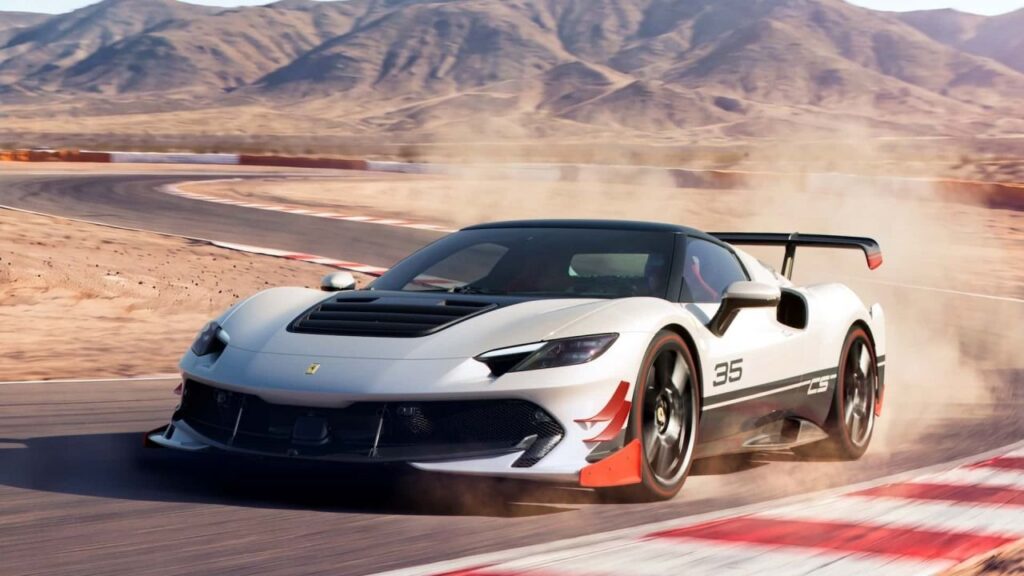
Ferrari has pushed the 296 platform into more uncompromising territory with the new 296 Challenge Stradale.
Rather than simply sharpening the existing hybrid formula, this version removes the battery and electric motors to focus on lower weight, race-derived calibration and serious aerodynamic load.
For buyers who see the 296 GTB as a brilliant road car but want something closer to a competition machine, this is the more direct answer.
At a glance
- Ferrari has revealed the 296 Challenge Stradale, the most track-focused road-going 296 variant yet.
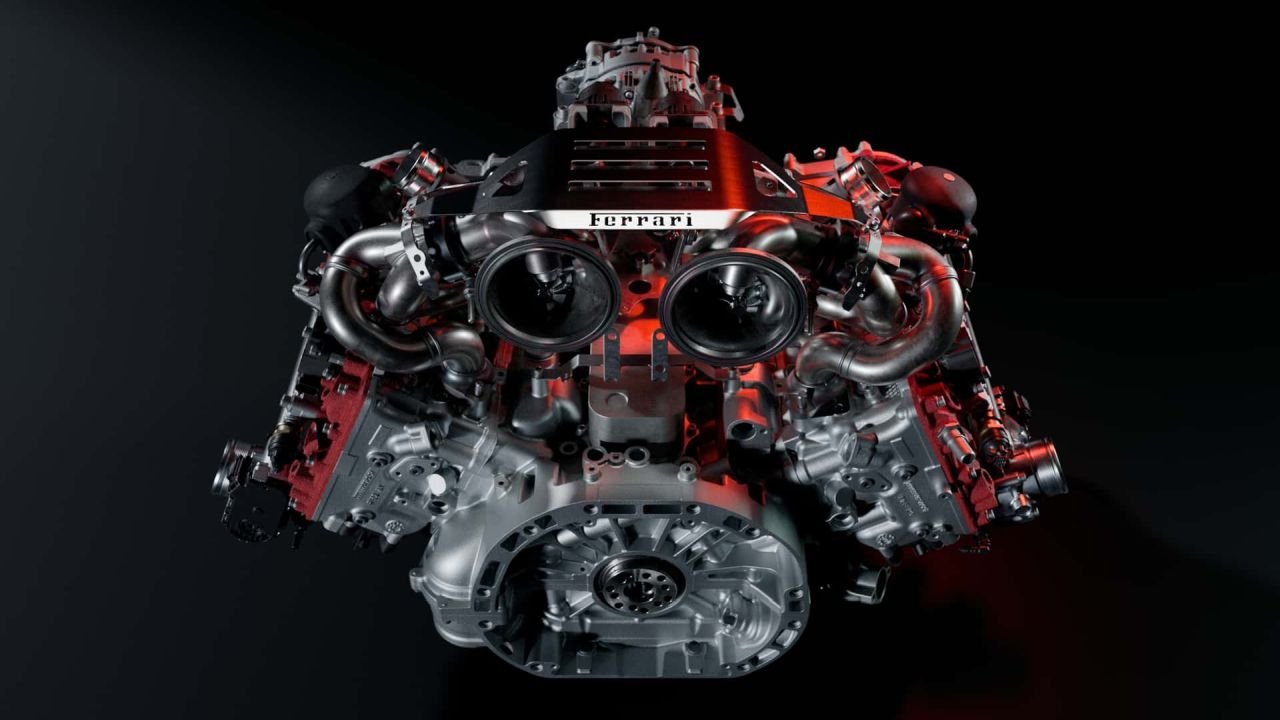
- It drops the hybrid system and uses a 3.0-liter twin-turbo V6 producing 670 hp and 546 lb-ft of torque.
- Ferrari says it isn’t a limited-edition model, with US pricing starting at around $307,000.
A lighter 296 with no hybrid assist
The defining change is what Ferrari has taken away.
Unlike the 296 Speciale, which keeps the 296 GTB’s hybrid powertrain, the 296 Challenge Stradale runs without the additional battery and electric motors.
That leaves the 3.0-liter twin-turbo V6 to do the work on its own, delivering 670 hp at 8,000 rpm and 546 lb-ft of torque at 6,250 rpm.
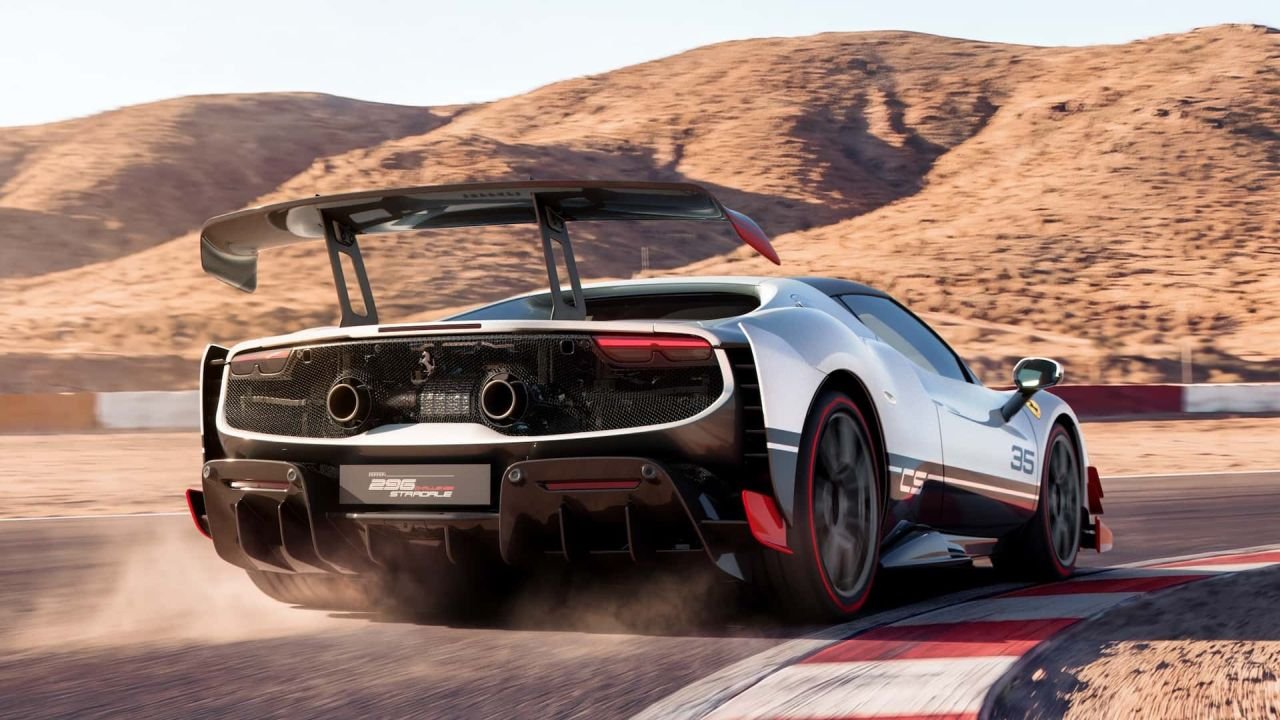
The engine is paired with an 8-speed dual-clutch transmission using different calibrations borrowed from the 296 race car and the SF90 XX Stradale.
Ferrari claims the result is a 0-to-60 mph time of 2.8 seconds, with 124 mph arriving in 7.9 seconds and a top speed rated at 186 mph.
Removing the hybrid hardware also brings the dry weight down to 2,932 lb, which Ferrari says is 309 lb lighter than the 296 GTB.
Race-derived aero from the 296 Challenge Evo
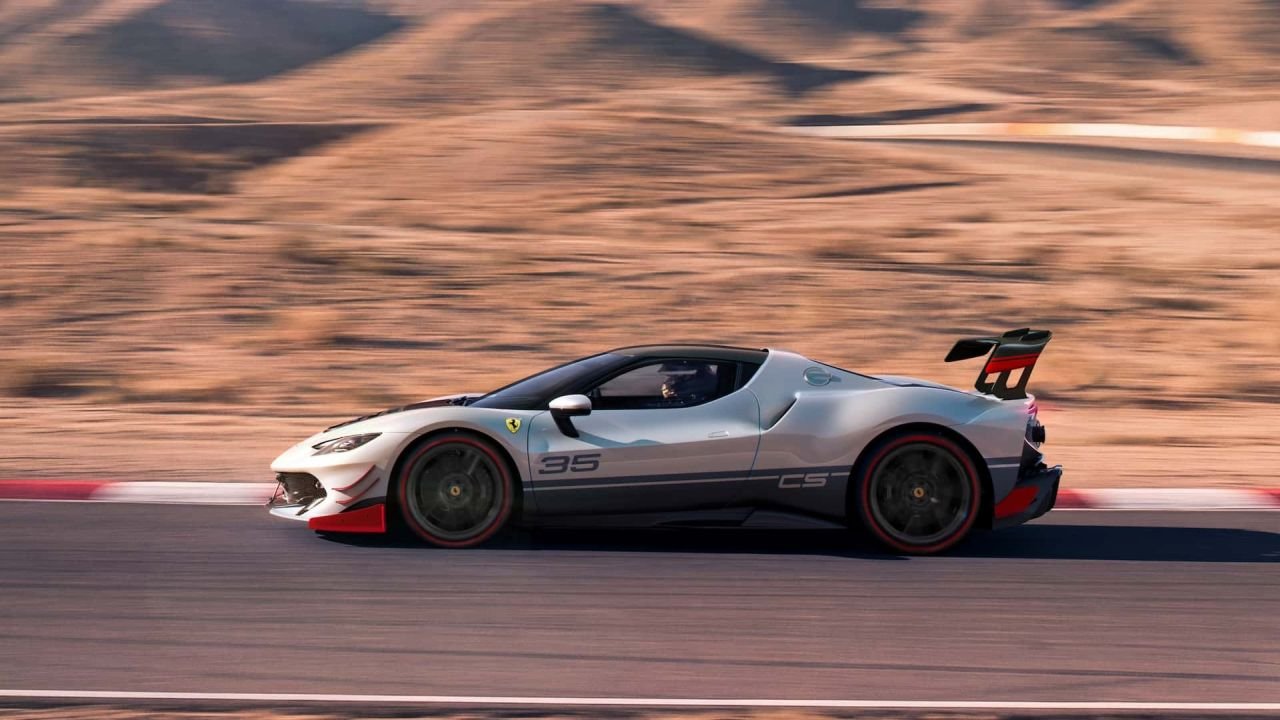
The Challenge Stradale was developed alongside the 296 Challenge Evo, and its aero package makes that relationship clear.
The front end uses an extended splitter with large end plates and dual canards, while the underside incorporates vortex generators.
At the rear, Ferrari fits a large diffuser and a fixed spoiler, giving the car a more purposeful silhouette than the standard 296 GTB.
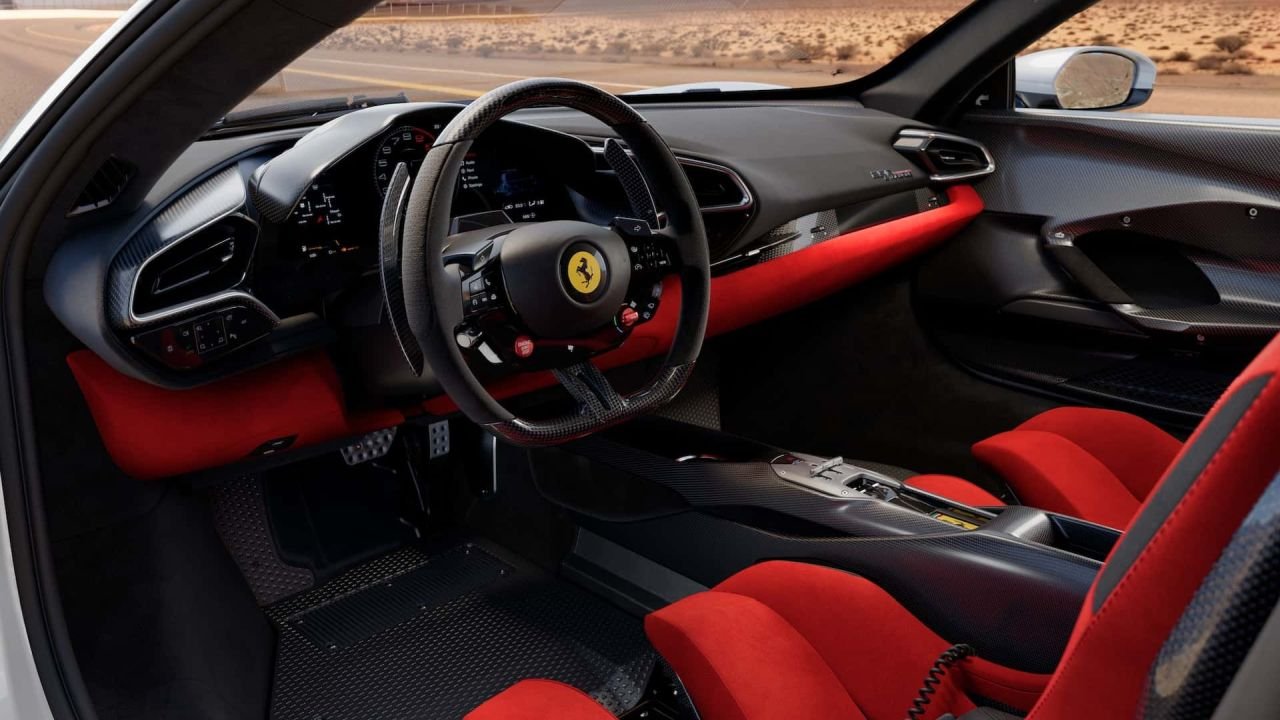
Ferrari says the package generates 1,360 lb of downforce at 155 mph, which it describes as 72 percent more than the 296 GTB.
Those numbers matter because this isn’t just a cosmetic track pack.
More aero load, less mass and race-linked transmission logic should give the car a very different character from the road-biased 296 GTB.
Chassis focus and track hardware
Ferrari also claims substantial gains in body control, with body roll improved by 68 percent and lateral stability increased by 34 percent compared with the stock 296.
Braking is handled by carbon-ceramic discs, while the standard tire fitment is Pirelli P Zero R.
For drivers planning heavier circuit use, Pirelli P Zero Trofeo RS tires are also offered as an option.
The brief is clear enough without needing a limited-production label.
This is the 296 for drivers who want the closest road-going connection to Ferrari’s current customer-racing thinking, but with number plates and a factory price rather than the rituals of a collectors-only allocation piece.
Details & Specifications
| Brand | Ferrari |
|---|---|
| Model | 296 Challenge Stradale |
| Engine | 3.0-liter twin-turbo V6 |
| Power | 670 hp at 8,000 rpm |
| Torque | 546 lb-ft at 6,250 rpm |
| Transmission | 8-speed dual-clutch with race-derived calibrations |
| 0-60 mph | 2.8 seconds, claimed by Ferrari |
| 0-124 mph | 7.9 seconds, claimed by Ferrari |
| Top speed | 186 mph |
| Dry weight | 2,932 lb |
| Downforce | 1,360 lb at 155 mph, claimed by Ferrari |
| Brakes | Carbon-ceramic discs |
| Tires | Pirelli P Zero R, with P Zero Trofeo RS optional |
| Production | Not a limited-edition model |
| US price | From around $307,000 |
The 296 Challenge Stradale looks less like a simple performance derivative and more like Ferrari’s attempt to make the 296 platform feel leaner, louder in intent and more circuit-honest without abandoning road legality.