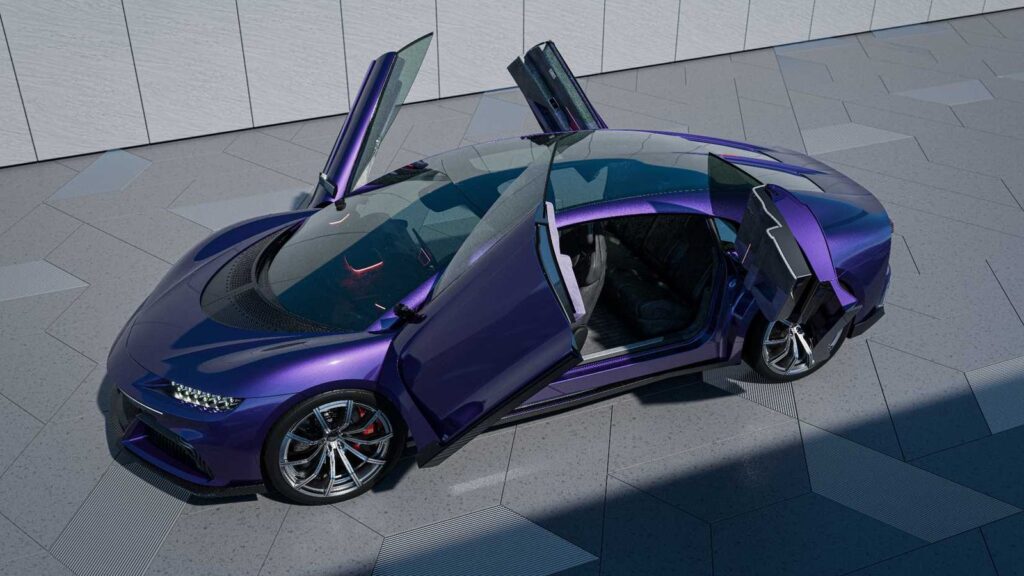
Kosmera is the latest name trying to force its way into the electric hypercar conversation, and it isn’t arriving quietly.
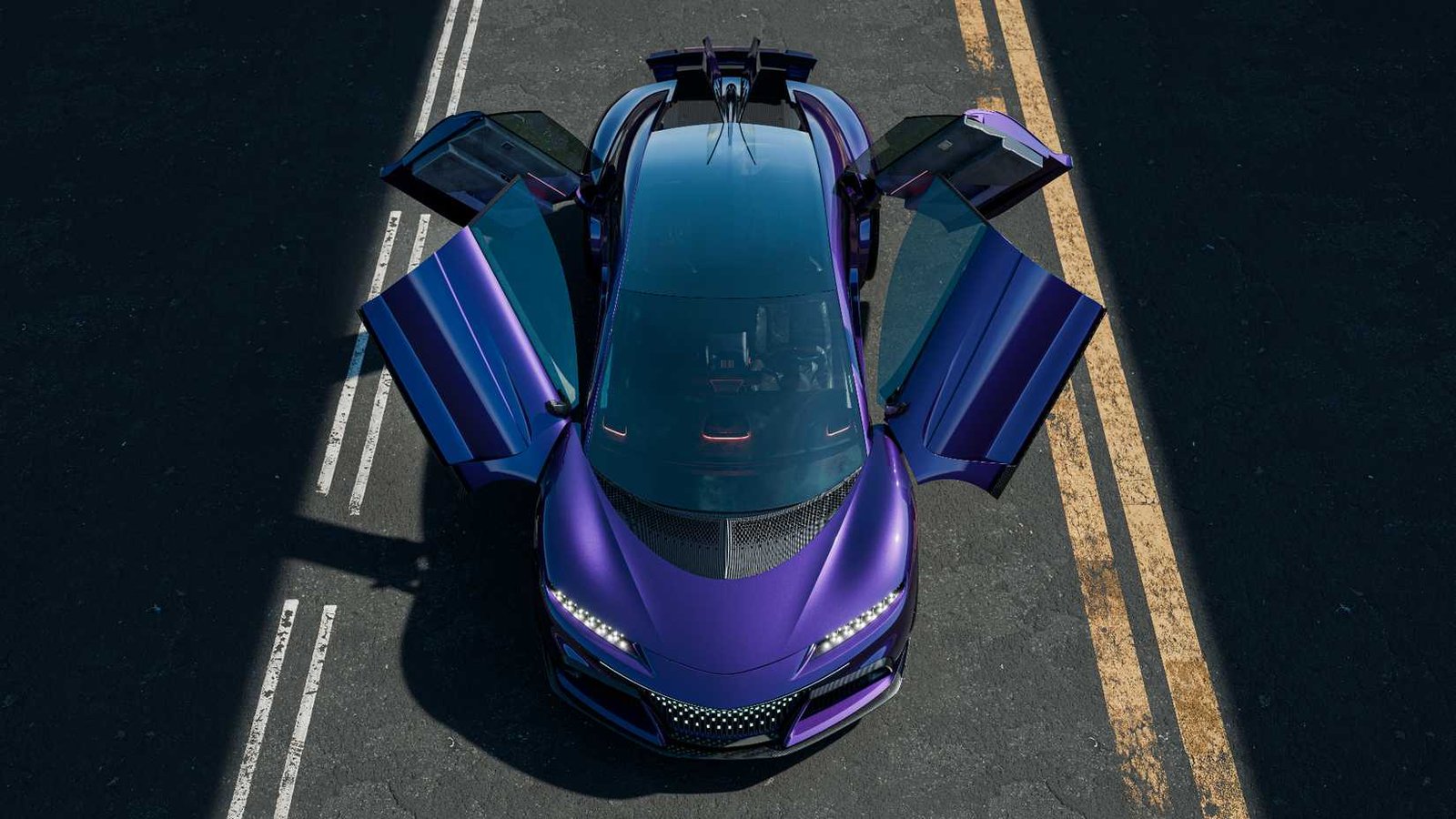
The Chinese premium brand, backed by tech firm Dreame, has outlined a grand tourer called the Star Razer with figures that sit well beyond today’s established performance benchmarks.
If even part of the brief makes it to a working production car, this could become one of the more closely watched EV performance projects to come out of China.
At a glance
- Kosmera has outlined the Star Razer, an electric grand tourer targeting more than 3,000 hp.
- The planned quad-motor layout uses dual-motor modules on each axle for all-wheel drive and advanced torque vectoring.
- Headline targets include 0-62 mph in 1.7 seconds and a projected 342 mph top speed.
Kosmera’s four-motor grand tourer brief
The Star Razer is expected to use a quad-motor electric powertrain, with dual-motor modules positioned on both axles.
Combined output is claimed at 3,112 hp, a number that puts the car firmly in the realm of theoretical extremes rather than conventional grand touring.
The layout would also give the Star Razer all-wheel drive and the ability to precisely manage torque delivery across the car, which matters just as much as raw output when power climbs this high.
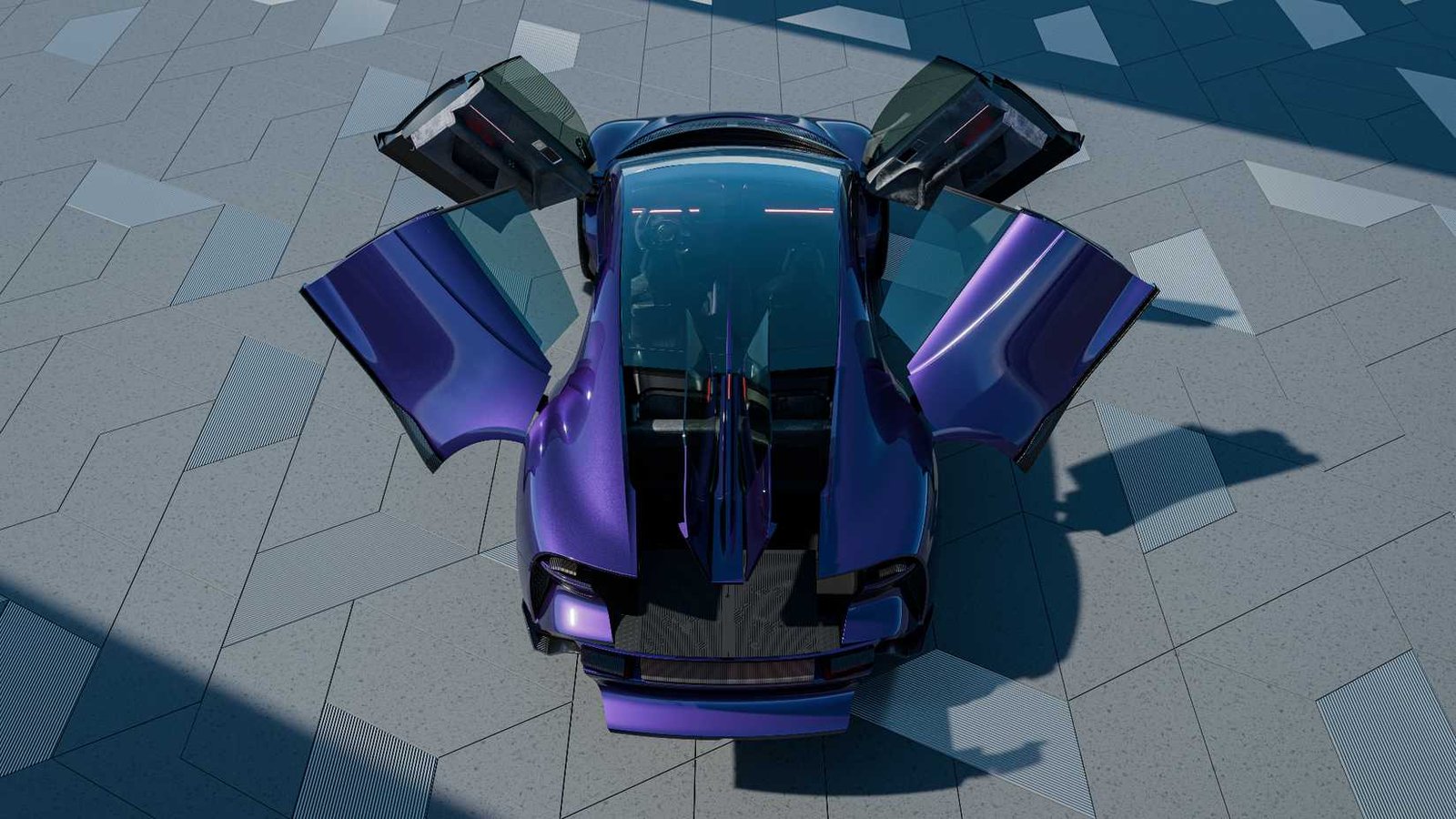
Kosmera’s positioning is notable because Dreame has already attached its name to another wildly ambitious performance machine, the Nebula Next 01 Jet Edition, which claims a 0-62 mph time of 0.9 seconds.
Axial-flux motors and lightweight construction
A major part of the Star Razer story is its use of axial-flux motor technology.
Kosmera is aiming for strong power density, with the motors described as using magnesium-aluminium structures and carbon-fibre reinforcement.
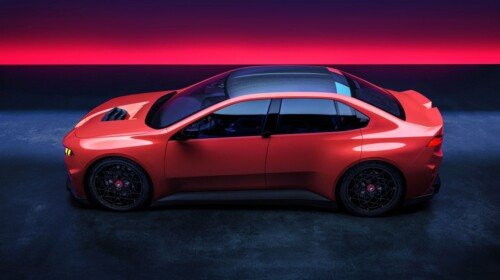
The claimed power density is 81 hp per kilogram, which would help explain how the company plans to package such extreme output into an electric GT format.
Axial-flux motors are becoming increasingly relevant in high-performance EV engineering because they can be compact, light and power-dense compared with more conventional motor layouts.
The challenge behind a 342 mph EV
The Star Razer’s claimed performance figures are dramatic even by hypercar standards.
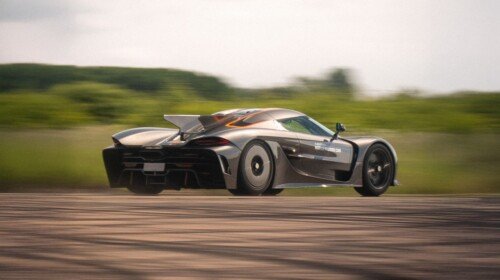
Kosmera is targeting 0-62 mph in 1.7 seconds, 0-249 mph in 8.2 seconds and a projected top speed of 342 mph.
Those numbers raise the obvious engineering questions around tyre capability, cooling, aero stability and where a car could safely validate such speed.
Power is only one part of the equation at this level, because sustained high-speed running asks a great deal from the battery, inverters, motors and braking system.
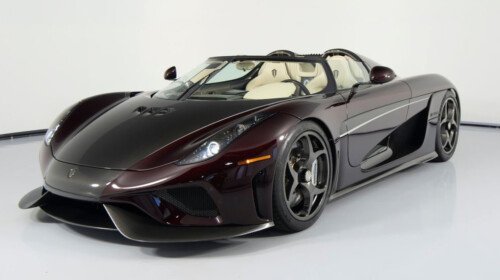
The planned battery pack is said to exceed 100 kWh, with engineering aimed at supporting repeated high-performance use, including multiple Nürburgring laps.
Carbon-ceramic brakes are also planned, a necessary choice given the speed and mass an electric hypercar of this type would need to manage.
Details & Specifications
| Brand | Kosmera |
|---|---|
| Model | Star Razer |
| Vehicle type | Electric grand tourer |
| Powertrain | Quad-motor electric setup with dual-motor modules on each axle |
| Drive | All-wheel drive with advanced torque vectoring |
| Claimed output | 3,112 hp |
| Motor technology | Axial-flux motors |
| Claimed power density | 81 hp per kilogram |
| Battery | More than 100 kWh |
| 0-62 mph | 1.7 seconds claimed |
| 0-249 mph | 8.2 seconds claimed |
| Top speed | 342 mph projected |
| Brakes | Carbon-ceramic |
The Star Razer is still a promise rather than a proven benchmark, and that distinction matters.

Still, the ambition alone is significant, showing how aggressively new Chinese performance brands are pursuing the outer edge of electric speed, power and engineering credibility.