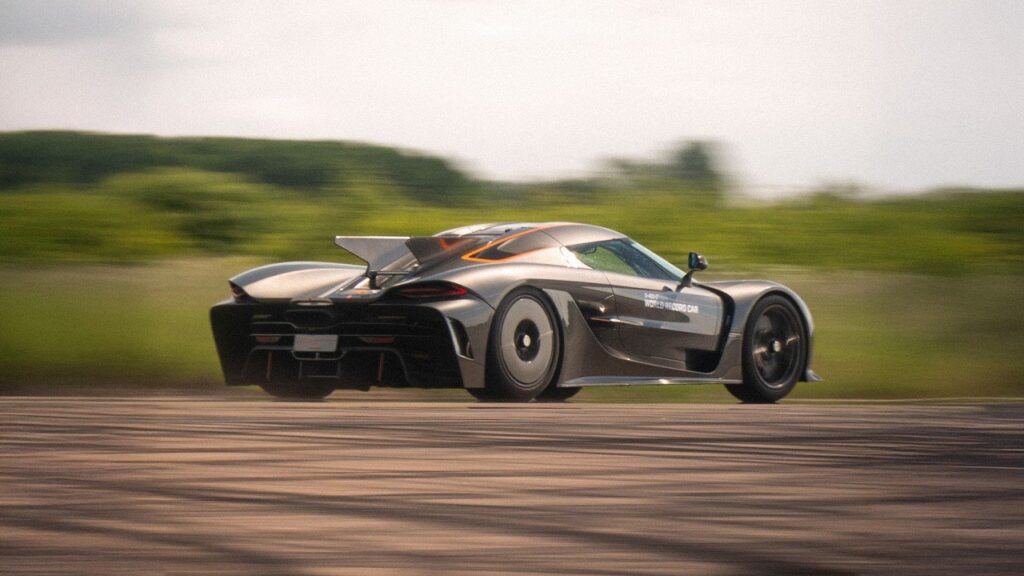
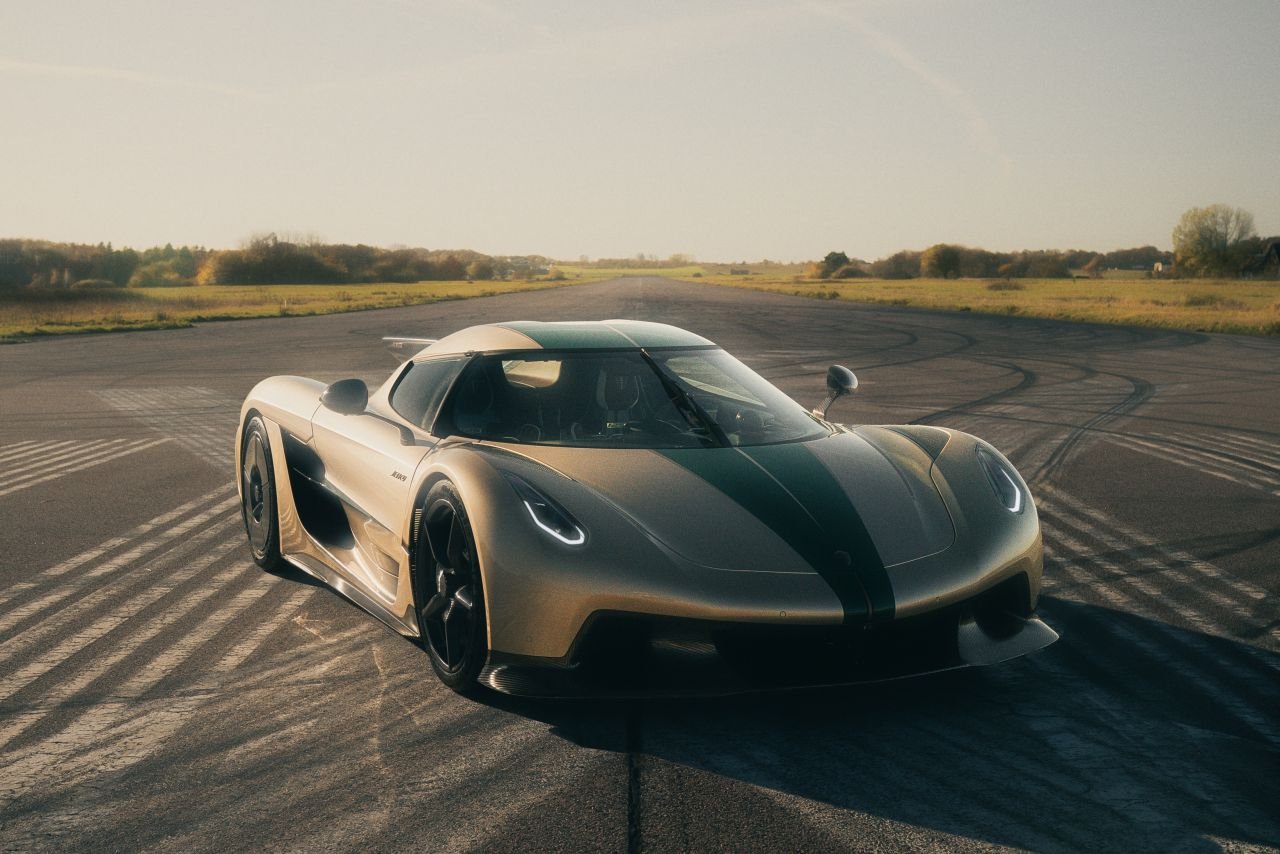
Koenigsegg has already turned the Jesko into one of the defining benchmark cars of the modern hypercar era, but one headline number remains unfinished.
Christian von Koenigsegg says the company hasn’t abandoned the idea of taking the Jesko beyond 500 km/h, even as the challenge has become less about outright power and more about what can safely touch the road.
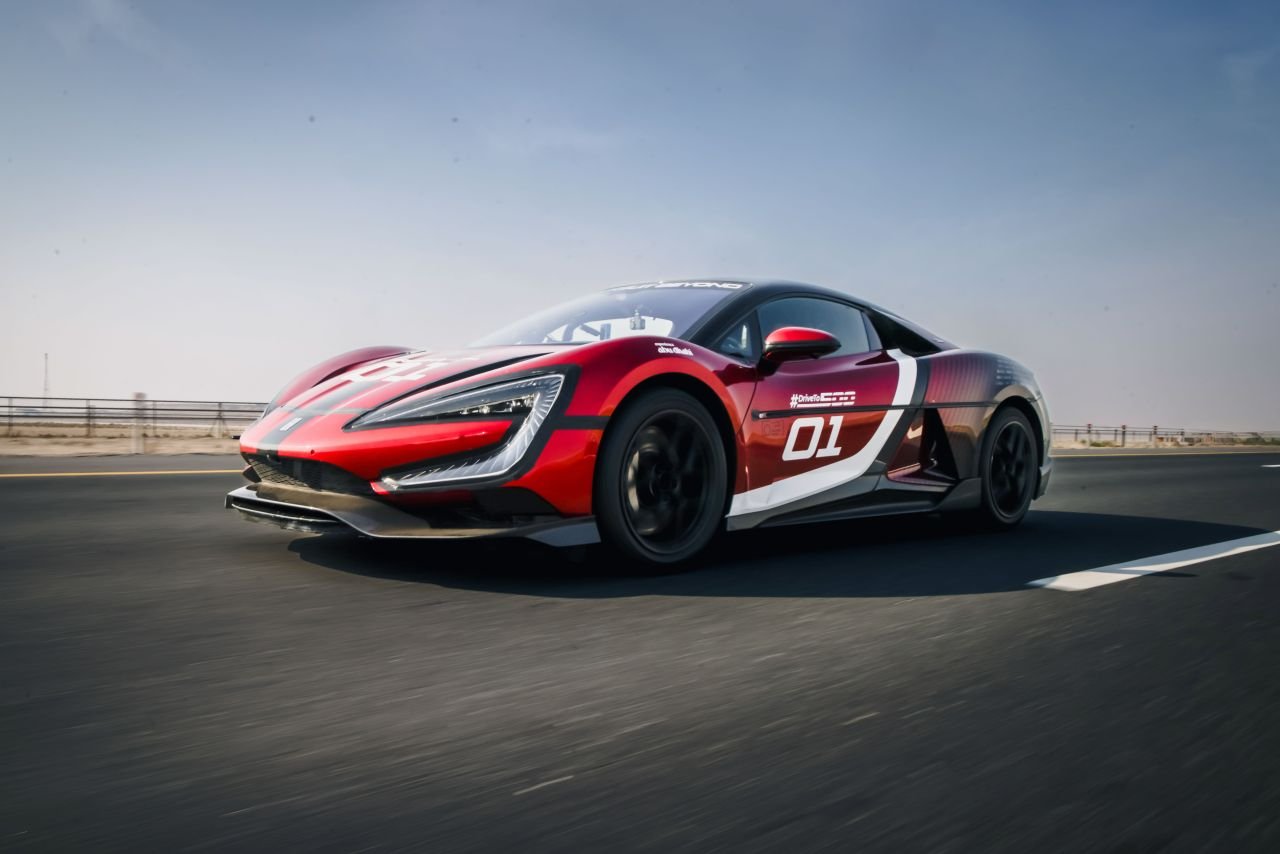
The timing adds a sharper edge to the story, as BYD’s Yangwang U9 Xtreme has now crossed the 500 km/h mark and reset the production-car conversation.
At a glance
- Christian von Koenigsegg says the Jesko’s 500 km/h attempt remains a live ambition for the Swedish hypercar maker.
- The main obstacle is finding tyres capable of coping with the forces involved at such extreme speeds.
- There’s no confirmed timeline, while BYD’s Yangwang U9 Xtreme has recently recorded 503.17 km/h in Abu Dhabi.
The Jesko’s unfinished speed story
The Jesko is hardly short of credentials.
Koenigsegg’s hypercar has already recorded 0–249–0 mph in 25.21 seconds, alongside quarter-mile and half-mile benchmarks that underline how brutally effective the car is across different acceleration tests.
What it hasn’t done is officially move beyond 500 km/h, a threshold that still carries enormous weight in the hypercar world.
For Koenigsegg, that figure isn’t just a marketing number.
It sits at the intersection of engineering credibility, tyre safety, aero confidence and the practical reality of finding a location suitable for such a run.
Tyres are the real barrier
In a recent social media video, Christian von Koenigsegg said the biggest hurdle has been securing tyres suitable for the speeds the Jesko is believed to be capable of reaching.
That may sound less dramatic than a horsepower race, but it’s often the defining constraint at the far end of the speedometer.
At more than 500 km/h, tyres are exposed to extreme rotational loads, heat and structural stress, leaving little margin for compromise.
Von Koenigsegg said the team hasn’t given up and believes the Jesko can go well beyond 500 km/h.
He also indicated that the milestone should happen one day, though Koenigsegg has not confirmed when an attempt might take place.
BYD has changed the backdrop
The wider context shifted recently when BYD’s Yangwang U9 Xtreme recorded 503.17 km/h, or 312.65 mph, on a closed section of the E11 highway in Abu Dhabi’s Al Dhafra region.
That run earned Guinness World Records titles for the highest speed by a production car and the highest speed by an electric production car in a single-direction run.
For Koenigsegg, it means the Jesko’s potential future attempt would arrive into a different landscape than the one it occupied when the 500 km/h conversation first gathered momentum.
The headline has moved from whether a production car can breach 500 km/h to which manufacturer can define the achievement most convincingly.
Details & Specifications
| Brand | Koenigsegg |
|---|---|
| Model | Jesko |
| Confirmed performance record | 0–249–0 mph in 25.21 seconds |
| Other benchmarks | Quarter-mile and half-mile records noted by Koenigsegg-related coverage |
| Target milestone | Beyond 500 km/h |
| Main stated hurdle | Tyres capable of handling extreme speed |
| Confirmed timeline | No confirmed timeline |
The Jesko’s 500 km/h story is now less about proving that Koenigsegg can build a brutally fast hypercar and more about whether every supporting element can be made ready for the attempt.
If the tyre question is solved, the Swedish marque still appears intent on giving its flagship the run its engineering has long suggested it deserves.