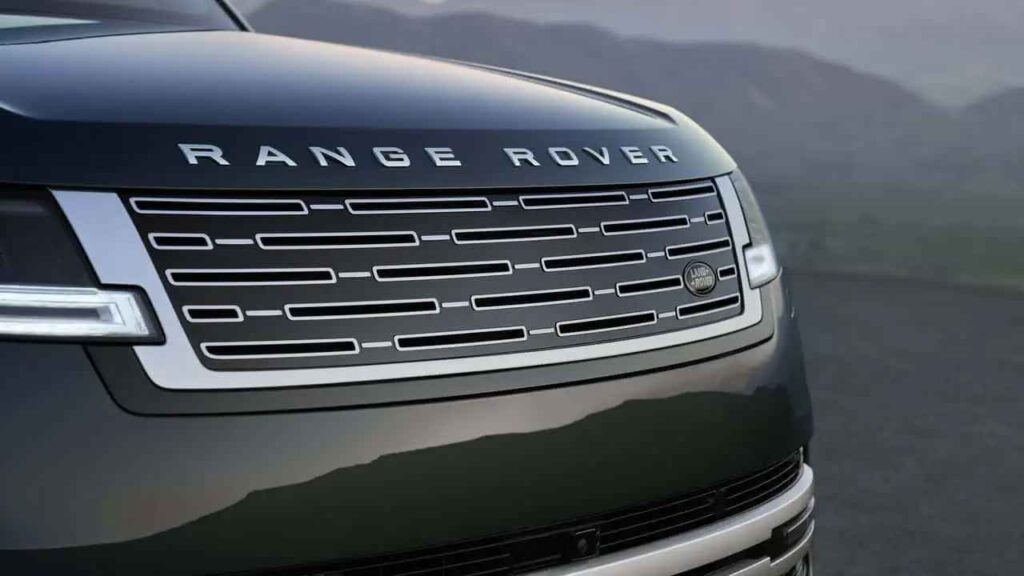
Range Rover has little interest in turning itself into a volume player, even as the premium SUV market gets noisier and more aggressive.
The brand’s next phase is focused on value, scarcity and one-to-one personalisation, with ultra-high-net-worth clients playing a larger role in how its flagship models are positioned.
That’s a revealing move for a marque whose appeal has always sat somewhere between off-road credibility, country-estate discretion and boardroom polish.
At a glance
- Range Rover is prioritising brand value and exclusivity over higher sales volume.
- The strategy places more emphasis on bespoke commissions and highly personalised vehicles for top-tier clients.
- The Evoque will remain an entry point, while the brand pushes further into the upper end of the luxury SUV market.
Exclusivity takes priority over volume
Range Rover’s leadership is making a clear distinction between selling more vehicles and making the brand more valuable.
Ryan Miller, Range Rover’s global product and services marketing director, put the point plainly when he said, “Our job really is not to sell lots and lots of cars. Our job is to grow the brand and develop the value within the brand.”
He added, “You don’t just do that by selling lots and having high turnover, do you?”
It’s a strategy that fits the current luxury market, where scarcity, configuration depth and client access can matter as much as raw production numbers.
For Range Rover, the aim is less about flooding more driveways and more about making each commission feel harder to replicate.
Bespoke commissions move further into focus
Range Rover global managing director Martin Limpert has indicated that the brand wants to expand its one-to-one bespoke configuration work for ultra-high-net-worth customers.
That points to a future where high-end Range Rovers are treated less like standard showroom purchases and more like tailored luxury objects.
Paint, trim, materials and specification choices can become part of a broader ownership ritual, especially for buyers already familiar with private commissions in watches, yachts, aircraft and residential design.
This is where the brand has room to grow without necessarily chasing a major increase in production.
A more personalised Range Rover can carry greater commercial and cultural weight than a larger number of conventionally specified SUVs.
The Evoque keeps the range accessible
The move upmarket doesn’t mean every Range Rover will be pushed out of reach.
The Evoque is expected to remain an entry point into the family, giving the brand a way to maintain a broader customer base while its most expensive models move deeper into luxury territory.
That balance matters because Range Rover’s strength has long come from offering a recognisable hierarchy, from compact urban SUVs to full-size flagships.
Keeping the Evoque in place gives aspiring buyers a path into the brand without diluting the more exclusive positioning of its upper tiers.
Chinese SUV rivals are not setting the agenda
The rise of Chinese premium SUVs has added pressure across the luxury car market, particularly as some newer models arrive with ambitious styling, strong equipment levels and aggressive pricing.
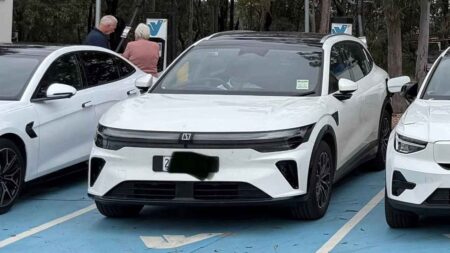
Range Rover appears relaxed about vehicles such as the Chery Jaecoo J5 and J7, which have drawn comparisons with some of its designs.
The brand’s position is that its long-term business case doesn’t depend on matching those sales volumes.
That’s a significant stance in a segment where technology, screen size and headline value can dominate the conversation.
Range Rover is instead leaning into reputation, personalisation and the intangible pull of a nameplate that still carries global recognition.
For buyers who simply want the most equipment for the money, that may not be persuasive.
For clients who want a luxury SUV with heritage, status and the option of deep personal specification, it’s exactly the direction Range Rover needs to take.