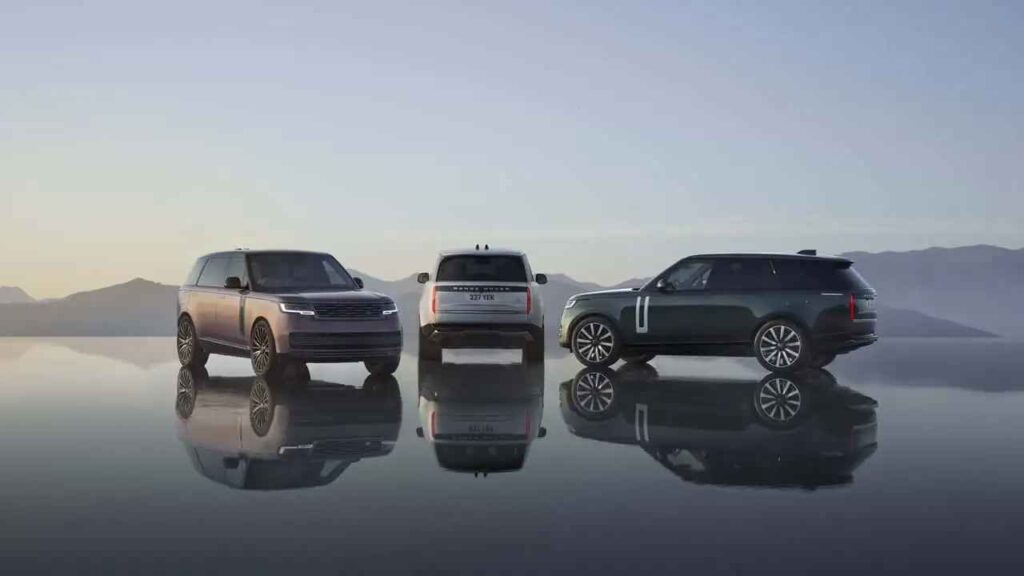
Range Rover has taken its most important step yet into electrification with the first battery-powered version of its flagship SUV.
It arrives with the sort of numbers that matter in this corner of the luxury market, including more torque than any Range Rover before it and a 0-60 mph time as low as 4.3 seconds.
US order books are now open, with pricing starting at $138,000.
At a glance
- Range Rover Electric is now available to order in the US from $138,000.
- Dual permanent-magnet motors produce 542 hp and 627 lb-ft of torque.
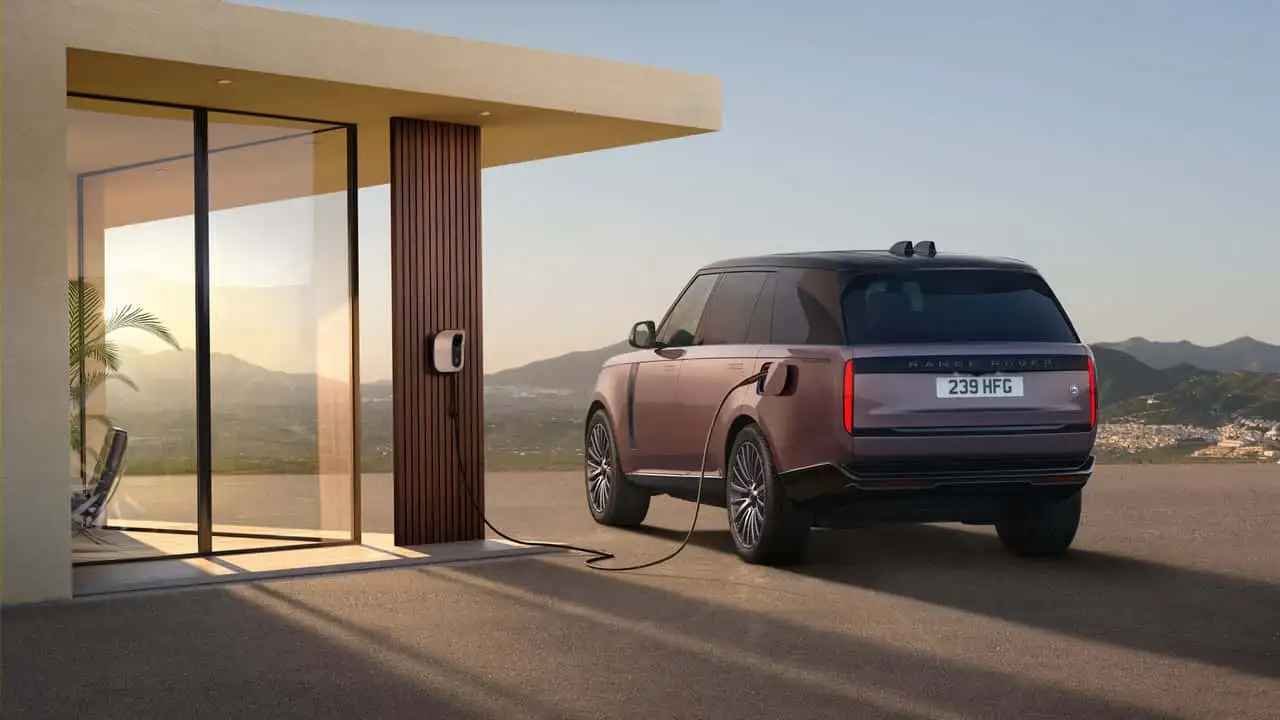
- An 800-volt architecture enables 10 to 80 percent charging in around 22 minutes on a 350-kW DC fast charger.
A flagship Range Rover with instant electric shove
The Range Rover Electric uses two permanent-magnet motors, with one mounted on each axle to deliver all-wheel drive without a combustion engine in the mix.
Output stands at 542 hp and 627 lb-ft of torque, giving this version the highest torque figure ever offered in a Range Rover.
That torque is the more telling figure here, because it should suit the character of a large luxury SUV better than a headline-grabbing horsepower number alone.
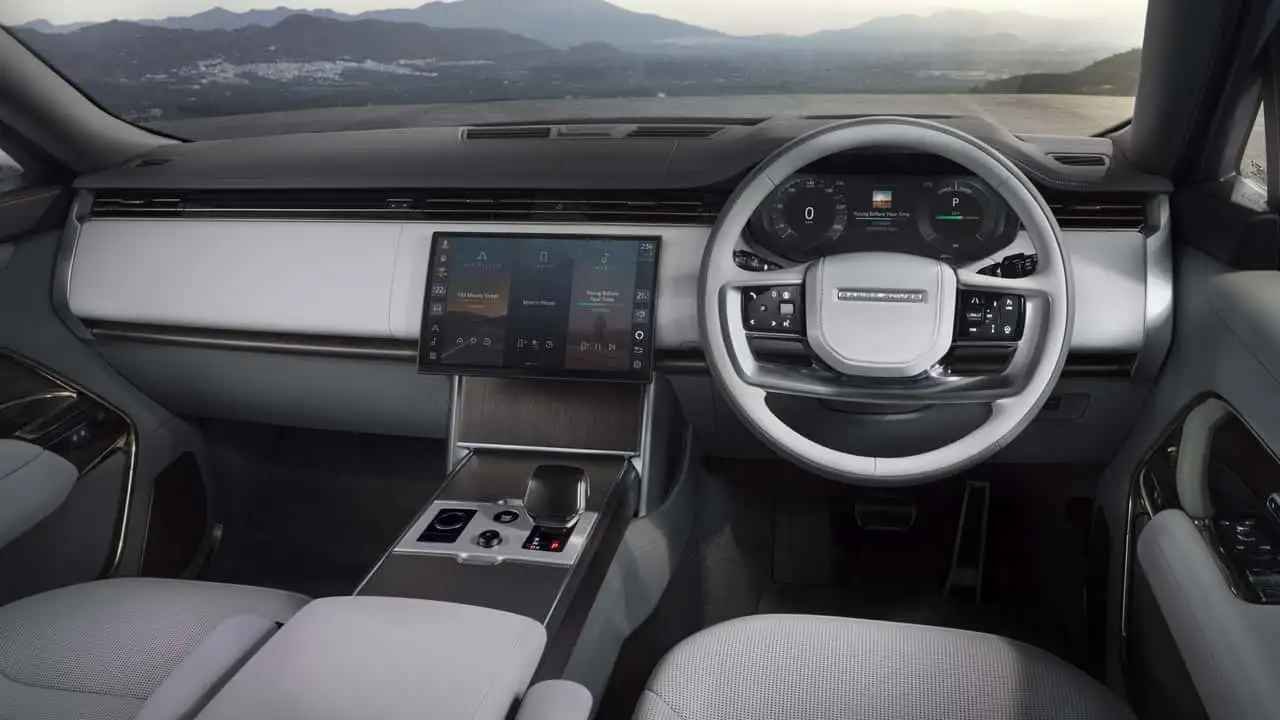
Range Rover says the electric model can reach 60 mph in as little as 4.3 seconds, placing it firmly in the rapid luxury SUV category while keeping the familiar flagship format intact.
Fast charging for long-distance luxury use
Power comes from a 118.5-kWh lithium-ion battery paired with an 800-volt electrical architecture.
On a 350-kW DC fast charger, the battery can be replenished from 10 to 80 percent in around 22 minutes.
Range Rover also says 10 minutes of charging can add roughly 125 miles of driving range, which is the kind of figure that matters for owners who want an electric SUV to work beyond short urban journeys.
The brand has not positioned the Electric as a separate-looking experiment, but as a battery-powered member of the flagship Range Rover family.
Electric hardware built for Range Rover terrain
The move to electric power hasn’t pushed off-road ability into the background.
An Integrated Traction Management system can adjust motor speed in just 50 milliseconds, helping the SUV manage wheel slip with the quick response made possible by electric drive.
Intelligent Driveline Dynamics can send up to 100 percent of available rear torque when required, giving the system flexibility across low-grip surfaces and more demanding terrain.
That technical brief is important, because Range Rover’s reputation still rests on its ability to combine quiet luxury with credible all-terrain performance.
Details & Specifications
| Brand | Range Rover |
|---|---|
| Model | Range Rover Electric |
| Powertrain | Dual permanent-magnet electric motors |
| Drive | All-wheel drive |
| Power | 542 hp |
| Torque | 627 lb-ft |
| 0-60 mph | As little as 4.3 seconds |
| Battery | 118.5-kWh lithium-ion |
| Electrical architecture | 800 volts |
| DC fast charging | 10 to 80 percent in around 22 minutes using a 350-kW charger |
| Quick charge estimate | Roughly 125 miles added in 10 minutes |
| Body styles | Short- and long-wheelbase versions |
| Price | From $138,000 in the US |
| Availability | US order books open |
The Range Rover Electric looks set to appeal to buyers who want the brand’s full-size luxury experience without stepping away from serious performance or all-terrain capability.
For Range Rover, it’s less a side project than a statement that its flagship formula can survive the switch to batteries largely on its own terms.