Land Rover’s electric rollout is taking a more selective path than early expectations suggested.
The next Defender is now understood to be moving further down the calendar, with the Range Rover Electric becoming JLR’s near-term battery-powered priority. It’s a pragmatic shift for a company balancing costly EV development with some of the most recognisable SUV nameplates in the business.
At a glance
- Land Rover is understood to be slowing work on the next Defender, including its planned electric version.
- The Range Rover Electric is now the clear priority, with a reveal planned for later in 2026.
- Production and deliveries are planned to begin in the second half of JLR’s 2026–27 financial year.
Range Rover Electric gets the front of the queue
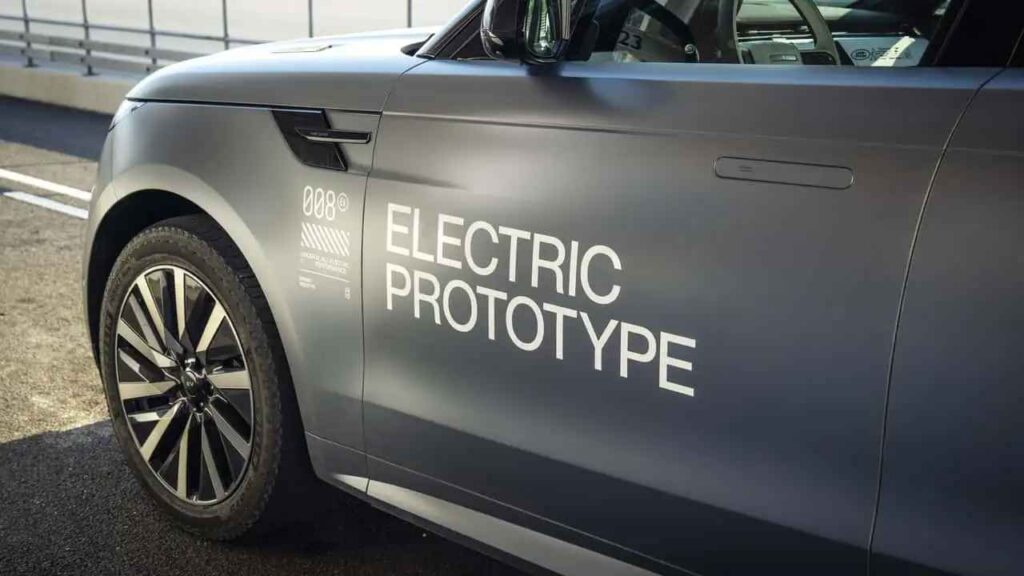
JLR has confirmed that its first SUV on the new Electric Modular Architecture will be a Range Rover family model.
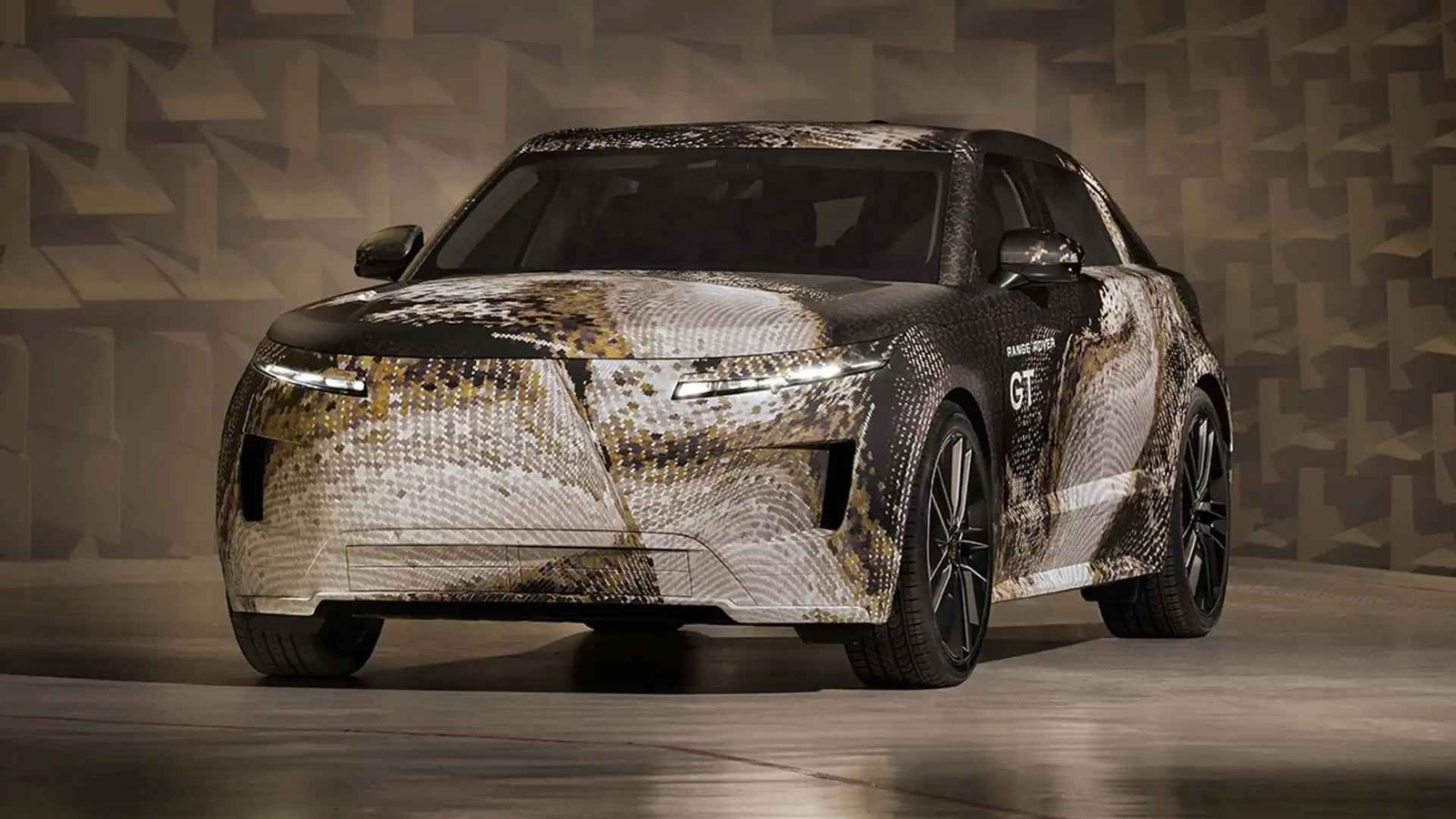
That vehicle will be assembled at Halewood in the UK, placing one of the company’s most important EV launches inside a heavily watched phase of British car manufacturing.
The Range Rover Electric is due to be revealed later in 2026, with production and customer deliveries planned during the second half of JLR’s 2026–27 financial year.
For Land Rover, the Range Rover badge is the logical place to begin a high-end EV push.
Its buyers are already accustomed to refinement, quietness and effortless performance, all areas where an electric drivetrain can feel like a natural extension rather than a compromise.
The next Defender shifts further out
The bigger change is around Defender, whose next-generation full-size model and planned electric derivative are now expected to move into the 2030s.
Land Rover hasn’t made a formal announcement on a revised launch window, so the timing remains fluid.
Even so, pushing the Defender’s electric chapter back would not be surprising.
The Defender carries a different burden from Range Rover, because its appeal is tied not only to design and status, but also to durability, usability and a sense of genuine off-road credibility.
Electrifying that character cleanly is more complicated than simply installing a battery pack and updating the cabin screens.
Range Rover Sport and the smaller Defender stay in play
The Range Rover Sport Electric remains part of the plan, keeping the brand’s more performance-oriented luxury SUV line in the electrification pipeline.
Development of a smaller Defender, often referred to as a baby Defender, is also expected to continue.
That leaves JLR with a tiered approach rather than a full retreat from electric SUVs.
Range Rover leads the premium EV charge, Range Rover Sport follows with a more dynamic brief, and Defender’s future is handled with more caution.
A slower EV strategy with fewer easy wins
The wider industry has become less forgiving of expensive EV programmes that arrive before the product, charging network and buyer demand are fully aligned.
JLR’s decision to prioritise models closer to launch suggests a more disciplined approach to spending and engineering focus.
For buyers, the immediate story is simple.
The first major electric Land Rover moment will wear a Range Rover badge, while anyone waiting for a fully electric Defender should expect a longer wait.
That may frustrate some enthusiasts, but it could also give Land Rover the time it needs to make an electric Defender feel like a Defender rather than merely an EV wearing a familiar silhouette.