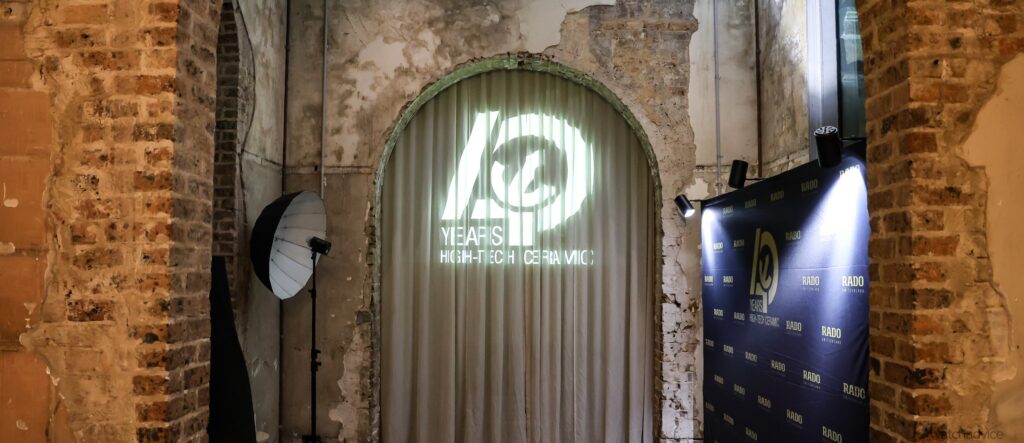
Rado has marked the 40th anniversary of its High-Tech Ceramic with the Australian debut of a new Captain Cook chronograph in Sydney, bringing plasma ceramic, a blue sunray dial and rose-gold-toned detailing into one of the brand’s most recognisable modern sports-watch lines.
The launch is a neat reminder of why Rado still occupies a distinct space in watchmaking, not by chasing traditional precious metals, but by treating case and bracelet materials as a central part of the watch’s identity.
From DiaStar Hardmetal to modern ceramic watchmaking
Rado’s material story predates High-Tech Ceramic by more than two decades, with the 1962 DiaStar introducing the brand’s early work in hard-wearing case construction through a tungsten carbide ceramic material bonded with metal.
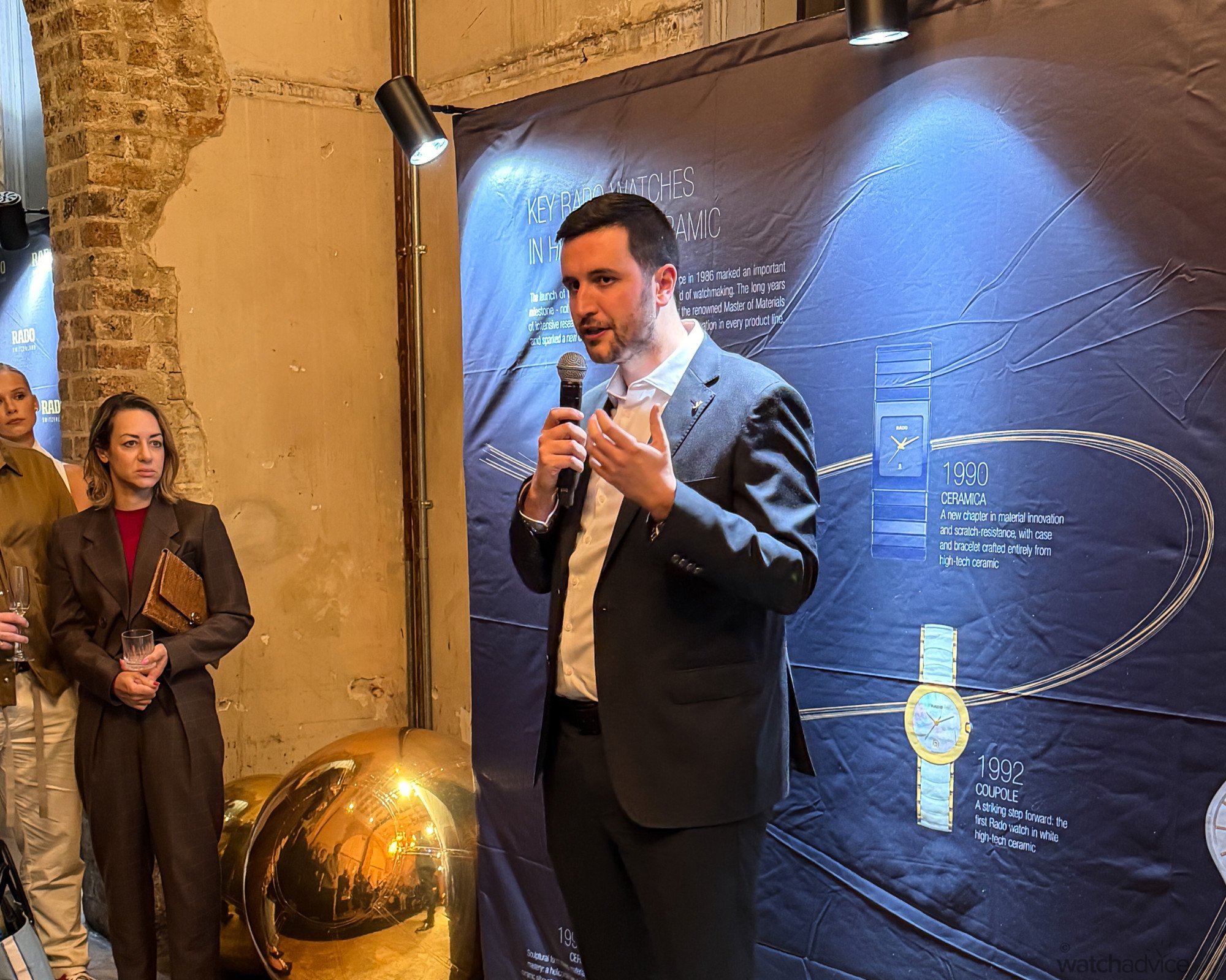
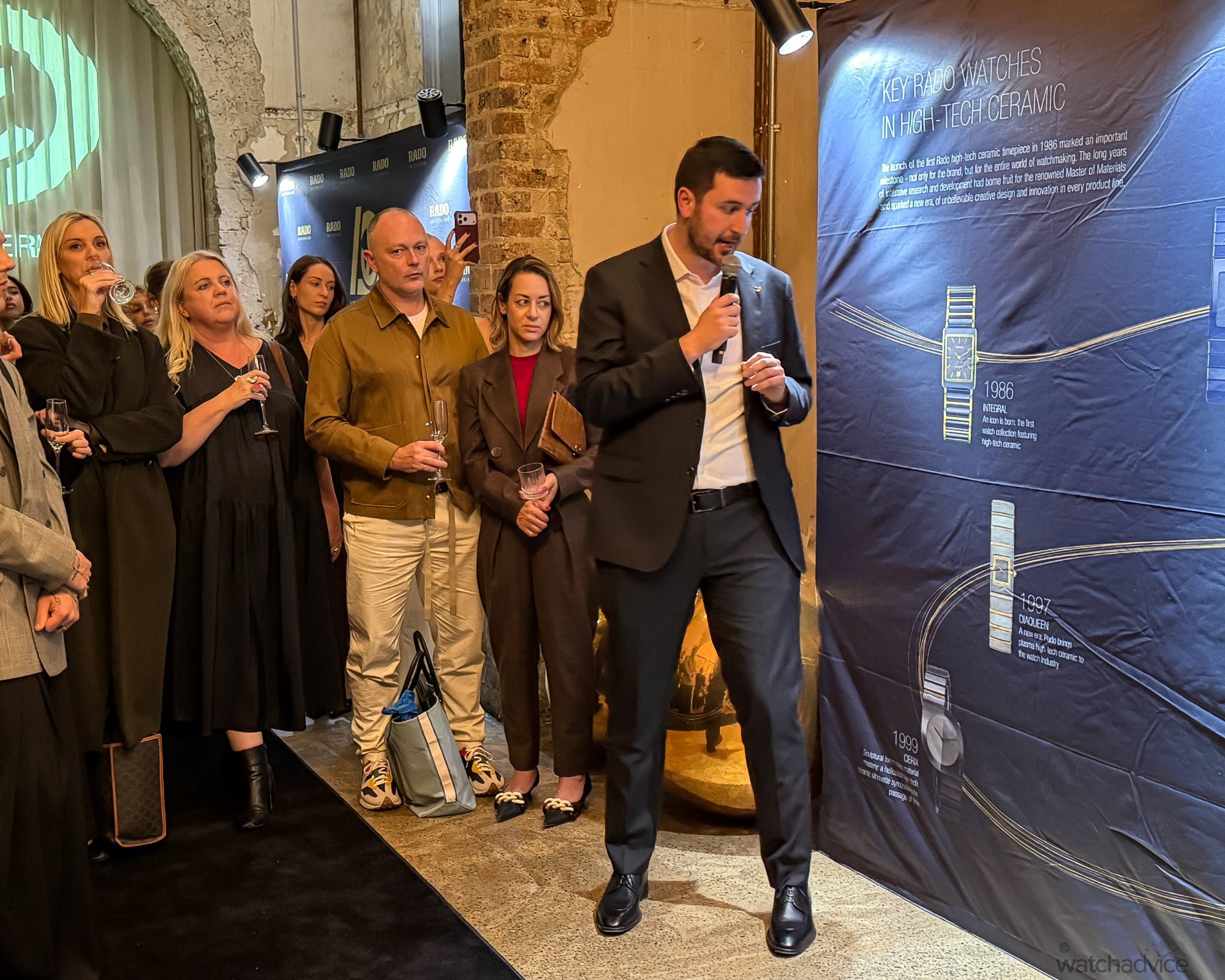
High-Tech Ceramic arrived in 1986 with the Integral, setting the tone for the smooth, scratch-resistant and skin-friendly cases and bracelets that would later become a Rado signature.
The Captain Cook did not receive the ceramic treatment until 2021, but the combination made sense, pairing vintage-inspired dive-watch cues with the brand’s most important contemporary material language.
The new Captain Cook wears plasma ceramic and blue
The latest Captain Cook Chronograph uses a 43mm plasma High-Tech Ceramic case with a 49.8mm lug-to-lug measurement and a 16.4mm thickness, giving it the presence expected from a modern ceramic chronograph.
Plasma ceramic is Rado’s metallic grey interpretation of High-Tech Ceramic, with an almost liquid sheen that sits somewhere between polished steel and pearlescent gunmetal.
The bracelet continues the same plasma ceramic treatment and adds polished centre links, which should give the watch a more reflective, dressier character than the black ceramic versions in the collection.
The blue sunray dial is matched with a blue ceramic bezel, while rose-gold PVD accents appear on the crown, pushers, bezel and dial furniture.

An automatic chronograph with a modern Swatch Group backbone
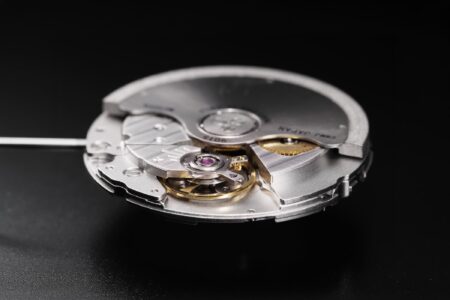
Inside the watch is Rado’s R801 automatic calibre, running at 28,800 vibrations per hour and offering a 59-hour power reserve.
The movement also uses a Nivachron hairspring, an anti-magnetic component now seen across a number of ETA-derived Swatch Group movements.
Rado notes that the calibre is tested in five positions and built to exceed standard accuracy expectations, a useful detail for a watch that blends daily-wear practicality with a more expressive case material.
Sydney debut for Rado’s ceramic milestone
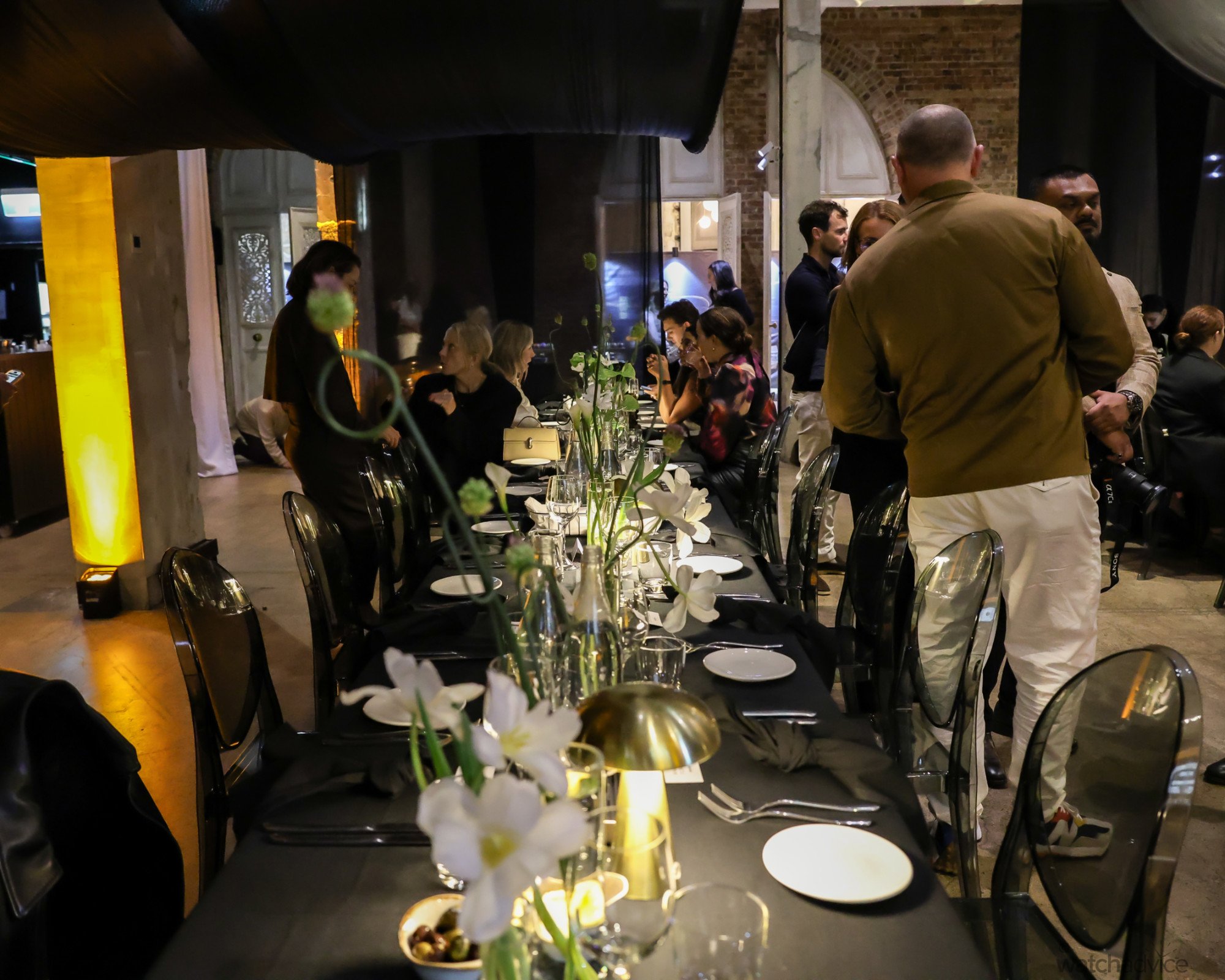
The Sydney celebration took place at Alpha Dining, where Rado used the occasion to show a broader spread of its ceramic work, including DiaStar limited editions, True Square Skeleton models and pieces from the Centrix collection.
The Captain Cook Plasma High-Tech Ceramic was the key new arrival for the Australian market, and its mix of metallic grey ceramic, blue and warm PVD accents gives the chronograph a more polished personality than the darker, sportier black ceramic reference.
For collectors who already associate Rado with ceramic, this anniversary model reinforces the brand’s long-running material focus rather than simply adding another colourway.
For buyers coming to Rado fresh, the watch makes a clear case for the Captain Cook as one of the more interesting places to find ceramic watchmaking at a mainstream luxury price point.