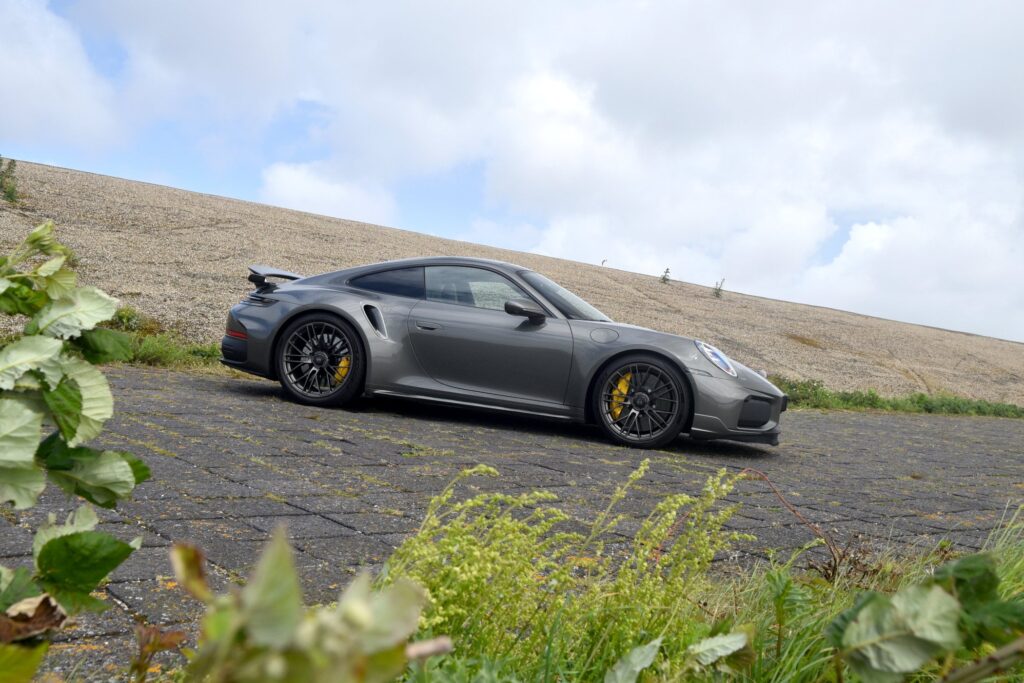
There are faster ways to make a headline than building a better 911, but few are harder to execute.
The new Porsche 911 Turbo S arrives in a moment when performance cars are chasing ever-larger numbers, yet its appeal is less about brute force than how cleanly it deploys it.
With 711bhp, all-wheel drive and a hybrid-assisted twin-turbo flat-six, this is the 911 for people who want astonishing pace without sacrificing the ability to use the car every day.
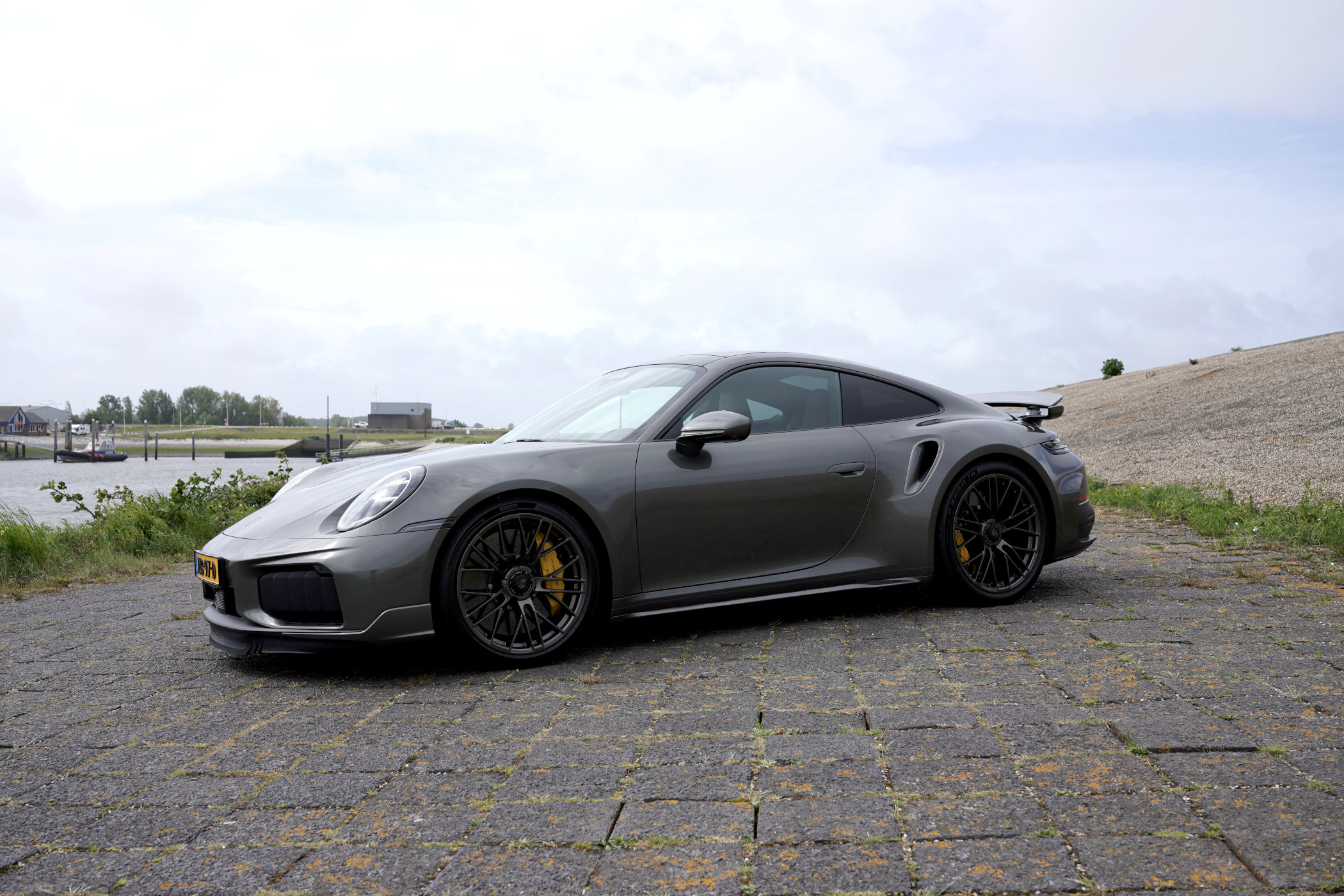
At a glance
- The 992.2 Porsche 911 Turbo S develops 711bhp and 800Nm from a 3.6-litre twin-turbo flat-six with T-Hybrid assistance.
- It uses two electrically supported turbos, an 8-speed PDK gearbox, all-wheel drive and standard ceramic brakes.
- With a 2.5-second 0-100kph time and 322kph top speed, it sits as the fastest and most versatile 911 in the current range.
Turbo lineage without the old sting
Porsche’s relationship with turbocharging is older than the 911 Turbo nameplate itself.
Before the road car arrived in 1975, forced induction was already being pushed in competition machinery such as the 911 RSR 2.1 Turbo and the ferocious 917-30, a car whose reputation still looms large over Porsche’s racing history.
The first 911 Turbo, known internally as the 930, brought that technology to the road with a 3.0-litre flat-six, a single turbocharger, swollen arches and the now-famous whale-tail rear wing.
Early cars made around 260bhp, while the later 3.3-litre versions rose to 300bhp and helped establish the Turbo as the 911 with the widest shoulders and the shortest fuse.
That fuse mattered.
Turbo lag in the 930 could turn a poorly timed throttle input into a dramatic correction, especially mid-corner, giving the car its unforgiving reputation.
Half a century later, the new Turbo S shows how far Porsche has taken the idea.
The character hasn’t been diluted into anonymity, but the delivery is now measured, immediate and deeply composed in a way the early cars could never be.
The 992.2 Turbo S gets hybrid-assisted twin turbos
The latest Turbo S uses Porsche’s 3.6-litre six-cylinder boxer engine, supported by a 400-volt T-Hybrid system.
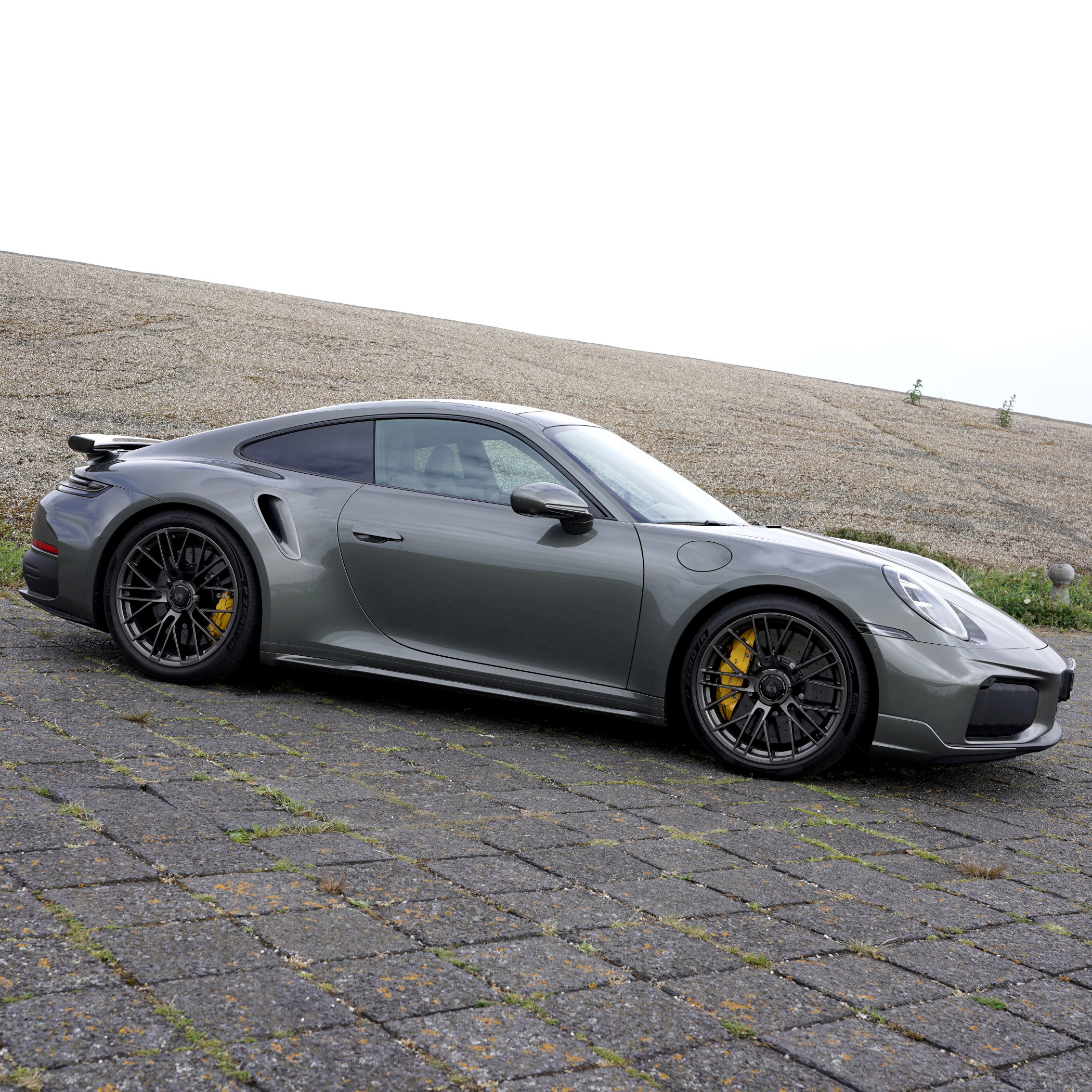
That hybrid assistance is there to sharpen response, reduce lag and improve low-rev torque, rather than turn the 911 into a softly electrified grand tourer.
The comparison with the current 911 GTS is useful because both use the same broad engine family and hybrid architecture.
Where the GTS uses one larger electrically assisted turbocharger and produces 541bhp, the Turbo S uses two slightly smaller electrically supported turbos.
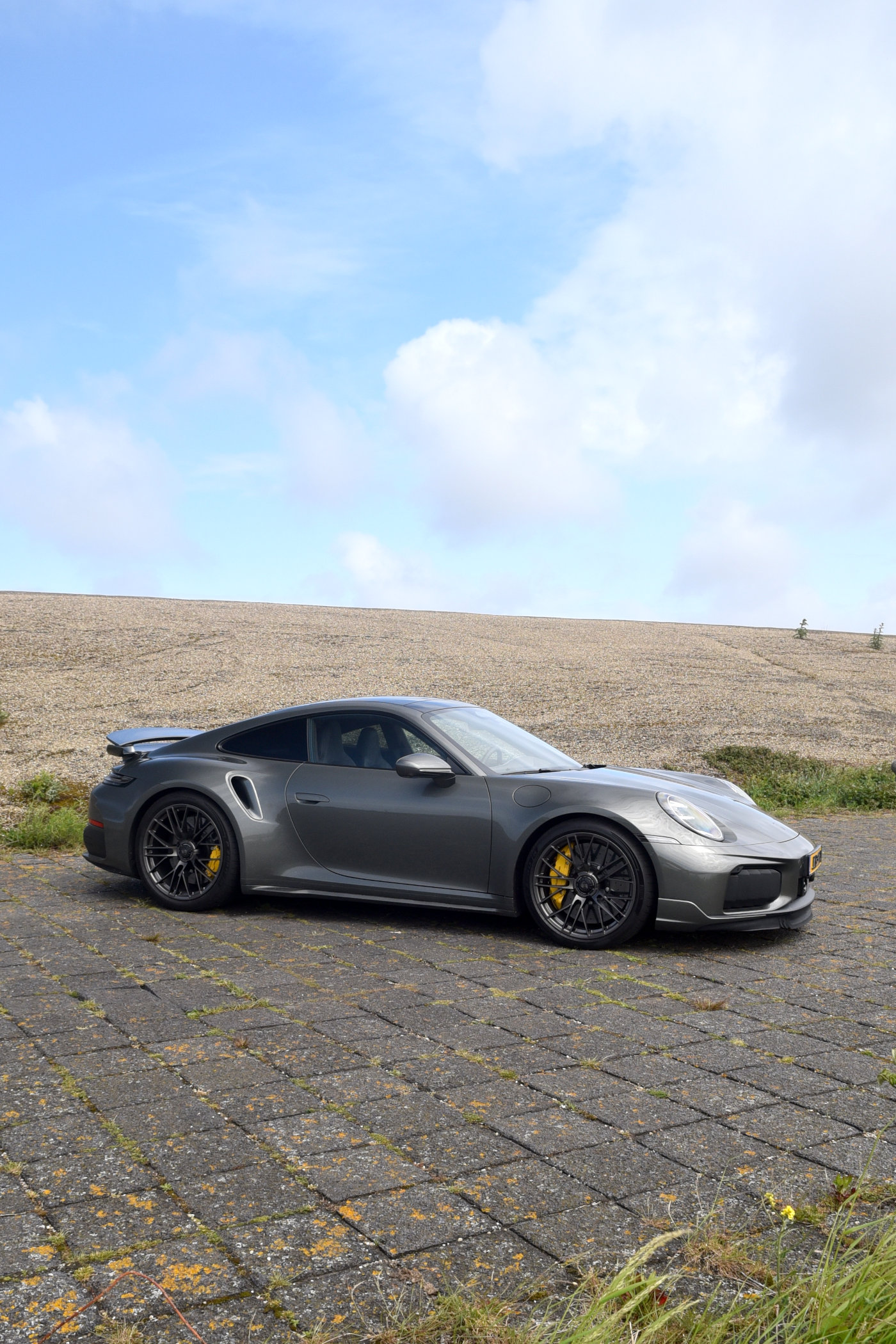
The result is faster spool, more immediate response and a substantial jump to 711bhp and 800Nm.
Those figures translate into serious numbers on the road.
The 911 Turbo S reaches 100kph in 2.5 seconds and runs on to 322kph, with power sent through Porsche’s 8-speed PDK transmission to all four wheels.
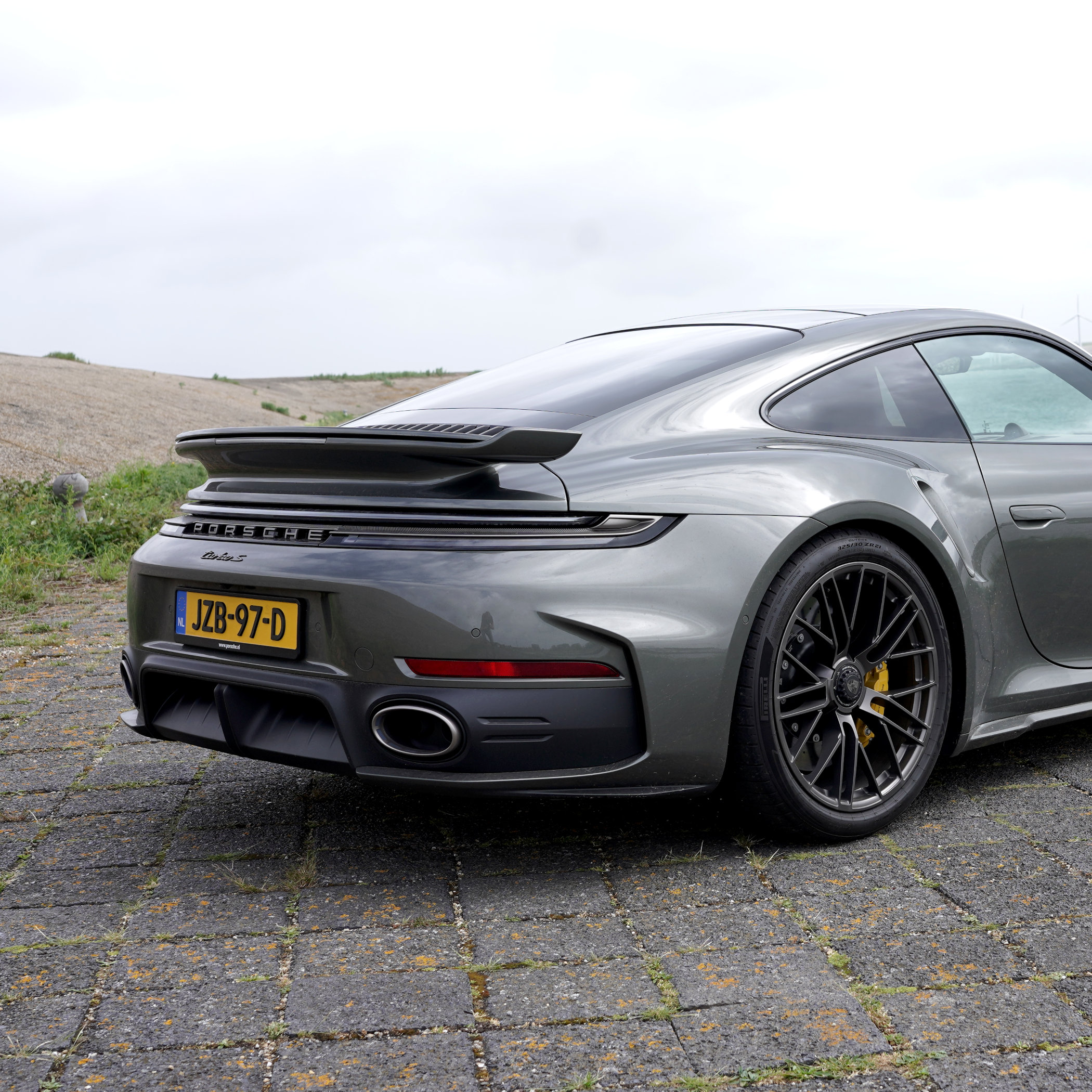
Ceramic brakes are standard, which feels appropriate given the performance on offer.
A wider body and a more functional surface language
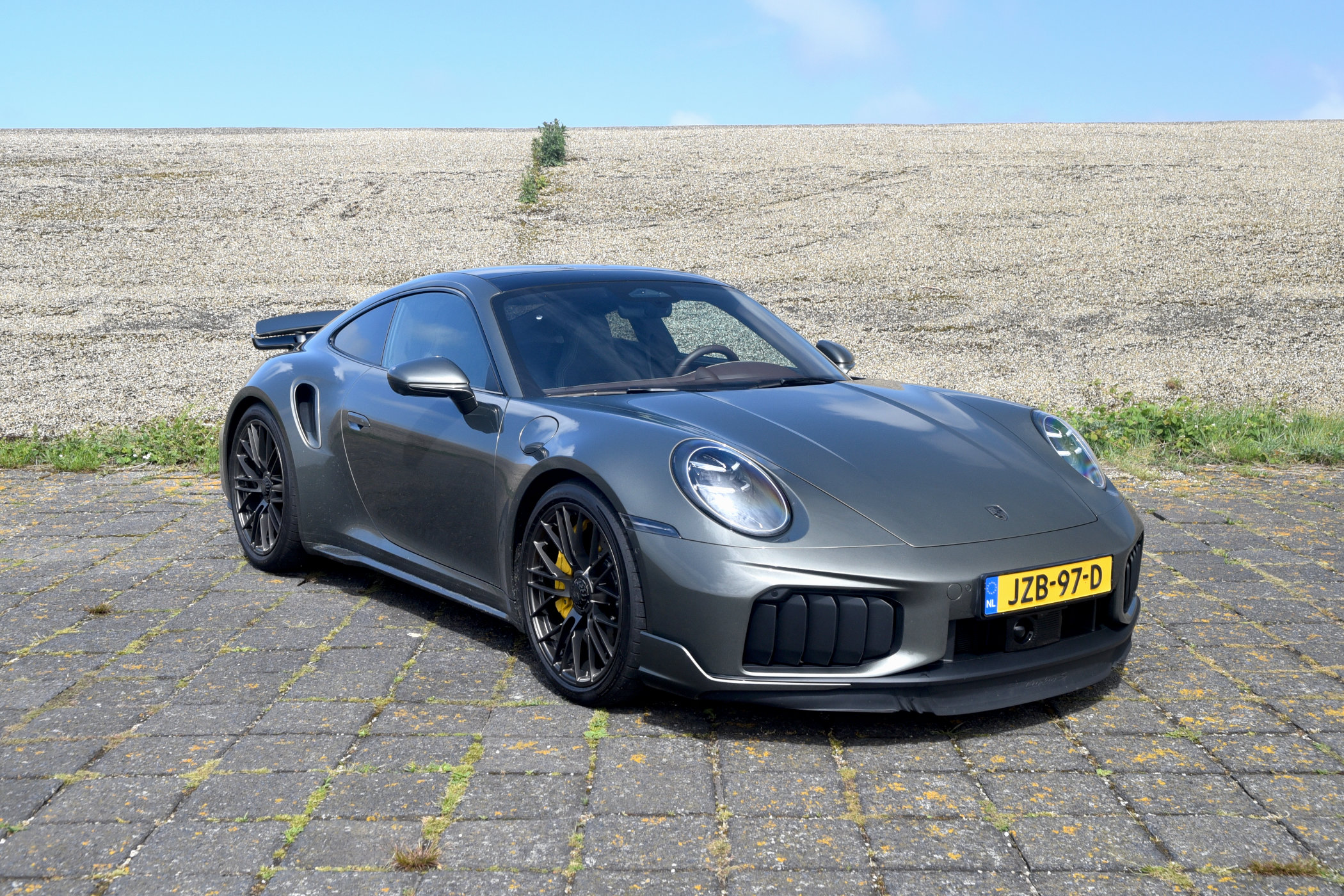
The Turbo S keeps the familiar 911 silhouette, but its details are less discreet once you know where to look.
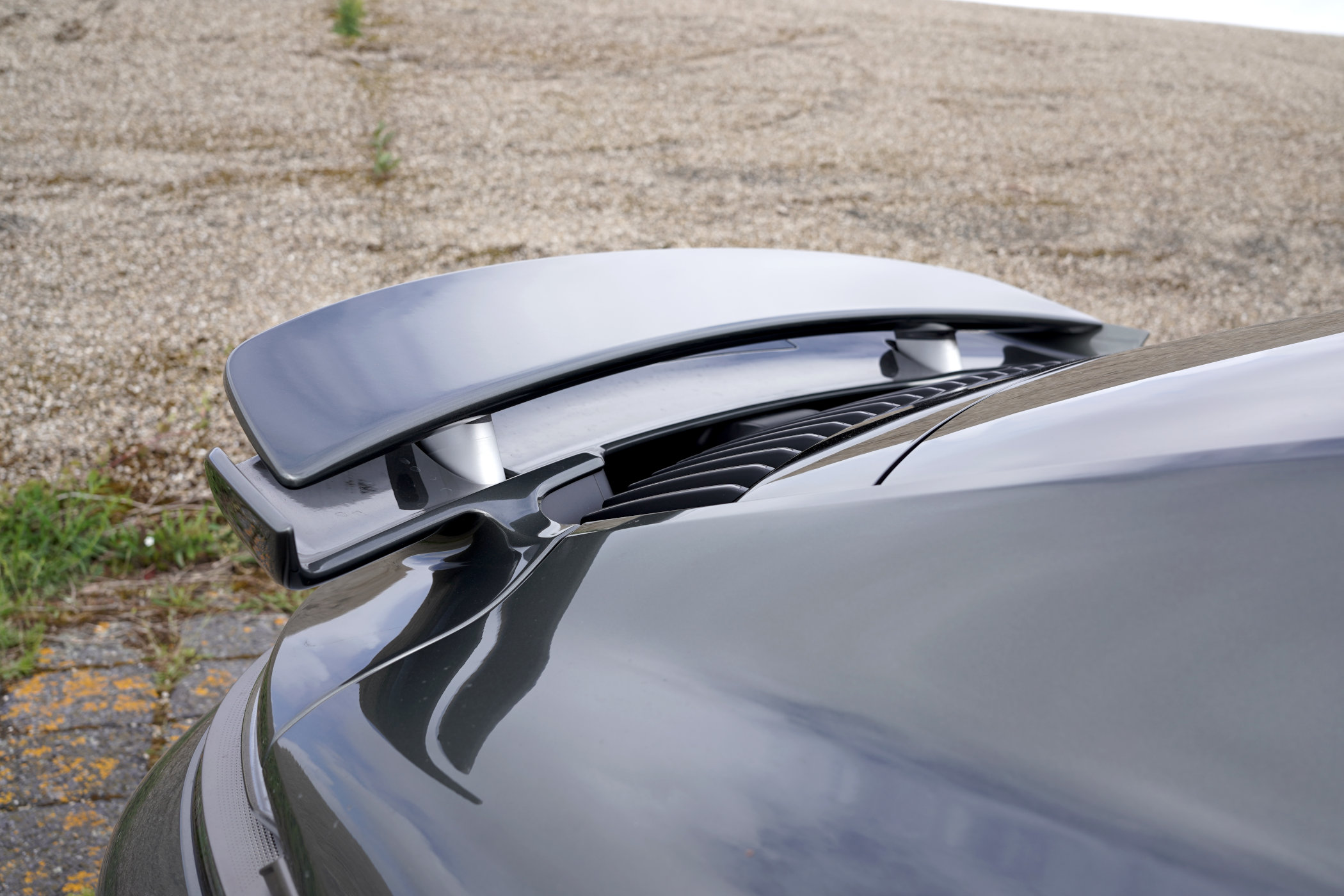
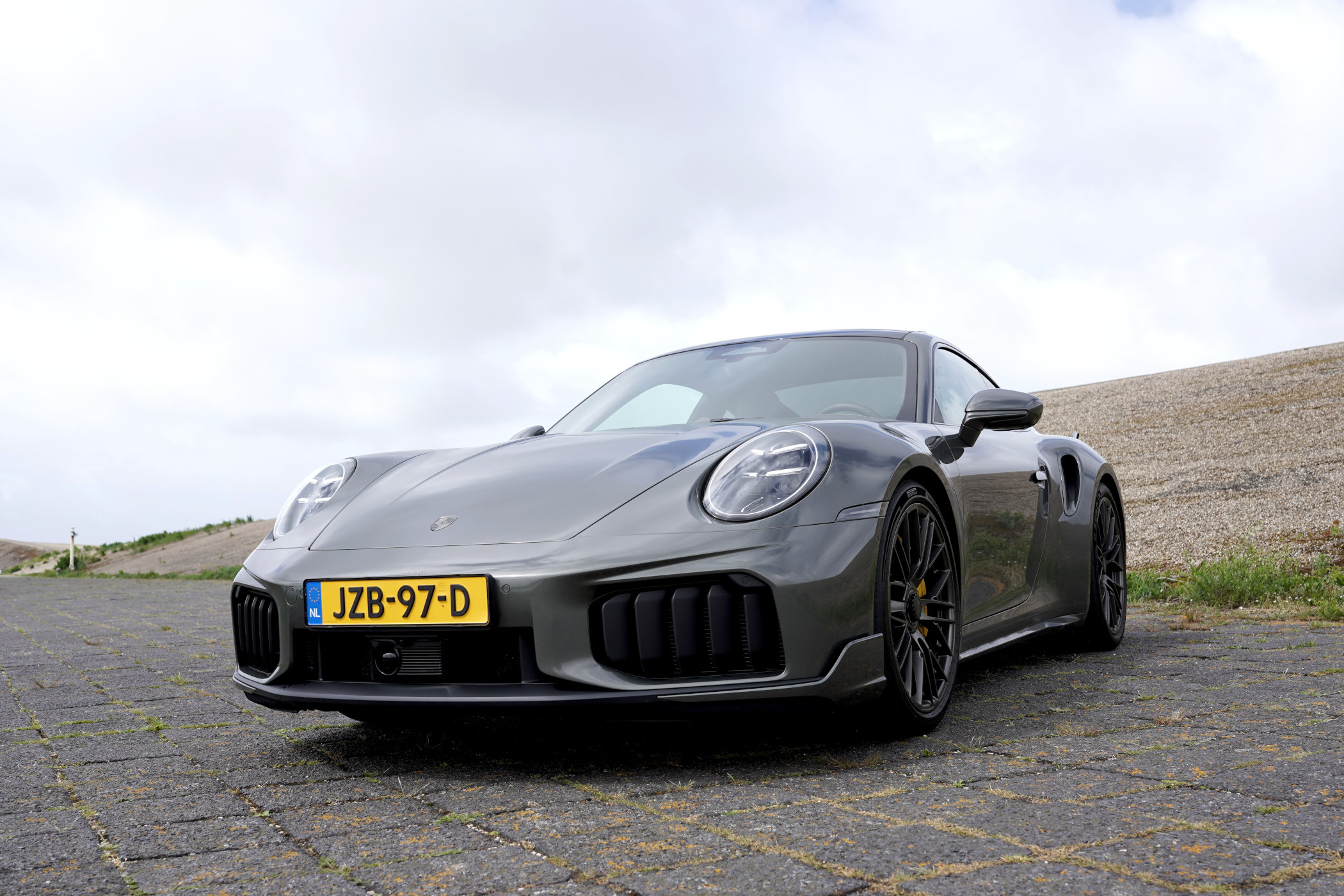
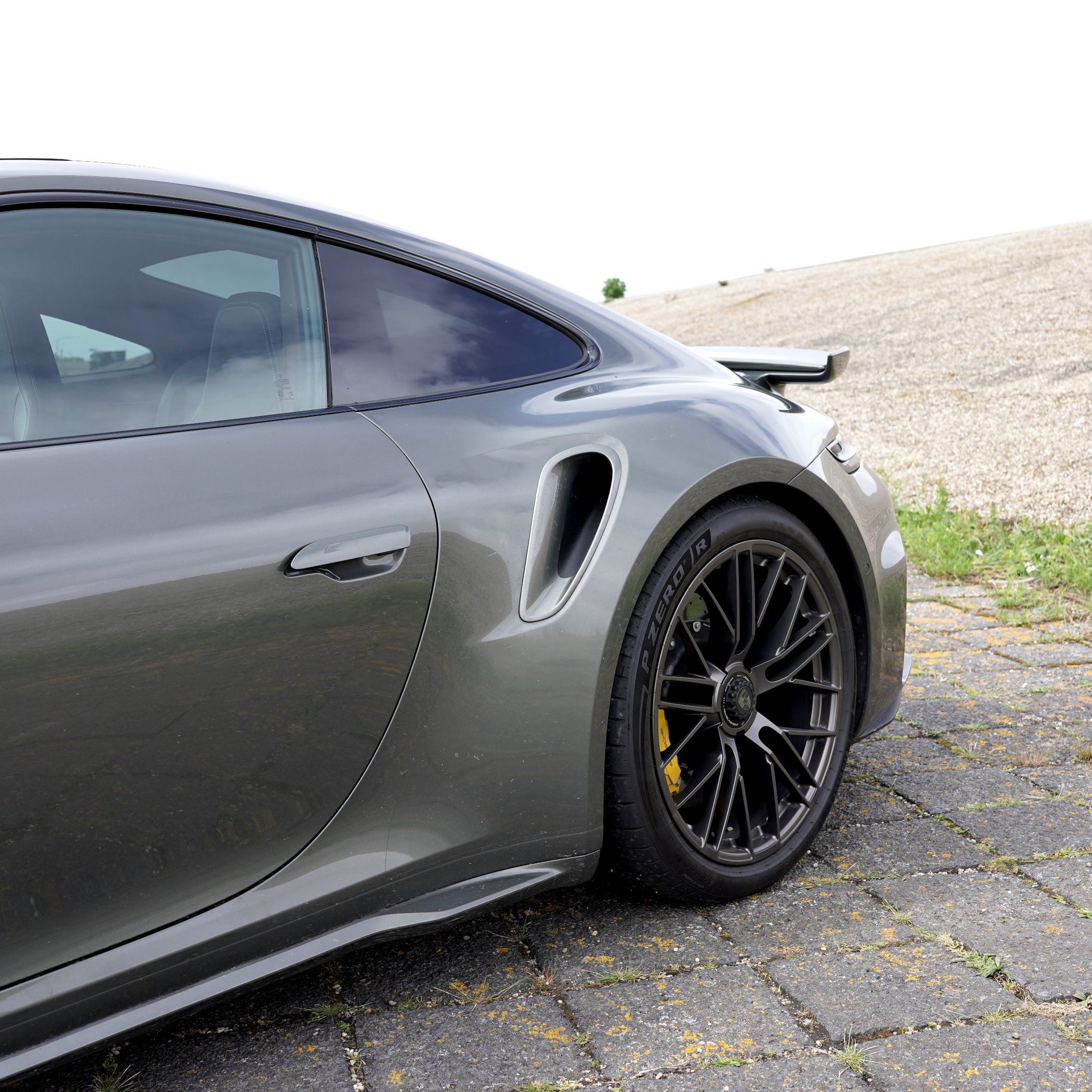
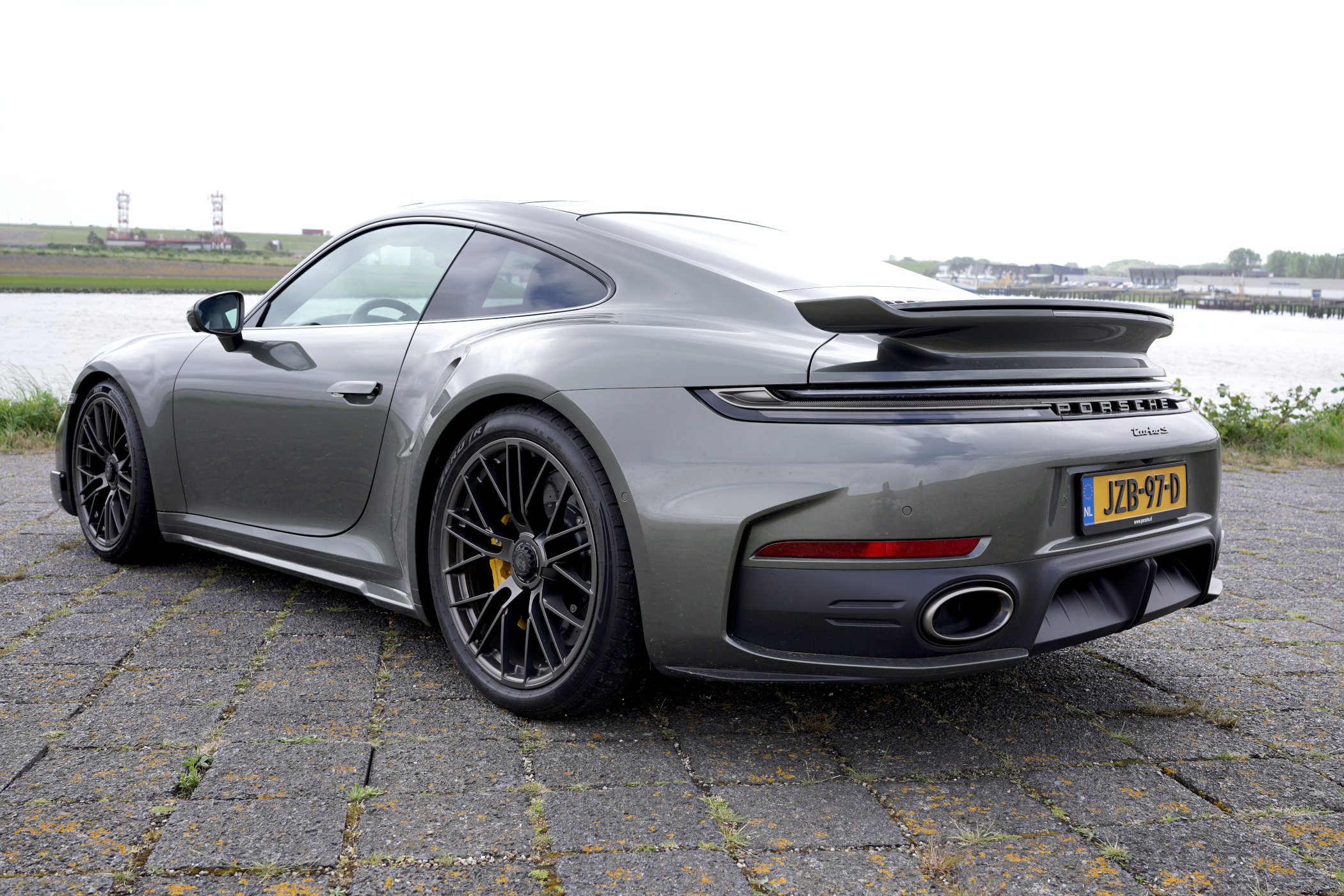
A fixed adjustable rear wing, wider wheel arches and pronounced rear bumper treatment give it a broader stance than a regular Carrera.
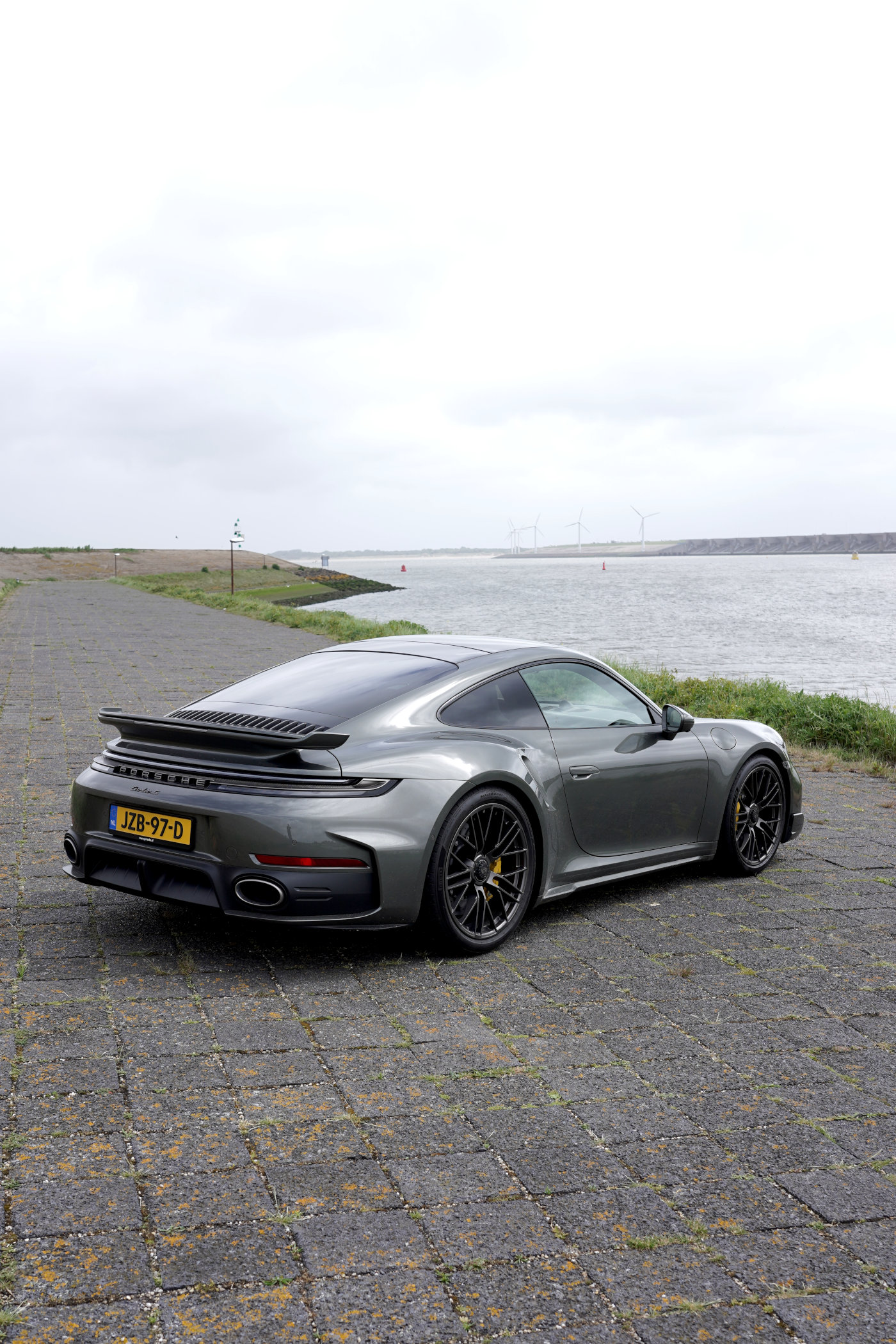
The air intakes ahead of the rear wheels remain a Turbo signature, while the front bumper incorporates vertical slats that open and close depending on cooling demand.
It’s a shape governed by airflow as much as theatre.
The standard exhaust exits through twin box-shaped tips, though Porsche also offers a titanium exhaust system with oval outlets.
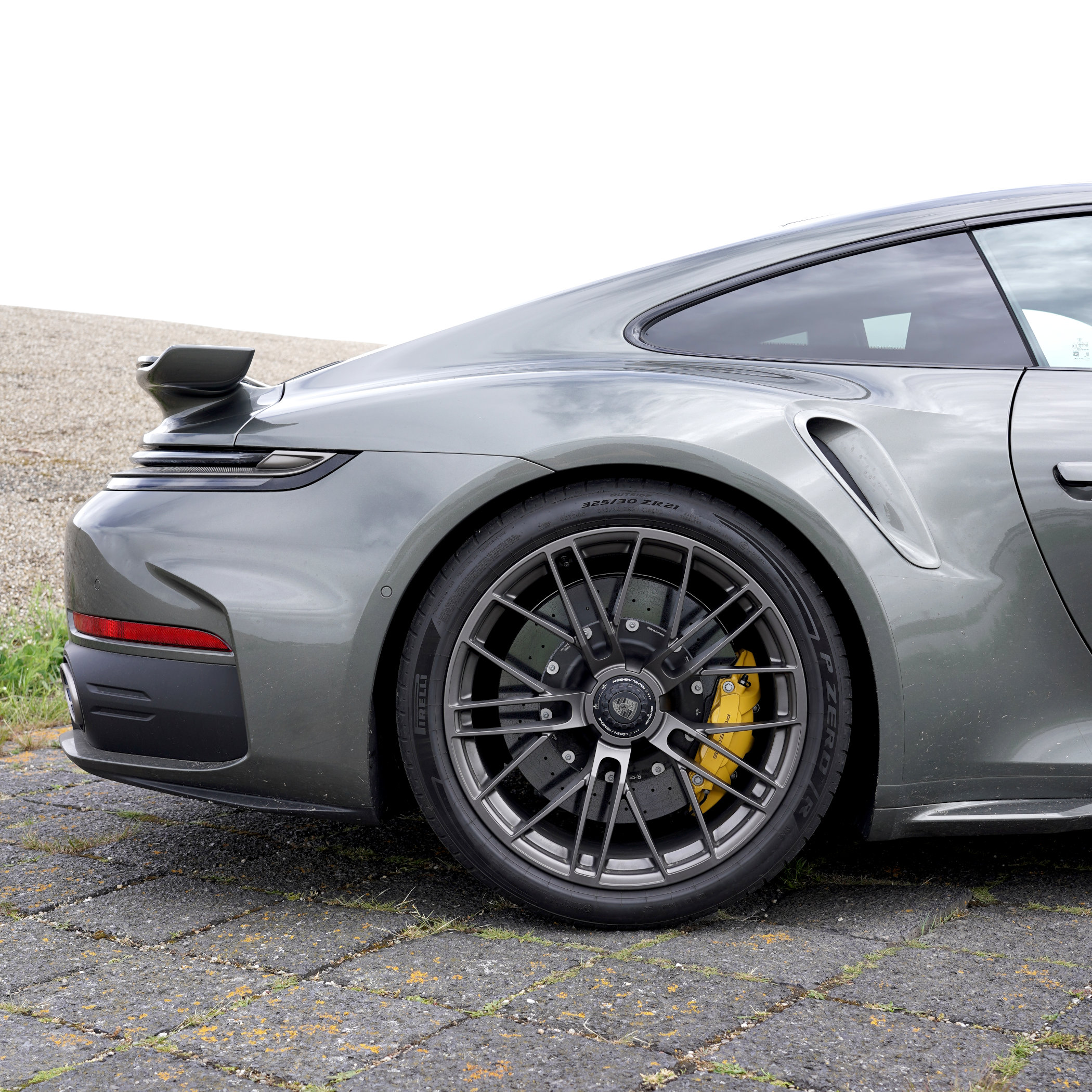
For many long-time 911 observers, the oval-tip layout will feel more naturally aligned with the Turbo S character.
Road manners that separate it from a GT3
The Turbo S occupies a different emotional lane from a GT3 or GT3 Touring.
Those cars are sharper, louder in character and more insistent, built around high-revving response and a level of stiffness that constantly asks the driver for more.
The Turbo S is not trying to play that role.
Its speed arrives with less drama, which makes it no less shocking.
Where a GT3 builds intensity through revs, noise and texture, the Turbo S compresses distance with a strange calmness.
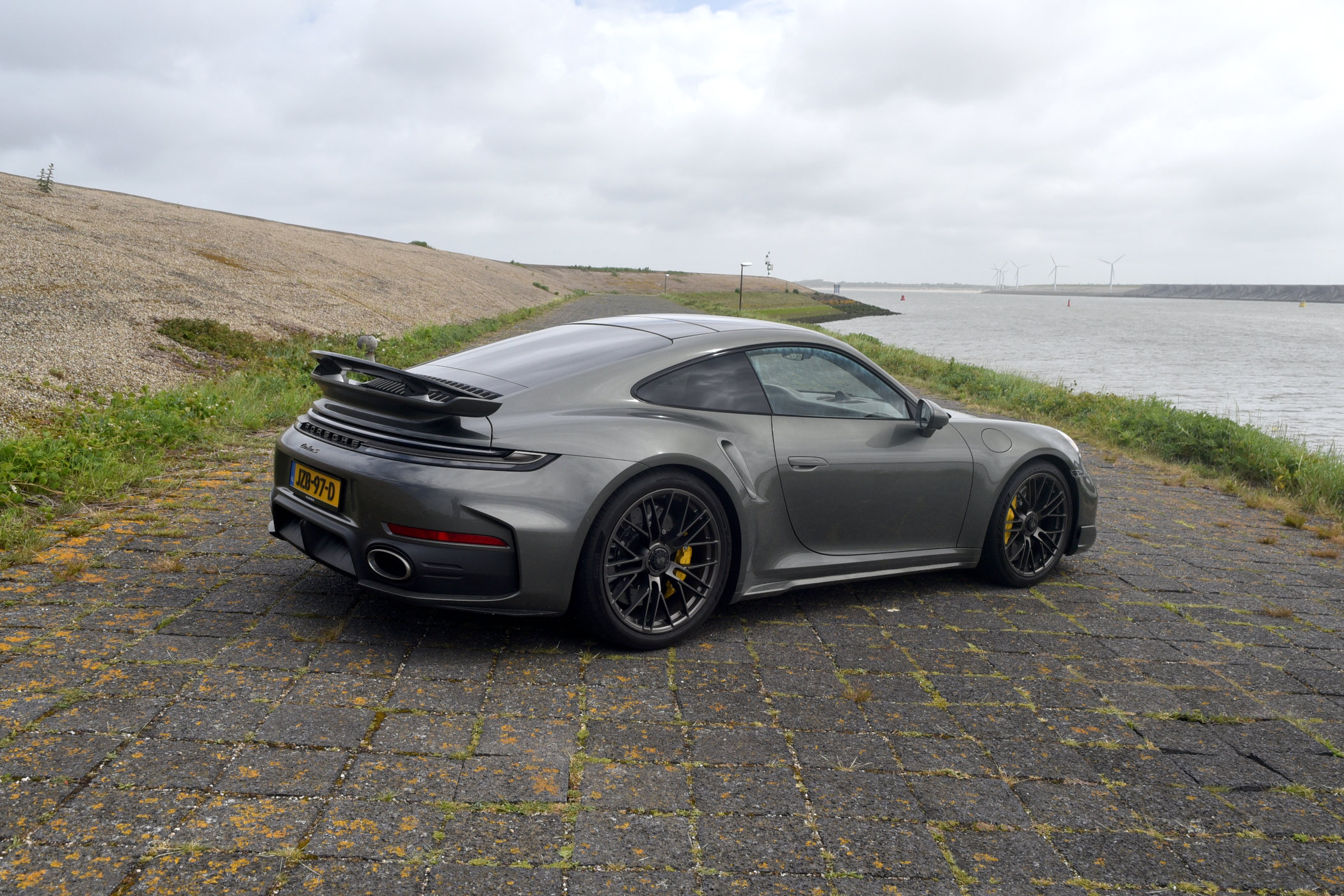
It can surge from ordinary motorway pace to deeply serious speeds with almost no sense of strain, while the chassis remains settled and reassuring.
That’s the essence of the modern Turbo S proposition.
It isn’t the most track-focused 911, nor is it the rawest, but it may be the most complete expression of Porsche’s everyday supercar idea.
Details & Specifications
| Brand | Porsche |
|---|---|
| Model | 911 Turbo S |
| Generation | 992.2 |
| Engine | 3.6-litre twin-turbocharged six-cylinder boxer with 400-volt T-Hybrid system |
| Output | 711bhp |
| Torque | 800Nm |
| Transmission | 8-speed PDK |
| Drivetrain | All-wheel drive |
| 0-100kph | 2.5 seconds |
| Top speed | 322kph |
| Brakes | Ceramic brakes as standard |
| Exterior identifiers | Fixed adjustable rear wing, rear-side air intakes, wider arches and active front cooling slats |
| Exhaust | Standard twin box-shaped tips, optional titanium system with oval tips |
The new 911 Turbo S makes its case by being brutally quick without demanding that every drive becomes an event.
For the driver who wants one 911 to commute, travel and demolish a stretch of open road with equal confidence, this may be the most persuasive Turbo S yet.