Porsche’s Macan strategy is taking a notable turn.
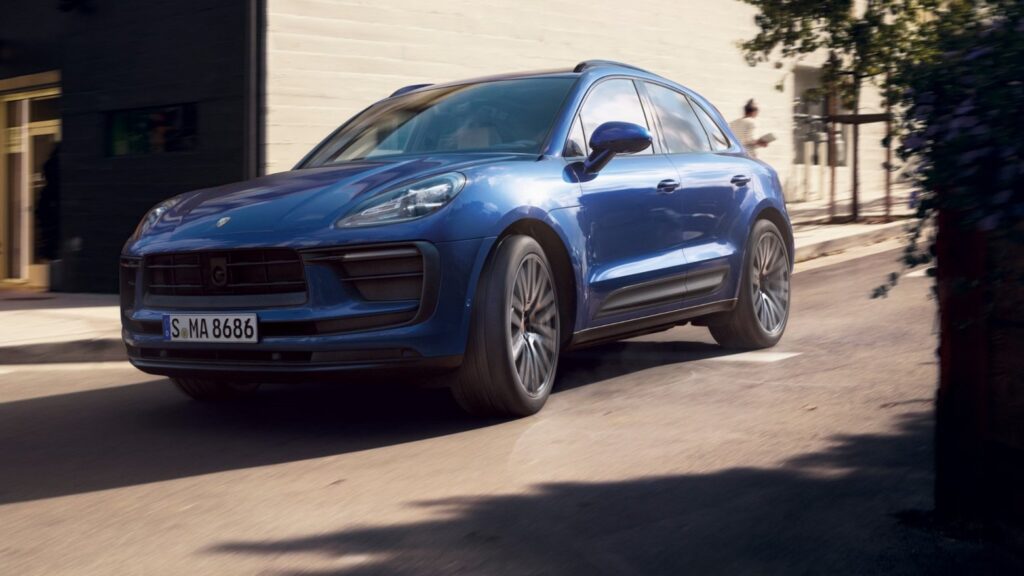
After moving the nameplate into an electric-only phase, the brand is preparing to bring back a petrol-powered Macan in 2028. It’s a decision that says as much about customer demand as it does about the complicated pace of electrification in the performance SUV market.
At a glance
- Porsche plans to reintroduce a petrol-powered Macan in 2028.
- The combustion model is expected to sit alongside the electric Macan rather than replace it.
- The move gives Porsche buyers a wider powertrain choice as demand shifts across global markets.
A combustion Macan returns to the plan
CEO Michael Leiters has confirmed that a combustion-engine version of the Macan will return in 2028, restoring petrol power to one of Porsche’s most important model lines.
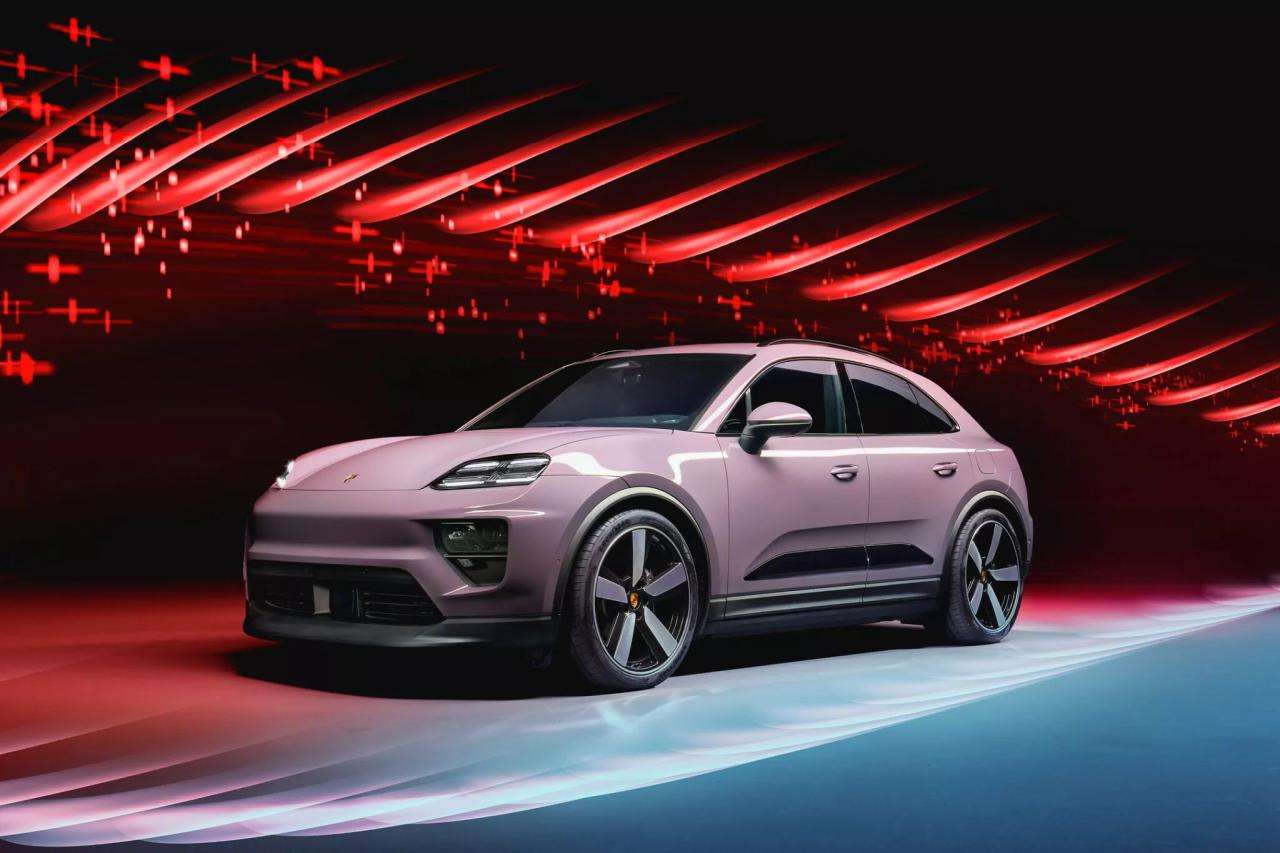
The Macan has long been a key entry point into the Porsche range, combining compact SUV practicality with the brand’s performance-led identity.
Its transition to an electric-only lineup marked a major step for Porsche, but the confirmed return of petrol power shows the company isn’t treating electrification as a one-speed shift across every market and every buyer group.
For many customers, especially those not ready to move into an EV, a petrol Macan keeps the model familiar without forcing a jump into a new ownership experience.
Petrol and electric will share the Macan name
The new combustion Macan is expected to be sold alongside the existing electric version, not as a replacement for it.
That distinction matters because Porsche appears to be moving away from a simple either-or approach.
Instead, the Macan range is being shaped around choice, with electric power serving customers ready for that transition and petrol remaining relevant for those who still value combustion performance, refuelling convenience or market-specific practicality.
Leiters has also made clear that Porsche doesn’t want to make unnecessary parallel investments in petrol and electric technology aimed at exactly the same buyer.
That points to a more careful product strategy, where each version of the Macan will need a clear reason to exist rather than merely doubling up within the same space.
What the move says about Porsche’s wider direction
The Macan decision fits into a broader recalibration among premium carmakers.
Electric models remain central to future planning, but customer adoption has not moved at the same pace in every region, segment or price band.
For Porsche, the result is a more flexible mix of powertrains rather than a hard break with combustion.
Leiters has indicated that petrol engines still have a role within the company’s portfolio, particularly higher up the range where driving character, performance expectations and buyer preference remain deeply tied to combustion power.
The Macan may be a crossover, but it carries serious strategic weight for Porsche.
Bringing back a petrol version gives the company room to protect one of its best-known nameplates while continuing to build momentum around the electric model.
Details & Specifications
| Brand | Porsche |
|---|---|
| Model | Macan |
| Planned version | Petrol-powered combustion model |
| Expected timing | 2028 |
| Positioning | Expected to sit alongside the electric Macan |
| Confirmed by | Porsche CEO Michael Leiters |
The revived petrol Macan won’t make Porsche any less serious about electric cars, but it does make the brand’s product planning look more pragmatic.
For buyers who want the size, usability and character of a Macan without committing to electric ownership, 2028 now looks like a year worth watching.