Porsche isn’t following Audi into American manufacturing, even as tariffs make European-built cars more expensive in the United States.
The decision says a lot about Porsche’s business model. For a brand built around tightly controlled production and a deep European supply chain, a US factory is less straightforward than it may appear from the outside.
At a glance
- Porsche has no plans to shift vehicle production to the United States despite rising import costs.
- CFO Jochen Breckner cited Porsche’s lower volumes and European supplier network as key reasons local assembly would be difficult to justify.
- European-built vehicles currently face a 15 percent US import tariff on top of the existing 2.5 percent base rate.
Porsche’s European production remains central
Porsche CFO Jochen Breckner has explained that the company doesn’t see a compelling case for building cars in the United States.

That puts Porsche on a different path from Audi, which has announced a $4 billion investment in a new factory in Georgia.
For Porsche, the issue is not simply whether American assembly could reduce tariff exposure.
The brand’s production volumes are relatively low, and much of its manufacturing ecosystem is tied to suppliers in Europe.
Even a US-built Porsche would still rely on engines and other components shipped across the Atlantic, limiting the practical benefit of final assembly in America.
Tariffs change the cost picture but not the strategy
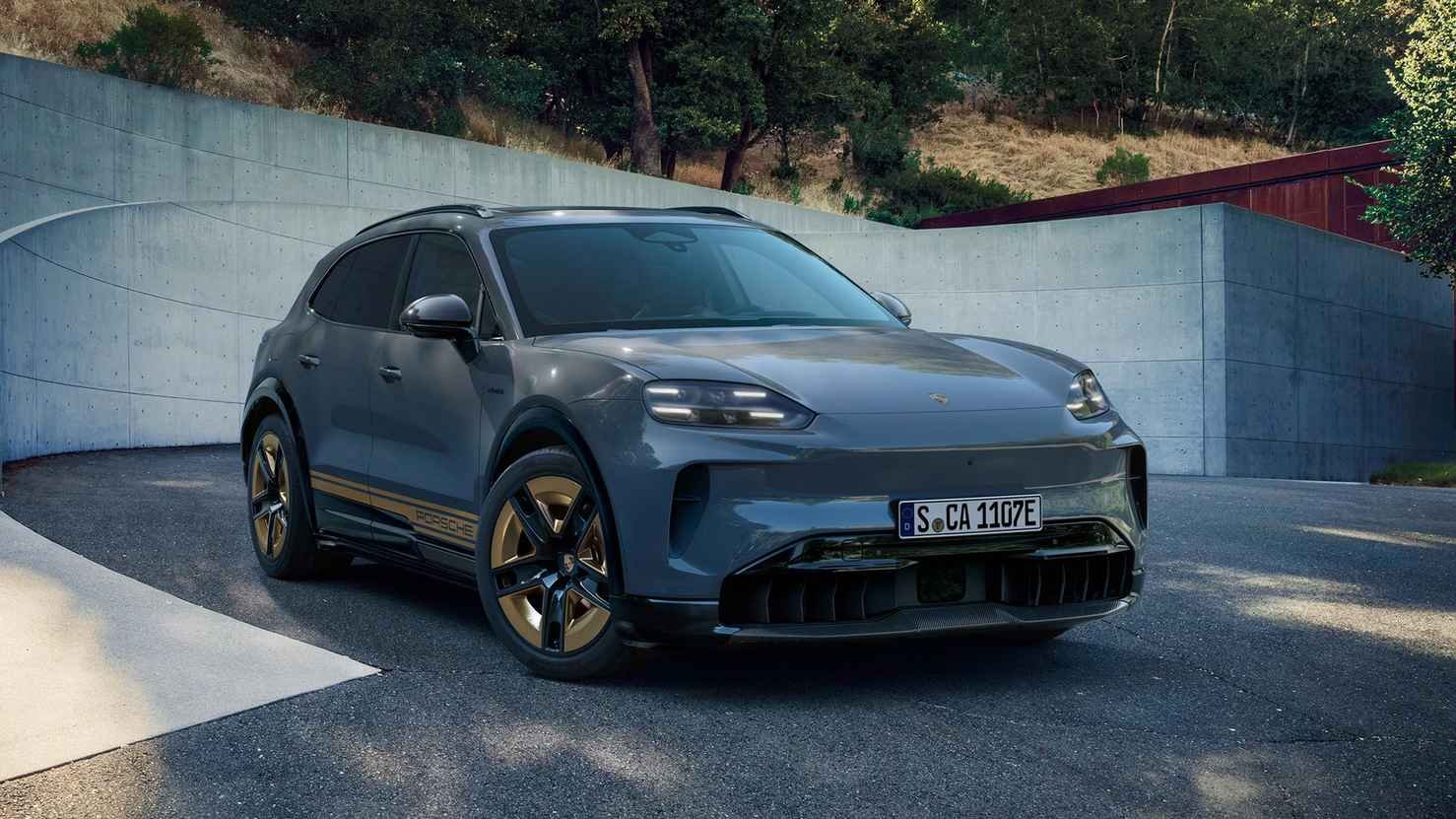
Porsche’s US lineup, including the Cayenne, will continue to be built in Europe and exported to American customers.
That decision comes with a clear financial burden.
European-built vehicles currently face a 15 percent US import tariff, in addition to the existing 2.5 percent base rate.
Breckner also indicated that Porsche is not planning around a quick reversal of those tariffs.
Instead, the company is basing its business planning on the current 15 percent rate, with tariff-related costs expected to reach the high hundreds of millions of euros in 2026.
Why Audi’s move doesn’t translate neatly to Porsche
Audi’s Georgia investment underlines how differently major Volkswagen Group brands can approach the same market pressure.
For a higher-volume brand, local production may offer scale advantages that help absorb factory investment and simplify market access.
Porsche operates in a narrower, more specialised part of the market, where production complexity and supplier integration carry different weight.
The company’s reluctance to localise US production also reflects how much of Porsche’s identity remains connected to its European manufacturing base.
For American buyers, the immediate takeaway is more practical than romantic.
Porsche is choosing to absorb and manage the tariff challenge rather than redraw its manufacturing footprint around it.
That may keep the brand’s production strategy intact, but it also confirms that US customers will continue to buy European-built Porsches in a more expensive import environment.