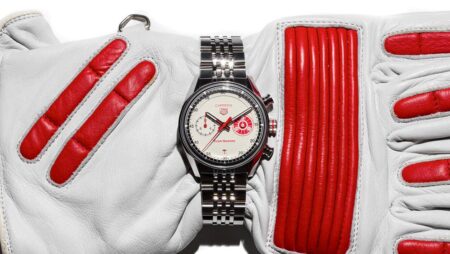
The recent return of pendant, pocket, desk and transforming watch formats has made one thing clear, a watch does not need to live on the wrist to be interesting.
Some of the most memorable examples are playful, others are technically serious, but the strongest ones use the alternative format as part of the idea rather than as a gimmick.
Swatch and Audemars Piguet take Royal Oak cues off the wrist
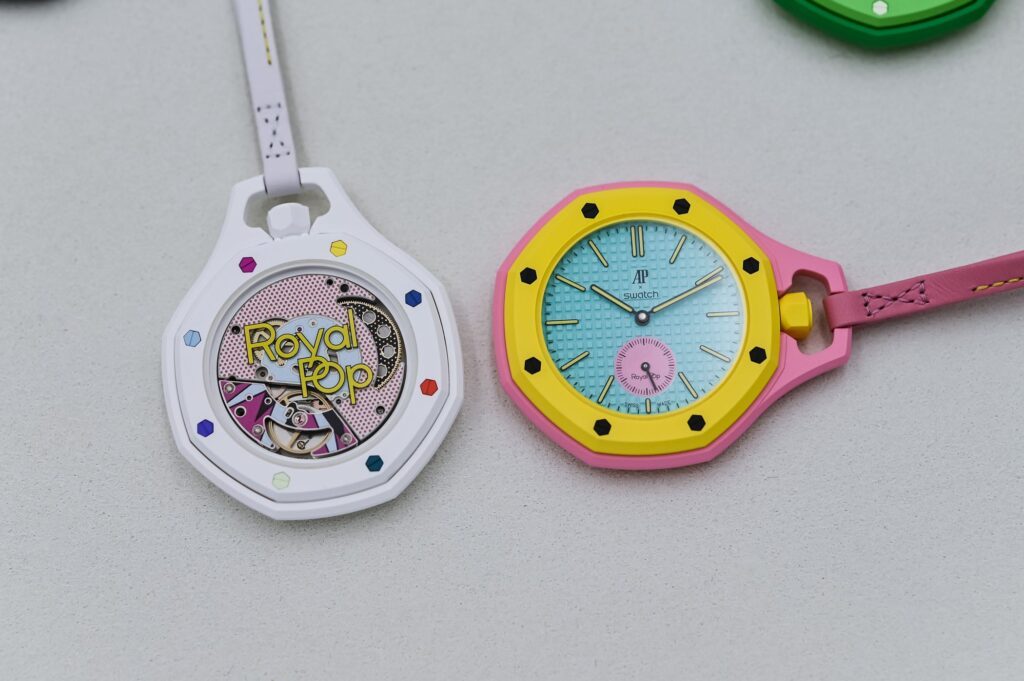
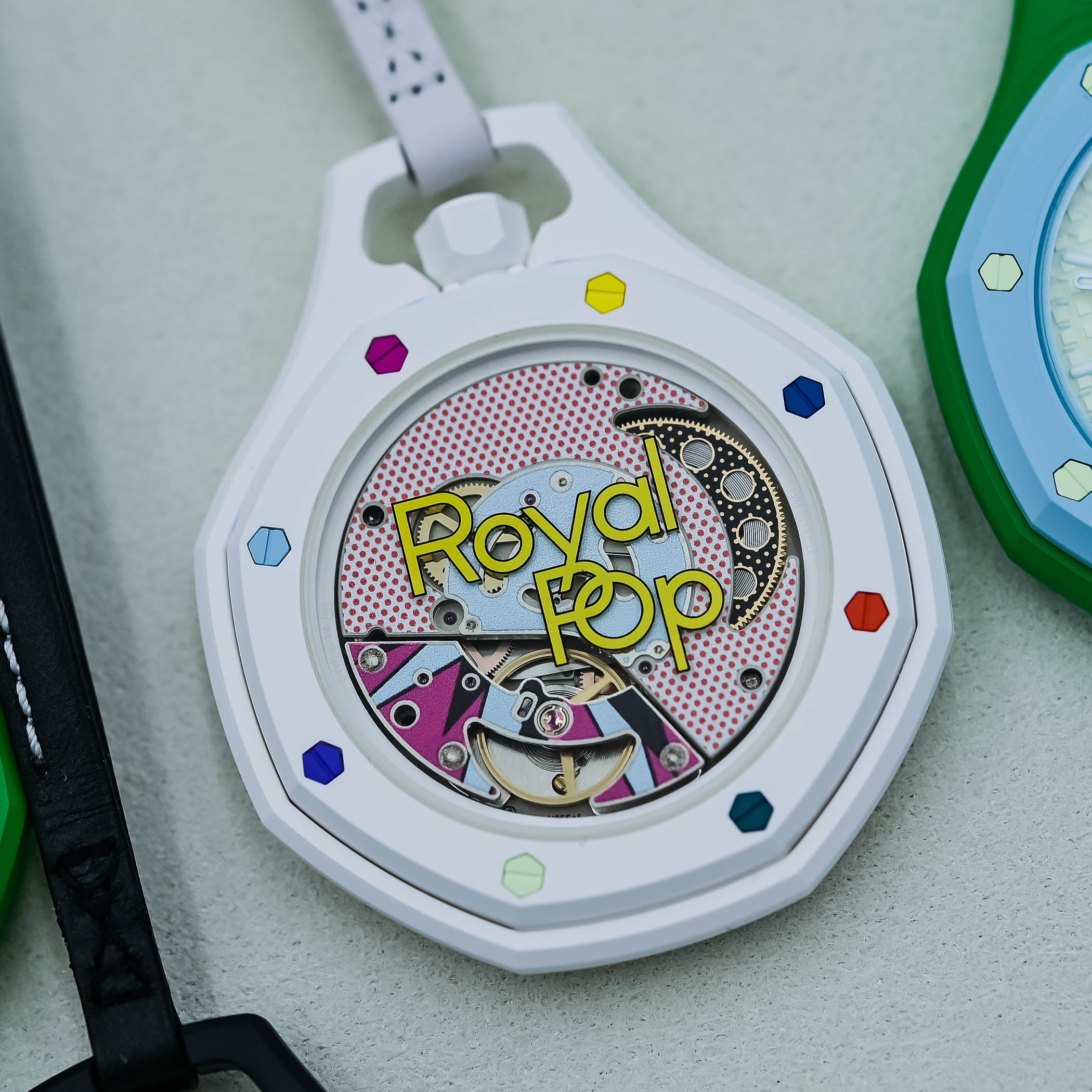
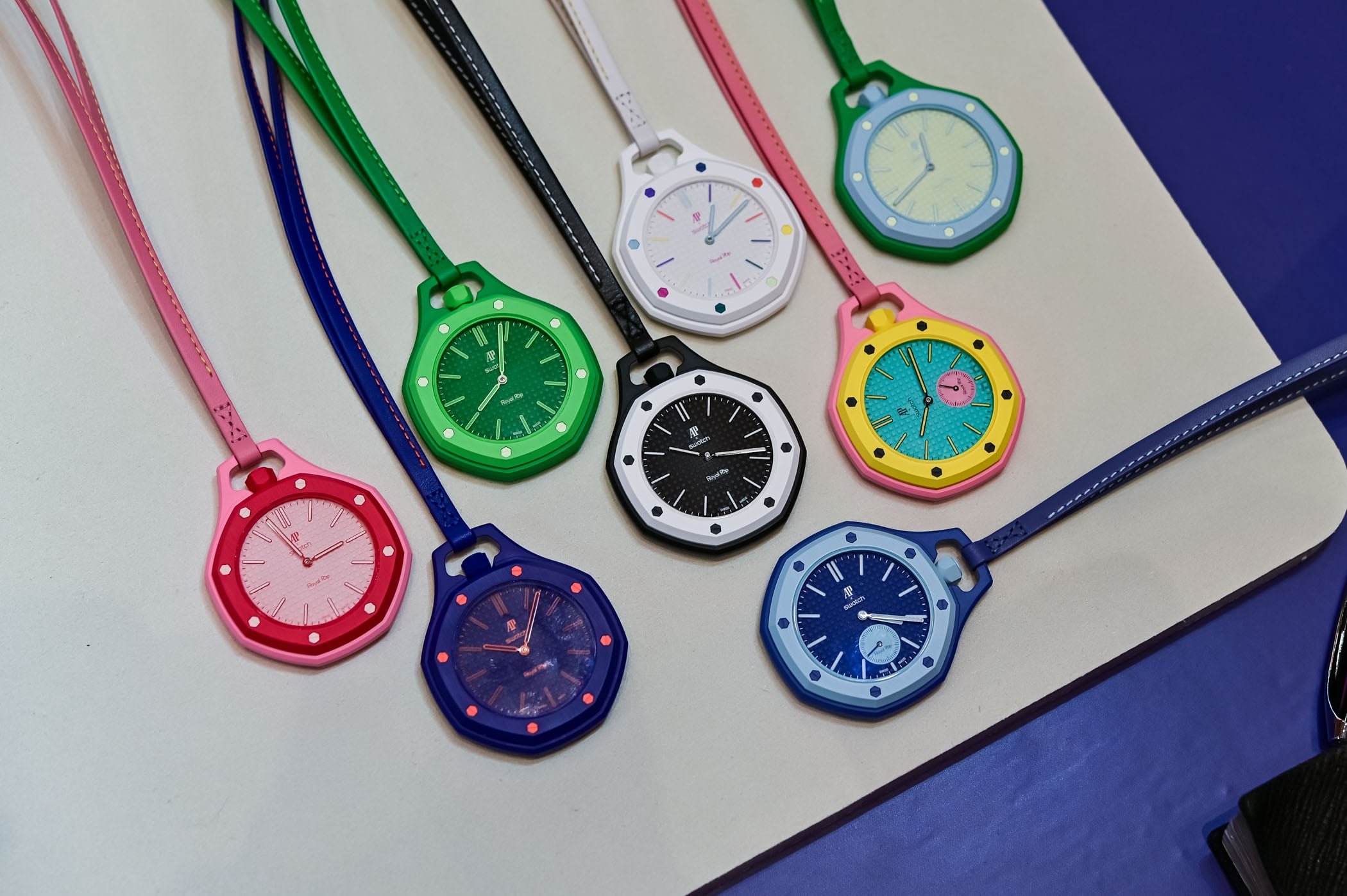
The Swatch x Audemars Piguet Royal Pop is the most accessible watch in this group, with a Pop-style construction that can be worn as a pendant, carried as a pocket watch, clipped as a keychain or set up as a small desk clock.
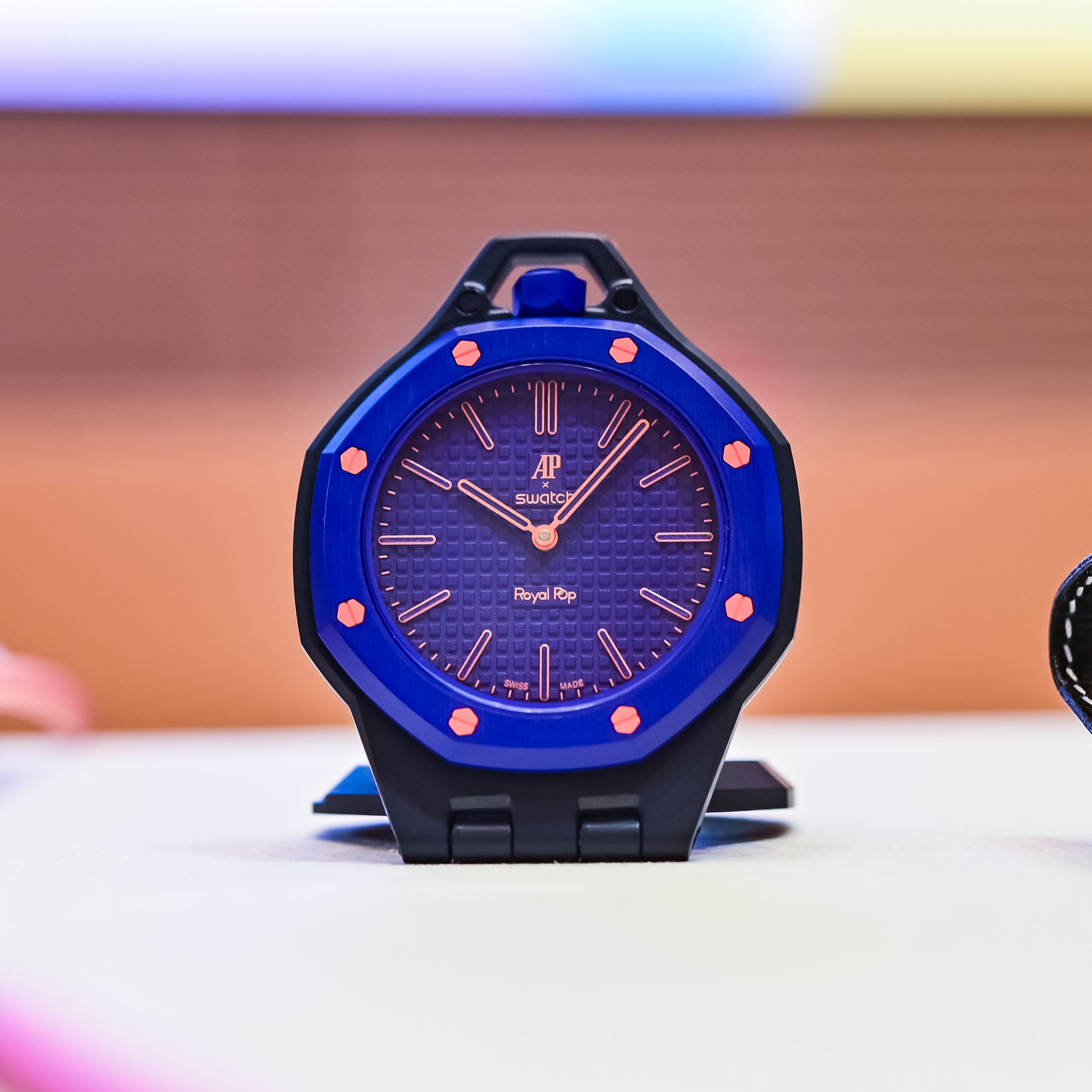
Its appeal is deliberately direct, pairing Royal Oak design codes with Swatch’s modular attitude and a format that lets the owner decide how the watch is carried.
There are two models across eight variations, with the Savonnette-style hour-and-minute version priced at EUR 385 and the Lépine-style hour-minute-seconds version at EUR 400.
Volan brings the keychain watch back with mechanical charm
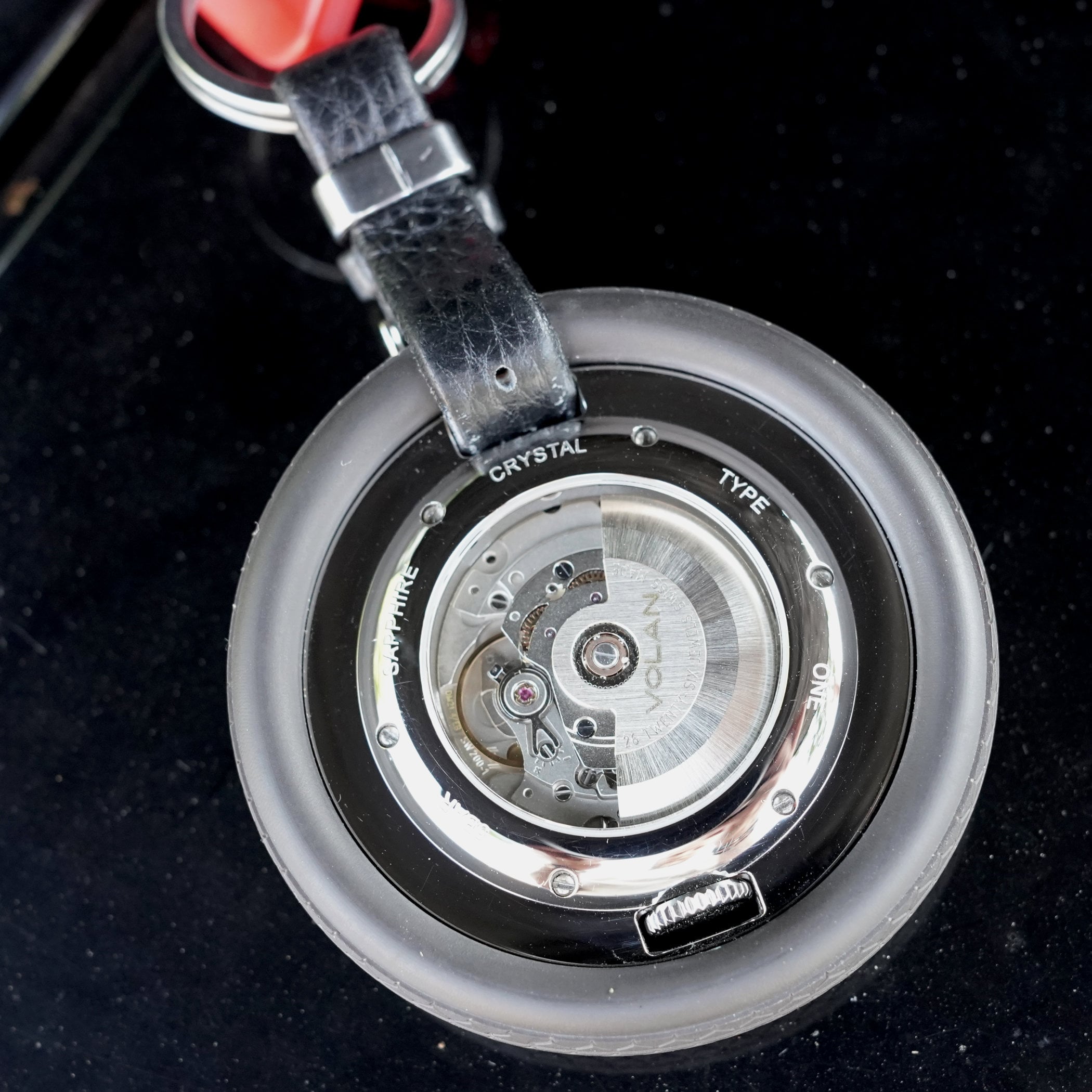
Diederik van Goolen’s Volan Type One revisits the tyre watch concept of the 1950s and reframes it as a small mechanical object for keys, pockets or bags.
The tyre version uses a rubber bumper with tread detailing, while the yachting model uses layered teak and beech wood to suggest the deck of a boat.
Both versions have black or white time-only dials, mechanical movements and a price of EUR 950, which keeps the idea fun without pushing it into precious-object territory.
Bovet and Hautlence turn conversion into theatre
The Bovet Monsieur Bovet is the most classical convertible watch here, moving from wristwatch to pocket watch, pendant or desk clock through a pusher-operated strap system.
It is also reversible, with a complete dial on one side and an offset display with exposed mechanics on the other, both driven by a single integrated movement.
The turquoise execution is unapologetically bold, while the broader collection includes a teal blue model and bespoke possibilities, with pricing starting at USD 60,000.
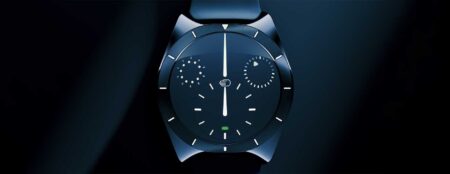
Hautlence took a far more surreal route with the Retrovision 85, a sizeable 3D-printed titanium watch that detaches from its holder and becomes a small mechanical robot.
Limited to eight pieces and priced around USD 100,000 at launch, it combines a wandering-hours display with a visible tourbillon and sits closer to kinetic horological sculpture than conventional wristwear.
Delma makes the removable case useful underwater
The Delma Quattro Limited Edition is the practical counterpoint, a 500-meter dive watch whose case can be removed from its wrist cradle and attached to a plate with dual decompression tables.
Its Rapid Bracelet Exchange System works with the logic of a camera lens mount, so the conversion feels like a tool function rather than a novelty flourish.
The limited run of 999 pieces arrived in six color combinations, with some versions still offered at EUR 2,299.
Taken together, these watches show that non-wrist formats can still carry real horological purpose, especially when the change in form also changes how the watch is worn, displayed or used.