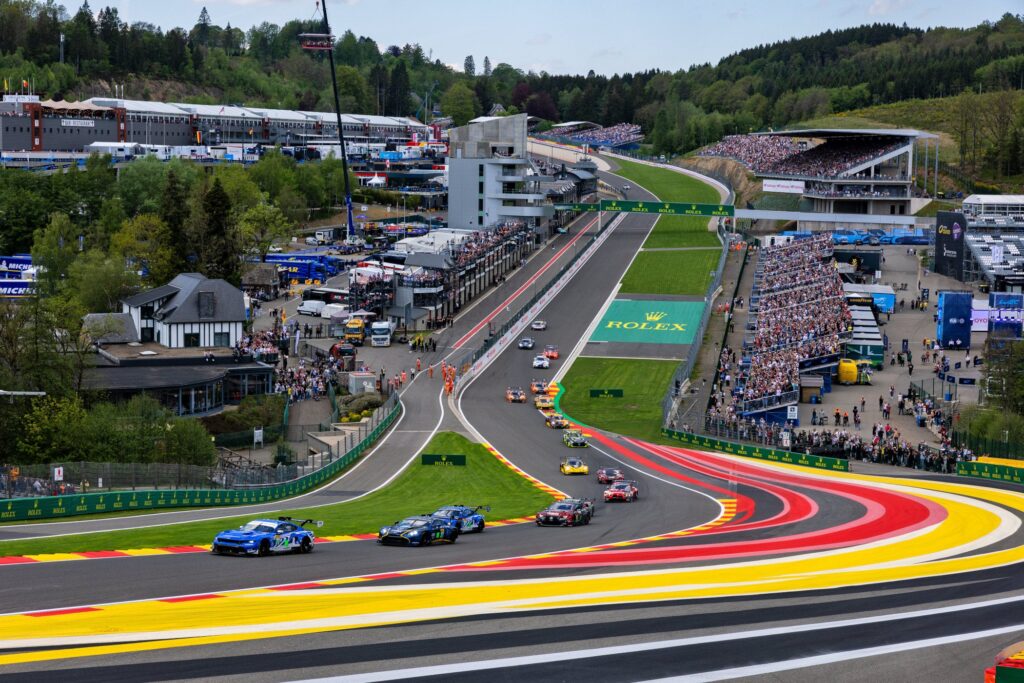
The World Endurance Championship arrived at Spa-Francorchamps with Le Mans looming, and the 6 Hours of Spa delivered the kind of race that explains why endurance racing is having a serious moment.
On a circuit that punishes hesitation as much as overconfidence, the mix of Hypercars and LMGT3 entries produced a race full of strategy, traffic, changing momentum and late drama.
Spa proved the perfect stage before Le Mans
Spa-Francorchamps remains one of motorsport’s great tests, stretching 7.004 kilometres through the Ardennes with icons such as La Source, Eau Rouge, Raidillon and the Kemmel Straight.
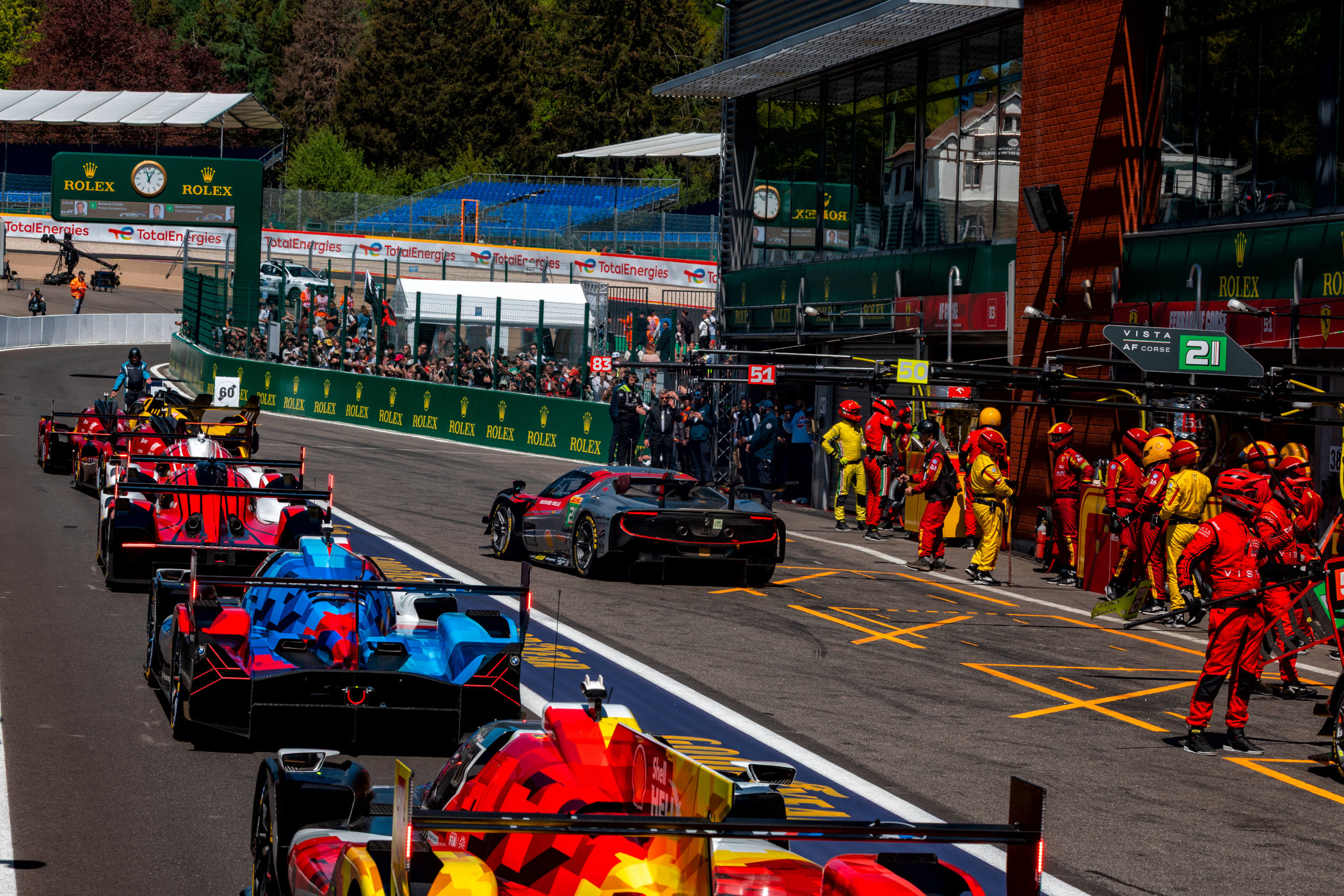
It is fast, technical and often unpredictable, with weather that can make one sector dry while another becomes treacherous.
That character suits the WEC particularly well, because endurance racing is not only about outright pace but also about traffic management, pit timing, tyre life and composure under pressure.
Hypercar depth is changing the championship
The top class is now stacked with manufacturer interest, with names including BMW, Toyota, Ferrari, Aston Martin, Alpine, Peugeot, Cadillac and Genesis shaping one of the strongest grids in modern sports car racing.
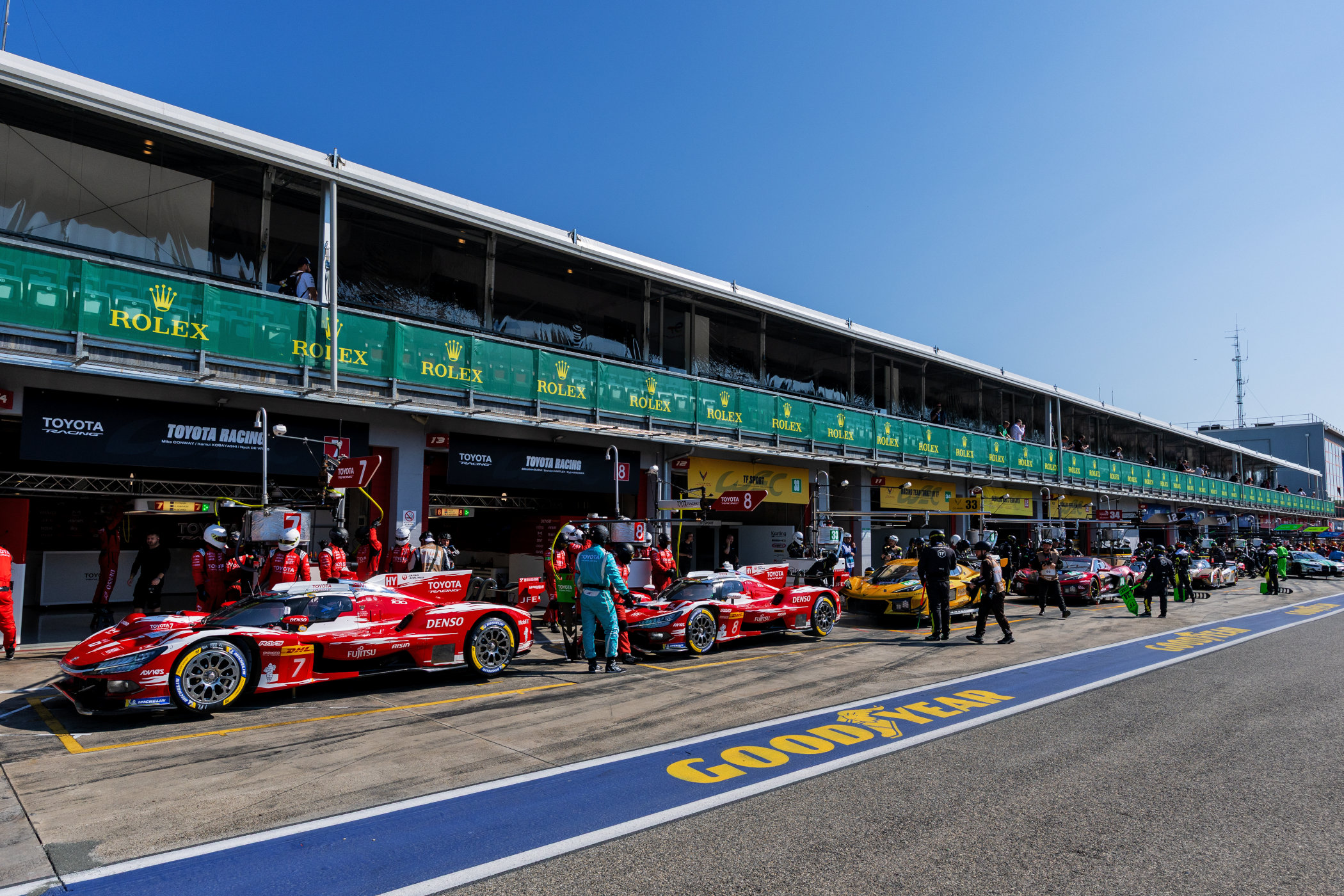
At Spa, qualifying already hinted at the depth of the field, with Peugeot, Cadillac and Alpine all showing front-running speed before the race settled into a much more complicated contest.
Cadillac looked strong early, Peugeot was in the fight, Ferrari and Toyota remained dangerous, and the Belgian WRT BMW squad ultimately turned the race into a home triumph.
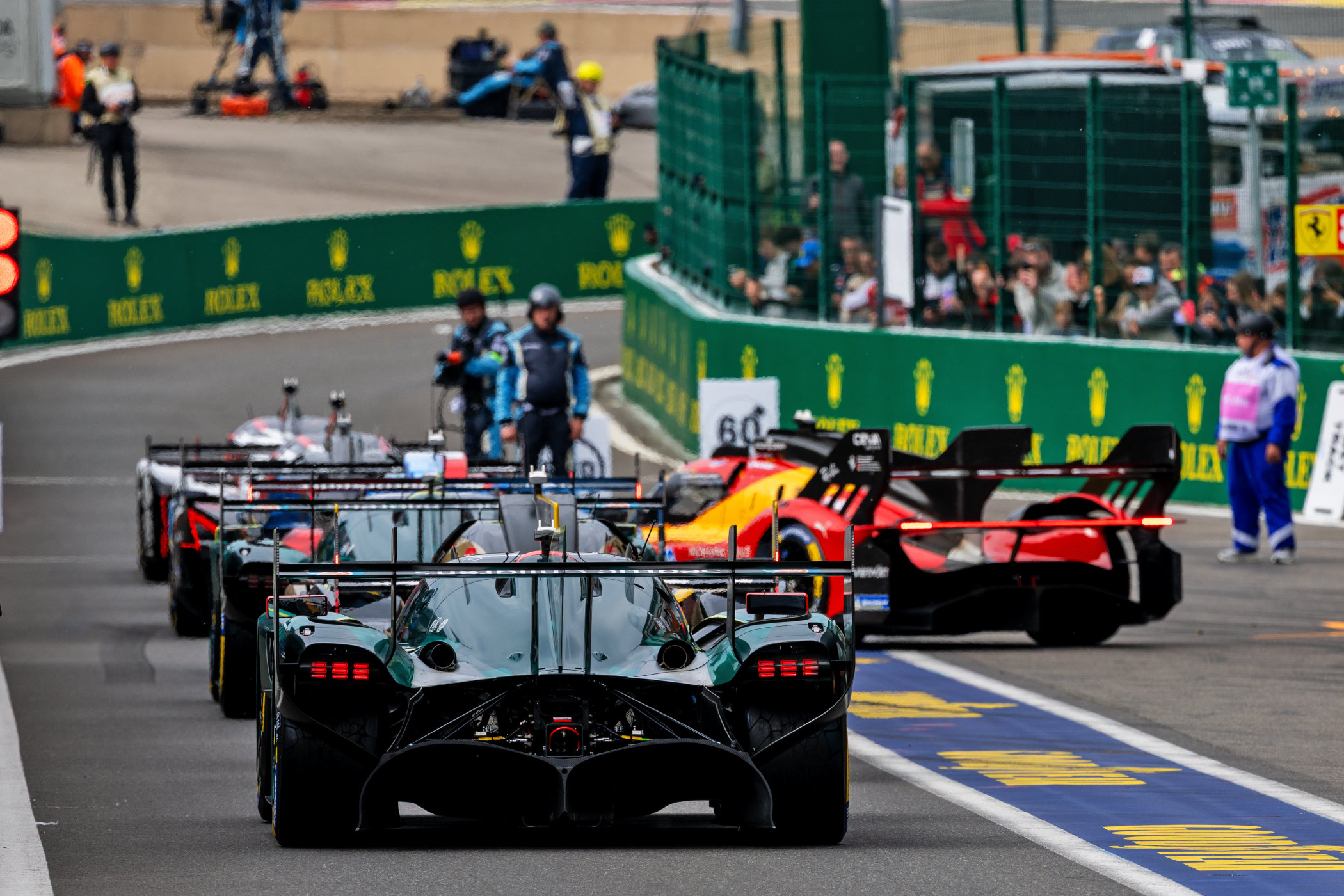
The closing stages were exactly what the championship needs, with safety cars compressing the field and BMW, Ferrari and Aston Martin all playing a part in a tense fight at the front.
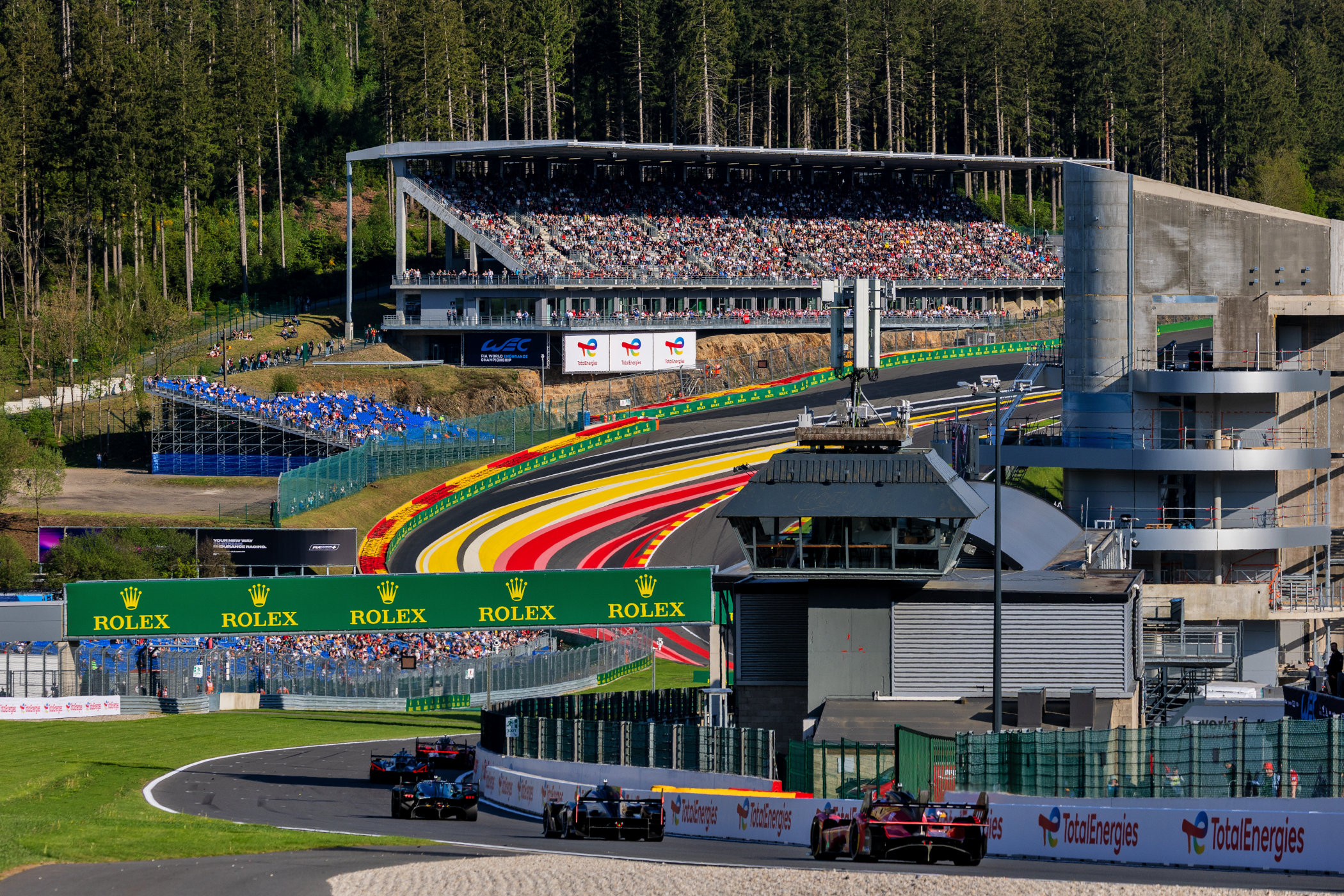
BMW’s home one-two carried real weight
BMW M Team WRT converted the chaos into a landmark result, taking first and second on home soil after a race that refused to settle until the final phase.
Robin Frijns helped bring the leading BMW home, while Kevin Magnussen was part of the sister car’s push as the team held off pressure from Ferrari.
The Hypercar podium put BMW first and second, with Ferrari AF Corse completing the top three, a result that underlined how quickly momentum can swing in this championship.
GT3 traffic made the race sharper, not messier
The LMGT3 class added another layer to the spectacle, not as background noise but as a constant strategic variable for the faster Hypercars.
Multi-class racing is at its best when the slower class has its own battle while also forcing the prototypes to take risks at precisely the wrong moments.
Garage 59 took the LMGT3 victory with the McLaren 720S GT3 EVO, ahead of the Heart of Racing Team Aston Martin Vantage AMR GT3 EVO and The Bend Manthey Porsche 911 GT3 R.
That class result mattered on its own, but it also shaped the Hypercar race through traffic, incidents and restart tension.
The watch world’s natural motorsport connection
For a watch audience, endurance racing has always held a particular pull because it treats time as an active opponent rather than a backdrop.
Rolex’s presence in the paddock fits that culture neatly, and Toyota Gazoo Racing driver Nyck de Vries brings an interesting modern profile to the brand’s motorsport circle.
De Vries has moved through elite categories including Formula 1 and endurance racing, and that kind of career reflects why the WEC feels so compelling now.
It is a championship where factory teams, former single-seater stars, GT specialists and prototype veterans all have to share the same asphalt and solve the same six, eight or twenty-four-hour problem.
With Le Mans next on the horizon, Spa did more than offer a strong weekend of racing.
It made the case that the WEC is no longer a niche alternative to other major championships, but one of the most layered, competitive and watchable forms of motorsport anywhere.