Wellness travel has become very good at offering structure, from sleep retreats to breathwork sessions and cold-water rituals.
New Zealand makes a different argument. Its most restorative quality is not a programme but the way the country lets space, silence and landscape do the work.
At a glance
- New Zealand stands out as a wellness destination because it offers natural restoration without over-scheduling the experience.
- Geothermal valleys, cold lakes, native forest, dark skies and Fiordland’s scale give the country an unusually elemental appeal.
- As luxury travellers increasingly plan trips around rest and emotional recovery, slower New Zealand itineraries feel especially relevant.
Wellness without the programme
The global wellness travel market is expanding quickly, with forecasts pointing toward major growth over the next decade.
Luxury travellers are now actively looking for trips that help them sleep better, feel calmer and return home less depleted than when they left.
That shift is understandable, but it has also made wellness feel busy.
There are itineraries for almost every kind of recovery, yet the thing many travellers need most is often the absence of instruction.
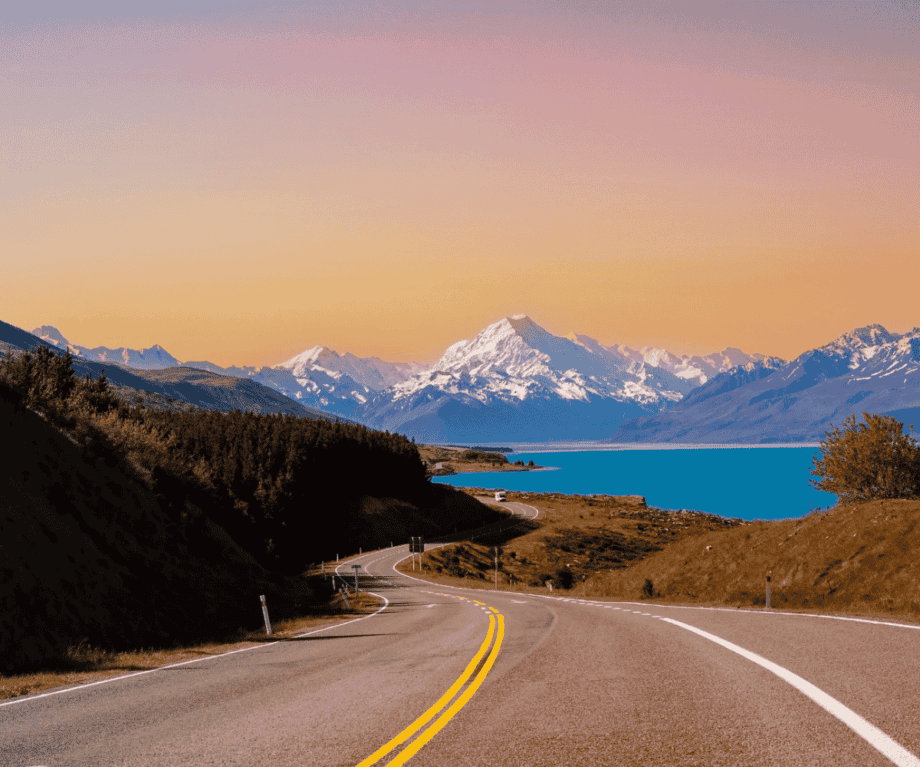
New Zealand’s advantage is that it doesn’t have to manufacture stillness.
It already has the ingredients that many wellness resorts try to recreate, including open air, quiet water, ancient forest, thermal heat, cold immersion and vast night skies.
The elemental pull of New Zealand
The country’s restorative force is geographical before it is luxurious.
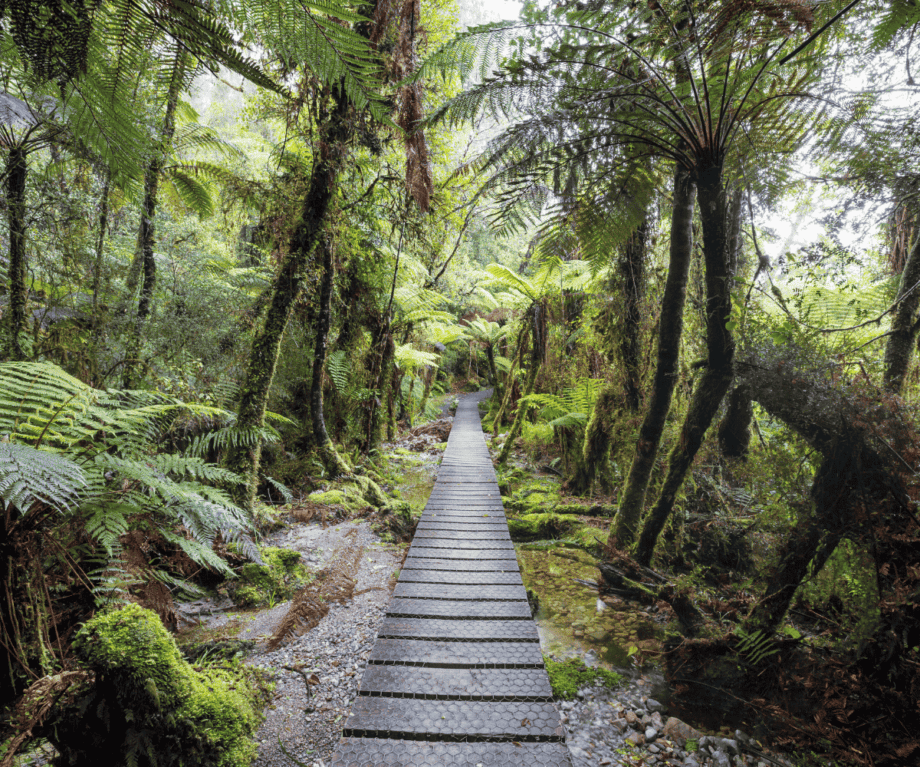
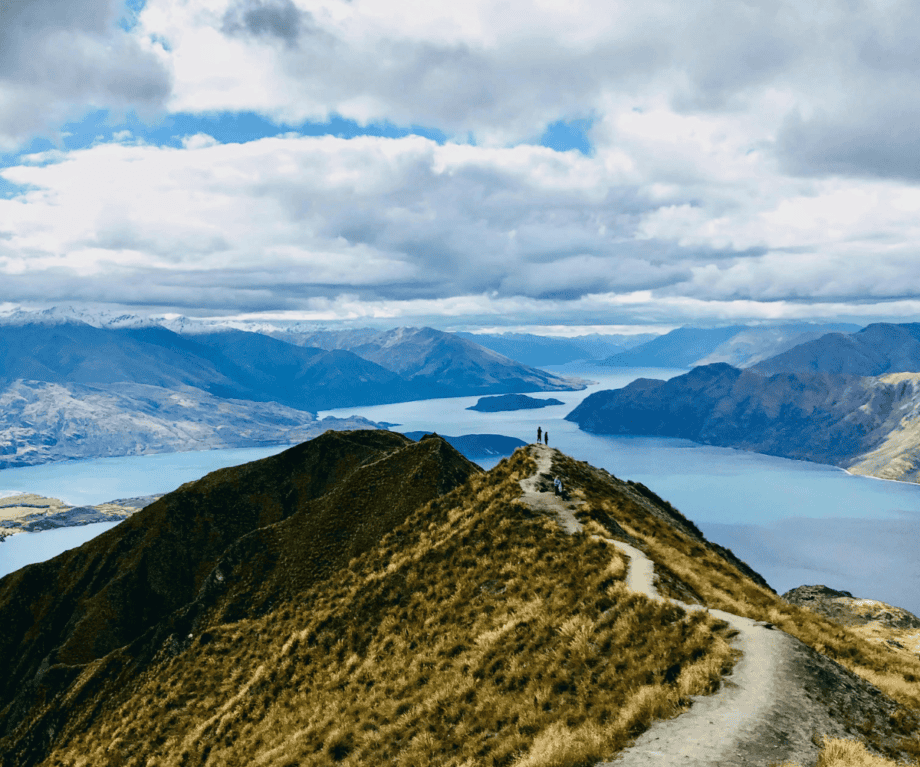
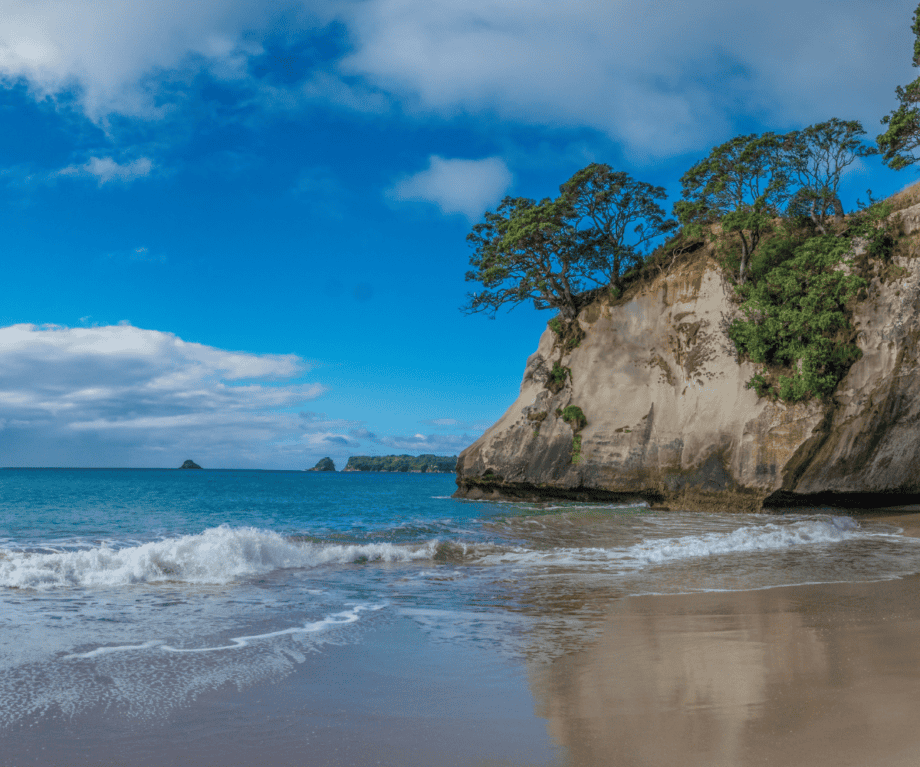
A single journey can move from native bush to a geothermal valley, from alpine lake to empty coastline, from misty fiord to high-country darkness in a way that feels unusually natural.
Rotorua is a clear example of this layered appeal.
Travellers often arrive for geothermal landscapes and Māori culture, but the place also has a physical atmosphere that slows the body down.
Steam rises from water, birdsong moves through the trees and the warmth in the air gives the region a character that is difficult to separate from the experience of being there.
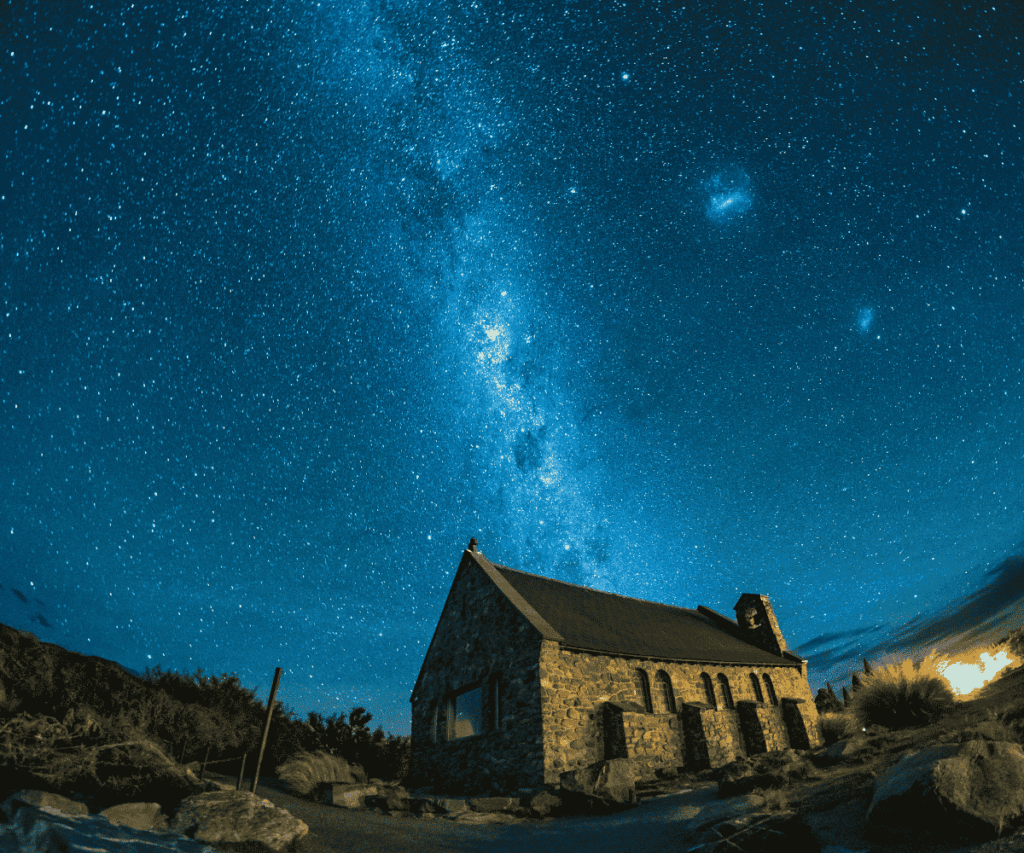
The Mackenzie Basin offers a different kind of restoration.
Its night skies are famously dark, and the effect of standing under that scale of stars is closer to silence than spectacle.
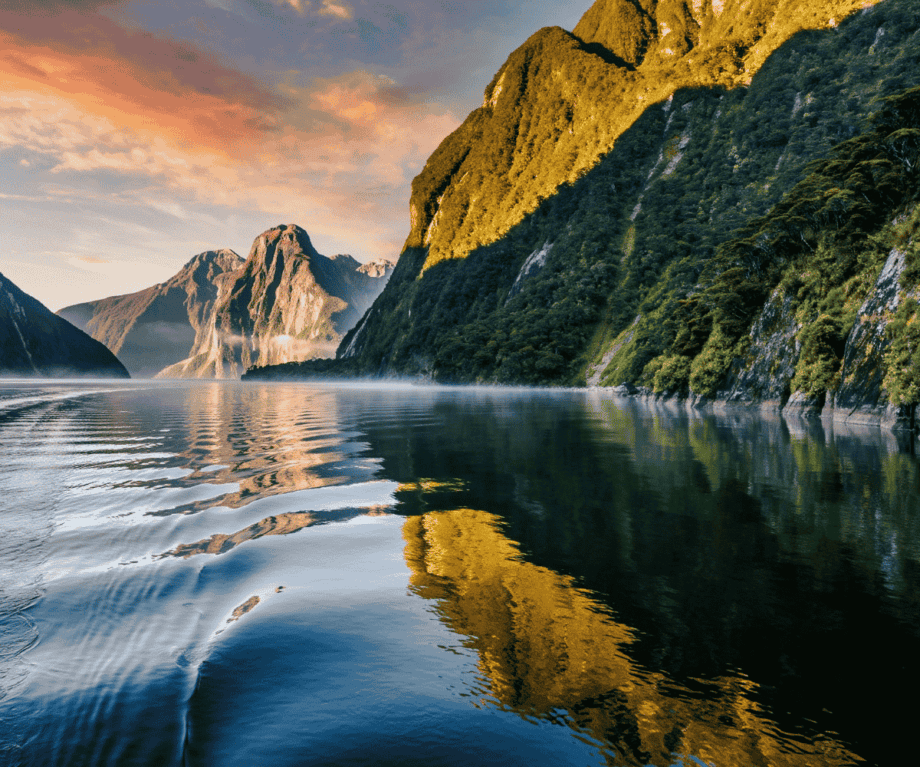
Then there is Fiordland, where wellness is not soft or decorative but immense.
Milford Sound in the early morning has the kind of stillness that makes conversation feel unnecessary, with mountains reflected in water so calm that the boundary between landscape and mirror begins to disappear.
The luxury of going slower
The best way to experience New Zealand as a wellness destination is not to cover more ground.
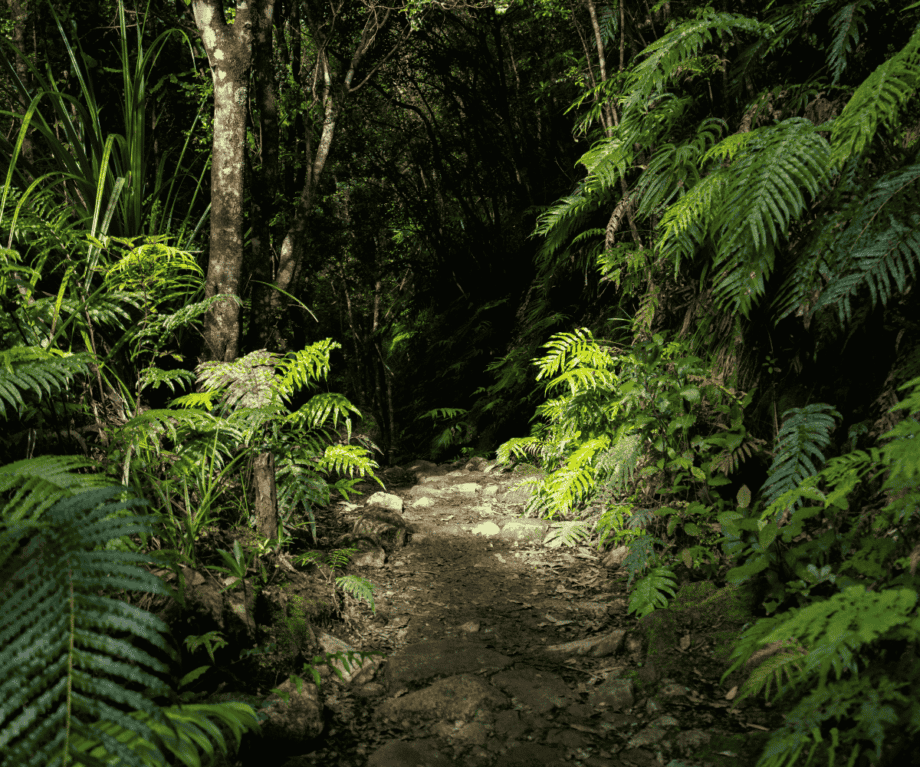
It is to cover less of it with greater attention.
Restorative travel here depends on room inside the itinerary.
Fewer destinations, longer stays and private guiding can remove the small pressures that quietly drain a trip, from driving and navigation to the constant question of what happens next.
That freedom matters because exhaustion is rarely solved by adding another appointment.
It is more often eased by beauty in the immediate environment, a reduction in decisions and enough time for the day to find its own rhythm.
In New Zealand, that might mean lingering over a lakeside lunch, staying another hour because the light has shifted, or taking a cold swim without turning it into a performance metric.
The wellness is not absent just because it is unbranded.
It is often stronger because no one is asking the traveller to improve, optimise or achieve anything.
Who New Zealand wellness travel suits
New Zealand will appeal most to travellers who want luxury to feel discreet rather than choreographed.
It suits people who value expert logistics, excellent lodges and meaningful cultural context, but who don’t want every hour converted into an activity.
It is also a compelling choice for travellers who feel tired of wellness as another form of productivity.
The country’s best experiences encourage a return to basic sensory attention, with cold water, clean air, open views and quiet meals doing more than another packed schedule could.
That doesn’t mean New Zealand lacks refinement.
Its strength is that refinement can sit behind the scenes while the landscape remains the central experience.
For travellers planning around rest rather than accumulation, New Zealand’s greatest luxury may be its confidence in leaving enough alone.