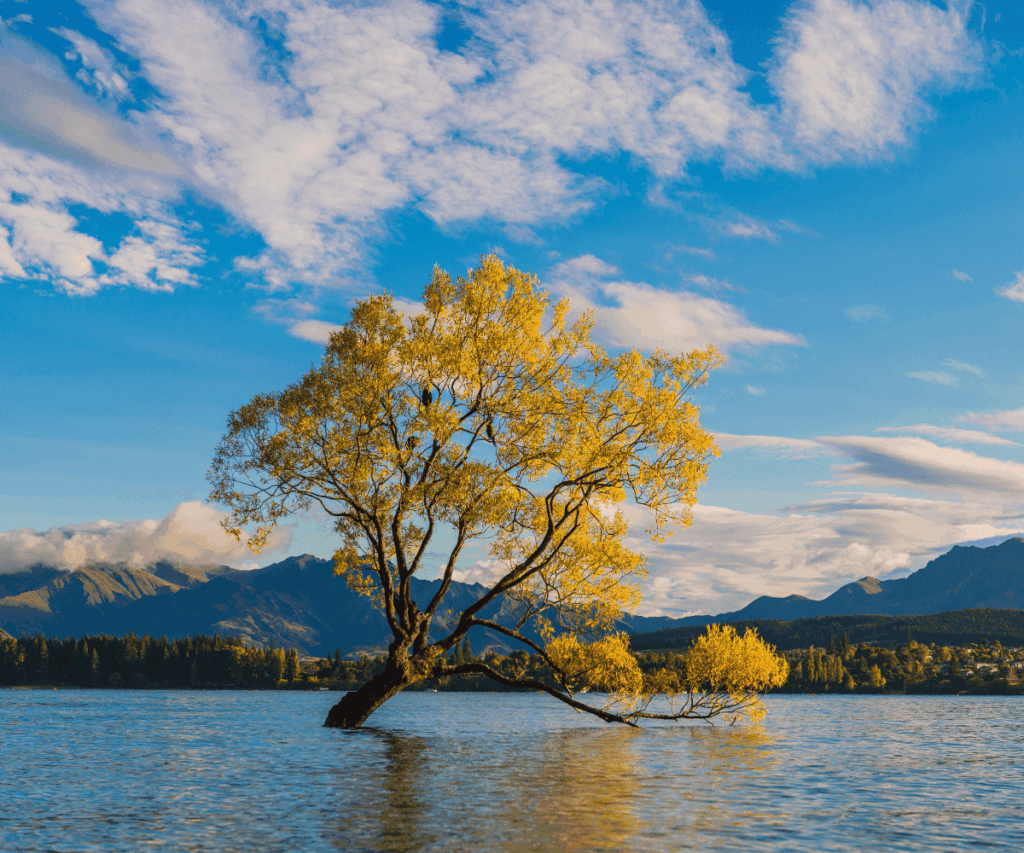
Summer may be the obvious starting point for a first New Zealand itinerary, but autumn makes a strong case for itself.
March, April and May each bring a different version of the country, with warmer days lingering at the start of the season and a sharper alpine mood arriving by the end.
For travellers who care about wine, food, walking, cycling and quieter pacing, autumn can feel less like a compromise and more like the smarter choice.
At a glance
- Autumn in New Zealand runs from March through May, with each month offering a distinct travel mood.
- Highlights include Marlborough vintage, Central Otago colour, Bluff oysters and dark-sky viewing in the Mackenzie.
- Virtuoso has reported autumn bookings up 59% year on year, reflecting a wider shift away from traditional peak months.
March keeps some of summer’s ease
March is the month to consider if you still want warmth, outdoor time and a sense of summer without travelling during the main holiday rush.
In the north, warm days often continue and swimming can still be realistic.
Further south, March can be a rewarding month for walking, cycling and spending long stretches outside.
It’s also an especially interesting time in wine country.
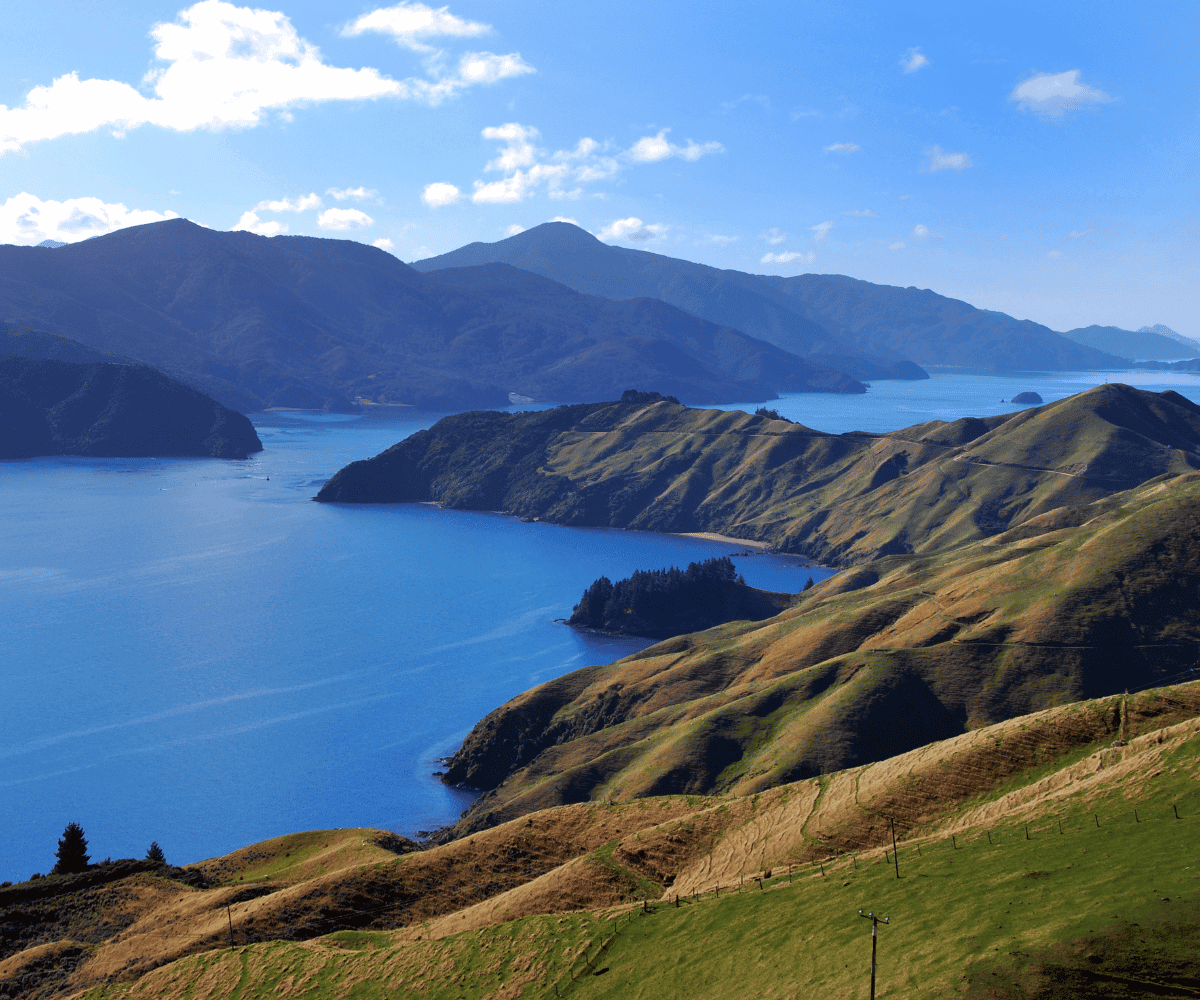
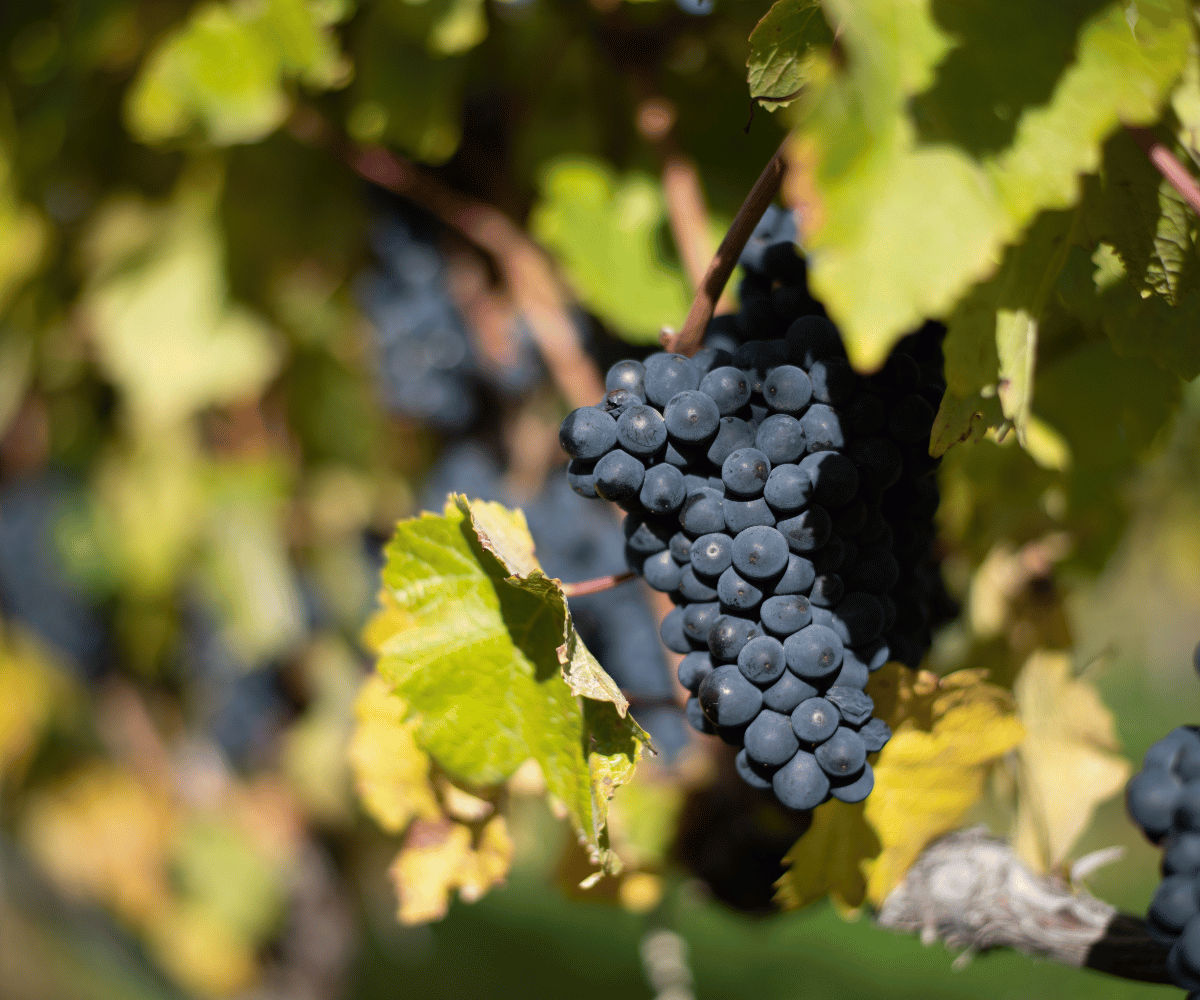
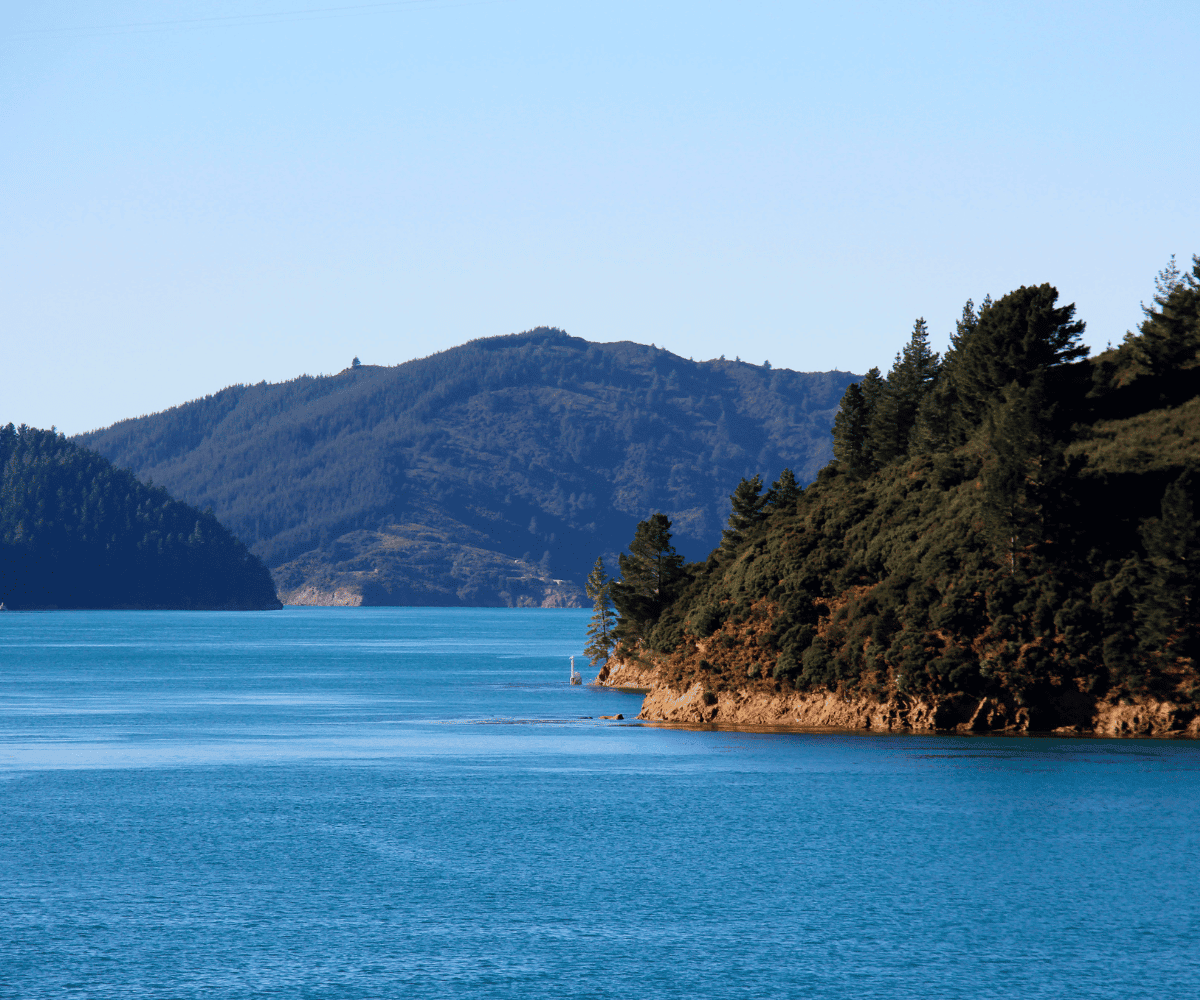
In Marlborough, vintage is getting underway, grapes are coming in from the vineyards and wineries are busy behind the cellar doors.
For wine-focused travellers, that changes the texture of a visit.
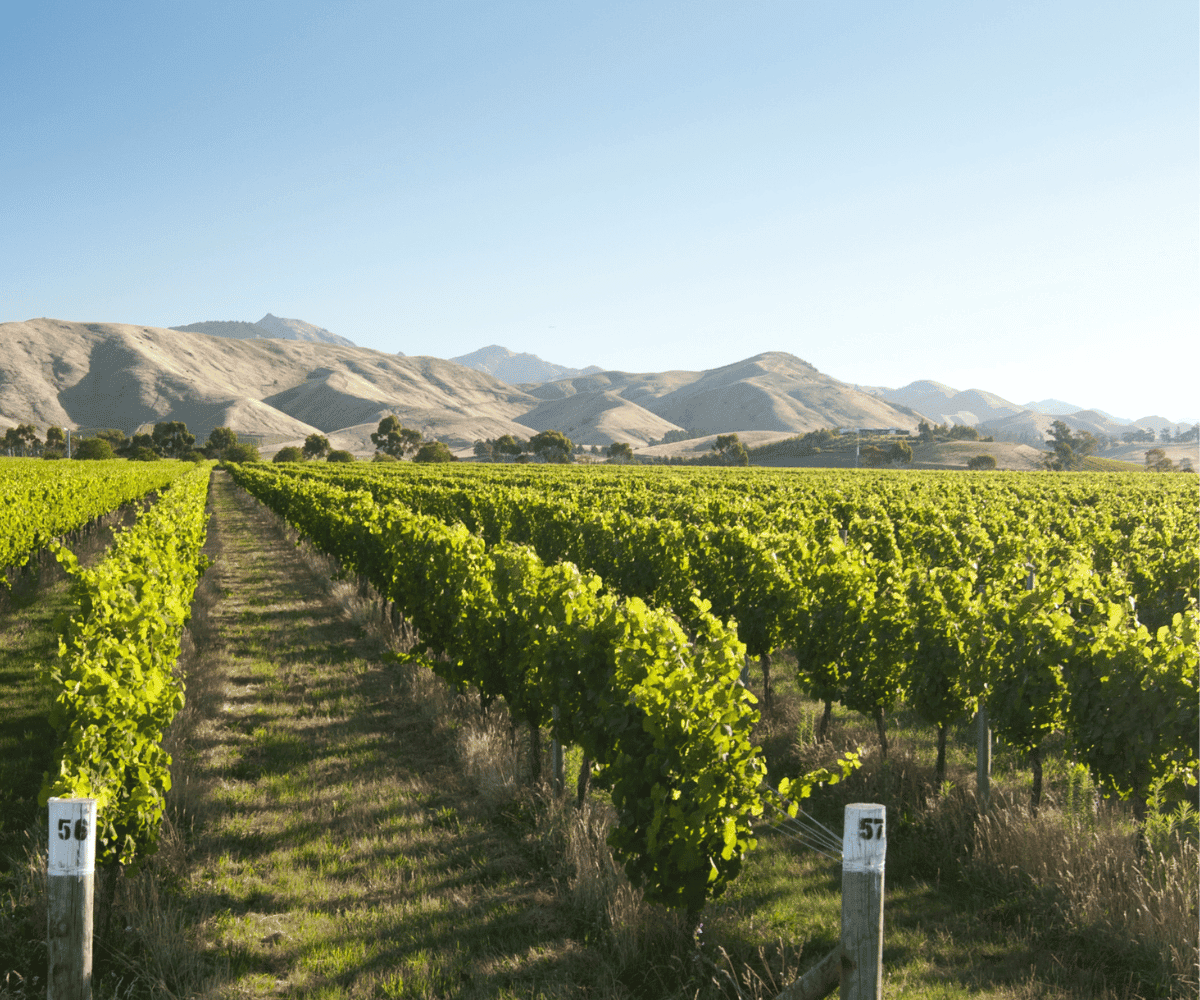
You’re not just tasting Marlborough wine in the region where it’s made, you’re there as the next vintage is beginning to take shape.
Hawke’s Bay also suits March well, particularly after the high heat of summer has begun to soften.
A day here doesn’t need to be over-planned, with a morning at Te Mata Peak, a winery visit and a long lunch all fitting naturally into the pace of the season.
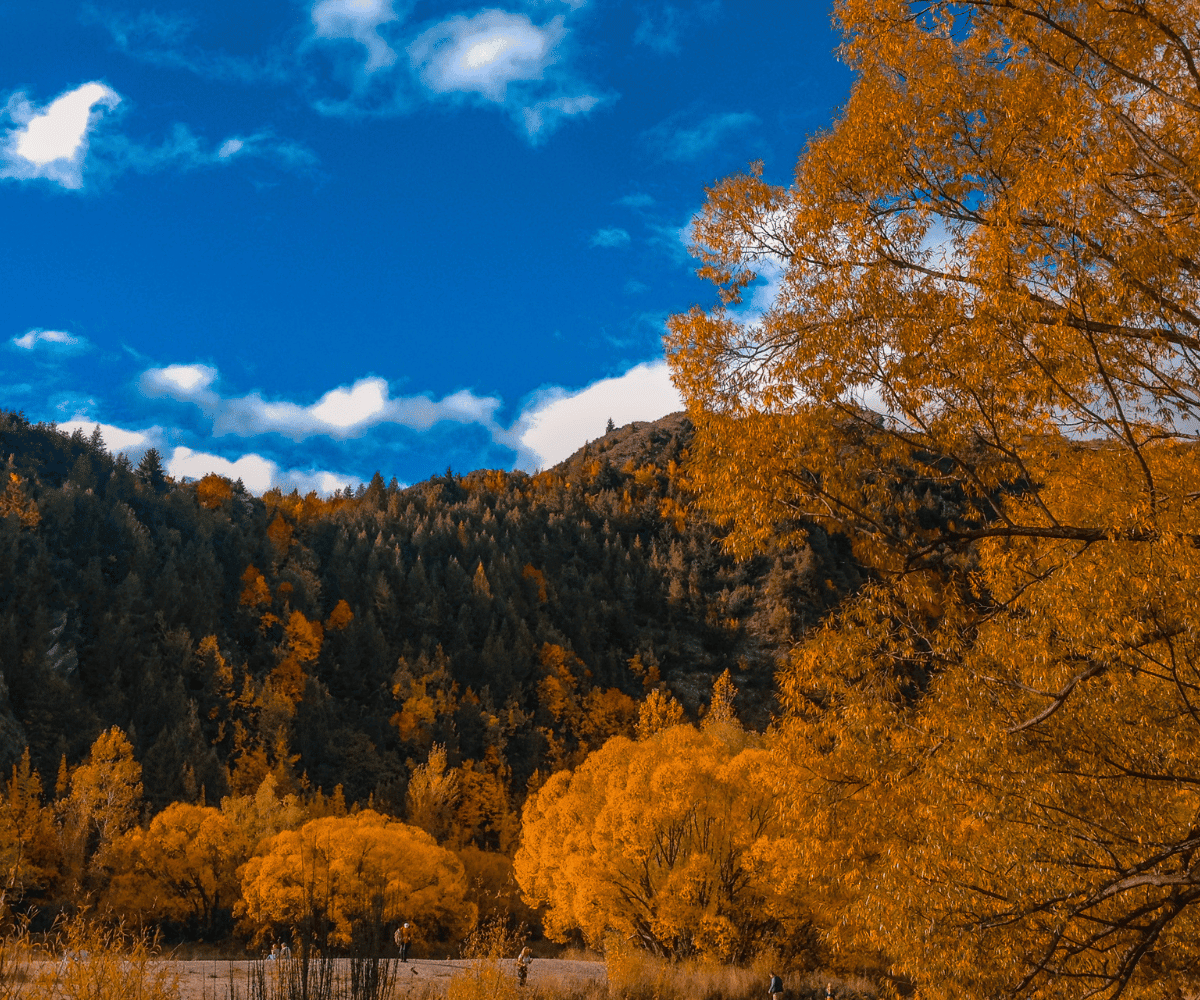
Central Otago comes into its own in April
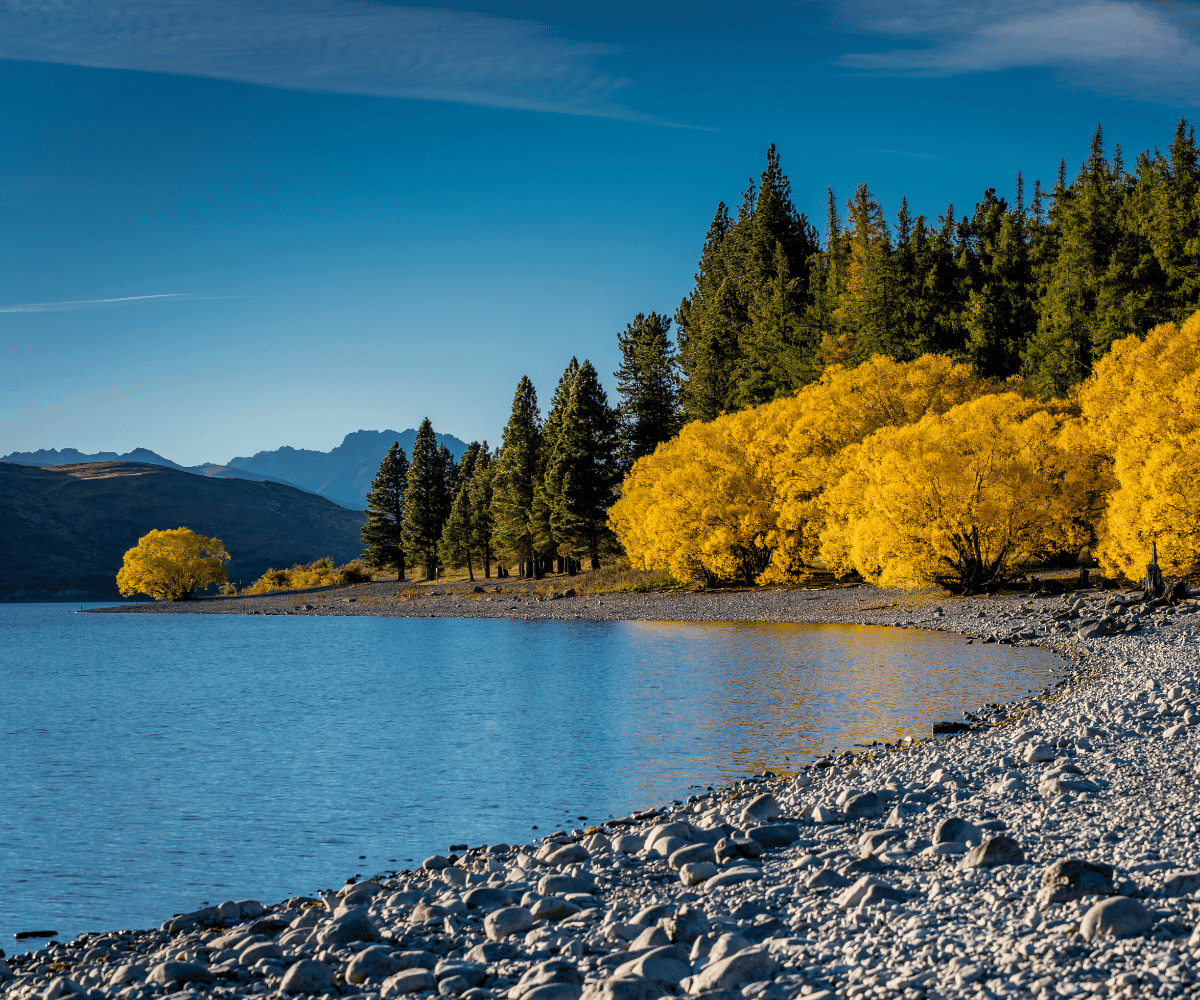
If autumn colour is the reason for travelling, the South Island deserves close attention.
Arrowtown is the best-known name for good reason, with its former gold-mining character and trees along the Arrow River shifting into gold and red through April.
The Arrowtown Autumn Festival is scheduled for 15 to 18 April in 2027.
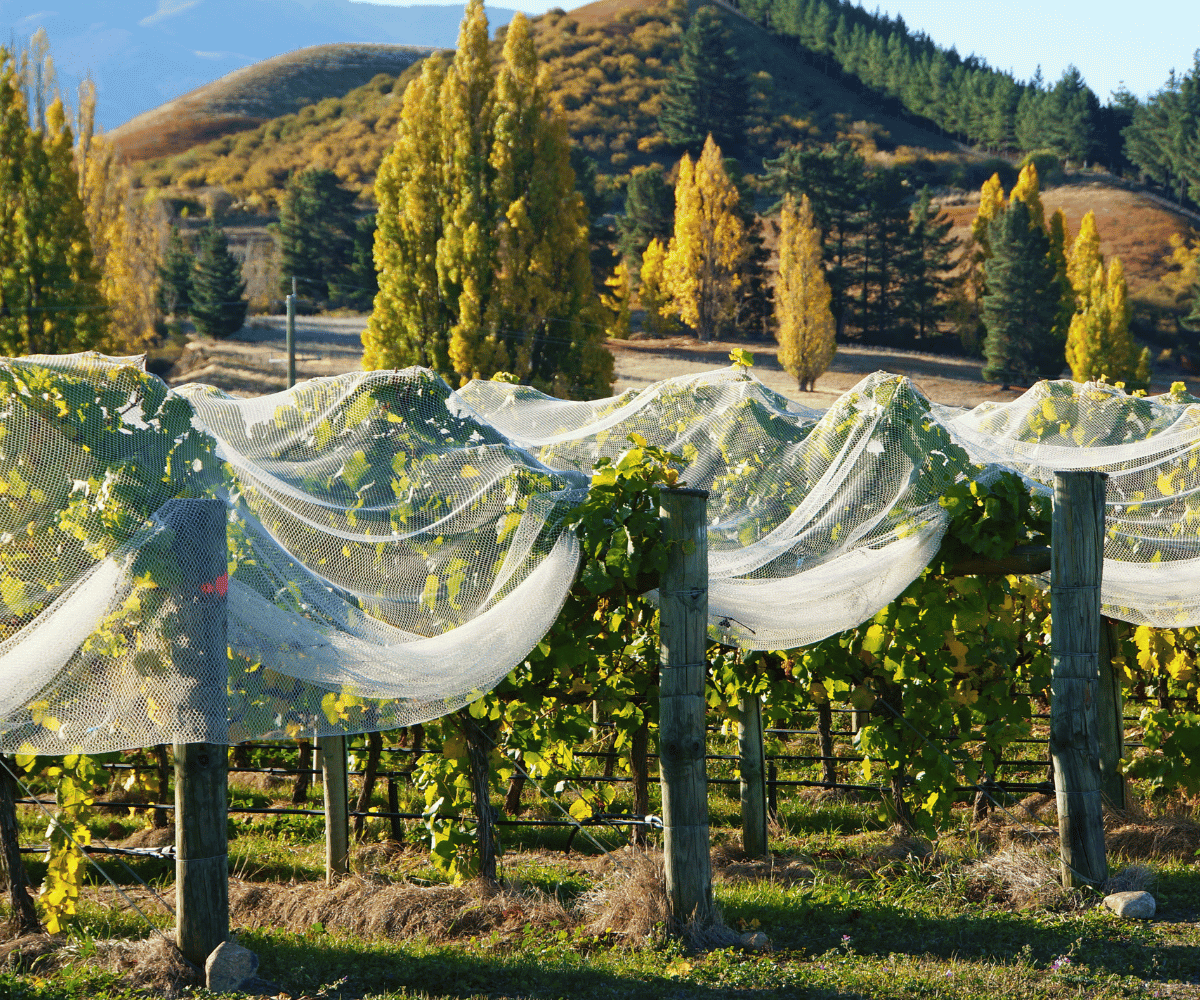
The event began as a local harvest celebration, and the town remains closely involved, making those dates useful to know when shaping an itinerary.
Some travellers will want to be there for the atmosphere of the festival, while others may prefer to visit just before or after it.
Arrowtown shouldn’t be the only stop.
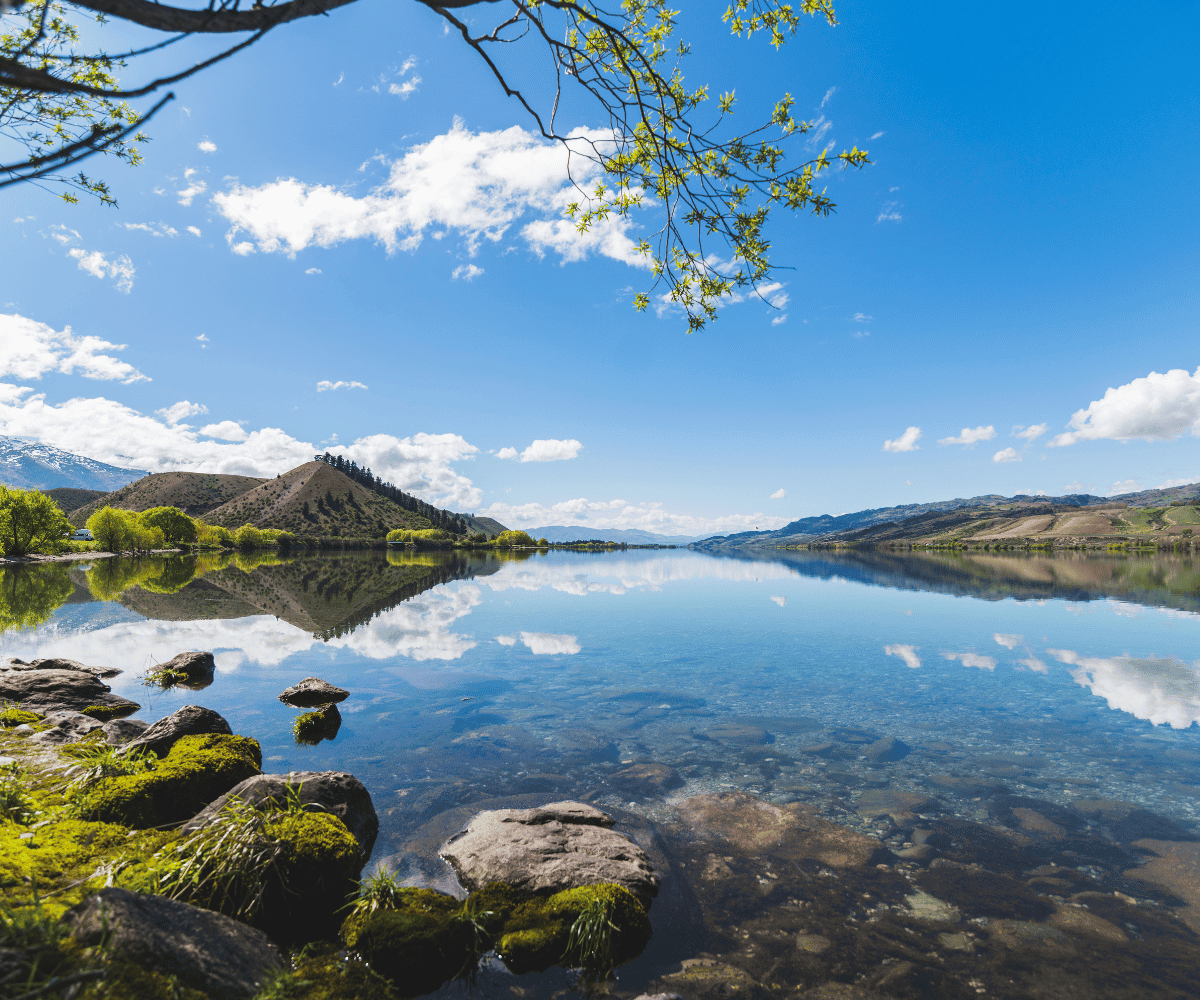
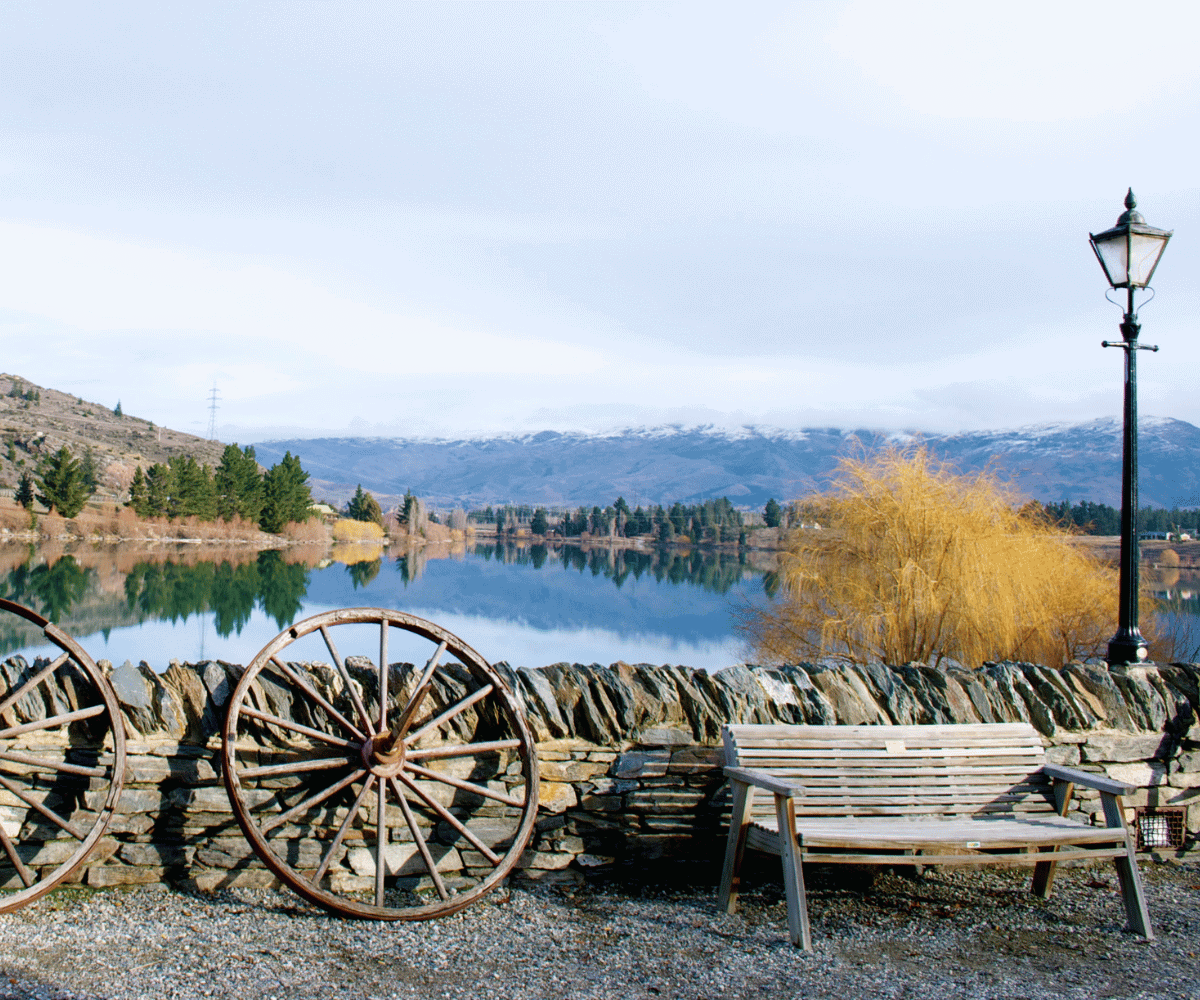
Clyde and Cromwell work beautifully into an autumn route, particularly for travellers who enjoy wine, cycling and landscapes that reward a slower pace.
By this stage, the fierce summer heat of Central Otago has eased and the vineyards are changing colour.
The Lake Dunstan Trail is one of the most compelling ways to experience this part of the country, tracing a route between Cromwell and Clyde beside the lake and through a wine-growing region.
It’s the sort of journey where lunch should be part of the plan rather than an afterthought.
Harvest flavours and darker skies
Autumn is harvest time, which gives New Zealand’s food and wine scene a clear seasonal focus.
Grapes are coming off the vines, apples and pears are being picked in growing regions, and restaurant menus begin to move with the cooler weather.
Bluff oyster season begins in March, a detail that matters deeply to some travellers and not at all to others.
For those who love them, autumn is the moment.
Food and wine are at their most memorable when they connect directly to place.
Central Otago pinot noir has a different resonance when you’re drinking it in Central Otago, and a Marlborough vineyard lunch feels more vivid when vintage is happening around you.
As the days shorten, New Zealand’s night skies also become easier to enjoy at a civilised hour.
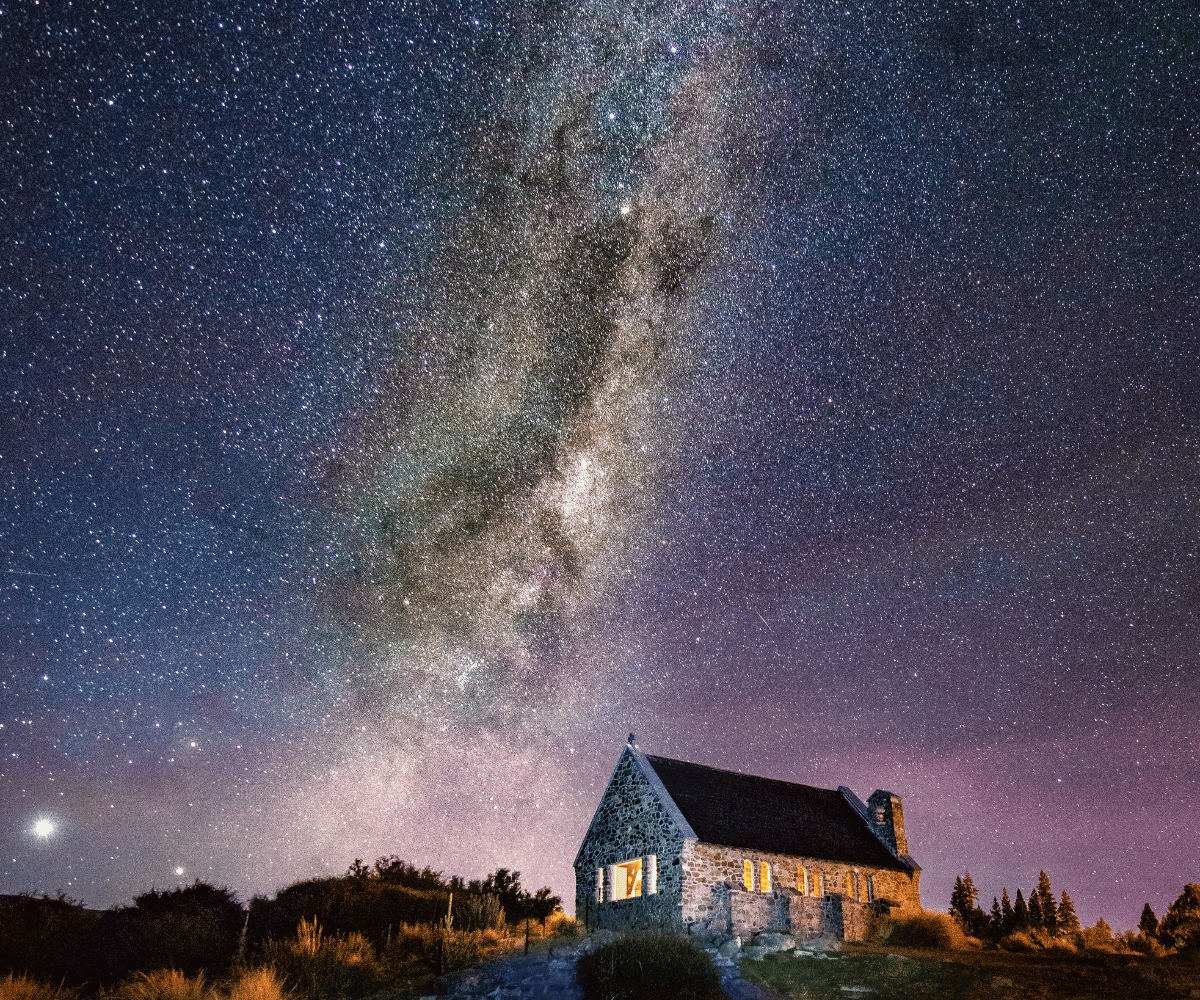
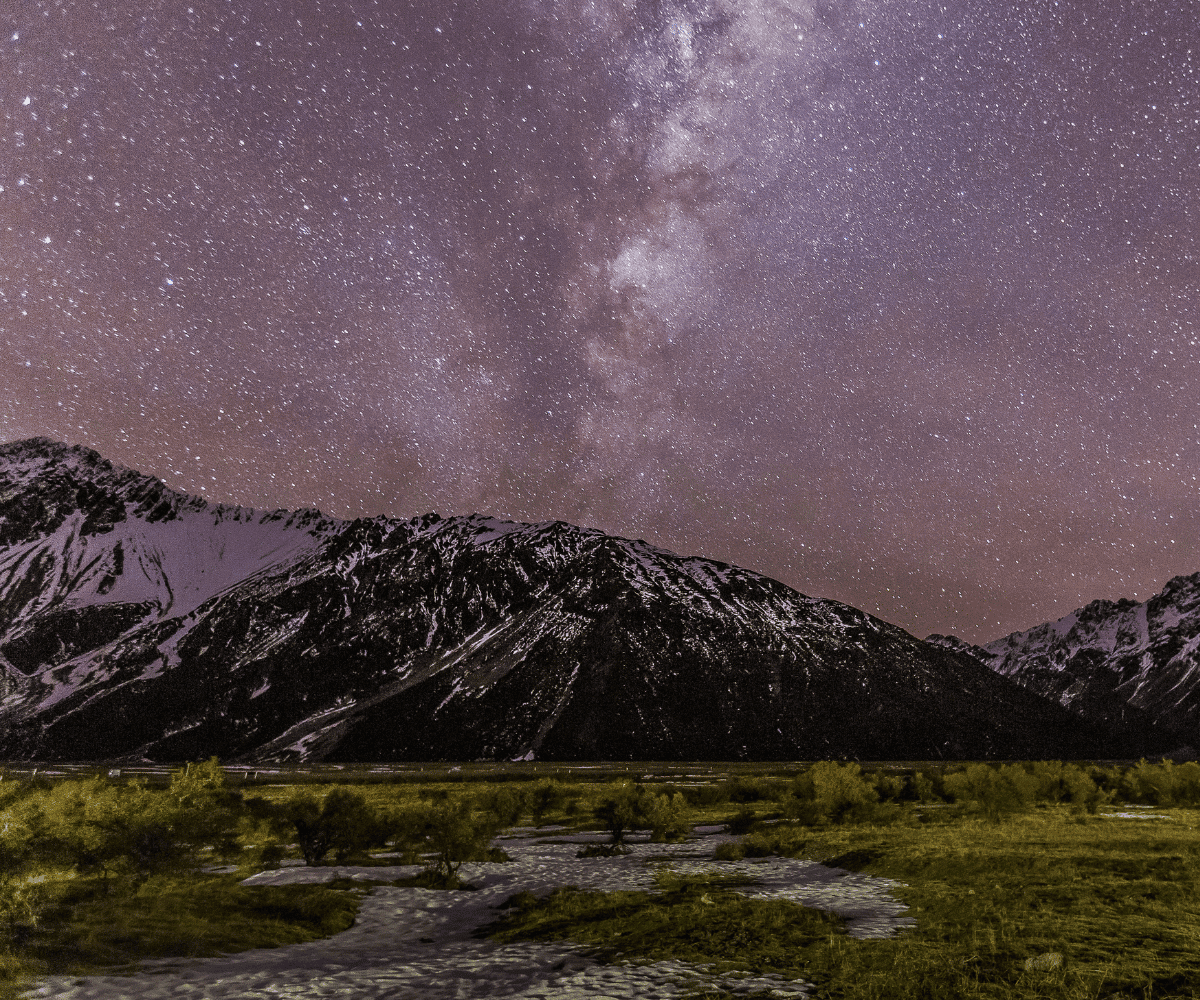
Lake Tekapo, Aoraki/Mount Cook and Twizel sit within the Aoraki Mackenzie International Dark Sky Reserve, where low light pollution allows the sky to take on a scale many city dwellers rarely see.
There are observatories and guided stargazing experiences for travellers who want context, but an organised outing isn’t always necessary.
A dark place, warm layers and a few minutes for your eyes to adjust can be enough.
Choosing the right autumn month
New Zealand’s autumn isn’t one single season, and the month you choose should shape the journey.
| Month | Best suited to | What to expect |
|---|---|---|
| March | Warmth, coast, wine and outdoor days | Summer-like conditions can linger, especially in the north, while Marlborough vintage begins. |
| April | Autumn colour, Central Otago and cooler activity days | South Island landscapes shift into stronger seasonal colour, especially around Arrowtown, Clyde and Cromwell. |
| May | Shorter days, alpine mood and a sense of winter approaching | Cold South Island mornings become more likely, with the possibility of snow on the mountains. |
Weather is part of the equation, but it’s not something to over-script months in advance.
March can still feel wonderfully warm, April sits between seasons, and May can bring cold mornings in the South Island.
Layers matter, as does a good jacket.
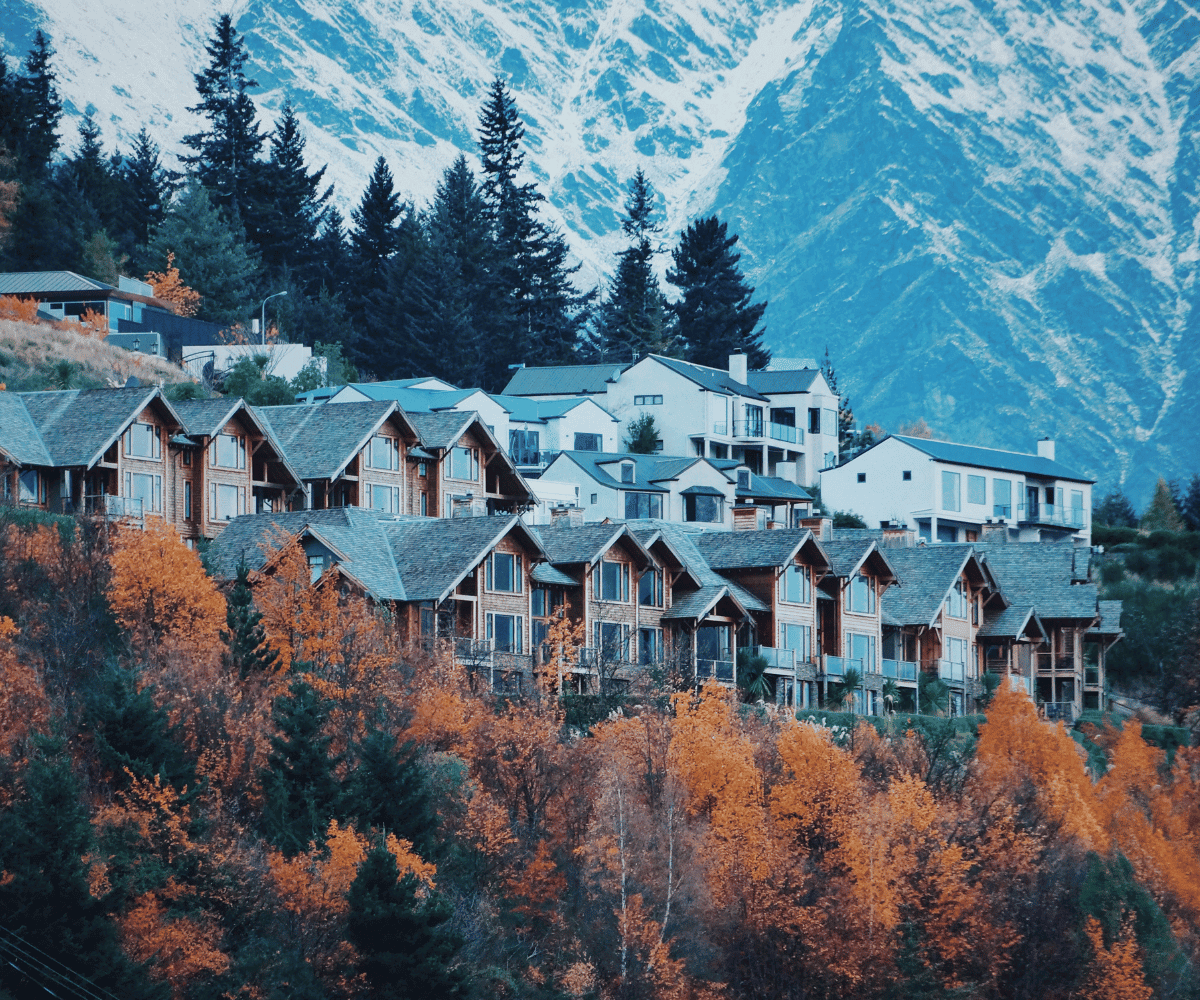
In the mountains especially, the best itineraries allow room to adjust when the forecast changes.
That flexibility is not a flaw in planning a New Zealand journey, it’s part of travelling here well.
The most rewarding autumn trips aren’t summer itineraries moved into April.
They’re built around the season from the beginning, with the route, pacing and experiences chosen for the light, the harvest, the colour and the cooler air.
For travellers willing to look beyond the obvious summer window, New Zealand in autumn offers a quieter journey with richer edges.