Mercedes-Benz helped define the modern luxury dashboard with vast digital displays, but the brand is now putting some tactile control back into the cabin.
After years of moving more functions into screens and touch-sensitive surfaces, Mercedes is acknowledging a simple point many drivers have been making for a while. Not every command is better buried in a menu.
At a glance
- Mercedes-Benz will reintroduce physical controls for key cabin functions after a heavy industry shift toward touchscreens.
- The move follows criticism that some everyday actions became harder to manage through digital menus while driving.
- The brand’s MBUX Hyperscreen remains central to its tech strategy, but future interiors will pair it with more practical buttons.
Mercedes adjusts its screen-first interior strategy
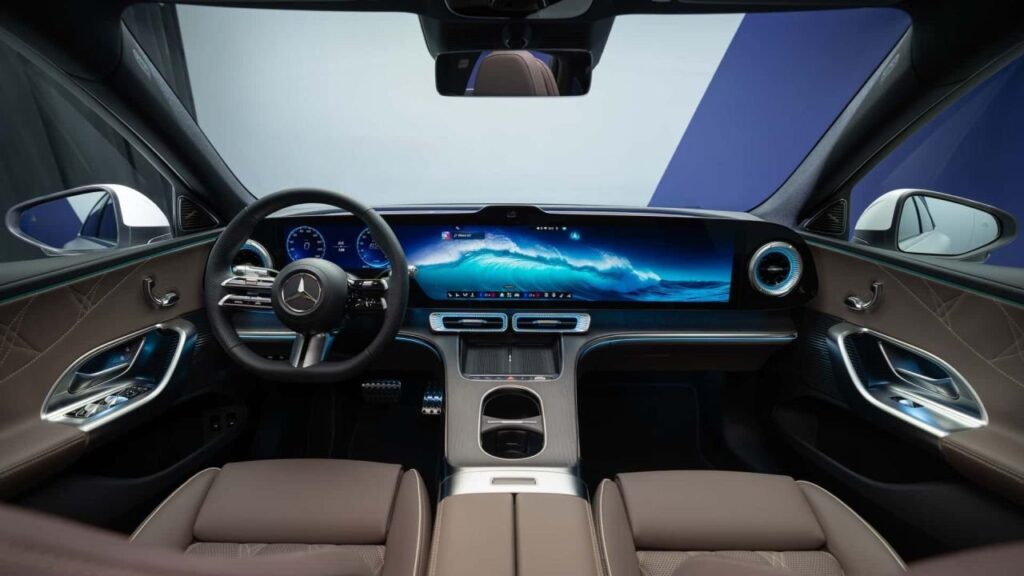
Mercedes has been one of the most visible advocates for expansive in-car displays, particularly through the MBUX Hyperscreen.
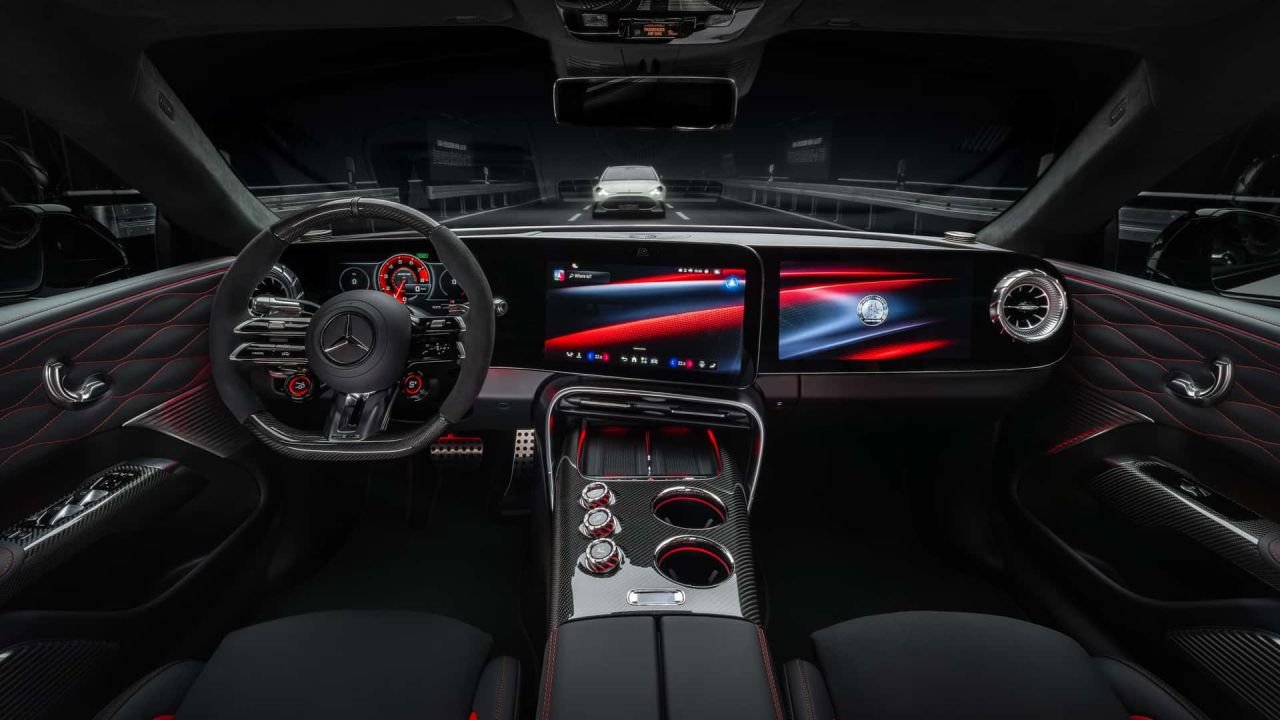
At up to 1,410 mm wide, the Hyperscreen is an unmistakable statement piece, stretching across the dashboard and giving the cabin the feel of a high-end digital command centre.
It’s a striking piece of theatre, and it has helped distinguish newer Mercedes models in an increasingly tech-led luxury market.
The drawback is familiar to anyone who has tried to change a simple setting on the move. When too many basic functions migrate into screen layers, the interaction can become slower and more distracting than the old physical switch it replaced.
Mercedes isn’t abandoning its digital interface, but the brand is now making room for what it calls “sensible buttons”.
The steering wheel is already changing
The shift has already begun with the return of physical controls on Mercedes steering wheels.
That detail matters because the steering wheel is where the tension between technology and usability is most obvious.
Touch-sensitive pads can look clean and futuristic, but they’re not always intuitive when the car is moving, the driver is wearing gloves, or the road demands attention.
Traditional buttons have a clear advantage in those moments. They can be found by feel, they give instant feedback, and they reduce the need to glance away from the road.
Mercedes-Benz CEO Ola Källenius framed the change as a correction in priorities, saying, “Sometimes you get a bit ahead of yourself and do technology for the sake of technology and maybe forget a little bit about the customer. So from now on, you will see us reintroduce the most sensible buttons.”
Why tactile controls still matter in luxury cars
The return of buttons isn’t a nostalgic move as much as a usability one.
Luxury car interiors have to do more than impress in a showroom. They have to work naturally on a wet night, in traffic, on a motorway, or during a quick temperature change when the driver doesn’t want to search through a screen.
For functions used constantly, such as volume, climate adjustment, seat heating, drive modes or driver-assistance shortcuts, a well-placed physical control can feel more premium than a glossy digital icon.
That’s the part the industry has occasionally underestimated. Refinement isn’t just about the size of the display or the sharpness of the graphics, but how little effort the car asks of its driver.
There’s also a broader design lesson here. Minimalist interiors can be elegant, but removing every visible control can make a car feel less intuitive rather than more advanced.
MBUX and buttons can share the same cabin
The most interesting part of Mercedes’ decision is that it doesn’t frame screens and buttons as opposing ideas.
MBUX remains a core part of the brand’s identity, and large displays will continue to play a major role in navigation, media, vehicle settings and connected services.
The smarter direction is a layered cabin, where screens handle depth and flexibility while physical controls handle frequent actions.
That balance could be especially important for Mercedes, a marque whose cars are expected to feel effortless rather than experimental.
Buyers drawn to the brand’s technology will still get the spectacle and breadth of a modern digital interface, but drivers who value muscle memory and simple ergonomics should find future cabins easier to live with.
Mercedes’ move also reflects a wider correction across the car world. The industry spent years proving that nearly anything could be digitised, and now the better question is what actually should be.
For a company built on comfort, engineering and long-distance ease, the return of a few well-chosen buttons feels less like a retreat and more like a return to good judgement.