Mercedes-AMG is dealing with an unusually specific legal challenge in the US, centred not on powertrains, software or safety systems, but on a small piece of cabin branding.
A lawsuit filed in California claims the metallic AMG emblem fitted into the seatbacks of certain models can become dangerously hot when a parked car sits in direct sunlight.
It’s the kind of detail most buyers would barely notice during a showroom walkaround, yet the case highlights how performance-car design touches everything from theatre to everyday usability.
At a glance
- Mercedes-AMG is facing a US lawsuit over allegations that metallic AMG seatback emblems can cause burns.
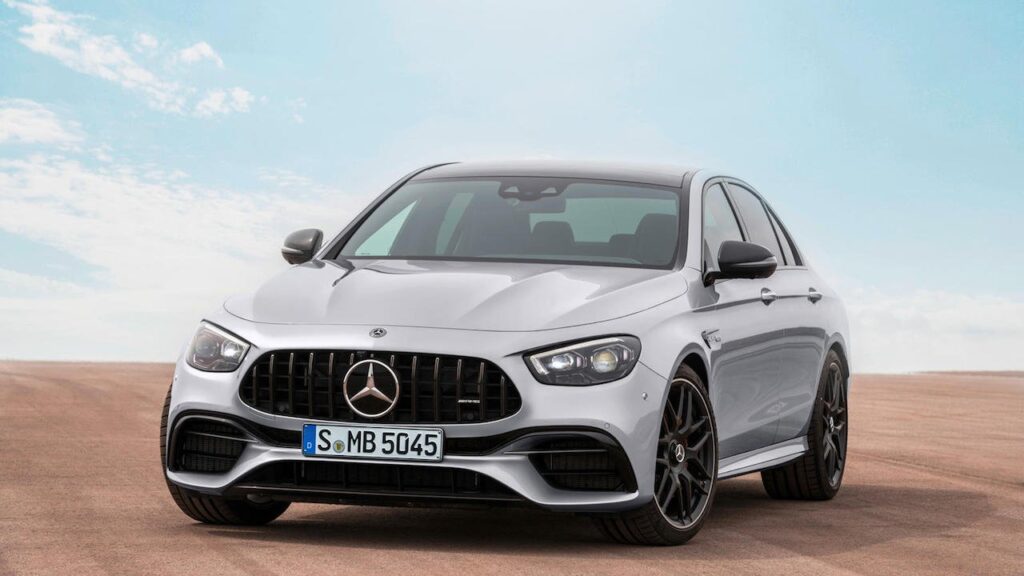
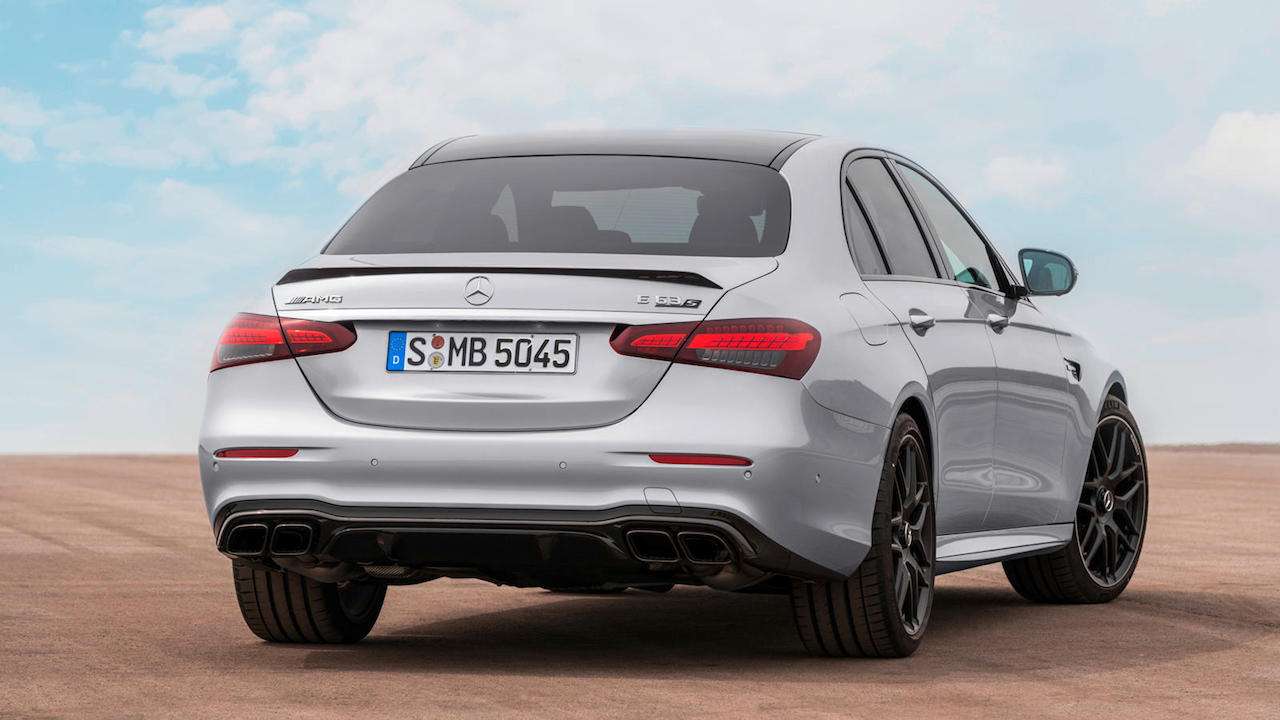
- The complaint centres on raised metal logos fitted to the seatbacks of certain models, including the Mercedes-AMG E-Class.
- The case was filed on August 6, 2026, in a US District Court in California, with no official response from Mercedes-AMG so far.
A cabin detail under legal scrutiny
The issue concerns the raised AMG badge embedded in the seatback, a piece of metal trim intended to reinforce the performance identity of the car’s interior.
The plaintiffs claim that when exposed to strong sunlight inside a parked vehicle, the emblem can absorb enough heat to burn skin on contact.
One owner says she returned to her car after lunch and suffered a visible burn that resembled the AMG logo.

Another plaintiff claims to have received a second-degree burn in a similar situation while going to the gym.
Why the material matters
Hot interiors are nothing new, particularly in cars left in direct sun, but this complaint focuses on the behaviour of metal compared with softer cabin surfaces.
Leather, fabric and plastics can become uncomfortable in a heated cabin, yet metal trim can absorb and retain heat more aggressively.

That difference matters in a seatback location, where the occupant’s skin may come into direct contact with the emblem when sitting down or moving in the seat.
For a performance brand like AMG, metal badging is part of the theatre, but this case puts that aesthetic choice into a more practical light.
The models and allegations involved
The lawsuit refers to certain Mercedes-AMG models, including the AMG E-Class.
It does not suggest every AMG vehicle is affected, and the claims remain allegations at this stage.
The filing was made on August 6, 2026, in a US District Court in California.
Mercedes-AMG has not issued an official response, leaving open questions around the company’s position, the scope of the vehicles involved and whether any design changes or owner guidance could follow.
A branding flourish with real-world consequences
Luxury performance interiors often use metal plaques, emblems and trim to create a more tactile sense of occasion.
That approach is especially common in high-end cars, where small material details help separate a performance model from its standard equivalent.
The California lawsuit is a reminder that those details still have to work in ordinary conditions, including a hot parking lot on a sunny day.
For AMG owners and shoppers, the case will be worth watching not because it questions the appeal of the badge, but because it asks whether one of the brand’s smallest interior signatures can become a safety concern in everyday use.