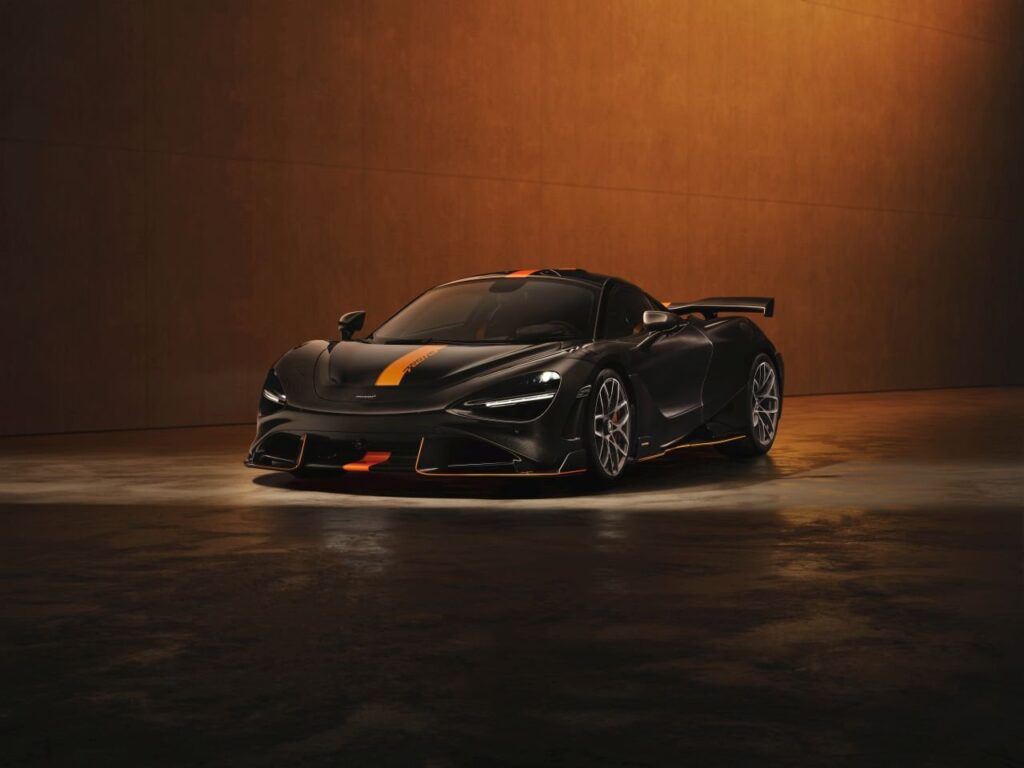
McLaren looks ready to move beyond the familiar rhythm of replacing one supercar with another.
Dealers are understood to have received an early look at upcoming models, and the shape of the plan suggests a wider, more commercially ambitious McLaren showroom by the end of the decade.
That potential shift matters because McLaren has built its modern identity around lightweight, low-slung performance cars, not family-friendly body styles or broad luxury segments.
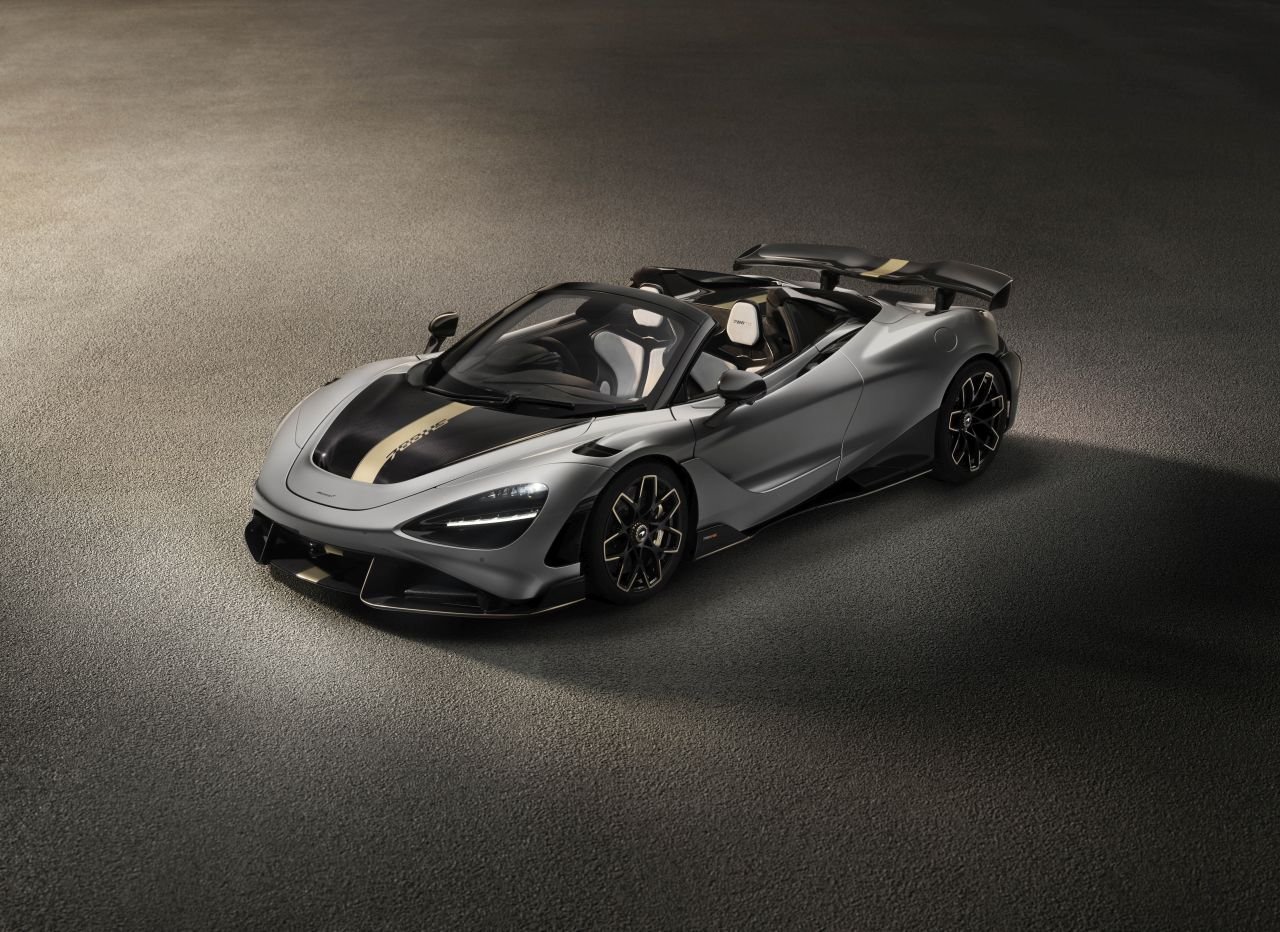
At a glance
- McLaren dealers have been given an early preview of future models, including an SUV and a new GT.
- The product plan is expected to include at least one new model each year through 2028.
- A mid-engined V6 hybrid supercar is also expected for 2027, keeping McLaren tied to its performance roots.
A wider McLaren showroom is taking shape
The most significant detail is not simply that new cars are coming, but that McLaren appears to be planning a sustained run of launches through 2028.
At least one new model is expected each year, a cadence that would give the brand a broader portfolio than it currently offers.
For a company often defined by focused two-seat supercars, that kind of expansion would mark a meaningful change in both product strategy and customer reach.
It also suggests McLaren wants to compete for buyers who may already own a supercar but want something usable more often, rather than only on perfect roads and special weekends.
The SUV move would be McLaren’s biggest break with tradition
An SUV from McLaren still sounds provocative, even in a market where performance brands have increasingly moved into high-riding luxury vehicles.
The idea has been discussed around the company for some time, and its appeal is easy to understand from a business perspective.
An SUV would give McLaren access to a much larger and more practical luxury-performance audience without relying solely on the limited pool of supercar customers.
The challenge will be making such a vehicle feel like a McLaren rather than simply a premium SUV wearing a familiar badge.
That means weight, steering response, driver connection and powertrain character will matter as much as cabin quality or daily usability.
A 2027 V6 hybrid supercar keeps the brand anchored
The planned mid-engined V6 hybrid supercar expected for 2027 should sit much closer to McLaren’s established formula.
Hybrid assistance has become central to the upper end of modern performance, and McLaren already has experience blending combustion and electric drive into a supercar package.
A mid-engined layout, internal combustion power and electric support would give the model a familiar technical foundation while allowing for stronger response, sharper acceleration and improved efficiency.
For existing McLaren customers, this is likely to be the car that reassures them the brand’s core identity isn’t being abandoned.
Where a new GT could fit
The new GT is just as interesting because it could address a different kind of usability question.
A sedan-like grand tourer would push McLaren toward a more comfortable, long-distance performance brief without moving as far from the ground as an SUV.
That could appeal to buyers who want McLaren pace and engineering character in a car better suited to regular driving, travel and carrying more than a weekend bag.
McLaren has not publicly shown the full range of vehicles previewed to dealers, and many key details remain under wraps.
Even so, the direction is clear enough to read as more than a routine product refresh.
If these plans reach showrooms as expected, McLaren’s next chapter may be defined by a careful balancing act between protecting its supercar credibility and entering segments it once seemed unlikely to touch.